Will Handcrafted Silver Jewelry Tarnish in Shower?
Table of Contents
- Will Handcrafted Silver Jewelry Tarnish in the Shower?
- Why Sterling Silver Tarnishes: The Chemistry Behind Oxidation
- The Impact of Water and Chemicals on 925 Silver
- Does 925 Silver Turn Skin Green?
- How to Clean Tarnished Silver Jewellery: A Step-by-Step Guide
- Best Way to Store Sterling Silver and Prevent Tarnish
- Practical Tips for Maintaining Handcrafted Silver Jewellery Longevity
- Conclusion
- Frequently Asked Questions
Last Updated: September 2, 2026
Will Handcrafted Silver Jewelry Tarnish in the Shower?
Yes, handcrafted silver jewelry will tarnish in the shower. The combination of water, soap residue, and environmental factors creates the perfect conditions for oxidation. However, understanding why this happens and how to protect your pieces makes all the difference between jewellery that maintains its lustre and pieces that dull within weeks.
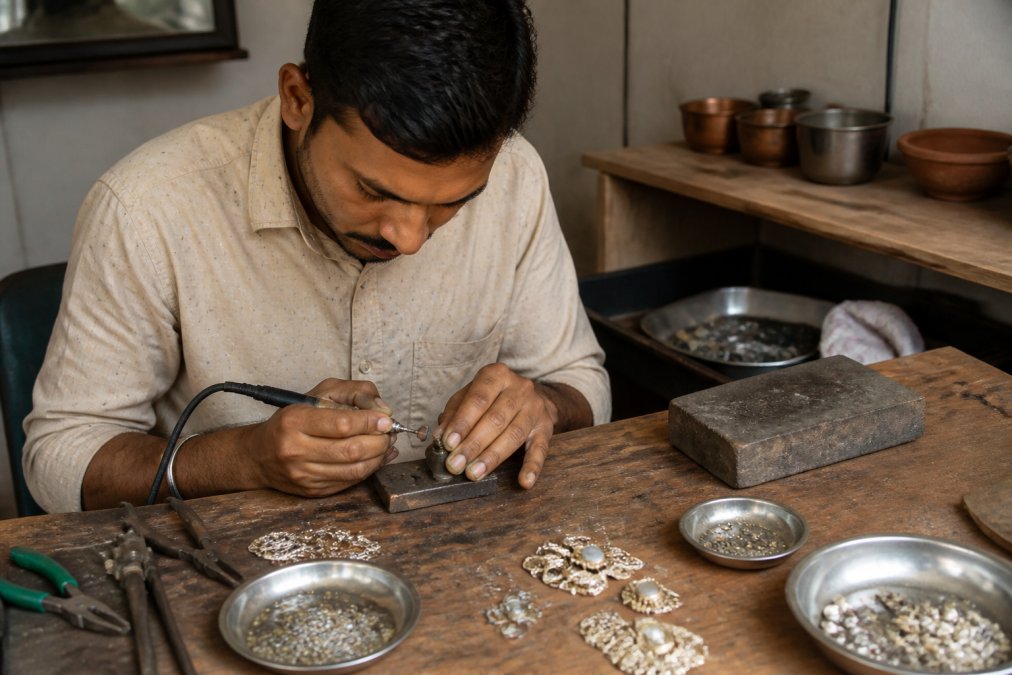
At SilverStory, we work with artisans in Rajasthan who craft stunning 925 sterling silver pieces designed to be worn and treasured. The question we hear most often from our customers is whether daily shower exposure will damage their handcrafted pieces. The answer is nuanced: tarnish isn't permanent damage, but prevention beats cleanup every time.
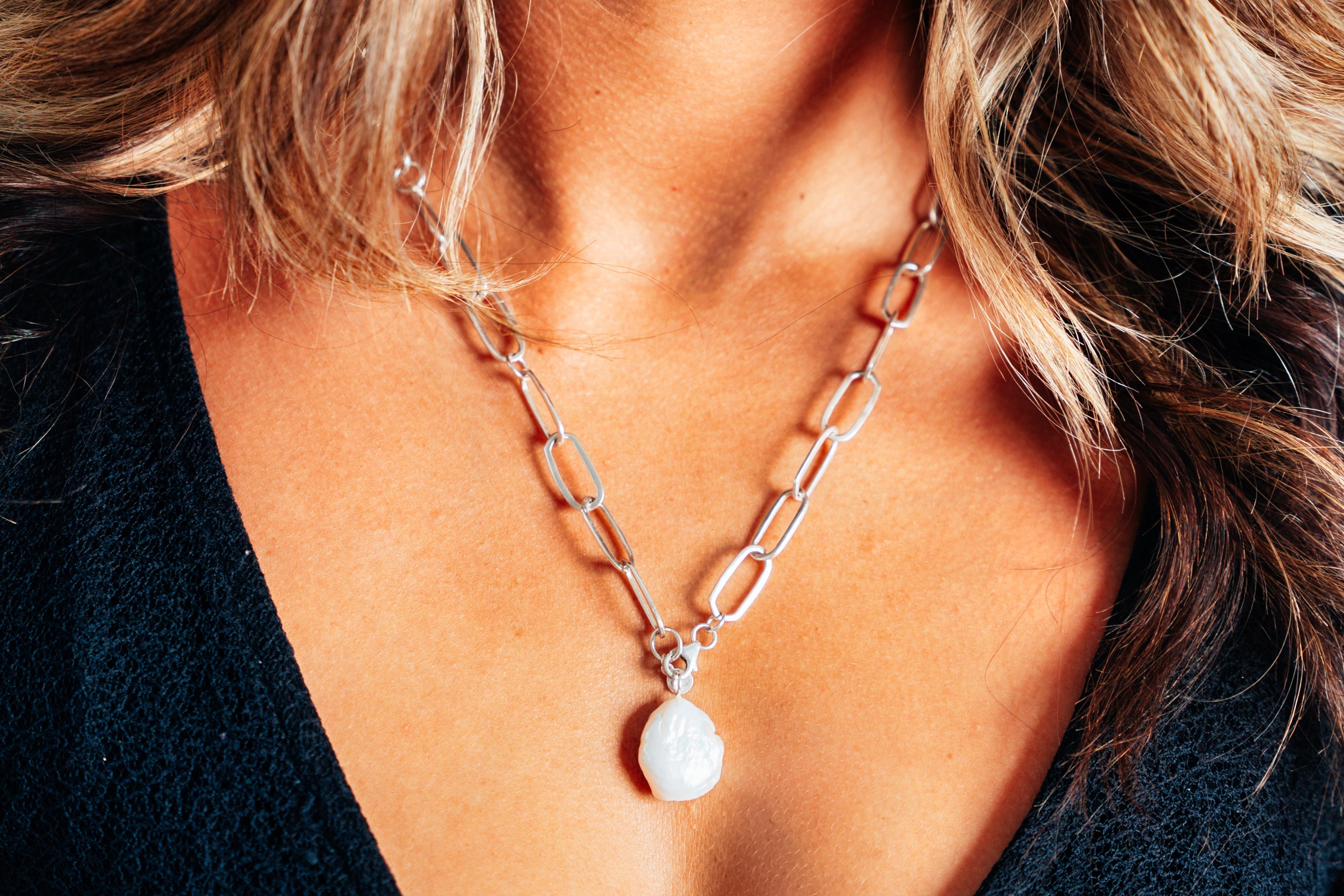
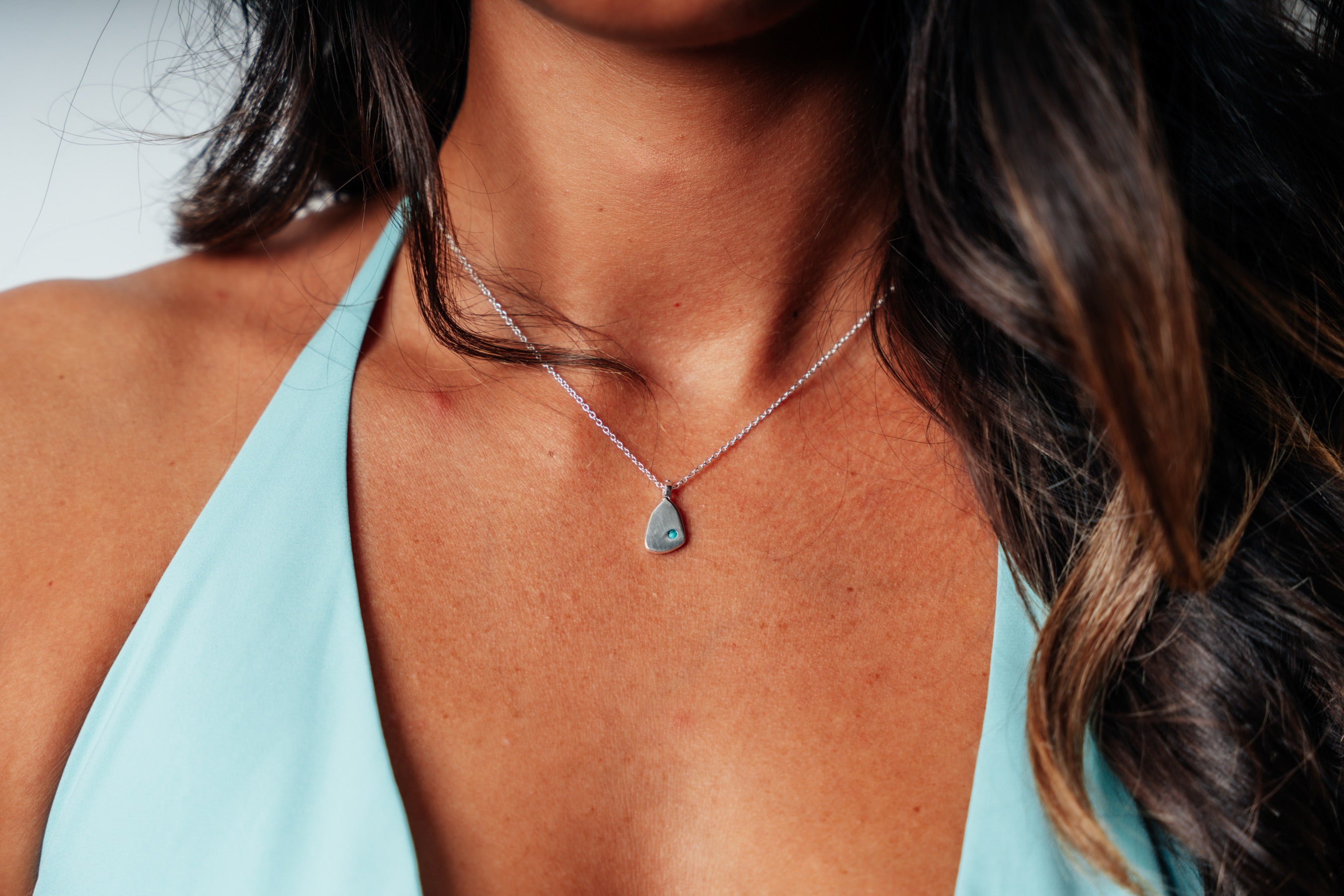
This guide covers the science behind silver tarnishing, practical strategies to protect your jewellery, and step-by-step cleaning methods when tarnish does occur. Whether you're wearing our Silver Lunar Necklace daily or saving it for special occasions, these insights will help you keep your pieces looking beautiful for years.

Why Sterling Silver Tarnishes: The Chemistry Behind Oxidation
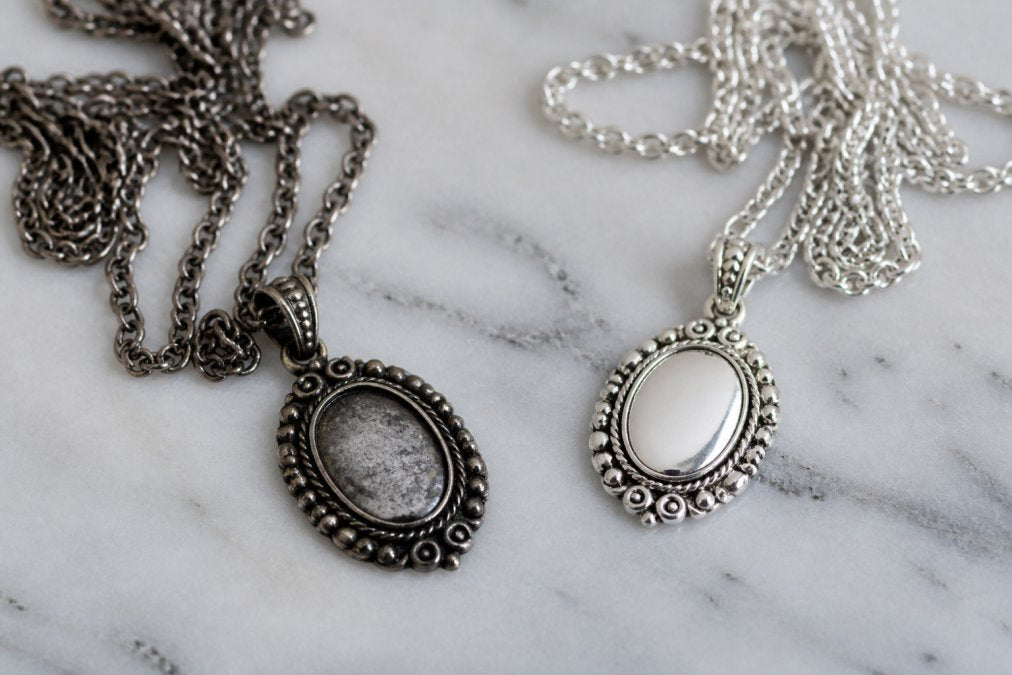
Sterling silver tarnishes through a chemical reaction called oxidation. When 925 silver (which contains 92.5% pure silver and 7.5% other metals, typically copper) comes into contact with sulfur compounds and moisture, the copper in the alloy reacts and forms copper sulfide (peer-reviewed research). This dark coating is what we call tarnish.
The process happens naturally over time, even without shower exposure. But moisture accelerates it significantly. Water alone doesn't cause tarnish, it's the combination of water, oxygen, and sulfur-containing substances that triggers the reaction. Handcrafted silver jewellery is particularly susceptible because artisanal pieces often feature intricate details and textured surfaces that trap moisture longer than polished mass-produced alternatives.
Understanding this chemistry helps explain why some prevention methods work better than others. It's not about keeping silver completely dry (nearly impossible for daily-wear jewellery), but rather about minimising exposure to the conditions that speed up oxidation.
The Impact of Water and Chemicals on 925 Silver
Water quality is one of the most overlooked variables in silver tarnishing. The mineral content, chlorine levels, and pH of your tap water directly influence how quickly your handcrafted pieces oxidise.
Hard Water vs. Soft Water: Why Regional Water Quality Matters
Hard water contains dissolved minerals, primarily calcium and magnesium carbonates, at concentrations typically between 100-250 mg/L (measured as calcium carbonate equivalent). When you shower with hard water, these minerals deposit on your silver jewellery alongside soap residue, creating a multi-layered oxidation catalyst.
Soft water (below 60 mg/L mineral content) poses less risk because fewer minerals accumulate on the metal surface. However, soft water often has a lower pH, making it slightly more acidic. This acidity can accelerate the copper-sulfide reaction that causes tarnish, particularly on pieces with exposed copper content or worn surfaces.
You can check your water hardness through your local water supplier's annual water quality report (available online for most regions) or purchase an inexpensive test kit. If you have hard water and wear your silver in the shower regularly, the mineral buildup compounds tarnishing significantly. Installing a water softener or using a shower filter reduces mineral deposition, though neither eliminates the risk entirely.
Handcrafted pieces with textured surfaces trap mineral deposits more readily than smooth, polished jewellery. The tiny crevices in hammered or oxidised finishes hold onto hard water minerals longer, creating persistent oxidation sites even after you've removed the jewellery.
Chlorine Concentration and Oxidation Speed
Chlorine accelerates tarnishing noticeably, but the effect varies by concentration. Typical tap water chlorine levels range from 0.2-1.0 mg/L, which causes measurable (though gradual) oxidation (as reported by UK water quality standards bodies). However, if you shower immediately after swimming or use a shower in a heavily chlorinated facility, you're exposing your silver to 1-3 mg/L or higher, a significant jump that speeds up tarnishing by 2-3 times compared to standard tap water.
Chlorine acts as an oxidising agent, directly accelerating the chemical reaction between the copper in your 925 alloy and sulfur compounds. The effect is cumulative: repeated chlorine exposure over weeks creates visible tarnish on handcrafted pieces, whereas occasional exposure causes only minor dulling.
If you swim regularly or use public facilities with heavily chlorinated water, removing your silver jewellery beforehand is essential. The same applies if your local water authority uses higher chlorine levels.
Sulfur Compounds in Tap Water and Shower Products
Sulfur compounds are the primary culprit in silver oxidation. They exist naturally in some tap water supplies, particularly in areas with older plumbing or mineral-rich groundwater. When sulfur compounds contact the copper in your 925 silver alloy, they form copper sulfide, the dark tarnish layer.
The problem intensifies when sulfur from tap water combines with sulfur in shower products. Most conventional shampoos and body washes contain sulfates (sodium lauryl sulfate or sodium laureth sulfate) as cleansing agents. These sulfates don't just leave residue on your skin and jewellery; they introduce additional sulfur that accelerates the oxidation reaction.
Handcrafted pieces, with their intricate textures and fine details, trap this sulfur-laden residue longer than smooth surfaces. A single shower with standard shampoo can deposit enough sulfur compounds to initiate visible tarnishing within 24-48 hours if the jewellery isn't rinsed thoroughly and dried immediately.
If you choose to wear your silver in the shower, rinsing immediately afterward with plain water is non-negotiable. However, even thorough rinsing doesn't remove all residue, particularly from the tiny crevices in handcrafted details. This is why removing jewellery before showering remains the most effective prevention strategy.
Does 925 Silver Turn Skin Green?
925 sterling silver rarely turns skin green on its own. That green discolouration typically comes from lower-quality silver alloys or plated jewellery where the base metal (often copper or brass) oxidises and transfers to your skin. True 925 silver, handcrafted to high standards, is unlikely to cause this reaction.
However, if your handcrafted silver piece does leave a green mark, it usually indicates either incorrect labelling or a reaction between your skin's natural acidity and the copper content in the alloy. Some people with more acidic skin chemistry experience this more readily. It's not harmful, just a cosmetic concern, and it washes off easily with soap and water.
The green discolouration disappears quickly and doesn't indicate the jewellery is damaged. If you're concerned about this reaction, removing your jewellery before showering eliminates the problem entirely, since the green mark only appears with prolonged skin contact combined with moisture.
How to Clean Tarnished Silver Jewellery: A Step-by-Step Guide
Tarnish is reversible. With the right approach, you can restore your handcrafted pieces to their original brilliance without damaging the metal or intricate details that make artisanal jewellery special.
Quick Cleaning Methods for Light Tarnish
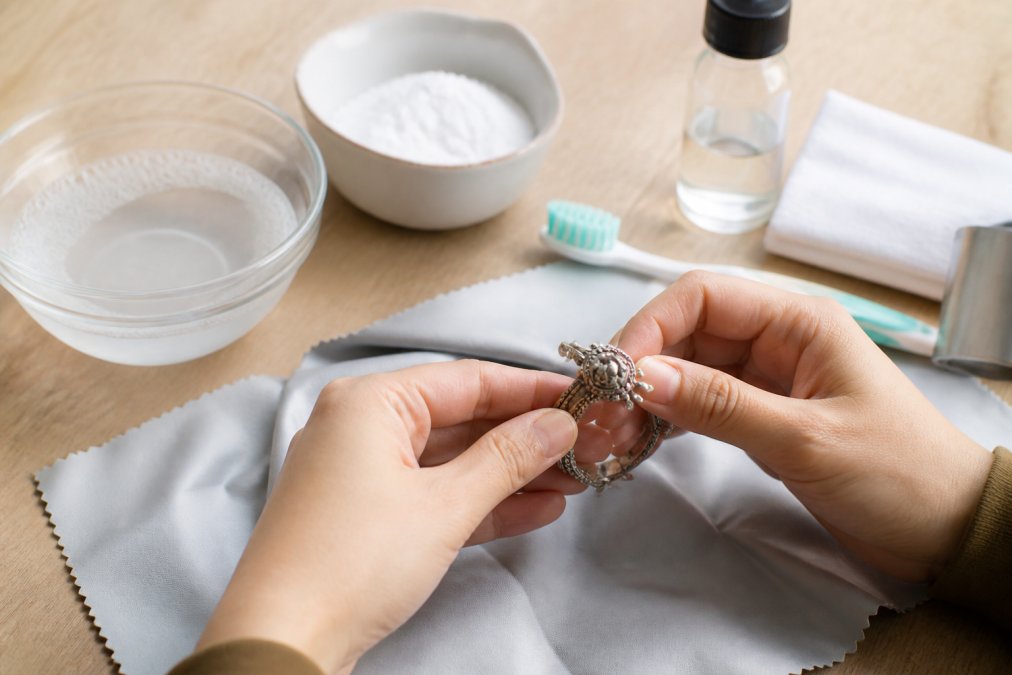
For light tarnish that's just starting to dull your piece, a microfibre polishing cloth is often sufficient. These cloths are specifically designed to remove tarnish without scratching the metal. Gently rub the tarnished areas in circular motions until the shine returns. This method works best on smooth surfaces and is ideal for maintaining handcrafted pieces between deep cleans.
If a cloth alone doesn't work, try this simple method:
- Fill a small bowl with warm (not hot) water
- Add a few drops of mild dish soap
- Place your jewellery in the solution for 5-10 minutes
- Use a soft-bristled toothbrush to gently scrub, paying special attention to textured areas
- Rinse thoroughly under running water
- Dry immediately with a soft cloth
This approach removes light tarnish and soap residue without harsh chemicals. It's particularly effective for handcrafted pieces with intricate details that trap dirt and oxidation.
Deep Cleaning for Heavy Oxidation
For heavily tarnished jewellery, a baking soda paste works effectively. Mix baking soda with a small amount of water to create a thick paste. Apply it to the tarnished areas and gently rub with a soft cloth or soft-bristled brush. The mild abrasive action removes oxidation without damaging the silver underneath.
Alternatively, use the aluminium foil method:
- Line a bowl with aluminium foil, shiny side up
- Fill the bowl with hot (not boiling) water
- Add one tablespoon of baking soda
- Place your jewellery on the foil
- Let it soak for 5-10 minutes (longer for heavy tarnish)
- Remove, rinse thoroughly, and dry immediately
This chemical reaction transfers the tarnish from your silver to the aluminium foil. It's remarkably effective and gentler than scrubbing, making it ideal for delicate handcrafted pieces with fine details.
Never use abrasive commercial silver dips on handcrafted jewellery. These solutions can damage the patina and texture that artisans intentionally create. They're also harsh enough to wear away fine details over repeated use.
Best Way to Store Sterling Silver and Prevent Tarnish
Proper storage is your strongest defence against tarnish. The goal is to minimise exposure to air, moisture, and sulfur compounds.
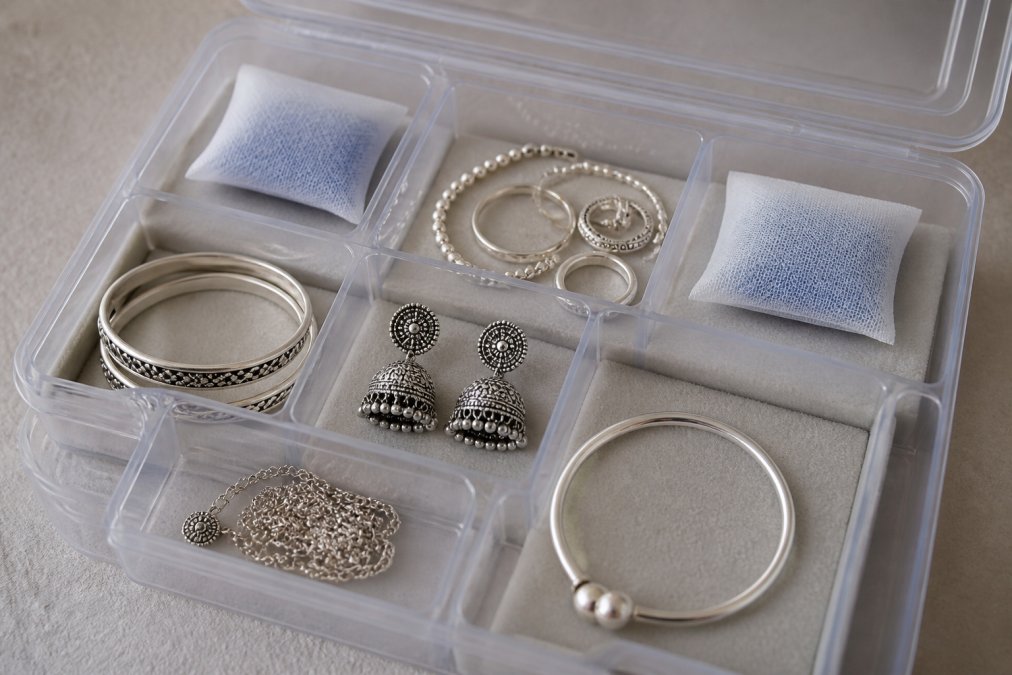
Store your handcrafted silver jewellery in an airtight container. Ziplock bags work adequately, but dedicated jewellery boxes with airtight seals are better. Include silica gel packets inside the container to absorb any residual moisture. These packets are inexpensive and dramatically slow down oxidation.
Avoid storing silver in direct sunlight or in damp environments like bathrooms. Humidity accelerates tarnishing significantly. If you wear your pieces daily, store them in a cool, dry bedroom or living area rather than near sources of moisture.
Separate different pieces to prevent scratching. Handcrafted silver, with its textured surfaces, is more prone to scratching than smooth mass-produced jewellery. Use small pouches or compartments within your storage container to keep pieces from touching.
Some people wrap individual pieces in acid-free tissue paper before storing them. This adds an extra layer of protection, particularly for pieces you wear infrequently.
Practical Tips for Maintaining Handcrafted Silver Jewellery Longevity
Handcrafted pieces require slightly different care than mass-produced alternatives. The artisanal details that make them beautiful also make them more delicate.
When to Remove Your Jewelry
Remove your silver jewellery before showering or bathing. This single habit prevents the majority of tarnish-related problems. It takes seconds but extends the life of your pieces considerably.
Also remove jewellery before:
- Swimming (chlorine and saltwater accelerate oxidation dramatically)
- Exercising (sweat contains salts and acids that speed up tarnishing)
- Applying lotions, perfumes, or makeup (these products leave residue on metal)
- Washing dishes or doing household cleaning (exposure to harsh chemicals and hot water)
- Sleeping (reduces unnecessary friction and pressure on delicate pieces)
Wearing your handcrafted silver during these activities doesn't cause permanent damage, but it significantly accelerates tarnishing and increases the risk of physical damage.
Handcrafted vs Mass-Produced Silver: Durability and Care Differences
Handcrafted silver jewellery, like our pieces at SilverStory, features intricate details, varied textures, and often thinner sections than mass-produced alternatives. This artisanal quality makes each piece unique and beautiful, but it also means the care approach differs.
Mass-produced silver is typically polished smooth and made thicker for durability. It resists tarnish more easily simply because smooth surfaces trap less moisture. Handcrafted pieces, with their hammered textures and detailed work, require more attentive care.
With proper care, handcrafted pieces can last for many years. The investment in prevention, regular cleaning, proper storage, and removing jewellery before water exposure, pays dividends in longevity.
Handcrafted pieces also patina differently. Some artisans intentionally create oxidised finishes that are part of the design. Don't assume all tarnish on a handcrafted piece is unwanted. If your piece has an intentional patina, aggressive cleaning removes the artisan's intended aesthetic.
Conclusion
Handcrafted silver jewellery will tarnish with shower exposure, but tarnish is preventable and reversible. The key is understanding that oxidation is a chemical process triggered by moisture, soap residue, and environmental factors, not inevitable damage. By removing your jewellery before showering, storing pieces properly in airtight containers, and cleaning them with gentle methods when needed, you'll keep your handcrafted pieces looking beautiful for decades.
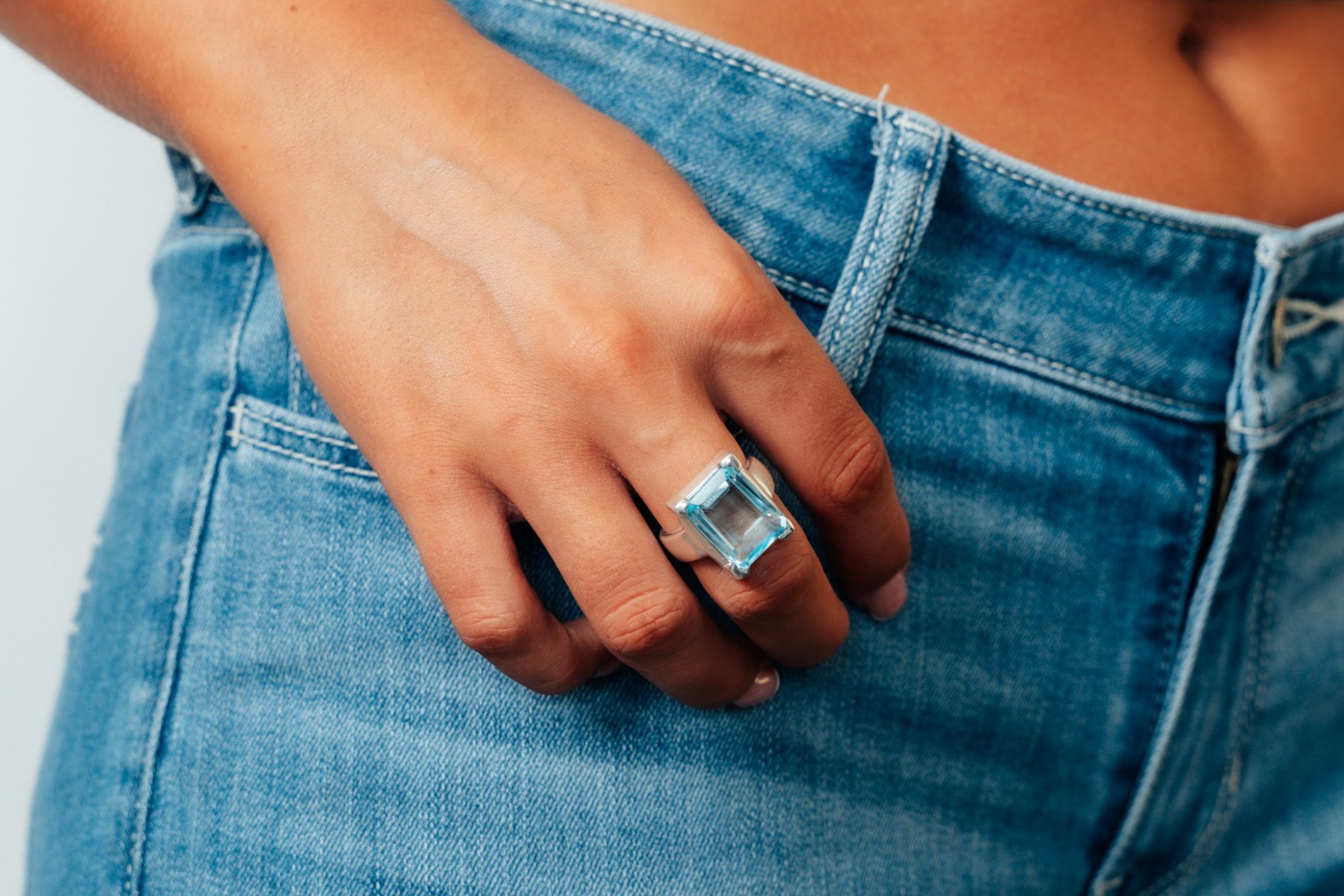
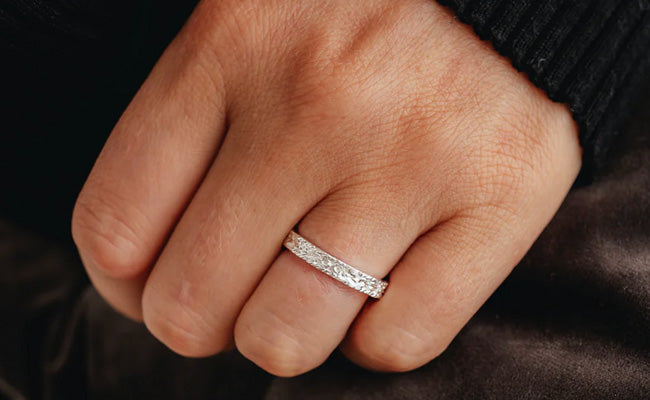
At SilverStory, every piece is handcrafted by skilled artisans using 925 sterling silver. Our Silver Interlinked Circle Necklace and Silver Open Circle Ring are designed to be treasured, not tucked away. With the care strategies in this guide, your handcrafted silver will maintain its lustre and remain a cherished part of your collection for years to come. Start protecting your pieces today, remove them before your next shower and experience the difference proper care makes.


Frequently Asked Questions
Does real silver tarnish if you shower with it?
Yes, real 925 sterling silver will tarnish when exposed to shower conditions. The combination of moisture, soap residue, and shampoo chemicals triggers oxidation of the copper alloy within the silver. While tarnish is reversible and doesn't damage the metal permanently, regular shower exposure accelerates the process. Handcrafted pieces are particularly susceptible because artisans often leave a natural patina that can darken further with moisture exposure. Removing your jewellery before showering significantly extends the time between cleanings.
How does soap and shampoo affect silver jewellery?
Soap and shampoo contain surfactants and chemical compounds that interact with the copper content in 925 silver, speeding up oxidation and tarnish formation. Many shampoos include sulfur-based ingredients and pH-altering agents that create an environment where chemical reactions occur more rapidly on the metal surface. Additionally, soap residue can trap moisture against the jewellery, preventing it from drying properly and creating conditions for corrosion. This is why rinsing thoroughly after any contact with these products and drying immediately is essential for maintaining your handcrafted pieces.
Does 925 silver turn skin green?
925 sterling silver rarely turns skin green on its own. The green discolouration typically comes from copper alloys reacting with skin moisture and sweat, not from the silver itself. However, if your handcrafted jewellery has a high copper content or if the protective coating has worn away, green marks are more likely. This is not harmful, it's simply a chemical reaction between copper and your skin's natural acids. To prevent it, ensure your jewellery is clean and dry before wearing, and consider removing pieces before showering to reduce moisture exposure that can accelerate this reaction.
What's the best way to store sterling silver to prevent tarnish?
Store your handcrafted sterling silver jewellery in an airtight container, such as a sealed jewellery box or ziplock bag, away from direct sunlight and humidity. Keep pieces individually wrapped in soft, lint-free cloth to prevent scratching and to absorb any residual moisture. Avoid storing jewellery in bathrooms where steam and humidity are high. Silica gel packets inside storage containers help absorb moisture and slow oxidation significantly. For pieces you wear regularly, keep them in a cool, dry drawer away from chemical exposure. Proper storage can reduce tarnishing by months or even years.
This article was written using GrandRanker