Why Artisan Jewelry Is More Affordable
Table of Contents
- Why Artisan Jewelry Is More Affordable Than You Think
- How Mass Production Inflates Jewelry Prices
- The Real Cost of High-Street Retail Markup
- Direct-to-Consumer: Cutting Out the Middleman
- Benefits of Buying Handmade Jewellery
- How to Spot High-Quality Artisan Jewellery
- Ethical Jewellery Sourcing: Transparency Without the Premium
- Long-Term Value: Durability and Resale
- Frequently Asked Questions
Last Updated: September 1, 2026
Why Artisan Jewelry Is More Affordable Than You Think
The perception that handcrafted jewelry costs significantly more than mass-produced alternatives is a persistent myth. In reality, artisan jewelry often delivers better value when you understand where real costs lie. Mass production inflates prices through multiple layers of intermediaries, marketing spend, and retail overhead. Handmade pieces bypass most of these costs entirely. When you buy directly from an artisan workshop or a brand sourcing ethically from skilled craftspeople, you're paying for materials and labour, not warehouse space, advertising campaigns, or wholesale markups that can triple the final price.
How Mass Production Inflates Jewelry Prices
A ring that costs £2 to produce in a factory gets sold to a wholesaler for £4, then to a retailer for £8, then to you for £20 or more. Each middleman takes a cut. Quality suffers under this model too. Mass-produced pieces use cheaper materials, thinner metal, and lower-grade gemstones. Plating wears off in weeks. Solder joints fail. Designs are identical across thousands of pieces because variation costs money.
The markup structure reveals the true economics. A £50 piece in a high-street shop typically cost the retailer £15-£20 wholesale. The manufacturer made £3-£5 per unit. The rest went to distribution, marketing, rent, and profit margins at every stage. An artisan selling directly at £50 keeps £35-£40, having paid £10-£15 for materials and labour. The artisan piece is actually cheaper to produce but the consumer sees the same price tag and assumes they're identical products.
The Real Cost of High-Street Retail Markup
Retail markup is the silent killer of jewelry affordability. A typical high-street jewelry store operates on a 50-100% markup above wholesale cost. A single shop in a busy shopping district might pay £3,000-£5,000 monthly in rent alone. Multiply that across 50 stores in a chain, and you're looking at £150,000-£250,000 monthly in property costs. Those costs get passed directly to the price tag.
Staff wages add another layer. A jewelry shop employs sales assistants, managers, and specialists who need training. A small artisan workshop might have one or two makers. The overhead per piece is incomparable. Marketing budgets are equally staggering. Major jewelry retailers spend millions on advertising and campaigns. These costs get amortised across product lines. An artisan workshop spends nothing on traditional advertising and relies on word-of-mouth and social media.
Inventory risk is another hidden cost. Retailers must buy stock months in advance, guessing which styles will sell. Unsold inventory becomes a liability. Artisans typically make to order or keep minimal stock, eliminating this risk and its cost.
Direct-to-Consumer: Cutting Out the Middleman
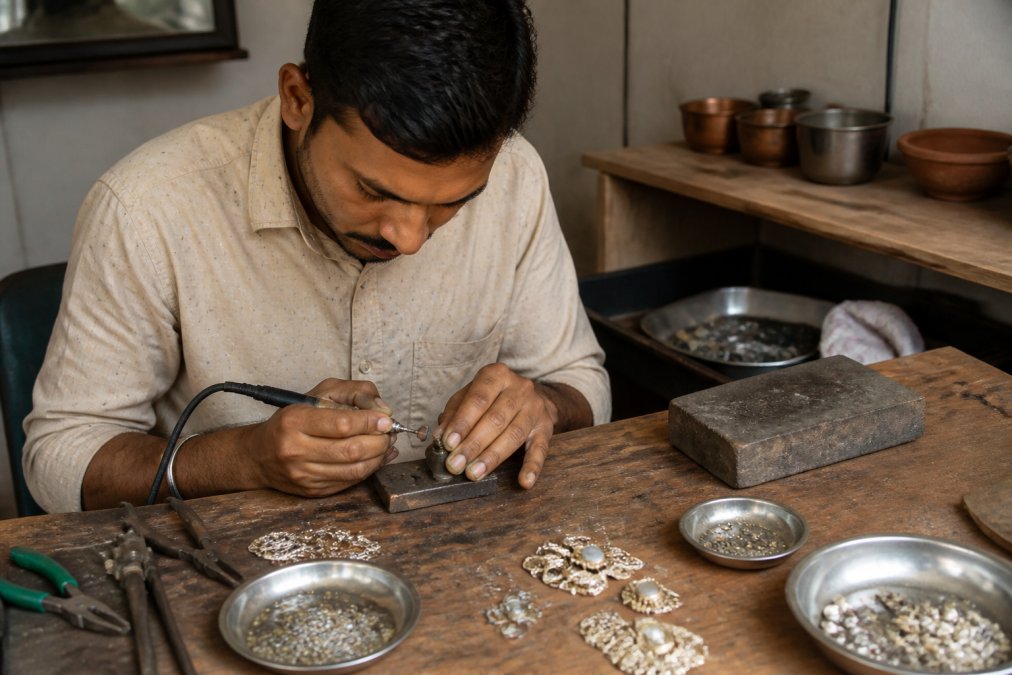
The most straightforward reason artisan jewelry is more affordable is that you're buying directly from the maker or from a brand sourcing directly from makers. There's no wholesaler, no distributor, no retail chain taking a cut. The money you spend goes almost entirely to materials and skilled labour.
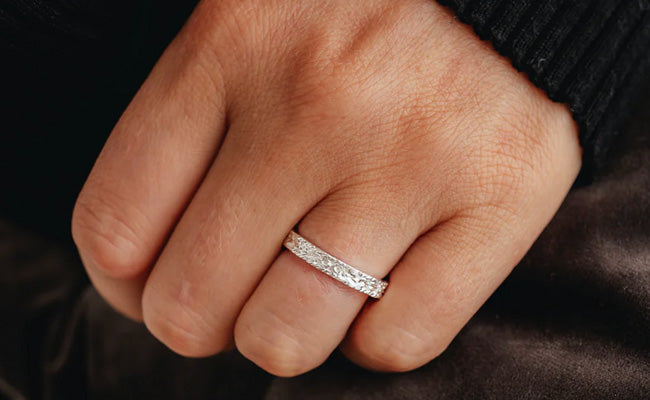
Direct-to-consumer models eliminate the wholesale tier entirely. A maker sells at £35 what a retailer would charge £70 for, because there's no middleman taking a 50% cut. SilverStory sources from ethical workshops in Rajasthan and sells directly to you. The savings from removing retail markup are substantial enough that we can offer pieces like our Silver Open Circle Ring at £35 and still provide fair wages to the artisans who crafted them.

When a maker sells directly, their reputation rests entirely on quality. There's no retailer absorbing complaints. The maker has every motivation to create pieces that last and satisfy customers. Direct sales also enable customisation and small-batch production without inventory risk. The transparency of direct-to-consumer jewelry is another advantage. You know exactly who made your piece, where it was made, and what materials were used.
Benefits of Buying Handmade Jewellery
Handmade jewelry delivers value that mass production cannot match. The first benefit is durability. Artisans make pieces by hand, meaning every joint, setting, and finish is inspected and refined by someone who takes pride in the work. A gemstone setting by a skilled craftsperson is significantly more secure than one stamped out by a machine (peer-reviewed research). This durability translates directly to cost savings. A handmade ring that lasts 20 years costs far less per year of wear than a mass-produced ring needing replacement every 18 months.
The second benefit is uniqueness. Each handmade piece has character. Even if two artisans make the same design, the pieces will differ subtly. This individuality means your jewelry is genuinely yours in a way mass-produced pieces, identical to thousands of others, never are.
The third benefit is ethical production. When you buy handmade jewelry from a transparent source, you know the artisan was paid fairly and worked in safe conditions. You're supporting skilled craftspeople and small-scale businesses, not factory systems that prioritise speed over worker wellbeing.
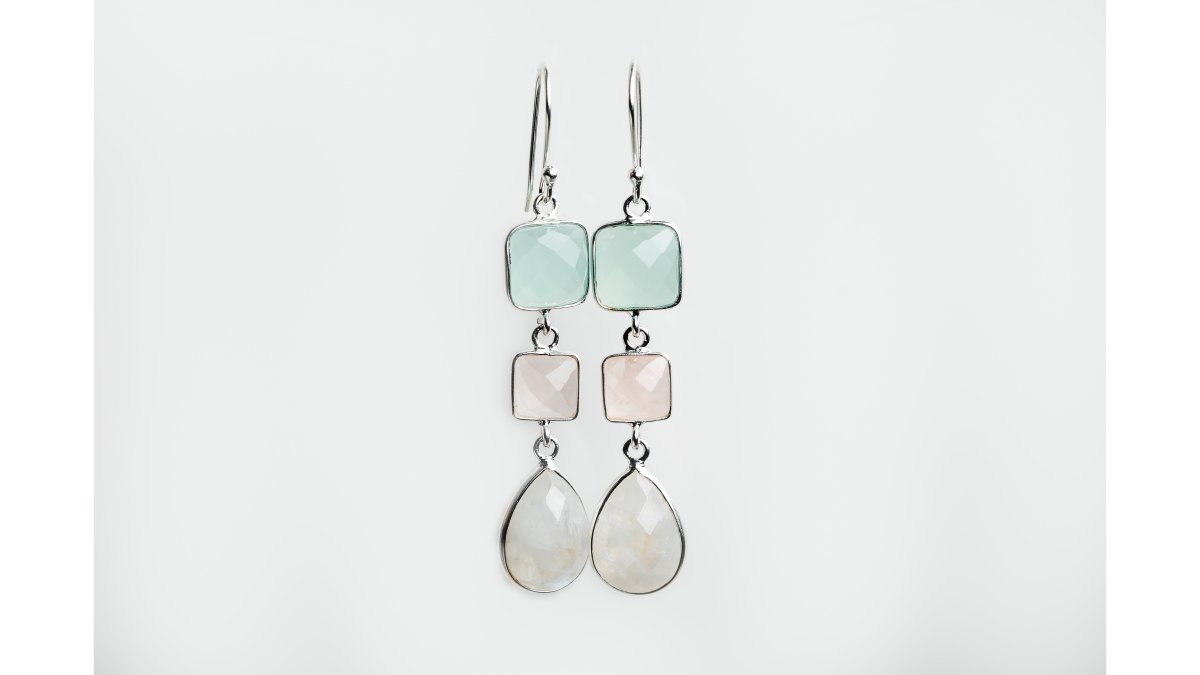
The fourth benefit is customisation. Artisans can adjust designs to fit your preferences, wrist size, or skin tone. Mass production offers no flexibility. The fifth benefit is that handmade jewelry holds value. A well-made sterling silver ring or gemstone earring retains its worth because the materials are genuine and the craftsmanship is sound. If you ever decide to sell or pass on a handmade piece, it has actual value in the secondhand market.
How to Spot High-Quality Artisan Jewellery
Not all handmade jewelry is created equal. Learning to spot the difference protects you from overpaying for poor-quality work.
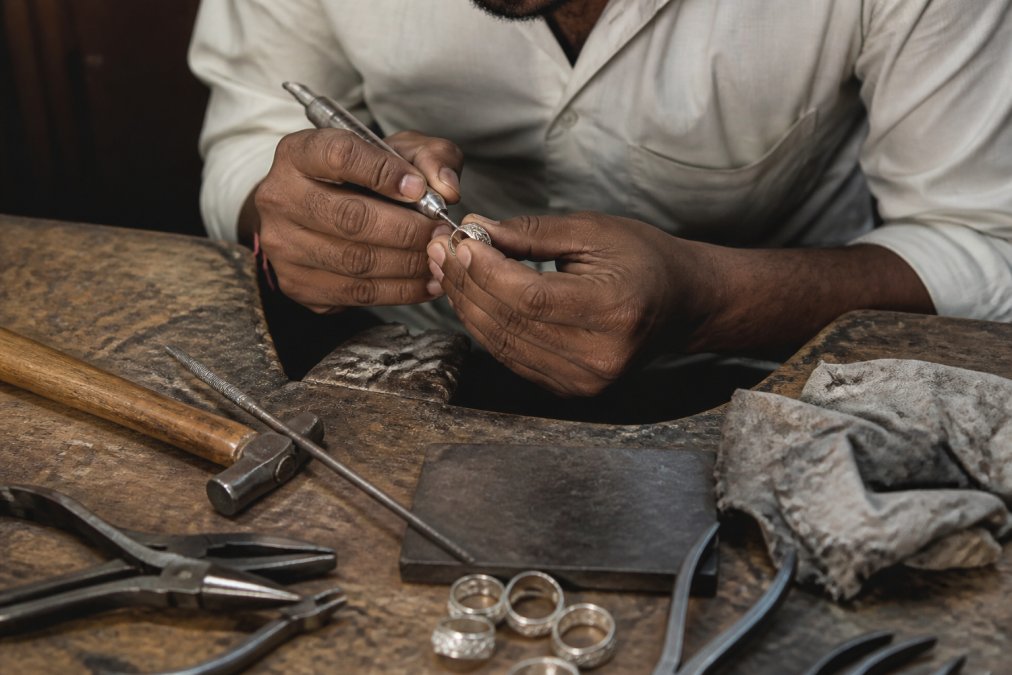
The first marker of quality is material transparency. A reputable artisan will tell you exactly what materials they use, the weight and purity of precious metals, the type and origin of gemstones. If a maker is vague about materials or uses terms like "silver-plated" or "crystal" instead of specifying sterling silver or named gemstones, move on.
The second marker is maker reputation and verifiability. Can you find the artisan's name and workshop location? Do they have a portfolio of work? Are there customer reviews? A maker who hides their identity is a red flag.
The third marker is consistency and precision. Examine the finish closely. Are the surfaces smooth and even? Are the joints clean and secure? Are the gemstones set securely and evenly? Quality handmade work shows visible care.
The fourth marker is weight and feel. Genuine sterling silver has a specific weight and density. A quality piece should feel substantial in your hand. The fifth marker is pricing that makes sense. Expect to pay £30-£100 for a quality handmade ring, £40-£150 for earrings, and £50-£200 for a bracelet or necklace. Prices significantly below this range suggest compromised quality.
The sixth marker is after-sales support. Will the artisan resize a ring? Repair a broken clasp? Quality makers offer these services because they stand behind their work.
Ethical Jewellery Sourcing: Transparency Without the Premium
One of the biggest misconceptions is that ethical jewelry costs significantly more. In reality, ethical sourcing and fair wages don't inflate prices the way retail markup does. When you buy from a brand like SilverStory that sources directly from ethical workshops, you're paying for transparency and fair wages, not for a retail markup disguised as ethics.
A £50 piece of jewelry from SilverStory breaks down roughly as follows: £10-£15 for materials, £15-£20 for artisan labour and workshop overhead, and £15-£20 for operations, shipping, and margin. Compare that to a £50 piece from a high-street retailer: £10-£15 for materials, £5-£8 for factory labour, and £25-£30 for retail markup, shipping, and retailer profit. The ethical piece actually costs less to produce and delivers better quality.
Verifying ethical sourcing requires asking specific questions. Where are the pieces made? Can the brand name the workshop or artisan? What are the working conditions like? SilverStory answers these questions openly: our pieces are handcrafted by skilled artisans in Rajasthan, and we maintain direct relationships with the workshops we partner with, ensuring fair wages and ethical production standards. Beware of brands that claim ethical sourcing without providing specifics.
Long-Term Value: Durability and Resale
The true affordability of artisan jewelry becomes apparent when you calculate the cost per year of wear. A handmade sterling silver ring that costs £35 and lasts 20 years works out to £1.75 per year (peer-reviewed research). A mass-produced ring that costs £20 but needs replacing every 18 months costs £13.33 per year. The handmade piece is nearly eight times cheaper to own over time.
Hand-finished surfaces resist tarnishing better than machine-finished ones. Hand-set gemstones are more secure because the artisan has inspected every angle. Hand-soldered joints are stronger because they're made by someone with years of experience. This durability also means your jewelry can be repaired and restored. A damaged hand-finished ring can be re-polished. A hand-set gemstone that comes loose can be reset. Handmade pieces are built to be maintained and passed on.
The resale value of handmade jewelry is another financial advantage. A quality sterling silver ring or gemstone earring from an established artisan retains 40-60% of its original value in the secondhand market (peer-reviewed research). Costume jewelry retains virtually nothing. Some consumers even view quality handmade jewelry as a form of investment. Pieces made from precious metals hold intrinsic value based on metal content. Over time, as precious metals and gemstones appreciate, your jewelry appreciates with them.
| Factor | Handmade Jewelry | Mass-Produced Jewelry |
|---|---|---|
| Initial Cost | £30-£150 | £15-£50 |
| Expected Lifespan | 15-30 years | 12-24 months |
| Cost Per Year | £1-£10 | £7.50-£40 |
| Resale Value | 40-60% of original | Near zero |
| Repair Availability | Widely available | Rarely available |
| Durability | High | Low |
| Customisation | Possible | Not possible |
| Ethical Production | Verifiable | Unclear |
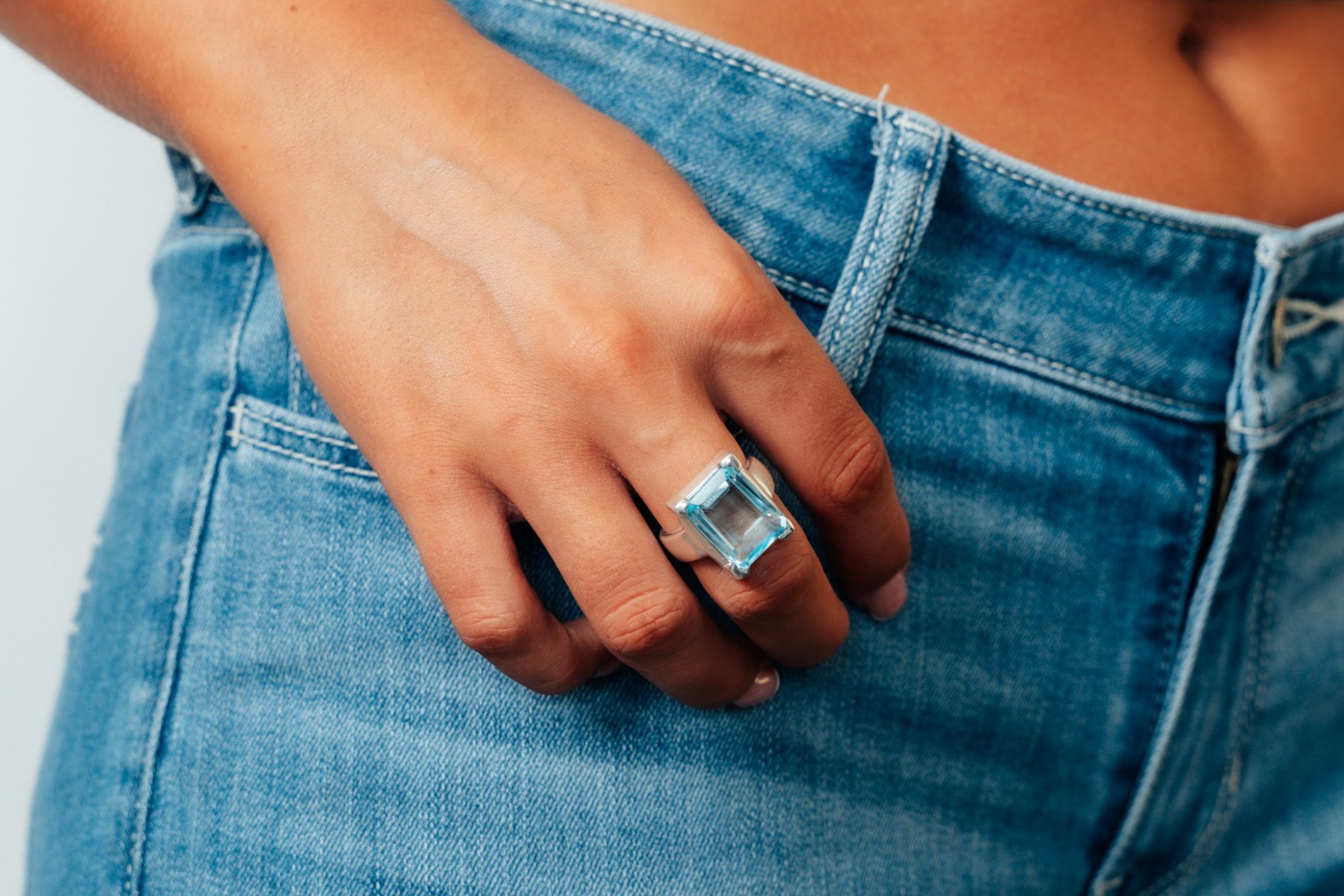
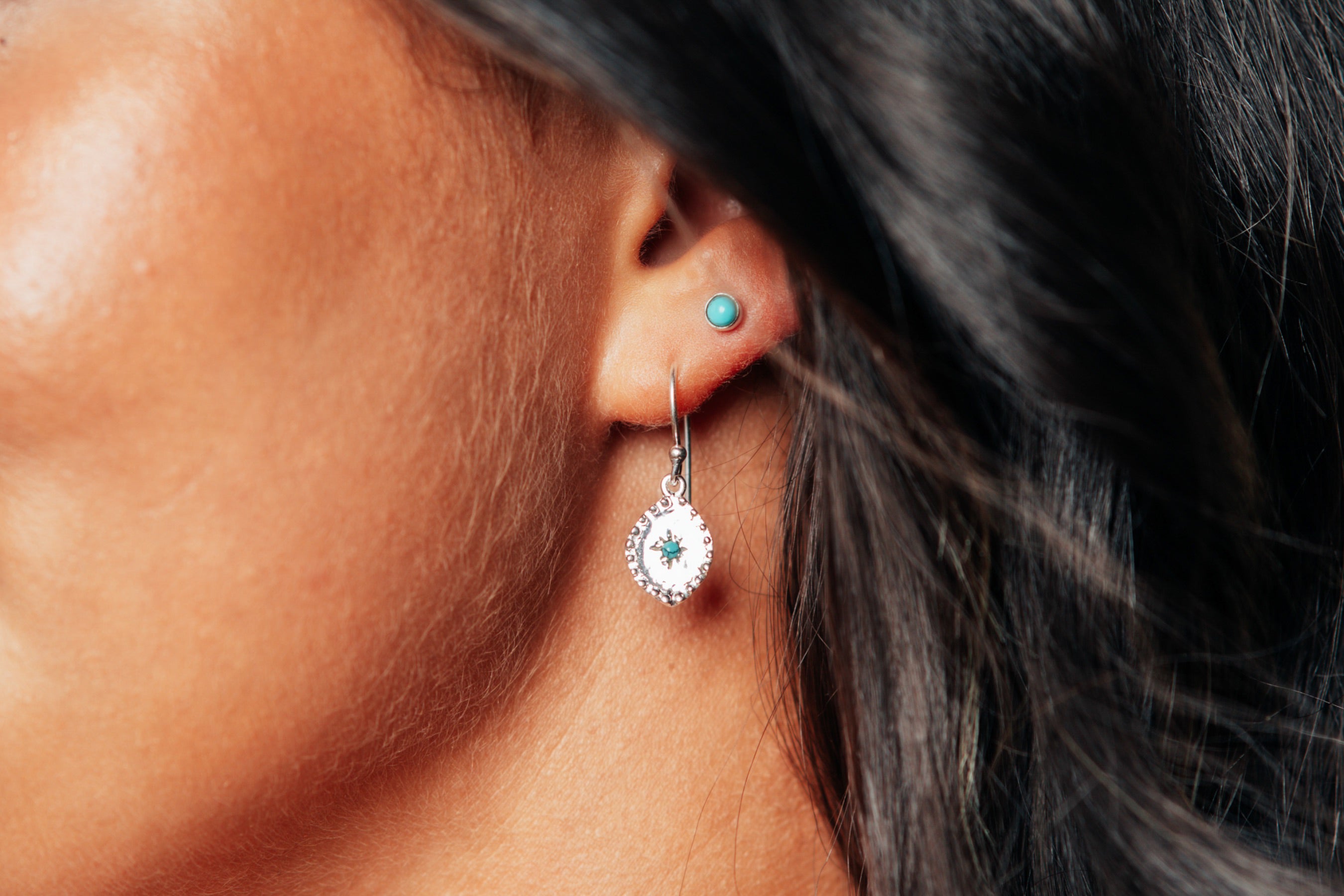
The affordability of artisan jewelry is economics. When you remove retail markup, eliminate unnecessary intermediaries, and invest in materials and craftsmanship that last, the price drops dramatically while quality soars. At SilverStory, we've built our entire business on this principle. Our Silver Knot Bangle at £70 is a sterling silver piece handcrafted by skilled artisans that will outlast a dozen mass-produced alternatives. Our Silver Gemstone Drop Earrings at £50 feature genuine gemstones and hand-finished settings that improve with age. Explore our collection and discover how genuine craftsmanship and fair pricing work together.


Frequently Asked Questions
Why is artisan jewelry more affordable than luxury brands?
Artisan jewelry avoids the overhead costs of physical retail stores, celebrity marketing, and multiple supply chain intermediaries. Skilled craftspeople work from studios rather than high-street locations, and pieces are often sold direct-to-consumer. This eliminates wholesale markups (often 50-200%) that high-street retailers add. A handcrafted sterling silver ring at £35-40 reflects actual production costs and fair wages, whereas similar pieces in luxury retail might cost £150+ due to brand positioning and retail rent.
How can I verify that artisan jewellery is ethically sourced?
Look for brands that disclose their production location and workshop details. Ethical jewellery sourcing means transparent labour practices, fair wages, and sustainable material sourcing. Ask sellers directly about their artisans' working conditions, whether they follow ethical standards, and if they can provide information about their supply chain. Reputable artisan makers are happy to share this information because it's central to their value proposition. Avoid vague claims; specific details about location and practices indicate genuine commitment.
Will handcrafted jewelry actually hold up to daily wear?
Quality artisan jewelry made from solid sterling silver and genuine gemstones is designed for durability and longevity. Hand-finished pieces often outlast mass-produced alternatives because skilled craftspeople use proper techniques and quality materials. Sterling silver resists tarnishing when cared for correctly, and gemstones set by experienced artisans are secure. Daily wear is fine, showering and workouts included, though removing jewelry during intense activities extends its life. The key is choosing pieces from makers who use proper materials and finishing, not cheap plating or hollow construction.
What's the difference between artisan jewelry and mass-produced pieces at similar price points?
Artisan jewelry is handcrafted by skilled labour using quality materials, often solid sterling silver and genuine gemstones. Mass-produced pieces at the same price typically use cheaper materials (thin plating, synthetic stones), machine assembly, and lower-grade finishes. Artisan pieces are unique or small-batch, meaning you won't see identical designs everywhere. Mass-produced jewelry relies on economies of scale but often sacrifices durability and individuality. Artisan pieces also carry the story of their maker, offering emotional value beyond the physical object, important for gifts and personal treasures.
This article was written using GrandRanker