Is Artisan Silver Jewellery Worth It? A 2026 Guide
Table of Contents
- What Makes Artisan Silver Jewellery Different
- Why Is Handcrafted Jewellery More Expensive
- Durability and Longevity of Sterling Silver
- How to Identify Authentic Sterling Silver
- Hallmarking Requirements for Silver Jewellery
- Investment Value and Resale Potential
- The Ethical and Sentimental Case for Artisan Pieces
- Is Artisan Silver Jewellery Right for You
What Makes Artisan Silver Jewellery Different
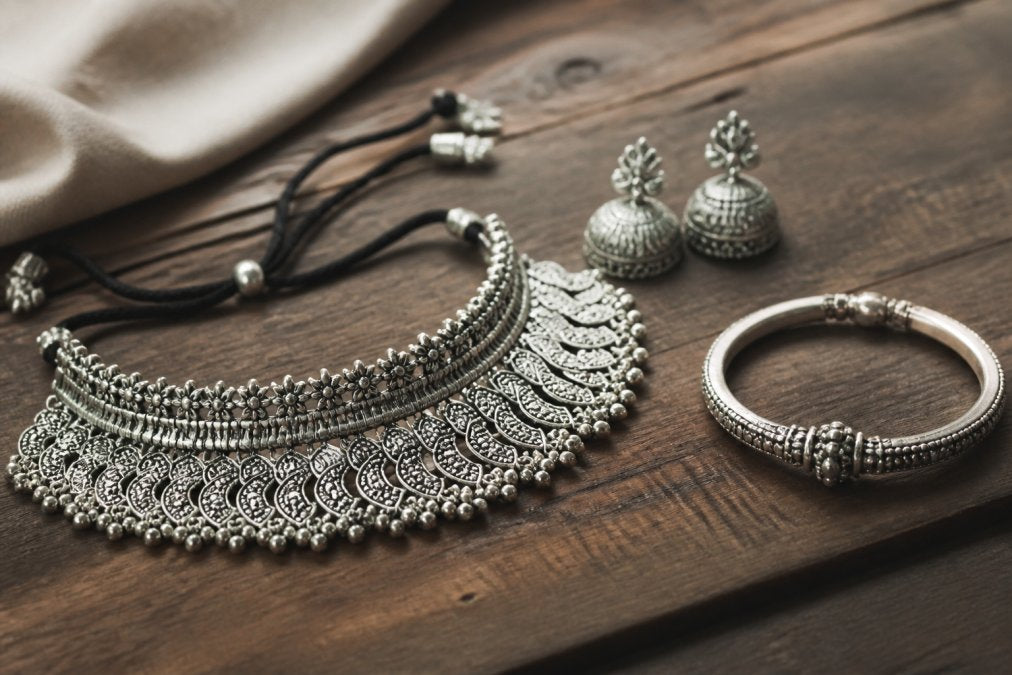
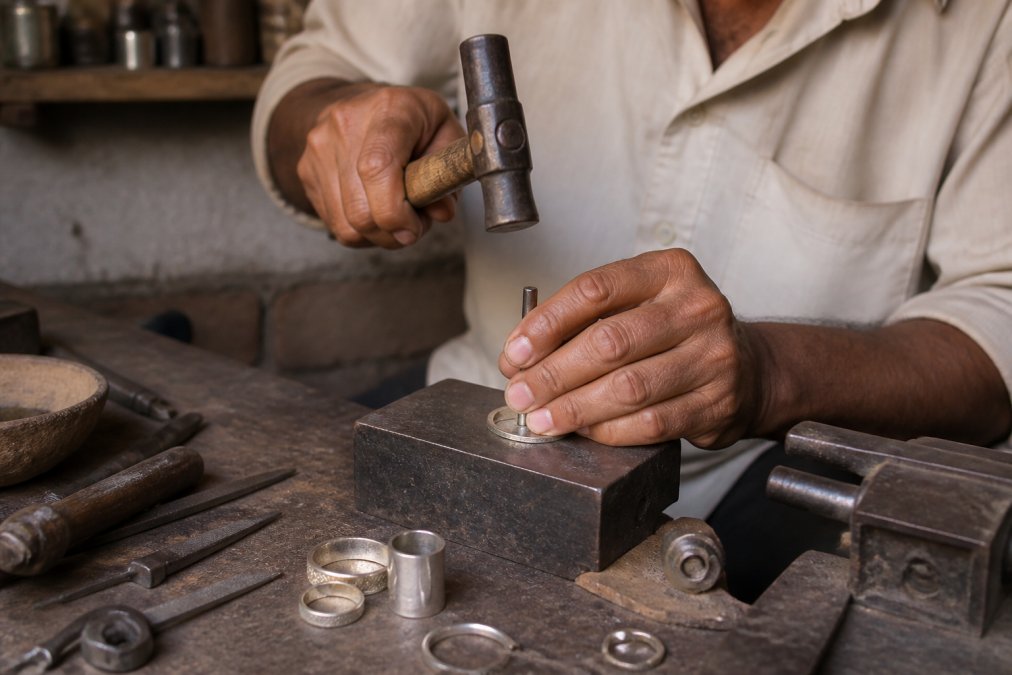
Artisan silver jewellery stands apart from mass-produced alternatives because each piece is handcrafted by skilled metalworkers, carrying the mark of human skill and intention. Unlike factory-produced jewellery stamped out by machines, artisan pieces emerge from individual creative decisions, the angle of a hammer strike, the depth of an engraving, the organic flow of a hand-shaped curve.
When you purchase artisan silver jewellery, you're investing in labour-intensive craftsmanship that cannot be replicated by industrial processes. A silversmith working on a single bangle might spend hours perfecting its form, whereas a factory produces hundreds in the same timeframe. SilverStory's approach exemplifies this commitment, with each piece handcrafted by skilled artisans in Rajasthan, ensuring no two items are identical. The British Hallmarking Council's guidance on precious metals emphasises that authentic handcrafted work carries distinctive marks reflecting the maker's individual technique.
Handcrafted jewellery features organic shapes, subtle asymmetries, and textured surfaces that mass production cannot achieve. These imperfections are markers of authenticity, a perfectly uniform silver bangle suggests machine production, while slight variations in weight distribution or surface texture indicate genuine metalsmithing.
Why Is Handcrafted Jewellery More Expensive
The cost difference between artisan and mass-produced silver jewellery reflects real differences in production methods. A handcrafted ring requires a skilled metalworker to spend considerable time shaping, finishing, and perfecting every detail, whereas a factory-made equivalent can be produced in a fraction of that time using automated machinery.
Labour costs form the primary driver of price difference. A silversmith earning fair wages in Rajasthan, where SilverStory sources its pieces, requires compensation reflecting their skill and experience. Artisans have often spent years mastering their craft, commanding prices that mass-market production cannot match. Material costs also differ, artisan makers often source higher-quality sterling silver and work with fewer waste byproducts than industrial manufacturers.
The ethical dimension adds further cost. Pieces made through fair-trade practices, with transparent supply chains and documented artisan wages, inherently cost more than items produced in exploitative conditions. The Ethical Trading Initiative's standards for fair wages outlines minimum requirements for artisan compensation that directly increase production costs. Additionally, artisan pieces often feature bespoke or limited-edition designs created specifically for small production runs, with design work and prototyping factored into each piece's cost.
Durability and Longevity of Sterling Silver
Sterling silver is remarkably durable when properly cared for. The alloy standard, 92.5% pure silver mixed with 7.5% copper or other metals, creates a material that resists damage whilst maintaining beauty. Pieces from hundreds of years ago remain in wearable condition today.
The longevity of sterling silver depends on the quality of initial metalwork. Artisan pieces made with proper techniques, correct annealing, appropriate wall thickness, and secure joinery will outlast poorly made items regardless of material. A handcrafted sterling silver bangle made by a skilled metalworker will likely outlive mass-produced alternatives by decades.
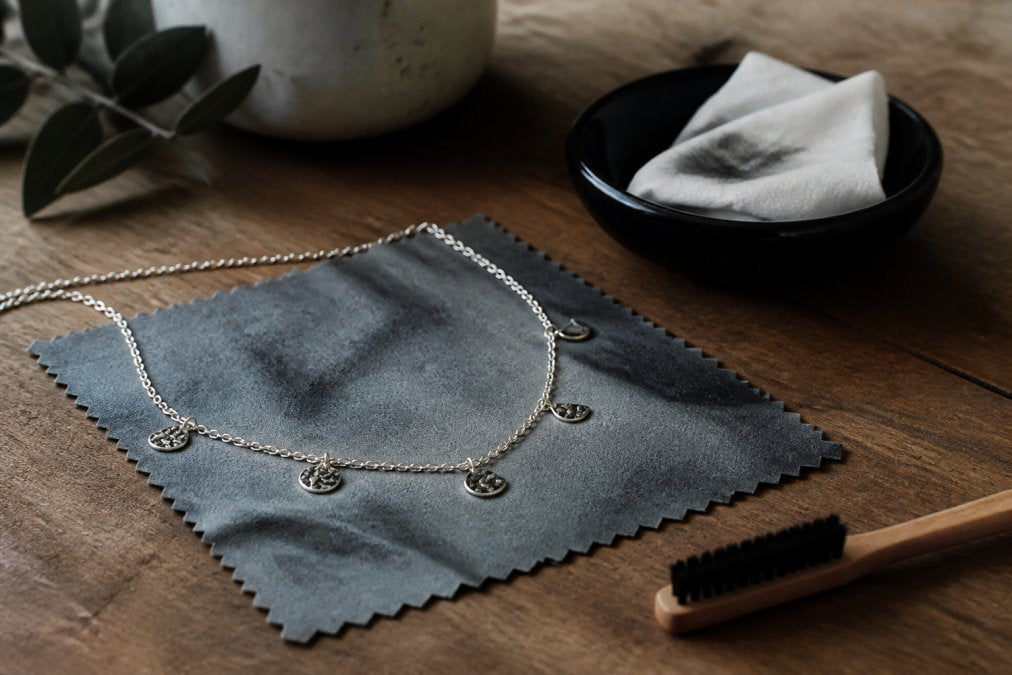
Tarnish is often cited as a durability concern, but it's actually a reversible surface phenomenon that doesn't affect the underlying metal. Sterling silver tarnishes when exposed to sulphur compounds in air and moisture, but a simple polish restores the shine. Many people prefer the patina that develops on artisan pieces, viewing it as evidence of age and authenticity. Daily wear poses no threat to sterling silver jewellery, showering, exercising, or wearing it constantly won't damage the metal itself. The International Organization for Standardization's standards for precious metal durability confirms that sterling silver maintains structural integrity through normal wear patterns across decades.
Repairability is where artisan silver jewellery demonstrates genuine long-term value. A damaged handcrafted piece can be professionally repaired, resized, or modified by any competent silversmith. Mass-produced jewellery often cannot be resized or repaired economically, as the manufacturing technique makes alterations impractical. A SilverStory bangle can be adjusted or refurbished by a jeweller if needed, extending its life indefinitely.
How to Identify Authentic Sterling Silver
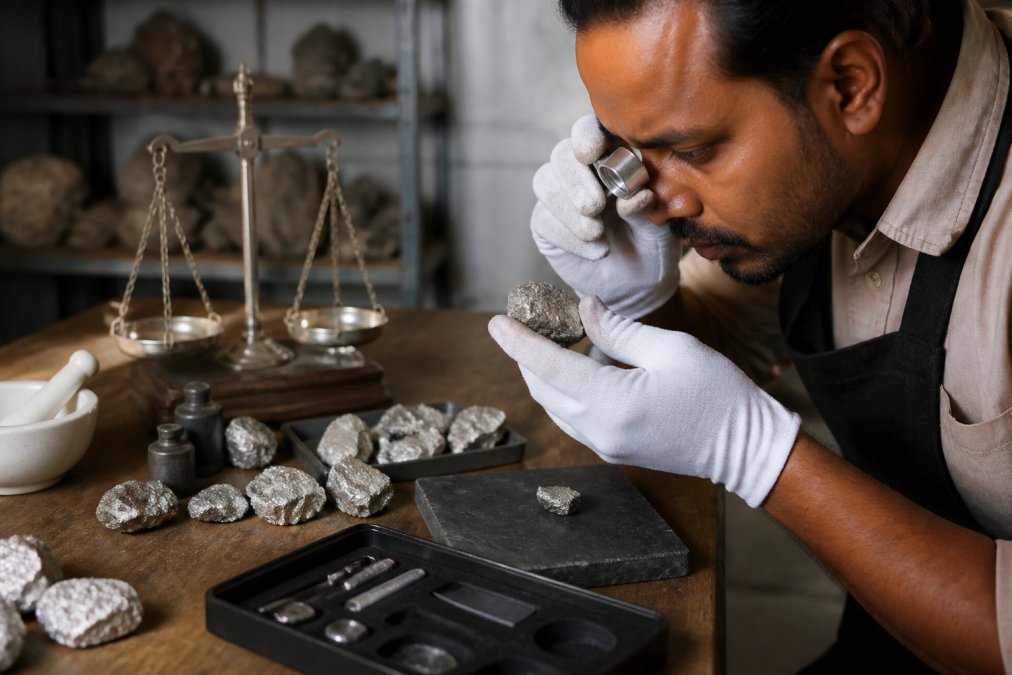
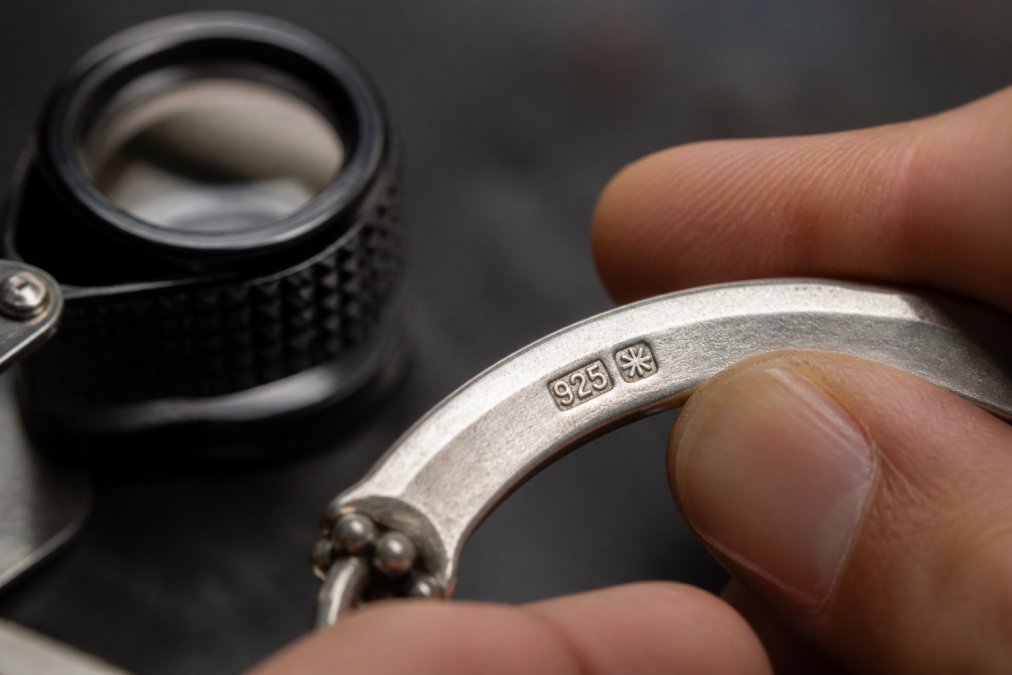
The most reliable indicator of genuine sterling silver is the hallmark, an official stamp certifying metal content and maker identity. In the UK, hallmarking is a legal requirement for silver items above a certain weight threshold, regulated by the UK Hallmarking Council's requirements for precious metals.
The hallmark typically includes the fineness mark (925 for sterling silver), the maker's mark, the assay office mark, and the date letter. Each element provides verifiable information about the piece's origin and composition. If a piece claims to be sterling silver but lacks a hallmark, it should raise questions.
Weight and density offer a practical check. Sterling silver is relatively dense and feels substantial for its size. If a piece feels unusually light, it may be silver-plated rather than solid sterling. The price point is also informative, genuine artisan sterling silver jewellery costs significantly more than costume jewellery or silver-plated alternatives. The Consumer Association's guidance on jewellery purchasing recommends checking hallmarks and asking for documentation before purchasing from unfamiliar makers.
Ask makers about their process. Legitimate artisans can describe their techniques, material sourcing, and hallmarking procedures. Vague responses about origin or construction should prompt caution.
Hallmarking Requirements for Silver Jewellery
Hallmarking is a legal requirement in the UK for silver items. Any silver jewellery item weighing more than 7.78 grams must be hallmarked by law, certifying that the piece meets the required fineness standard of 925 parts per thousand for sterling silver.
The hallmark includes four essential components: the fineness mark (925) indicating silver content, the maker's mark identifying the workshop or artisan, the assay office mark showing which of the UK's four assay offices (London, Birmingham, Sheffield, or Edinburgh) certified the piece, and the date letter indicating the year of hallmarking.
These marks are applied by independent assay offices, not by the maker themselves. This independence provides consumer protection through third-party verification that the silver content is genuine. The UK Hallmarking Council's legal requirements for precious metals outlines these standards in detail. For artisan makers like those producing SilverStory pieces, hallmarking is an integral part of the production process, adding time and cost but providing non-negotiable certification for legitimate work.
Investment Value and Resale Potential
The resale market for artisan silver jewellery operates differently than many expect. Sterling silver itself has commodity value, the metal can always be melted down and sold by weight. However, the value of artisan pieces extends far beyond their material content.
A handcrafted piece by a recognised artisan commands a resale premium. The craftsmanship, design, and maker's reputation all contribute to value beyond raw silver. Pieces from established artisan makers often hold their value better than mass-produced alternatives because they're viewed as having artistic merit.
The cost-per-wear analysis reveals another dimension of investment value. A £70 artisan bangle worn regularly for five years costs £2.80 per wear. Over twenty years, it costs £0.70 per wear. Compare this to a £15 mass-produced piece that deteriorates within two years, costing £7.50 per wear for the same period. Durability and longevity make artisan pieces economically sensible long-term investments.
Sentimental value often exceeds monetary value for artisan jewellery. A handcrafted piece given as a milestone gift becomes an heirloom, its meaning to the wearer transcending market value. The secondary market for artisan silver jewellery remains relatively niche but is growing, with pieces featuring clear maker identification, hallmarking documentation, and good condition commanding stronger prices.
The Ethical and Sentimental Case for Artisan Pieces
Supporting artisan makers carries ethical weight that mass production cannot match. When you purchase handcrafted jewellery from ethical sources, you're directly supporting skilled workers and their communities. The artisans creating pieces for SilverStory in Rajasthan benefit from fair wages, safe working conditions, and the preservation of traditional metalworking skills.
Industrial manufacturing often involves exploitative labour practices and environmental damage. Artisan production, when properly managed, avoids these harms. The maker-to-consumer relationship provides transparency that mass production cannot offer.
A piece made by an individual artisan carries the maker's intention and skill. When you wear it, you're wearing something created through human effort and creativity, differing fundamentally from wearing an identical item produced by thousands of others. Gifting artisan jewellery carries particular weight, it signals that you valued the recipient enough to seek out something distinctive and carefully made.
Supporting artisan makers helps preserve traditional crafts and ensures that future generations can learn and practice these skills. This cultural preservation has value beyond individual pieces.
Is Artisan Silver Jewellery Right for You
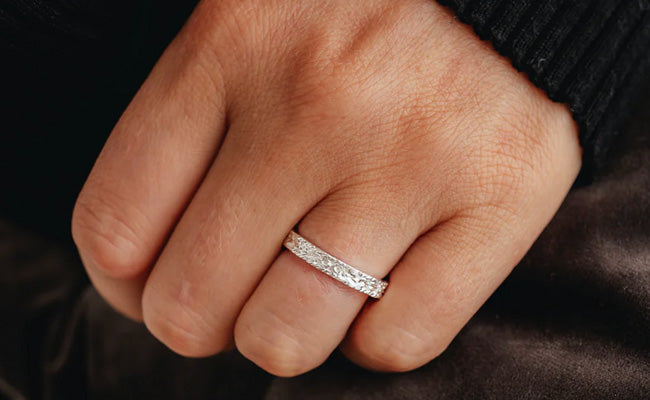
Determining whether artisan silver jewellery suits your needs requires honest assessment of several factors. Consider your lifestyle first. If you prefer minimalist pieces that work across multiple outfits and occasions, artisan work often excels here. The Silver Open Circle Ring from SilverStory (£35.00) exemplifies this, a simple, elegant design that complements countless styles.

Your budget matters significantly. Artisan pieces cost more than mass-produced alternatives, but they deliver proportional value through durability and uniqueness. If you buy one quality piece per year rather than several disposable items, artisan jewellery becomes economically sensible.
Commitment to care is another consideration. Artisan pieces require basic maintenance, occasional polishing to manage tarnish and careful handling to avoid damage. If you're willing to invest minimal effort in maintaining your jewellery, artisan work rewards that care.
The gifting context often clarifies the decision. Artisan jewellery excels as a meaningful gift for someone special, signalling thoughtfulness and care. For milestone moments or people you know well, artisan pieces typically resonate more deeply.
Your values matter too. If ethical sourcing, supporting small makers, and preserving traditional crafts align with your priorities, artisan jewellery becomes a natural choice. Consider the Silver Knot Bangle from SilverStory (£70.00) as a practical example, it's handcrafted, durable enough for daily wear, versatile enough to work with most styles, and priced reasonably for an artisan piece.

| Factor | Artisan Silver | Mass-Produced Silver |
|---|---|---|
| Durability | 20+ years with care | 2-5 years typical |
| Uniqueness | Every piece different | Identical reproductions |
| Repairability | Full resizing/repair possible | Often non-viable |
| Ethical sourcing | Verifiable with proper makers | Often exploitative |
| Cost per wear | £0.70-2.80 annually | £5-15 annually |
| Resale value | Holds value if maker recognised | Minimal secondary market |
| Maintenance | Occasional polishing | Low-maintenance |
| Emotional connection | High sentimental value | Disposable feel |
Artisan silver jewellery offers genuine value that extends beyond aesthetics. The durability, uniqueness, ethical production, and emotional significance combine to create something fundamentally different from mass-produced alternatives. If you're drawn to handcrafted work, ethical sourcing, and pieces that develop character over time, artisan silver jewellery deserves serious consideration. Start with something versatile like the Silver Open Circle Ring or Silver Knot Bangle from SilverStory, these pieces demonstrate the quality and craftsmanship that justify the investment and will likely become pieces you wear and treasure for years to come.
Frequently Asked Questions
Does artisan silver jewellery tarnish faster than mass-produced pieces?
No. Genuine 925 sterling silver tarnishes at the same rate regardless of whether it's handcrafted or factory-made. Tarnishing is a natural chemical reaction when silver oxidises in air and moisture. Artisan pieces often develop a patina that many wearers find attractive. Regular cleaning with a soft cloth or silver polish keeps both types looking bright. The difference lies in repairability: artisan jewellery can be professionally restored by a silversmith, whereas mass-produced costume jewellery often cannot.
What type of silver is best for long-lasting jewellery?
Sterling silver (925 silver) is the industry standard for durable jewellery. This means the piece contains 92.5% pure silver and 7.5% other metals, typically copper, which adds strength. Look for the 925 hallmark stamped on the piece. Avoid silver plate or silver-plated items if you want longevity; these have only a thin coating over base metal and wear away with daily wear. Artisan makers typically work exclusively in sterling silver or higher purities, making their pieces inherently more durable than costume alternatives.
How can you tell if silver jewellery is high quality?
Check for the 925 hallmark, which guarantees sterling silver content in the UK. Examine the craftsmanship: seams should be smooth, joints secure, and weight appropriate for the size. High-quality artisan pieces often feel heavier than mass-produced equivalents because they use solid sterling silver throughout. Ask about the maker's background and materials sourcing. Reputable artisans provide information about their process and can explain why their pricing reflects the labour and materials involved. Test magnetism: sterling silver is non-magnetic, so it shouldn't stick to a magnet.
Is handmade silver jewellery a good investment?
Artisan silver jewellery holds value better than costume jewellery but should be viewed primarily as a sentimental or wearable asset rather than a financial investment. Sterling silver has intrinsic material value; pieces can be melted down or resold on secondary markets, typically recovering 40-60% of the original purchase price depending on design and condition. Investment potential increases if the piece is from an established maker, features unique design, or becomes a milestone gift. Consider cost-per-wear: a £70 bangle worn regularly for five years costs just £2.80 per wear, making it excellent value regardless of resale potential.
What does 'artisan jewellery' actually mean?
Artisan jewellery refers to pieces handcrafted by skilled makers, typically in small batches or individually, rather than mass-produced in factories. Each piece is shaped, finished, and assembled by hand, often using traditional metalworking techniques. Artisan makers maintain control over design, materials, and quality throughout production. This contrasts with mass-produced jewellery, where moulds, machines, and assembly lines dominate. Artisan pieces often feature organic shapes, visible craftsmanship marks, and unique variations that factory production cannot replicate. True artisan work supports individual craftspeople and often involves ethical sourcing and fair labour practices.
This article was written using GrandRanker