Best Tips for Daily Wear Jewellery: Care & Style
Table of Contents
- Choosing the Right Pieces for Daily Wear Jewellery
- Best Metals for Everyday Jewellery
- How to Tell if Silver is Real
- Styling Techniques for Everyday Elegance
- How to Clean Silver Jewellery at Home
-
Durability and Longevity for Daily Wear
- Clasp security and comfort-fit designs
- [Cost-per-wear analysis for smart investment](#cost-per-wear-analysis for smart investment)
- Storage and Travel Hacks
- Conclusion
Last Updated: August 21, 2026
Choosing the Right Pieces for Daily Wear Jewellery
The best daily wear jewellery starts with three decisions: design simplicity, material durability, and honest assessment of your lifestyle. You're building a foundation of versatile pieces that work with everything in your wardrobe and survive actual wear and tear, not statement pieces that demand attention.
Minimalist designs for everyday elegance
Simple designs win for daily wear because they're less likely to catch on clothing, less prone to damage, and infinitely more versatile. A dainty gold necklace with clean lines works with everything from a gym top to a formal dress. Minimalist jewellery also ages better visually. Intricate patterns date quickly, while a simple chain or plain band still looks current in five years. Consider the British Design Museum's guidance on timeless design principles, which emphasises that enduring aesthetics prioritise form and function over decorative excess.
Versatility across necklines and outfits
Before buying, mentally run through your typical week: Does this necklace work with crew necks, V-necks, and scoop necks? Does this bracelet sit comfortably under watch bands? Sterling silver works with cool and warm tones alike. Gold vermeil (sterling silver with a thin gold layer) bridges the gap between silver and gold jewellery in your existing collection.
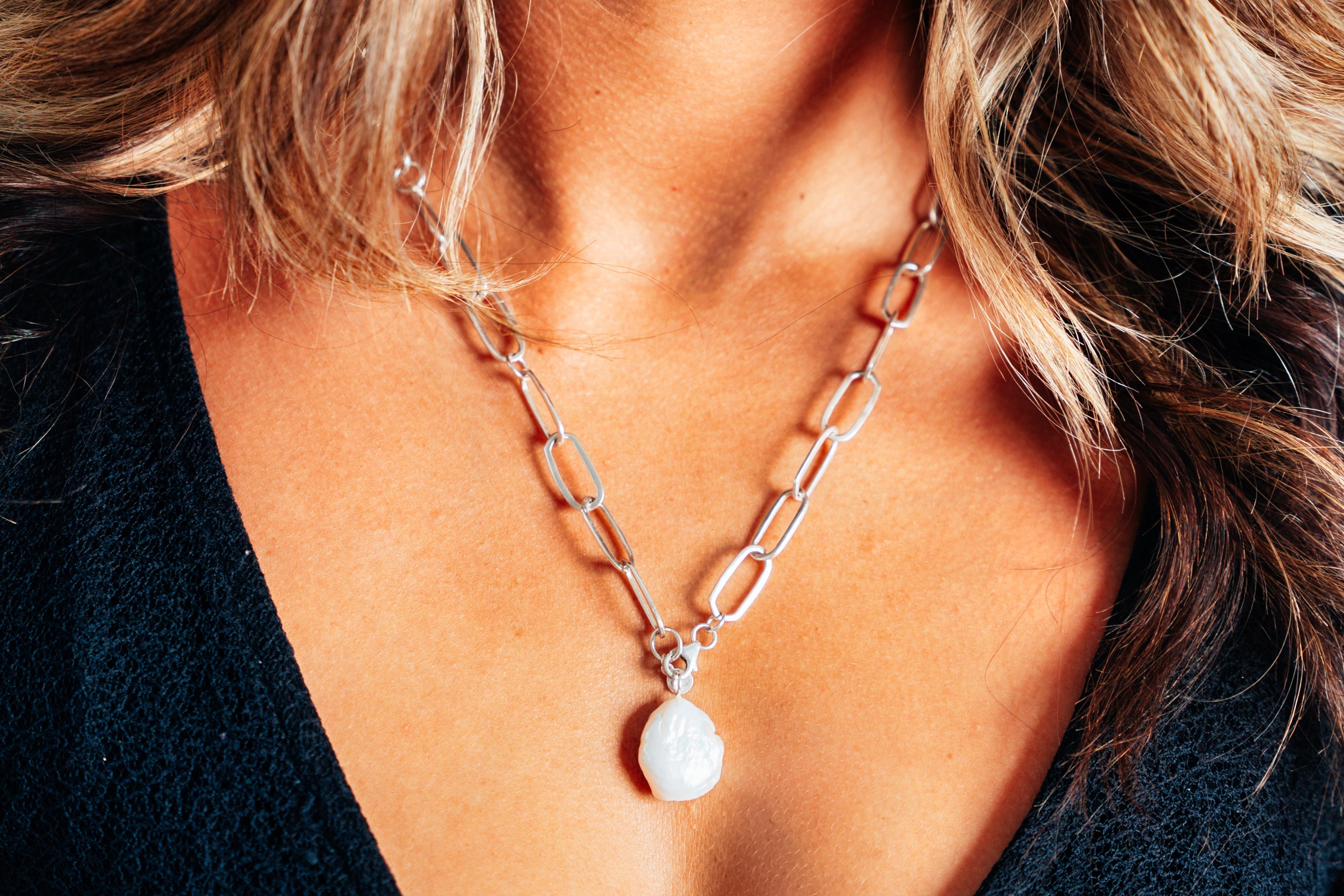
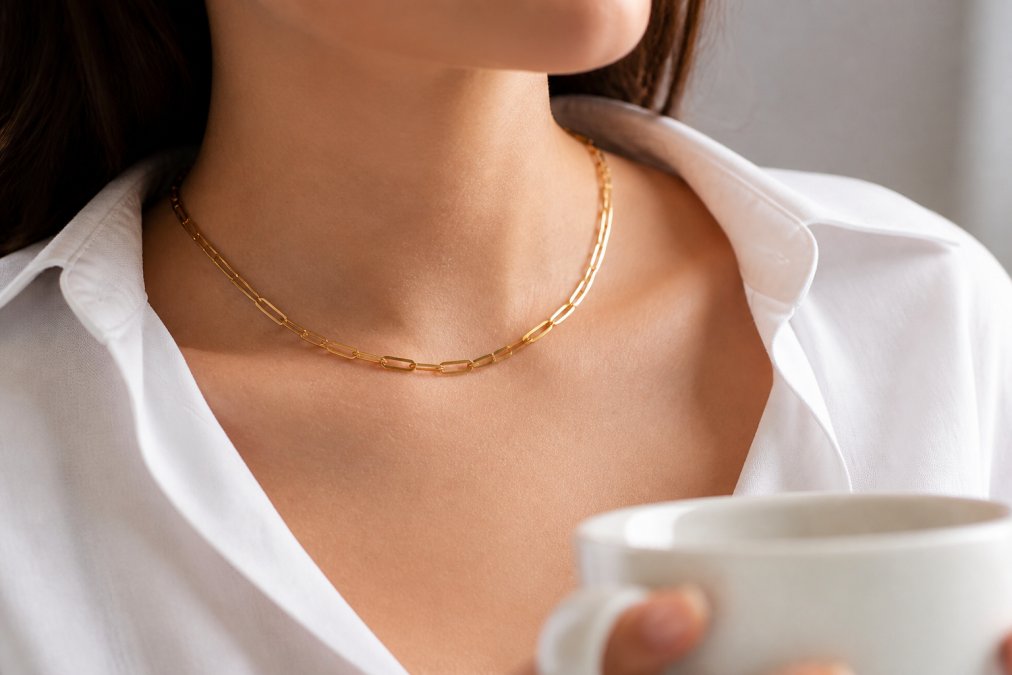
The most versatile pieces work both alone and layered. The SilverStory Gold Paperclip Chain Necklace (£115.00) works beautifully as a standalone piece or layered with other delicate chains, meaning one piece does the work of two.

Best Metals for Everyday Jewellery
The material you choose determines whether your jewellery tarnishes, causes skin irritation, or simply gets better with age.
Sterling silver and gold vermeil durability
Sterling silver is the workhorse of daily wear jewellery. True sterling silver is 92.5% pure silver mixed with other metals (usually copper) for strength (legislation.gov.uk). Gold vermeil takes sterling silver and adds a thin layer of gold plating, typically 18-carat gold. The gold layer will eventually wear through with heavy daily wear, but this typically takes months or years. When it does wear, you can have it replated at far less cost than replacing the entire piece.
Both metals tarnish when exposed to air and moisture over time, this isn't a defect, it's the nature of these metals. The tarnish is easily removed with proper cleaning. SilverStory's handcrafted pieces use solid sterling silver and gold vermeil exclusively. The Hallmarking Act 1973 governs precious metal standards in the UK, and sterling silver must meet strict purity requirements.
Hypoallergenic options for sensitive skin
If you have sensitive skin, nickel is your enemy. Sterling silver is naturally hypoallergenic because it's free of nickel when it meets proper purity standards. Gold vermeil is also safe for sensitive skin because the gold layer sits between your skin and any potential allergens in the base metal.
If you have metal sensitivities, stick with verified sterling silver (look for the hallmark) or gold vermeil from reputable makers. Avoid anything labelled "silver-plated" or "gold-plated" without the sterling silver base.
How to Tell if Silver is Real
Hallmarks and purity stamps explained
In the UK, all precious metals sold as jewellery must carry a hallmark, an official stamp that guarantees purity and identifies the assay office that verified it. For sterling silver, you're looking for a mark that shows 925 (the purity standard) along with a maker's mark and assay office symbol. The hallmark is your guarantee that the piece has been independently tested and verified to meet standards.
Gold vermeil also carries hallmarks on the sterling silver base. You'll see 925 for the base metal, and the gold layer is typically marked as well (18ct for 18-carat gold plating). Reputable makers ensure their pieces are properly hallmarked when required, giving you verifiable proof of quality.
Testing authenticity at home
If you're examining a piece without a hallmark or want additional confirmation, several simple tests work. The magnet test is quick: genuine silver is not magnetic. If a magnet pulls toward the piece, it contains ferrous metals and isn't pure silver.
The weight test is another check. Real silver is surprisingly heavy for its size. A sterling silver necklace should feel substantial in your hand, not flimsy. The sound test works for rings and bracelets: drop a real silver piece on a hard surface and it produces a clear, bell-like ring that continues for several seconds. Fake silver often sounds dull or flat.
The most reliable verification remains the official hallmark, which is why buying from established makers who stand behind their pieces matters for daily wear jewellery.
Styling Techniques for Everyday Elegance
Layering necklaces and bracelets
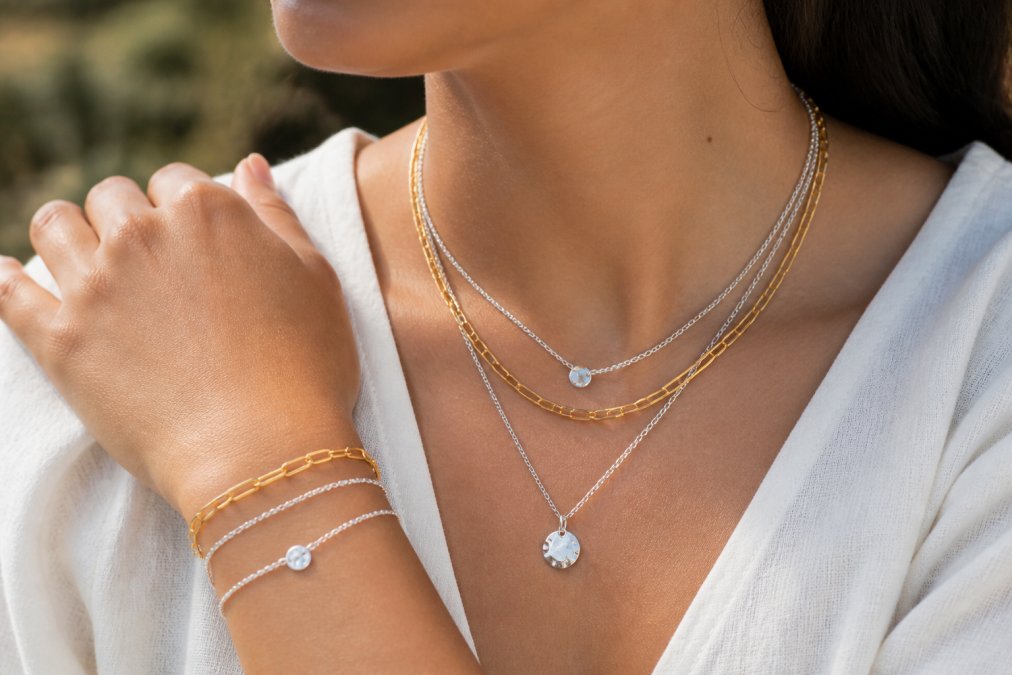
Layering transforms a single simple necklace into a more interesting look without requiring multiple pieces. Vary chain lengths and keep the metals consistent. A shorter chain sits close to the collarbone, a medium chain sits just below, and a longer chain sits at the chest. When worn together, they create a cascading effect.
The same principle applies to bracelets. Stack a thin chain bracelet with a slightly wider band, or layer multiple delicate bracelets on one wrist. SilverStory's Gold Paperclip Chain Bracelet (£70.00) and matching necklace are specifically designed for layering. The paperclip design creates visual interest even when worn alone, but the real magic happens when you layer them with other pieces.
Matching jewellery to necklines
Different necklines work better with different jewellery lengths. If you wear crew necks frequently, shorter necklaces sit above the neckline and don't compete with it. If you favour V-necks and scoop necks, longer chains follow the neckline's shape and elongate the neck visually.
High necklines work best with statement rings or bracelets rather than necklaces. Strapless or off-shoulder tops give you freedom to wear longer chains. Let the neckline guide your jewellery choice, matching means creating harmony, not competition.
Building a capsule jewellery collection
A capsule jewellery collection for daily wear typically includes 8-12 pieces that work together across multiple outfits. Start with basics: two necklaces in different lengths (one silver, one gold or gold vermeil), two bracelets, and 3-4 rings in varying widths. Add one or two pieces that feel slightly more special for days when you want to feel more put-together.
Every piece should work with multiple other pieces and earn its place by getting worn regularly. SilverStory's minimalist designs are ideal for capsule building. The Silver Paperclip Chain Necklace (£85.00) is a foundation piece that works with everything. Add the matching bracelet (£60.00) and a simple ring like the Silver Open Circle Ring (£35.00), and you have the core of a functional capsule collection.

How to Clean Silver Jewellery at Home
Tarnish on silver is inevitable with daily wear. It's not a sign of poor quality, it's the natural result of silver oxidising when exposed to air and moisture. Cleaning silver jewellery at home is simple, inexpensive, and requires only household materials.
Simple cleaning methods for tarnish removal
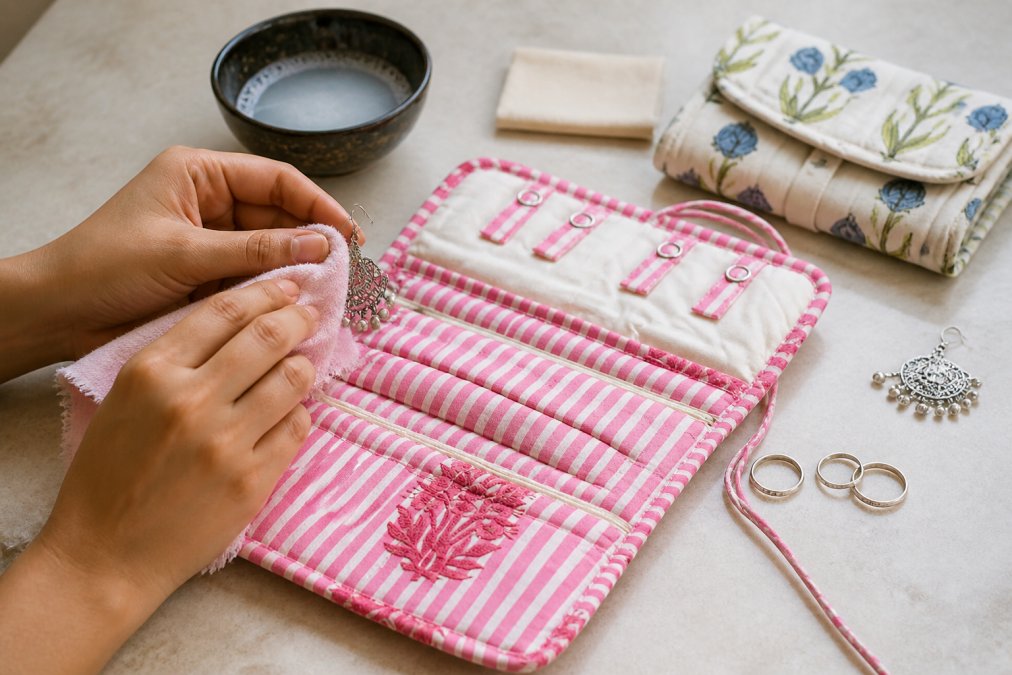
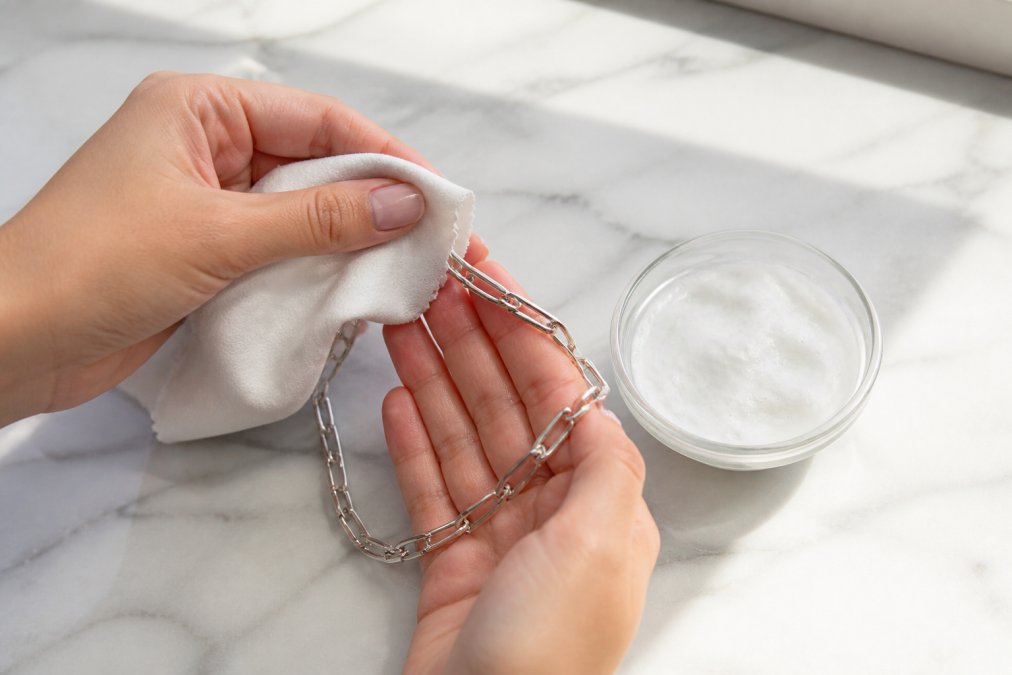
The most effective home cleaning method uses baking soda and water. Mix baking soda with just enough water to form a paste, then gently rub it onto the tarnished silver with a soft cloth. Rinse thoroughly under running water and dry completely with a clean, soft cloth.
For pieces with gemstones or intricate details, use a softer approach. Soak the jewellery in warm water with a few drops of dish soap for 5-10 minutes, then gently brush with a soft toothbrush. Rinse and dry. Commercial silver polishing cloths are another option for quick touch-ups and travel.
Never use harsh chemicals, scouring pads, or abrasive materials on your daily wear jewellery. Similarly, avoid immersing pieces with gemstones in water for extended periods.
Maintenance routine to prevent tarnishing
Store your silver jewellery in a cool, dry place away from direct sunlight. Small ziplock bags work well for individual pieces. Some people add a piece of chalk or silica gel packet to their jewellery box to absorb moisture.
Remove your jewellery before showering, swimming, or exercising. Wear your jewellery regularly, pieces worn daily actually tarnish more slowly than pieces stored away. The natural oils from your skin and friction of wearing create a protective patina.
Clean your pieces every 2-4 weeks if you wear them daily. Regular light cleaning prevents heavy tarnish buildup and keeps your jewellery looking fresh.
Durability and Longevity for Daily Wear
Clasp security and comfort-fit designs
The clasp is often the weak point in a necklace or bracelet. Spring ring clasps are common but less reliable than lobster clasps, which have a lever mechanism that's harder to accidentally open. For daily wear, a sturdy lobster clasp is your best choice.
Comfort-fit designs matter for rings. A comfort-fit ring has a rounded inner edge as well as outer edge, which sits more comfortably against your skin and reduces pressure on your finger. For a ring you'll wear every day, this small difference becomes significant.
Weight distribution affects durability too. A ring that's too heavy for its size can strain the setting or the band. Quality makers understand this and design pieces that feel right in hand.
Cost-per-wear analysis for smart investment
A useful way to evaluate whether a piece of daily wear jewellery is worth buying is the cost-per-wear calculation. Divide the price by the number of times you expect to wear it. A £85 necklace worn 300 times per year costs £0.28 per wear over a year. Worn for five years at that frequency, the cost-per-wear drops to £0.06.
This calculation reveals why investing in quality daily wear jewellery makes sense. A cheaply made piece you wear once or twice before it tarnishes irreparably costs far more per wear than a well-made piece you wear for years. Quality materials and craftsmanship pay for themselves through durability.
Storage and Travel Hacks
Store necklaces individually to prevent tangling. Small ziplock bags, individual compartments in a jewellery box, or small velvet pouches work well. Hang bracelets on a small hook or lay them flat in a drawer. Keep rings in a small box or on a ring holder.
For travel, pack jewellery in a small, padded jewellery travel case or use a pill organiser with individual compartments. Keep pieces separated so they don't tangle or scratch. For extended travel, minimise what you pack, bring your most versatile pieces that work with everything in your travel wardrobe.
Daily wear jewellery should enhance your life without demanding constant attention or worry. The best pieces are those you forget you're wearing because they feel so natural and comfortable. Building a collection of quality, versatile pieces in durable materials means you're investing in jewellery that grows more meaningful with time. SilverStory's handcrafted collection is designed with this philosophy, pieces made to be worn, cherished, and passed along. Start with one versatile piece like the Silver Paperclip Chain Necklace and build from there, knowing that every addition to your collection is made to last.

Frequently Asked Questions
What is the best jewellery to wear every day?
Choose minimalist pieces in durable metals like sterling silver or gold vermeil that match multiple outfits. The Gold Paperclip Chain Necklace (£115) and Silver Paperclip Chain Bracelet (£60) are excellent everyday staples because they're simple, versatile, and handcrafted from quality materials. Look for pieces with secure clasps, comfortable fits, and timeless designs that won't feel dated after a few months.
How can I tell if my silver jewellery is real?
Authentic sterling silver carries hallmarks stamped on the piece, look for '925' or 'Sterling' marks. Real silver feels heavier than costume jewellery and doesn't cause allergic reactions in most people. You can also test it at home: real silver tarnishes over time (a sign of authenticity), whereas fake silver won't. If you're buying from reputable artisan makers, authentic sterling silver should always be accompanied by clear product descriptions.
What is the 2:1:1 rule for jewellery?
The 2:1:1 rule is a styling guide: wear two statement pieces, one delicate piece, and one bold accessory to create balanced everyday elegance. For example, pair layered necklaces (two pieces) with a simple ring (delicate), and add a bracelet or watch (bold). This approach prevents overcrowding while maintaining visual interest. SilverStory's minimalist designs work perfectly for this, try combining the Silver Paperclip Chain Necklace with the Open Circle Ring for a refined look.
How do I keep my daily jewellery from tarnishing?
Store jewellery in a dry, airtight container away from moisture and humidity. Wear it regularly, the natural oils on your skin actually help prevent tarnishing. After wearing, gently wipe pieces with a soft cloth to remove sweat and oils. Clean monthly with a mild soap solution and dry thoroughly. Avoid exposing jewellery to perfume, lotions, or chlorine. For handcrafted sterling silver pieces, proper storage and occasional gentle cleaning will keep them looking beautiful for years.
This article was written using GrandRanker