How to Clean Handcrafted Silver Jewellery
Table of Contents
- Why Handcrafted Silver Jewellery Needs Careful Cleaning
- What You'll Need Before You Start
- How to Tell If Silver Is Real Before Cleaning
- Step-by-Step Cleaning Methods for Handcrafted Silver
- How to Prevent Silver Jewellery from Tarnishing
- Storing Handcrafted Silver Jewellery Properly
- What to Avoid When Cleaning Handcrafted Pieces
- Conclusion
Last Updated: August 23, 2026
Why Handcrafted Silver Jewellery Needs Careful Cleaning
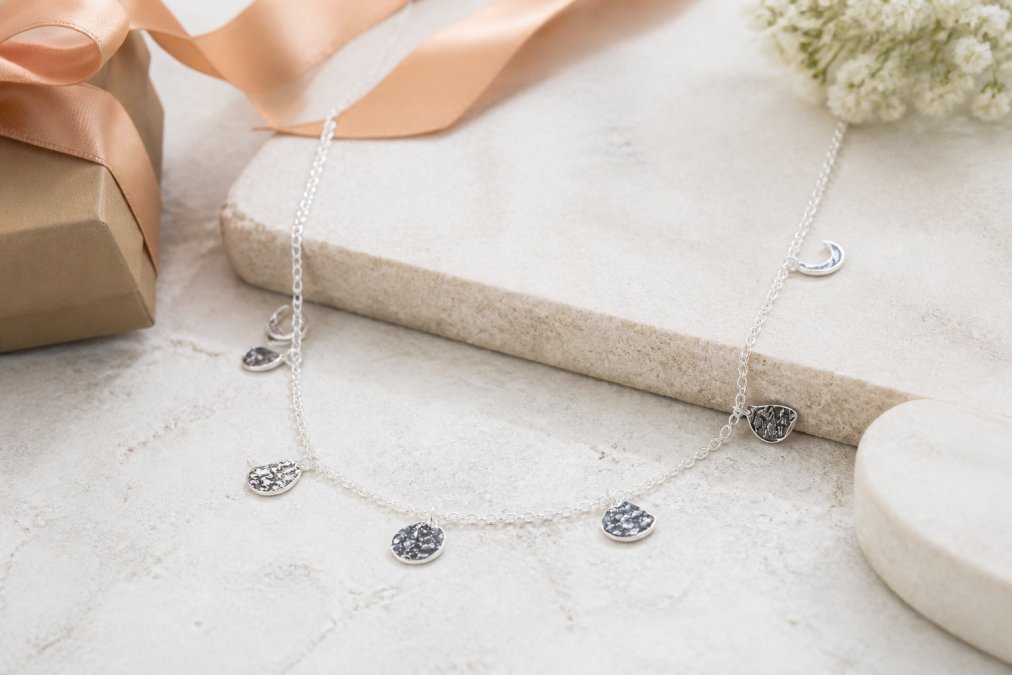
Handcrafted silver jewellery from artisans like those at SilverStory demands a different approach to cleaning than mass-produced pieces. When you clean handcrafted silver jewellery, you're preserving intentional patina, protecting delicate gemstone settings, and maintaining hand-worked details that make each piece unique.
Mass-produced silver has uniform finishes and industrial coatings. Handcrafted pieces feature intricate engravings, hand-polished surfaces, and sometimes intentional oxidation that creates depth and character. Aggressive cleaning methods can strip away these design elements or damage the metal in ways that are difficult to repair.
Tarnish forms when silver reacts with sulfur compounds in the air and moisture (peer-reviewed research). Understanding this natural oxidation process helps you clean effectively without over-polishing. The key is knowing when a piece needs a gentle refresh versus deeper intervention. At SilverStory, every handcrafted piece is made by skilled artisans who understand how their work will age over time, so your cleaning approach should enhance, not erase, the craftsmanship.
What You'll Need Before You Start
Gather these items before cleaning:
- Soft microfibre cloth, never use paper towels or rough fabrics
- Mild dish soap, gentle, non-abrasive
- Lukewarm water, avoid hot water, which can loosen gemstones
- Soft-bristled toothbrush, for intricate details
- Small bowl, for soaking
- Bicarbonate of soda, for heavier tarnish (optional)
- Aluminium foil, works with bicarbonate of soda
- Lint-free cloth, for final drying
- Anti-tarnish strips, for storage
Do not use commercial silver polishing creams unless certain they're safe for your piece. Many contain abrasive compounds that damage handcrafted details and delicate gemstone settings.
How to Tell If Silver Is Real Before Cleaning
Before cleaning, confirm you're working with genuine silver. Real silver responds differently to cleaning methods than plated or fake silver.
Real sterling silver is marked with "925" or "Sterling," usually on the clasp, back, or inside of a ring. This indicates 92.5% pure silver. If you cannot find a hallmark, use these quick tests:
The magnet test: genuine silver is not magnetic. If a strong magnet sticks to your jewellery, it's either not silver or heavily plated over a magnetic base metal.
The colour test: genuine silver has a bright, clean white appearance when polished. Fake silver or silver-plated pieces often look dull or yellowish, especially where plating has worn away.
The weight test: sterling silver is relatively heavy for its size. Handcrafted pieces from artisans tend to have substantial weight because they're made from solid metal throughout.

If unsure, contact the artisan or seller before cleaning. This is especially important with handcrafted silver, where the maker can advise on composition and any gemstones requiring special care.
Step-by-Step Cleaning Methods for Handcrafted Silver
Method 1: Mild Soap and Water Soak
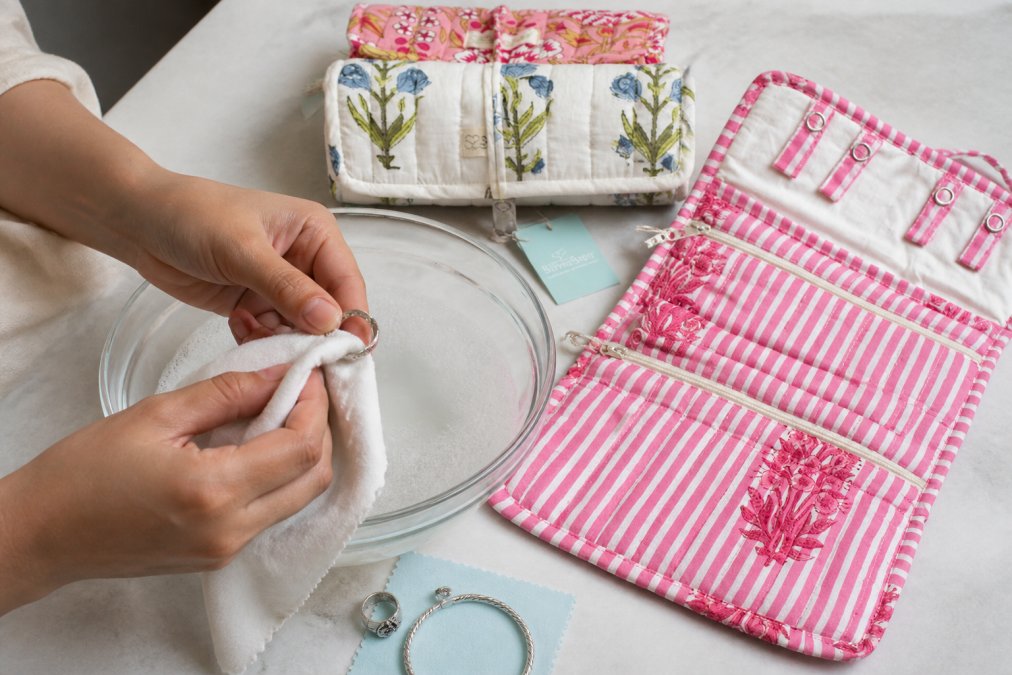
This is the gentlest method and best for most handcrafted silver jewellery, especially pieces with gemstones or intricate details.
Fill a small bowl with lukewarm water and add a few drops of mild dish soap. Submerge your silver jewellery and soak for 5 to 10 minutes. This loosens dirt, oils, and light tarnish without aggressive scrubbing.
Remove the piece and use a soft-bristled toothbrush to gently brush away loosened debris, paying special attention to crevices and engravings. Use gentle, circular motions rather than hard scrubbing.
Rinse thoroughly under running lukewarm water until all soap residue is gone. Dry immediately with a lint-free cloth, patting gently rather than rubbing hard.
This method works well for light tarnish and regular maintenance. It's safe for all gemstones and won't damage delicate handcrafted details. Repeat every few weeks if you wear your jewellery regularly.
Method 2: Bicarbonate of Soda and Aluminium Foil Reaction
When mild soap and water aren't enough, this method uses a chemical reaction to remove stubborn tarnish. It's faster than polishing and gentler than abrasive creams.
Line a small bowl with aluminium foil, shiny side up. Fill with hot (not boiling) water and add one tablespoon of bicarbonate of soda, stirring until dissolved.
Place your silver jewellery directly on the aluminium foil. The chemical reaction happens between the silver, bicarbonate of soda, water, and aluminium. You'll see tarnish begin to lift almost immediately.
Leave jewellery in the solution for 5 to 15 minutes depending on tarnish level. Remove pieces as soon as tarnish lifts. Rinse under cool running water and dry immediately with a lint-free cloth.
This method works quickly for moderate to heavy tarnish, but it's not suitable for porous stones like pearls, opals, and turquoise, which can absorb the solution and be damaged. Stick to the mild soap method for pieces with these materials.
Method 3: Gentle Polishing for Intricate Details
For handcrafted pieces with deep engravings, filigree, or textured surfaces, gentle polishing restores shine while preserving intentional surface variations.
Use a microfibre cloth designed for silver polishing. Fold it into a small pad and use gentle, circular motions across the surface. Let the cloth do the work rather than applying pressure.
For areas you cannot reach with a cloth, use a soft-bristled toothbrush with a tiny amount of mild soap. Brush gently in the direction of any texture or pattern.
Pay attention to the patina. Handcrafted silver often includes intentional oxidation in recesses to create contrast and depth. Polishing should focus on raising surfaces while leaving darker recesses alone.
Rinse with lukewarm water and dry immediately. Avoid over-polishing, which can gradually thin the metal and erase fine details.
This method is ideal for pieces you wear regularly and want to keep bright without stripping their character.
How to Prevent Silver Jewellery from Tarnishing
Prevention is far more effective than frequent cleaning. Understanding what causes tarnish lets you dramatically slow oxidation.
Tarnish forms when silver reacts with sulfur compounds in the air, moisture, and certain materials. Reducing exposure to these triggers is the primary strategy.
Store jewellery in airtight conditions. Use anti-tarnish strips, which absorb sulfur compounds, in your storage container. Replace them every few months when they darken.
Keep jewellery away from moisture. Remove pieces before showering or swimming. If pieces get wet, dry them immediately.
Avoid storing silver near rubber, felt, or acidic materials, which can accelerate tarnishing. Felt-lined jewellery boxes are common but not ideal for long-term storage.
Wear your jewellery regularly. The oils in your skin create a protective layer and friction keeps the surface polished. Pieces worn frequently tarnish slower than those stored unworn.
Store pieces separately. Silver stored touching other pieces, especially costume jewellery containing sulfur, tarnishes faster. Use individual pouches or compartments.
Keep jewellery away from perfume, hairspray, and cosmetics, which contain chemicals that accelerate tarnishing and may damage gemstones.
Storing Handcrafted Silver Jewellery Properly
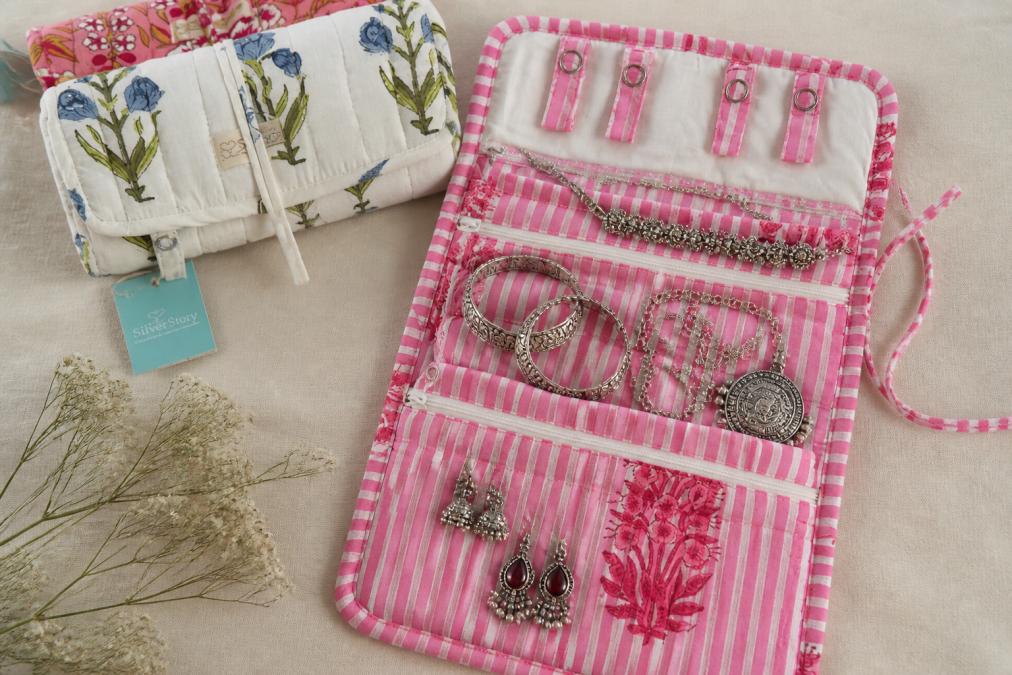
Proper storage is as important as proper cleaning. Where and how you store your handcrafted silver jewellery determines how quickly it tarnishes and how well it's protected.
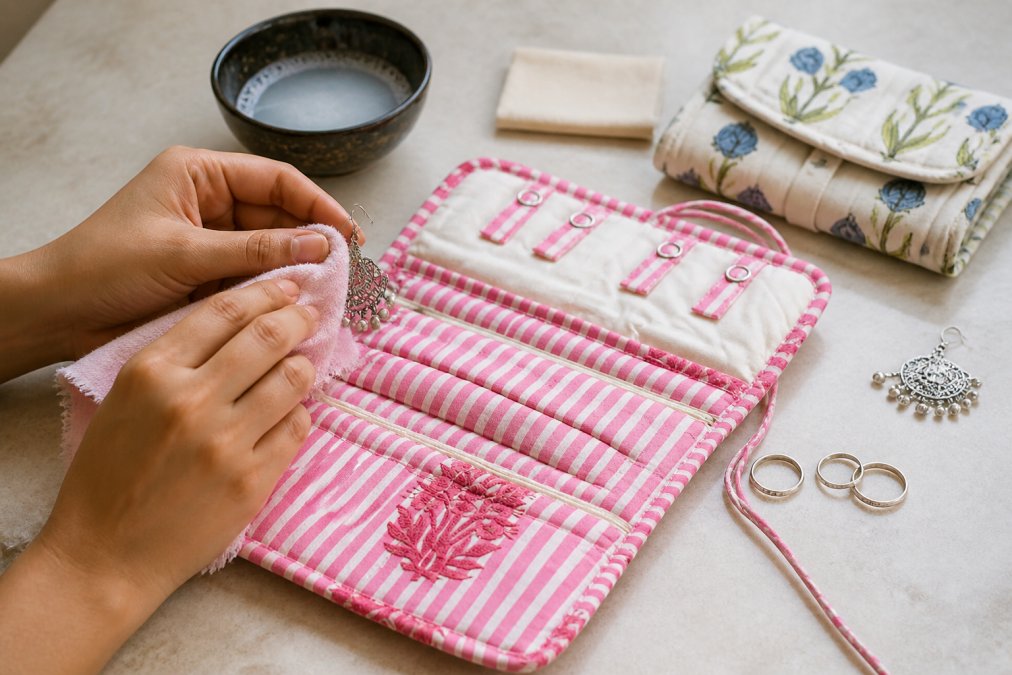
A jewellery roll or pouch made from natural cotton, like those offered by SilverStory, provides soft fabric that won't scratch delicate surfaces while allowing you to organize pieces by type. Cotton is breathable enough to prevent moisture buildup while offering protection.
Store jewellery in a cool, dry place away from direct sunlight. A drawer, closet shelf, or jewellery box away from windows is ideal.
Use anti-tarnish strips in your storage container. Place one strip in your jewellery roll or pouch and replace it every three to four months.
Keep necklaces and bracelets separate to prevent tangling. A jewellery roll with dedicated loops prevents frustration and the risk of damage from forceful untangling.
Store rings on a ring holder or in a dedicated pocket. Rings stored loosely can roll around and scratch against other pieces.
For long-term storage of rarely worn pieces, consider airtight plastic bags or small glass jars with anti-tarnish strips inside.
Keep storage away from bathrooms and kitchens, where humidity is higher. A bedroom drawer or closet is far better.
What to Avoid When Cleaning Handcrafted Pieces
Certain cleaning methods can permanently damage handcrafted silver jewellery.
Never use abrasive commercial silver polishing creams or powders. These remove tarnish through friction but also remove tiny amounts of metal with each use (peer-reviewed research). Over time, this wears away fine details, thins delicate sections, and can obliterate hand-worked textures.
Avoid ultrasonic cleaners. High-frequency vibrations can loosen gemstones, damage delicate settings, and crack certain stones.
Never use steam cleaners. High heat and pressure can damage gemstones, loosen settings, and warp thin metal sections.
Do not soak silver in solutions containing salt, vinegar, or other acidic materials for extended periods. If you use any acidic solution, limit soaking to a few minutes and rinse thoroughly.
Avoid harsh scrubbing with steel wool, scouring pads, or hard brushes, which scratch handcrafted surfaces and remove patina.
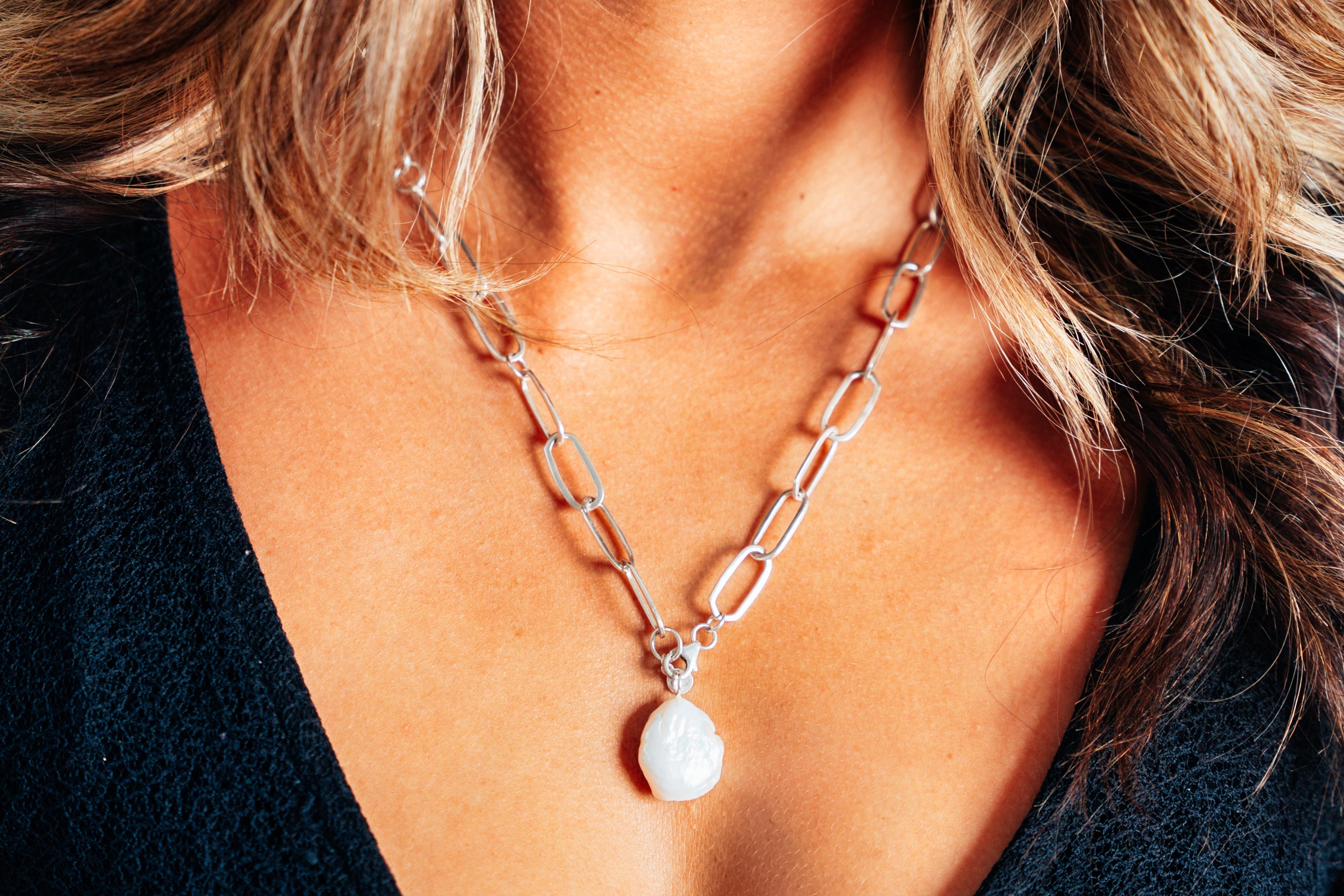
Never clean jewellery containing pearls, opals, turquoise, or other porous gemstones with water-based methods or bicarbonate of soda solutions. These stones absorb liquids and can become discolored or damaged. Use only the gentle microfibre cloth method with no water.
Do not store silver in plastic bags without anti-tarnish protection. Plastic can trap moisture and accelerate tarnishing.
Avoid exposing jewellery to extreme temperature changes. Rapid heating and cooling can cause metal to expand and contract unevenly, potentially loosening stones.
Never attempt to repair or resize handcrafted pieces yourself. Return them to the original artisan if possible, or take them to a jeweller experienced with handcrafted work.
Keeping handcrafted silver jewellery beautiful requires understanding both the metal and the artistry behind each piece. The gentle methods covered here, mild soap soaks, soft-cloth polishing, and the bicarbonate of soda reaction for stubborn tarnish, protect intricate details and intentional patina.
Storage and prevention matter more than cleaning frequency. Invest in proper storage solutions like the SilverStory Jewellery Roll (£18.00) and matching Jewellery Pouch (£15.00), both handcrafted from Indian cotton by artisans in Rajasthan. With the right approach to cleaning and storage, your handcrafted silver jewellery from SilverStory will retain its beauty and character for years to come.
| Cleaning Method | Best For | Time Required | Frequency |
|---|---|---|---|
| Mild soap and water | Light tarnish, regular maintenance | 10-15 minutes | Every 2-4 weeks |
| Bicarbonate of soda and foil | Moderate to heavy tarnish | 5-15 minutes | As needed |
| Gentle polishing | Intricate details, textured surfaces | 5-10 minutes | Weekly or as needed |
| Prevention and storage | All pieces, long-term protection | Ongoing | Daily |
Frequently Asked Questions
What is the best home remedy to clean handcrafted silver jewellery?
The safest methods use mild dish soap and lukewarm water, or a bicarbonate of soda and aluminium foil reaction. For handcrafted pieces, the soapy water soak is gentlest, submerge your jewellery for 5-10 minutes, then gently scrub with a soft-bristled toothbrush. Avoid abrasive commercial polishes that can damage intentional patina or delicate artisan details. Always rinse thoroughly and dry with a microfibre cloth.
How can I tell if my silver jewellery is real before cleaning?
Check for a hallmark stamp (925, 950, or 999) inside rings or on clasps, which indicates sterling silver purity. Real silver should feel heavier than costume jewellery and won't be magnetic. Test with a magnet, if it sticks, it's not pure silver. For handcrafted pieces, ask the artisan or retailer for authentication. SilverStory pieces are handcrafted in Rajasthan, so you can clean with confidence.
How often should I clean handcrafted silver to prevent tarnish buildup?
Clean your handcrafted silver jewellery every 1-2 months with regular wear, or when you notice visible tarnish. However, many people appreciate the natural patina that develops on artisan pieces, it adds character and depth. If you prefer a brighter finish, clean more frequently. Daily-wear items may need attention every 4-6 weeks. Store pieces in airtight conditions between cleanings to slow oxidation significantly.
What should I never use to clean handcrafted silver jewellery?
Avoid harsh abrasive materials like scouring pads, steel wool, or toothpaste, which scratch the surface and damage artisan finishes. Do not use bleach, acetone, or strong chemical cleaners, these can corrode silver and harm any gemstones. WD-40 and similar solvents are unsuitable for jewellery. Never use ultrasonic cleaners on handcrafted pieces with delicate settings, glued gemstones, or intentional patina. When in doubt, stick to mild soap, water, and soft cloths.
This article was written using GrandRanker