Does Sterling Silver Tarnish Daily? Care Guide
Table of Contents
- What Is Sterling Silver and Why Does It Tarnish?
- Why Does My Silver Jewellery Tarnish So Quickly?
- Can You Wear Sterling Silver Jewellery Every Day?
- Preventing Tarnish on Silver Jewellery
- How to Clean Sterling Silver Jewellery at Home
- Maintaining Your Sterling Silver Pieces Long-Term
- Conclusion
Last Updated: August 28, 2026
What Is Sterling Silver and Why Does It Tarnish?
Sterling silver is an alloy made from 92.5% pure silver and 7.5% other metals, typically copper. That copper content makes sterling silver durable enough for jewellery but prone to tarnishing. When exposed to air, moisture, and certain chemicals, the copper reacts with sulfur compounds in the environment, creating silver sulfide, the dark layer we call tarnish. This surface discolouration is reversible and doesn't damage the underlying metal.
The 92.5% Alloy Explained
Pure silver is too soft for everyday jewellery; it scratches easily and bends out of shape. By adding 7.5% copper, jewellery makers create metal strong enough to hold intricate designs and survive regular wear. The trade-off is that copper oxidises, which is why sterling silver tarnishes while pure silver (99.9%) does not. Sterling silver strikes a balance between durability and the lustrous appearance people love.
How Oxidation Creates Tarnish
Oxidation is a chemical reaction between copper and oxygen in the air. Add moisture and sulfur compounds, and the reaction accelerates. Sulfur exists naturally in the environment and is released by volcanic activity, industrial processes, and decomposing organic matter. When sulfur meets copper in the presence of moisture, silver sulfide forms almost immediately.
This surface reaction is reversible. Polishing removes the tarnished layer, revealing the bright silver beneath. Sterling silver jewellery can be cleaned repeatedly without losing quality because you're removing only the oxidised surface layer, not the metal itself.
Why Does My Silver Jewellery Tarnish So Quickly?
If your sterling silver pieces seem to tarnish faster than expected, several factors are likely at play. Individual circumstances vary dramatically; two people wearing identical pieces can see completely different tarnishing rates based on body chemistry, environment, and daily habits.
Body Chemistry and Skin pH
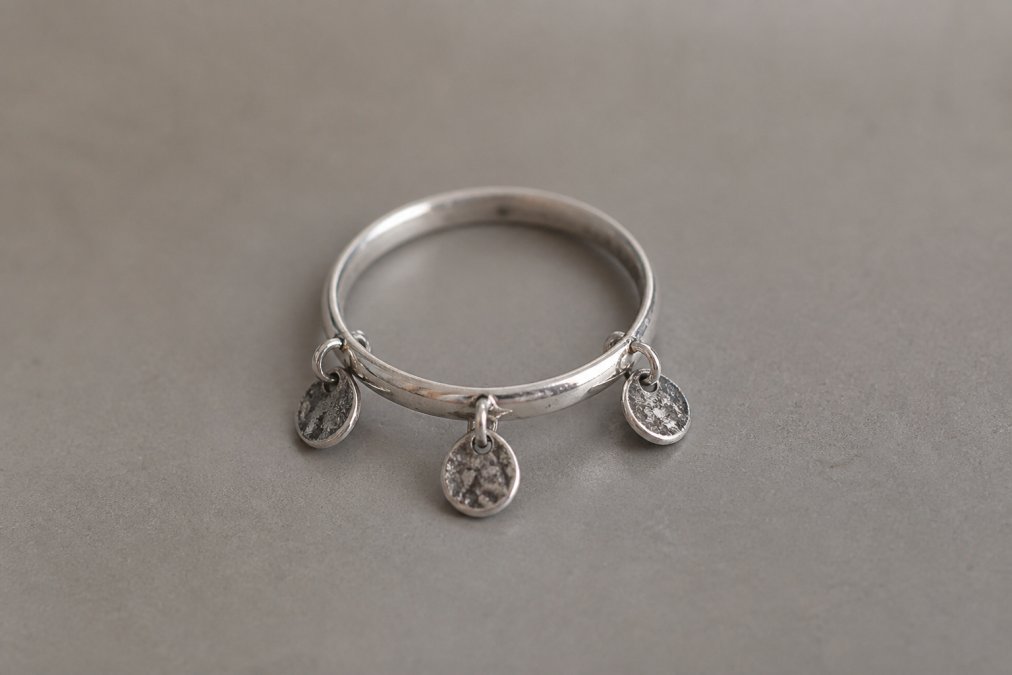
Your skin's pH and natural chemistry directly affect how quickly your silver tarnishes. Some people's skin is naturally more acidic, while others are more alkaline. Sebum, the natural oil your skin produces, can accelerate tarnishing when it coats the silver surface. This is why rings tarnish faster than necklaces; they're in constant contact with skin. People who sweat more will see faster tarnishing because sweat contains salts and acids that react with copper.
Certain medications, supplements, and medical conditions also influence skin chemistry. If you've noticed your jewellery tarnishing suddenly faster than before, a change in your body's chemical composition could be the reason.
Environmental Factors That Speed Tarnishing
Where you live matters enormously. Coastal areas with salt air, industrial regions with higher sulfur emissions, and humid climates all accelerate tarnishing. Your home environment plays a role too; kitchens with gas stoves produce sulfur compounds, bathrooms trap moisture, and poorly ventilated spaces create conditions where tarnish spreads faster.
Urban areas with higher air pollution see faster oxidation than rural regions. Temperature fluctuations also matter; rapid changes between hot and cold can cause condensation on your jewellery, accelerating oxidation. Storing pieces in temperature-stable locations helps slow tarnishing considerably.
Chemical Exposure and Daily Products
Everyday products accelerate tarnishing dramatically. Perfumes, lotions, hairspray, and cosmetics contain alcohol and other chemicals that react with sterling silver. Chlorine in swimming pools and hot tubs is particularly aggressive. Hand sanitisers, cleaning products, and even certain foods like eggs (which contain sulfur) can speed tarnishing if they contact your jewellery.
Rubber bands and certain synthetic materials contain sulfur compounds. If you store your silver jewellery wrapped in rubber or in contact with elastic materials, tarnishing will accelerate noticeably.
Can You Wear Sterling Silver Jewellery Every Day?
Yes, you can wear sterling silver jewellery daily. Many people do, and their pieces remain beautiful for decades. The key is understanding how daily wear affects tarnishing and taking preventative steps to manage it.
Daily Wear and Tarnishing Speed
Wearing your silver constantly actually slows tarnishing in some ways. The friction from your skin and movement polishes the surface gently, removing microscopic layers of oxidation before they accumulate visibly. This is why worn jewellery often looks brighter than stored pieces.
However, daily wear also means constant exposure to your body's oils, sweat, and chemicals in products you use. For most people, this balances out. Your jewellery will develop a patina, but it won't tarnish heavily unless you're in an environment with high sulfur exposure or your skin chemistry strongly favours oxidation.
Showering and Water Exposure
Water itself doesn't damage sterling silver, but what's in the water does. Tap water contains minerals and sometimes chlorine, both of which contribute to tarnishing. Water also traps oxygen against the metal surface, creating ideal conditions for oxidation to accelerate.
Showering occasionally with silver on is fine. However, regular hot showers with silver jewellery will speed tarnishing noticeably over time. Swimming pools and hot tubs are different; chlorine is aggressive and can tarnish silver rapidly. If you swim regularly, removing your jewellery beforehand is wise. Salt water from the ocean is similarly harsh.
For daily showering, the risk is minimal if you dry your jewellery afterward. The key is removing excess moisture before storing it.
Preventing Tarnish on Silver Jewellery
The best approach to tarnishing is prevention. Once you understand what triggers oxidation, you can implement storage and handling practices that keep your jewellery bright for years.
Storage Materials That Matter
How you store your silver makes a dramatic difference. Airtight containers minimise exposure to oxygen and sulfur compounds in the air. Zip-lock bags, small glass jars with tight lids, or dedicated jewellery boxes with sealed compartments all work well.
Avoid storing silver directly against rubber, plastic, or synthetic fabrics; these materials often contain sulfur compounds that accelerate tarnishing. Instead, use soft cloth pouches, acid-free tissue paper, or specialised anti-tarnish cloths.
Anti-tarnish strips or packets are inexpensive and effective. These contain activated charcoal that absorbs sulfur compounds from the air inside your storage container. Replace them every few months for best results.
Cool, dry spaces are ideal for storage. Avoid bathrooms, kitchens, and other humid areas. A bedroom closet or drawer in a temperature-stable room is typically perfect.
Protective Coatings and Anti-Tarnish Products
Some sterling silver jewellery comes with a protective coating, often a thin layer of rhodium plating or lacquer. This coating acts as a barrier between the copper in the alloy and the environment, slowing oxidation significantly. These coatings aren't permanent; they wear away with time and use.
For most people, proper storage is more effective than coatings. Prevention through airtight storage and careful handling beats trying to maintain a protective coating that wears away anyway.
How to Clean Sterling Silver Jewellery at Home
When tarnishing does appear, cleaning at home is simple and requires only common household items.
Simple Cleaning Methods for Light Tarnish
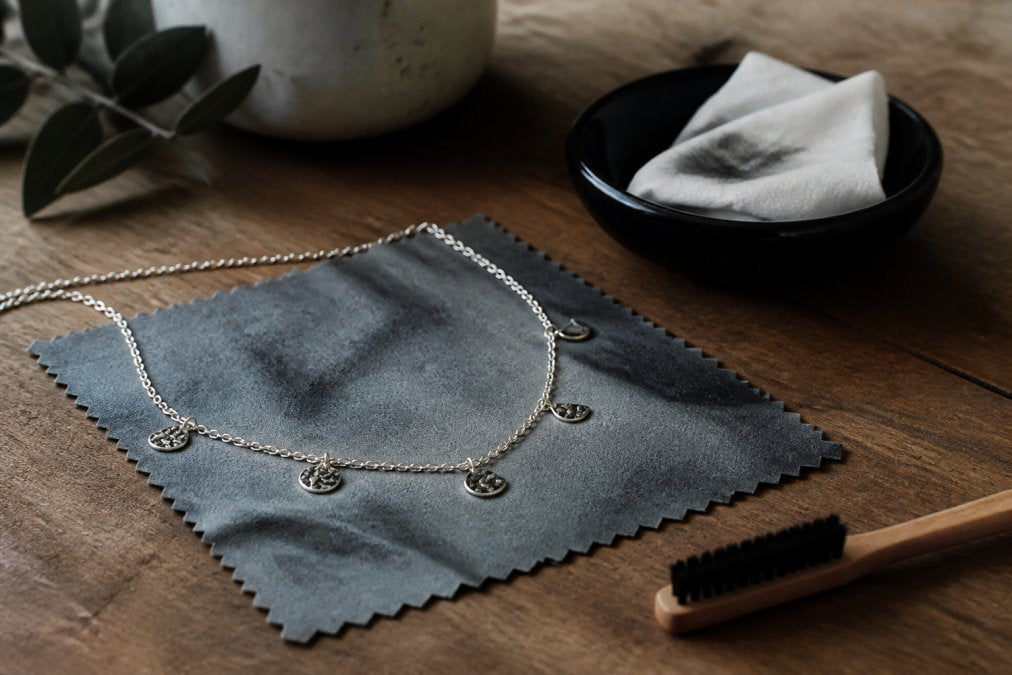
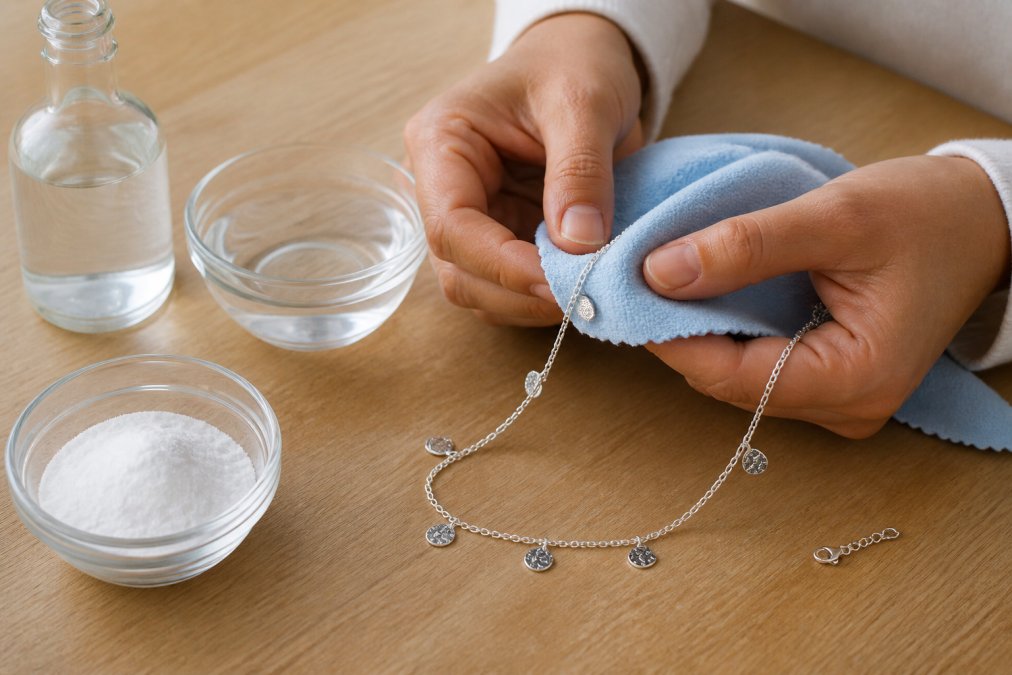
For light tarnish, a soft polishing cloth is often enough. Microfibre cloths designed for jewellery work best because they're gentle and won't scratch the metal. Simply rub the tarnished areas gently in circular motions until the shine returns.
If cloth polishing isn't enough, a simple baking soda paste works well. Mix baking soda with a small amount of water to create a thick paste. Apply it to the tarnished areas with a soft cloth and rub gently. Rinse thoroughly with clean water and dry completely.
White vinegar is another effective option for light tarnish. Soak the jewellery in white vinegar for a few minutes, then gently scrub with a soft cloth. Rinse well and dry immediately.
For pieces with delicate details or gemstones, avoid abrasive methods. Stick with gentle cloth polishing or the vinegar method. Never use harsh scouring powders or wire brushes.
Deep Cleaning for Heavy Oxidation
Heavy tarnish requires more aggressive treatment. A baking soda and aluminium foil method is surprisingly effective for stubborn oxidation. Line a bowl with aluminium foil, place your jewellery on the foil, add hot water and a tablespoon of baking soda, and let it sit for 15 minutes. The chemical reaction transfers the tarnish from your silver to the foil. Rinse thoroughly and dry completely.
Lemon juice mixed with salt creates another effective cleaning paste for very heavy tarnish. Apply it to tarnished areas, let it sit briefly, then rinse and dry. This method is more abrasive than baking soda, so use it only when other methods haven't worked.
Never use commercial silver dips on jewellery with gemstones or delicate details. These products are strong and can damage certain stones or intricate work.
After cleaning, always dry your jewellery immediately and thoroughly. Any moisture left behind will accelerate tarnishing again.
| Cleaning Method | Best For | Time Required | Effort Level |
|---|---|---|---|
| Soft cloth polishing | Light tarnish, regular maintenance | 2-5 minutes | Very low |
| Baking soda paste | Light to moderate tarnish | 5-10 minutes | Low |
| White vinegar soak | Light tarnish, delicate pieces | 5-15 minutes | Low |
| Foil and baking soda method | Heavy oxidation | 15-30 minutes | Low |
| Lemon juice and salt | Stubborn tarnish | 10-15 minutes | Medium |
Maintaining Your Sterling Silver Pieces Long-Term
Long-term care of sterling silver jewellery comes down to consistency. Small habits prevent the need for intensive cleaning later and keep your pieces looking beautiful for decades.
Wear your jewellery regularly when possible. Gentle friction from wearing actually helps maintain shine. Clean your jewellery every few months even if it doesn't look heavily tarnished. Light preventative cleaning stops oxidation from building up.
Avoid storing jewellery in humid environments. Bathrooms are particularly problematic because moisture levels spike after showers. Handle your jewellery with clean, dry hands; oils and moisture on your hands transfer to the metal and accelerate tarnishing.
Keep your jewellery away from harsh chemicals. Remove pieces before using cleaning products, applying perfume, or using hand sanitiser. If you have multiple pieces, rotate which ones you wear to distribute wear and give stored pieces time to remain bright.
Tarnishing is inevitable with sterling silver, but it's entirely manageable. Understanding what causes oxidation and taking straightforward preventative steps means you can enjoy beautiful silver jewellery without worrying about rapid deterioration. Whether you're wearing pieces daily or saving them for special occasions, the practices outlined here keep your jewellery bright and ready to wear whenever you choose.
At SilverStory, we believe your jewellery should be treasured, not feared. Our handcrafted sterling silver pieces are designed for real life, daily wear, meaningful moments, and decades of use. Explore our collection of rings, necklaces, bracelets, and earrings, each created by skilled artisans with care and intention. With proper storage and occasional gentle cleaning, your SilverStory piece becomes a lasting part of your personal style. Add to cart and discover why conscious craftsmanship matters.

Frequently Asked Questions
Will sterling silver tarnish if I wear it every day?
Yes, sterling silver will tarnish with daily wear, but the speed depends on your body chemistry, environment, and how often you clean it. Skin pH, sweat, and exposure to moisture accelerate oxidation. The key is consistent cleaning and proper storage between wears.
How do I prevent tarnish on silver jewellery?
Store your pieces in airtight containers, anti-tarnish pouches, or sealed bags with anti-tarnish strips to minimise exposure to sulphur compounds in the air. Avoid rubber bands and keep jewellery away from moisture, humidity, and harsh chemicals. Remove your silver before showering, swimming, or applying skincare products. Wear your pieces regularly and polish them every few weeks to maintain their shine.
What's the best way to clean tarnished sterling silver jewellery at home?
For light tarnish, use a soft polishing cloth designed for silver. For heavier tarnish, create a paste of baking soda and water, gently rub it onto the jewellery with a soft cloth, then rinse thoroughly and dry completely. Alternatively, soak pieces in a solution of warm water and a few drops of mild dish soap for 5-10 minutes, then polish with a soft cloth. Avoid harsh scrubbing, which can scratch the metal.
Can you shower with sterling silver jewellery?
It's best to remove sterling silver before showering. Hot water, soap, and steam accelerate oxidation and can damage the metal over time. If your jewellery does get wet, dry it immediately with a soft cloth. Chlorine and salt water are especially damaging, so remove your silver before swimming or bathing in the sea. Regular water exposure will noticeably speed up tarnishing.
This article was written using GrandRanker