Is Affordable Artisan Jewelry Good Quality?
Table of Contents
- What Makes Affordable Artisan Jewelry Different
- How to Identify High Quality Handmade Jewellery
- Materials That Define Quality: Sterling Silver, Gold Vermeil, and Lab-Grown Stones
- Hallmarking Requirements for Silver Jewellery and Quality Assurance
- Ethical Sourcing and Sustainable Craftsmanship
- How to Care for Handcrafted Silver Jewellery to Extend Lifespan
- Cost-Per-Wear: The Real Measure of Value
- Red Flags in Affordable Artisan Jewelry Marketing
Last Updated: August 24, 2026
What Makes Affordable Artisan Jewelry Different
Affordable artisan jewelry sits at the intersection of skilled craftsmanship and accessible pricing, challenging the assumption that quality demands premium prices. Mass-produced jewelry relies on factories and automation to keep costs low, but sacrifices uniqueness and durability. Artisan jewelry, by contrast, is made by skilled craftspeople who understand materials deeply and invest time in each piece. When an artisan operates with lean overhead, sources materials directly, and builds a sustainable local supply chain, they can offer handcrafted work at prices that don't require a luxury budget.
SilverStory exemplifies this model. Each piece is handcrafted by skilled artisans in Rajasthan, working directly with the brand to maintain quality standards whilst keeping production costs reasonable. This isn't cutting corners, it's a deliberate approach to making beautiful, durable jewelry accessible to conscious consumers who value both craftsmanship and ethics. Handmade pieces often outlast their mass-produced counterparts because they're built with intention, using quality materials and techniques that prioritise longevity over speed.
How to Identify High Quality Handmade Jewellery
Identifying high-quality handmade jewellery requires understanding what separates genuine craftsmanship from marketing speak. Hand-finished pieces show evidence of deliberate work, subtle variations, careful detailing, and smooth edges that suggest someone spent time perfecting each element. Machine-made jewelry tends toward uniformity and sometimes sharp edges.
Weight and feel matter more than most people realise. Quality handmade jewellery feels substantial in your hand. Sterling silver, for instance, has a specific density that creates a satisfying weight. If a piece feels hollow or flimsy, it's likely made from cheaper base metals with thin plating.
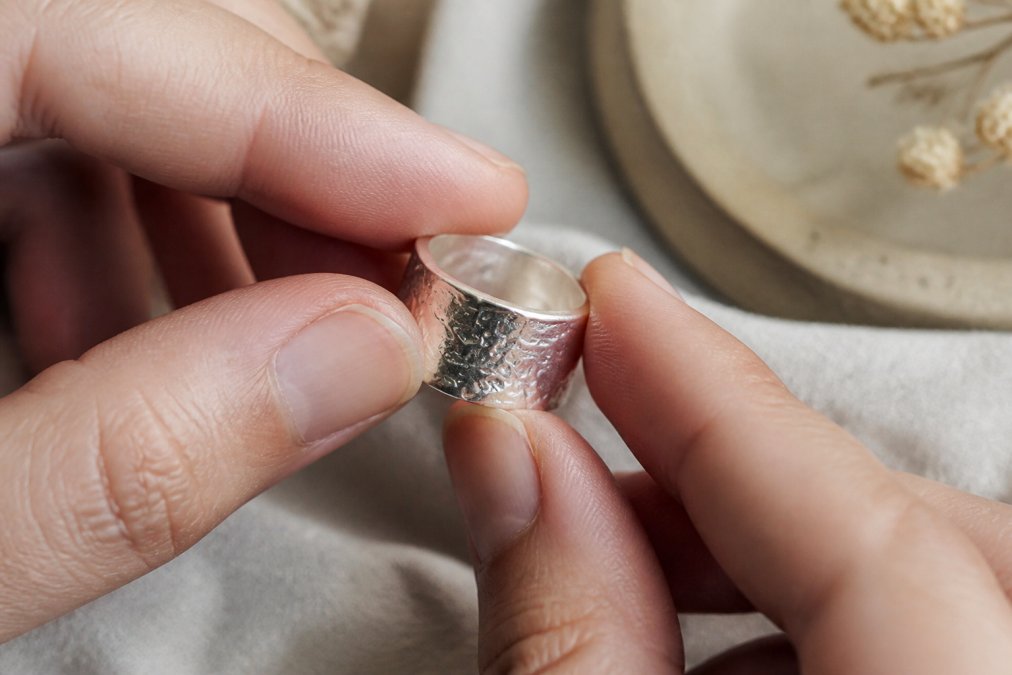
Look for hallmarks. In the UK, silver jewellery must be hallmarked if it's sold as sterling silver. The hallmark indicates the metal content and provides assurance that what you're buying is genuine. If a piece claims to be sterling silver but has no hallmark, that's a red flag.
Examine the clasp on bracelets and necklaces. Quality clasps have weight, secure closure mechanisms, and smooth operation. Ask about the maker's process. Genuine artisans can describe how they work, the techniques they use, how long pieces take, and what materials they source and why.
Materials That Define Quality: Sterling Silver, Gold Vermeil, and Lab-Grown Stones
Sterling Silver and Solid Gold Standards
Sterling silver is the foundation of quality affordable jewelry. By definition, sterling silver is 92.5% pure silver mixed with other metals (usually copper) for strength (the FTC). This composition balances durability with the properties that make silver beautiful: its lustre, malleability, and ability to take a high polish.
Solid gold, measured in karats, indicates purity. 18-karat gold is 75% pure gold, whilst 14-karat is 58.3% pure (the FTC). Both are appropriate for jewelry; 18-karat is more precious but softer, whilst 14-karat is more durable for daily wear. The key word is "solid", the entire piece is made from gold alloy, not just the surface.
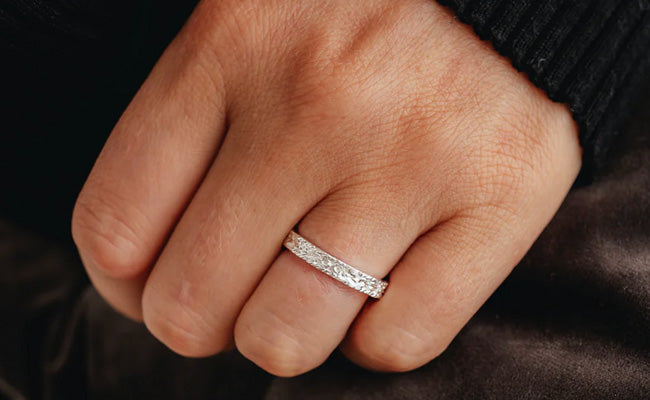
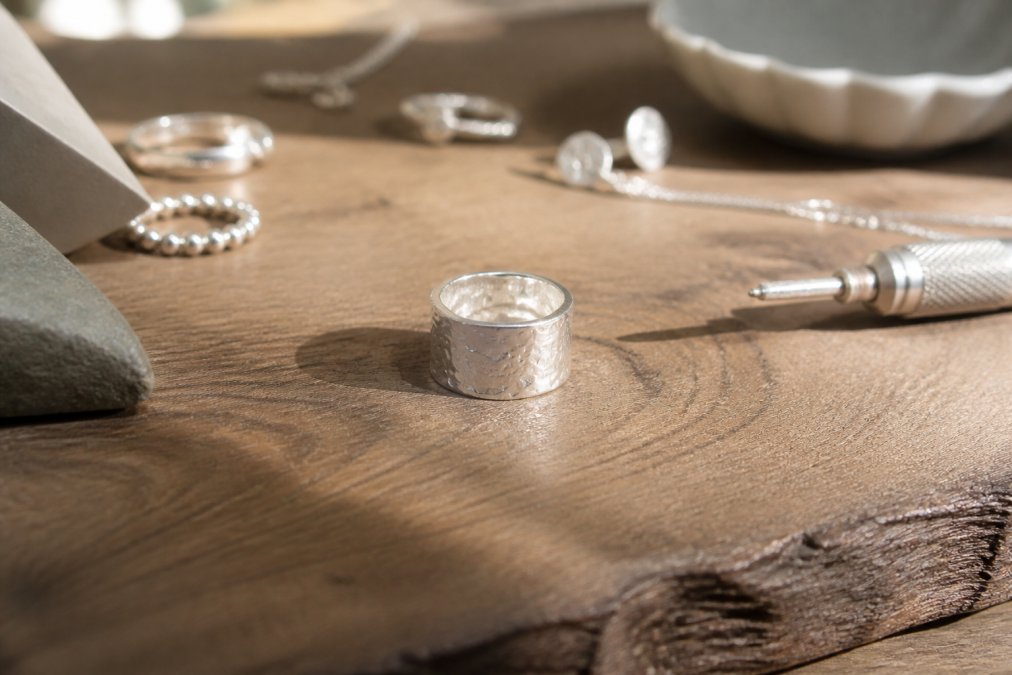
When you buy sterling silver or solid gold jewelry from a reputable maker, you're buying material that has intrinsic value and won't degrade over time. A handcrafted sterling silver ring at £95, like SilverStory's Wide Hammered Band Ring, offers the durability and beauty of solid precious metal without the premium price of gold.

Gold Vermeil and Plated Jewelry
Gold vermeil is sterling silver coated with a layer of gold at least 2.5 microns thick (the FTC). Gold-plated jewelry is a base metal (often brass or copper) coated with gold, typically much thinner than vermeil.
Vermeil, because it sits on sterling silver, can be worn daily and will maintain its appearance longer. The gold layer will eventually wear away with regular wear, but the underlying silver remains. You can have the piece re-plated, extending its life significantly. Gold-plated jewelry on base metal is more fragile; once the plating wears through, the base metal may tarnish or corrode.
A well-made vermeil piece that lasts two years of daily wear often costs less per wear than a plated piece that lasts six months.
Lab-Grown vs. Natural Gemstones
Lab-grown gemstones are chemically identical to mined stones. They form in controlled environments rather than underground over millions of years. For consumers, the practical difference is minimal, the stone's durability, colour, and optical properties are the same.
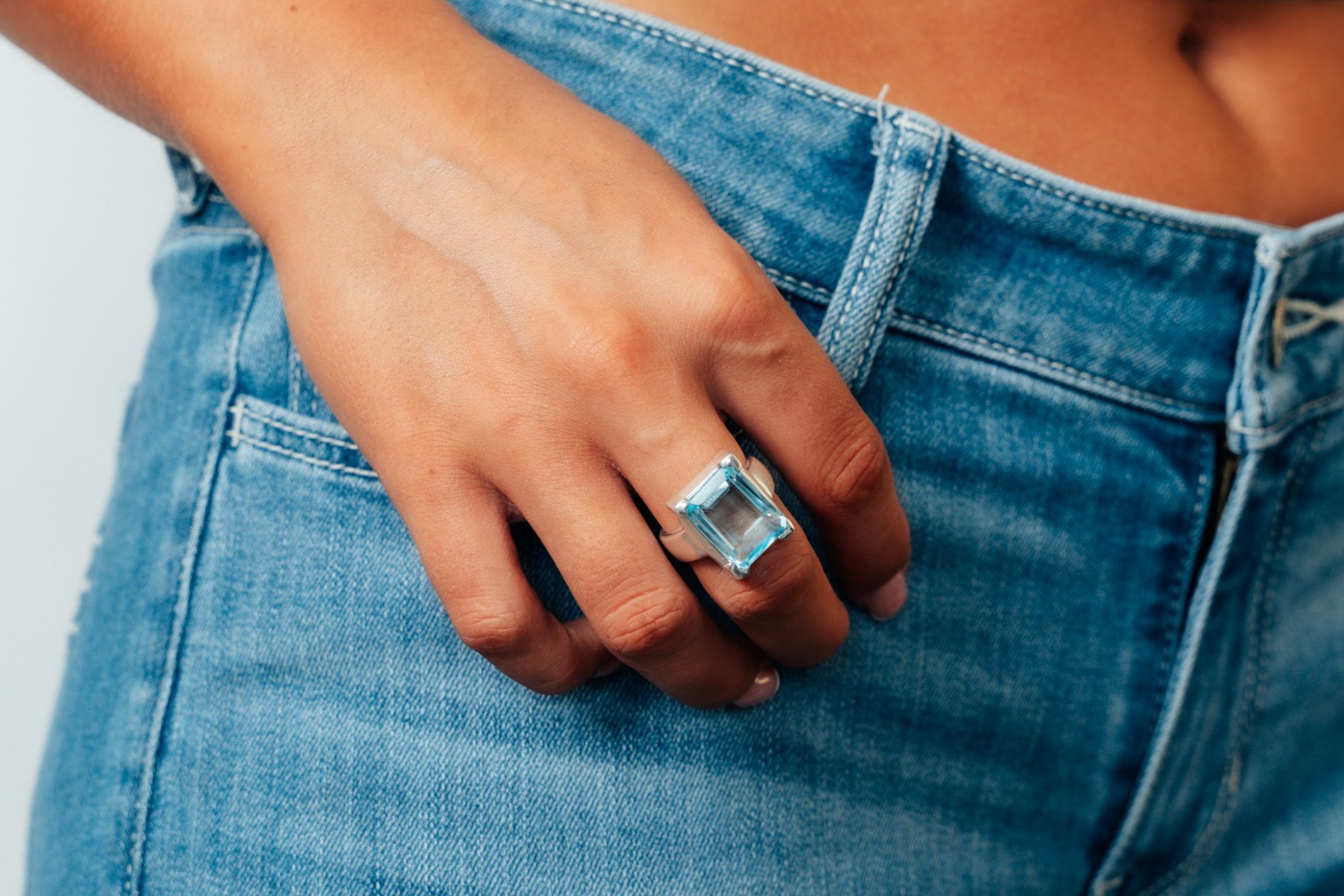
Lab-grown stones cost substantially less than natural stones and avoid the ethical and environmental issues associated with mining. For affordable artisan jewelry, lab-grown stones allow makers to offer gemstone pieces at accessible prices without compromising quality. SilverStory's Silver Crystal Ring, priced at £30, features lab-grown crystals like rose quartz and aqua chalcedony, durable, beautiful, and ethically sourced.
Hallmarking Requirements for Silver Jewellery and Quality Assurance
In the UK, hallmarking is a legal requirement for silver jewellery. Any piece sold as sterling silver must carry an official hallmark applied by an approved assay office. The hallmark certifies the metal content and provides a guarantee that what you're buying is genuine.
The hallmark system protects consumers. Without it, sellers could claim anything is sterling silver, and buyers would have no way to verify. The assay office's mark, typically a lion for sterling silver in the UK, is an independent verification that the piece meets the standard.
When evaluating affordable artisan jewelry, the presence of a hallmark is a positive signal. It means the maker invested in proper assaying and is confident enough in their work to submit it for official verification. If a seller claims to make sterling silver but the piece isn't hallmarked, that's a significant red flag.
Quality assurance extends beyond hallmarking to consistent finishing, secure clasps, and materials that match the description. A maker who stands behind their work will offer returns or repairs if something isn't right.
Ethical Sourcing and Sustainable Craftsmanship
Ethical sourcing means knowing where materials come from and ensuring workers are treated fairly. For silver and gold, this involves sourcing from suppliers who don't use conflict materials and who maintain reasonable labour standards. For gemstones, it means avoiding stones mined through practices that damage ecosystems or exploit workers.
Handmade jewelry is inherently more sustainable than mass production. It generates less waste, requires less energy, and often uses recycled or reclaimed materials. An artisan working in a small workshop produces far fewer emissions per piece than a factory running continuously.
Many affordable artisan makers prioritise these values because they align with the handmade ethos. SilverStory works with skilled artisans in Rajasthan, ensuring fair compensation and sustainable practices. When evaluating a maker's ethical claims, look for specifics. Can they tell you where their silver comes from? Do they work with suppliers they've vetted? Real commitment shows in specificity and transparency.
How to Care for Handcrafted Silver Jewellery to Extend Lifespan
Sterling silver tarnishes naturally over time. This is not a defect, it's a normal chemical reaction when silver is exposed to air and moisture. Tarnish is cosmetic; it doesn't damage the metal.
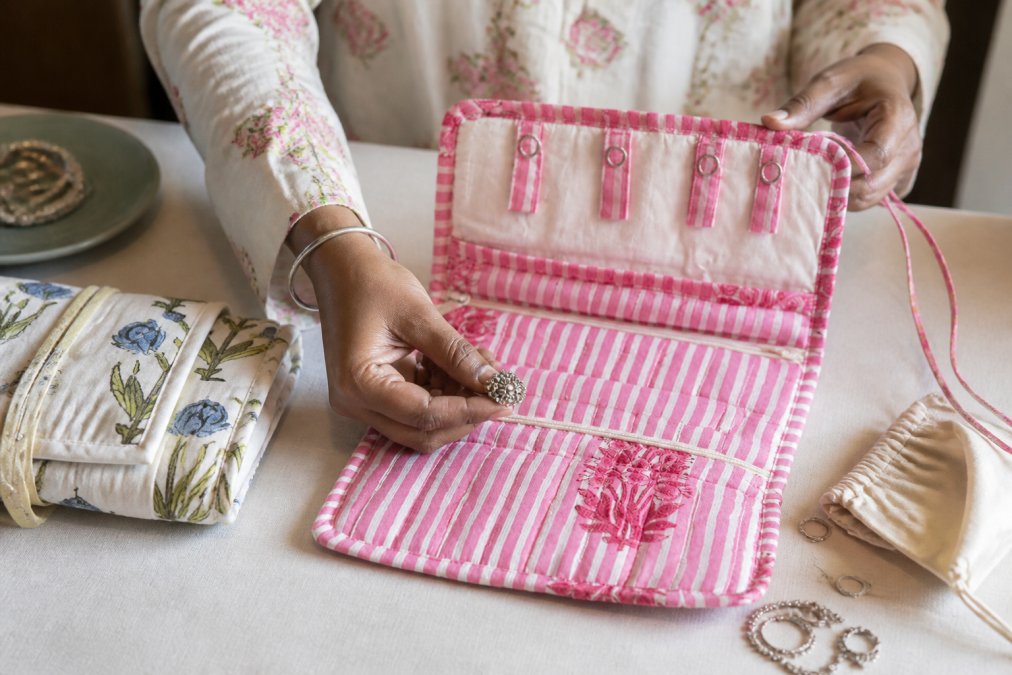
To prevent tarnish, store silver jewelry in a dry environment. A sealed bag or jewellery box works well. If you wear your pieces regularly, tarnish develops slowly because the oils from your skin and friction from wear keep the surface cleaner.
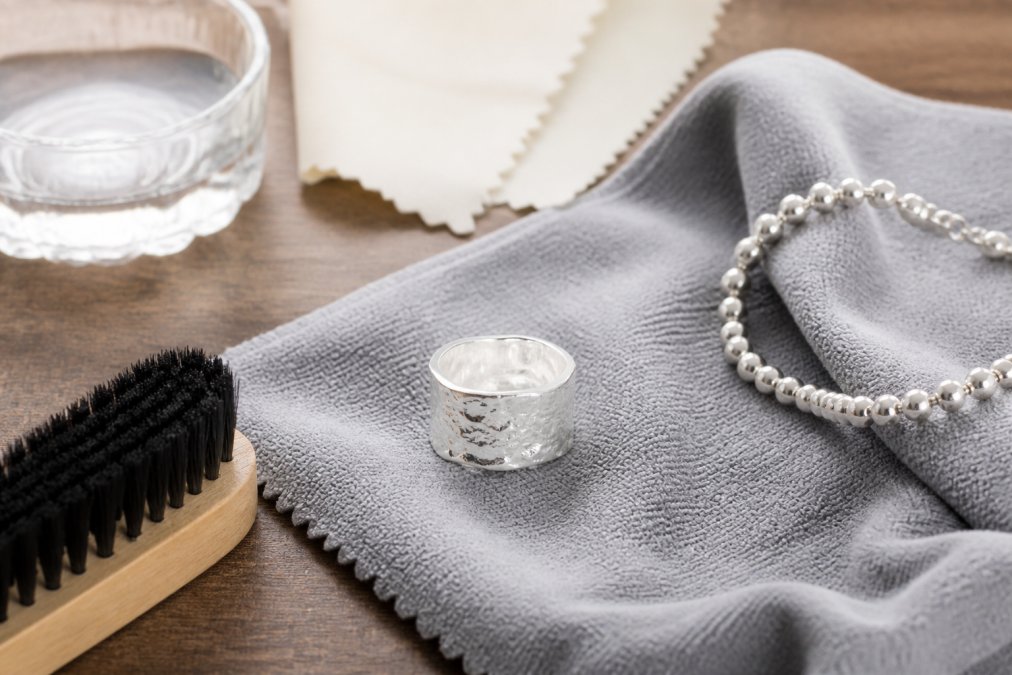
Cleaning is straightforward. Use a soft microfibre cloth to gently polish away tarnish. For heavier tarnish, a silver polishing cloth works well. Avoid harsh chemicals or aggressive scrubbing, which can damage the finish on handcrafted pieces.
For pieces with gemstones, use a soft cloth and warm soapy water, then dry immediately. Avoid ultrasonic cleaners. Remove jewelry before showering, swimming, or exercise. Have clasps checked periodically, a jeweler can tighten a loose clasp or replace a worn one, extending the life of your piece significantly.
With proper care, handcrafted sterling silver jewelry lasts decades, often becoming more beautiful with age as it develops a subtle patina.
Cost-Per-Wear: The Real Measure of Value
Cost-per-wear is a simple calculation that reveals whether a piece offers genuine value. Divide the price by the number of times you'll wear it.
A £65 sterling silver bracelet from SilverStory's Silver Chunky Chain Bracelet collection, worn three times per week for two years, is worn roughly 312 times, approximately 21 pence per wear. Compare that to a £15 plated bracelet that lasts six months of similar use (78 wears at about 19 pence per wear). The sterling silver piece will last another two years, bringing the cumulative cost-per-wear down to roughly 10 pence as you approach four years of ownership.

This calculation reframes how you think about "affordable." A higher-priced piece that lasts longer often costs less per wear than a cheaper piece that deteriorates quickly. Affordable artisan jewelry, because it's made to last, typically wins this calculation against cheaper mass-produced alternatives.
This framework also accounts for emotional value. A handcrafted piece you love and wear frequently has lower cost-per-wear than the numbers alone suggest because of the joy it brings.
Red Flags in Affordable Artisan Jewelry Marketing
If a maker claims their pieces "never tarnish," they're either lying or using heavily plated base metals. Sterling silver tarnishes, it's inevitable. Honest makers acknowledge this and explain care.
Vague descriptions about materials are a red flag. "Silver-tone" or "silver-plated" without specifying thickness or base metal is evasive. Genuine makers state clearly: "sterling silver," "gold vermeil with 2.5-micron plating," or "brass with gold plating."
Claims of "handcrafted" without evidence are suspect. If a maker can't describe their process or show work-in-progress images, they might be reselling mass-produced pieces.
Pricing that seems unrealistically low for the claimed materials should raise questions. Sterling silver has material cost; add labour and overhead, and the price will reflect that. Lack of a return policy or guarantee is concerning. Makers confident in their work stand behind it.
Finally, be cautious of makers who can't or won't answer questions about their production, labour practices, or material sourcing. Transparency is a hallmark of ethical makers.
Choosing affordable artisan jewelry means balancing quality, ethics, and value. The pieces you select should be made from materials that last, sterling silver, solid gold, or quality vermeil, by makers who can explain their work and stand behind it. SilverStory's collection, handcrafted by skilled artisans and priced accessibly, demonstrates that this balance is achievable. When you understand what defines quality, you can confidently invest in pieces that will be treasured for years, making affordable artisan jewelry a genuinely smart choice for conscious consumers.
Frequently Asked Questions
How can I tell if affordable artisan jewelry is actually good quality?
Look for hallmarking on silver pieces (925 or sterling stamps), examine the weight and finish, and check whether seams are smooth and secure. Real artisan jewelry uses solid metals or quality vermeil rather than thin plating. Ask the maker about their materials and production process. Pieces from skilled artisans typically show hand-finished details like texture variation or individual character in stones, these are signs of authentic craftsmanship, not flaws.
Is affordable artisan jewelry durable for everyday wear?
Yes, if made from quality materials. Sterling silver and solid gold withstand daily wear when properly maintained. Gold vermeil (sterling silver with a thick gold layer) also performs well for regular use. Lab-grown stones are as durable as natural ones. The key is understanding the material grade and caring for your pieces: remove jewelry before swimming or intense exercise, clean regularly, and store properly. Handcrafted pieces from reputable artisans are designed to last years with proper care.
What makes artisan jewelry more affordable than luxury brands?
Artisan makers skip expensive retail markups, advertising, and middlemen. They work directly with customers, keeping overhead low. Handcrafted production is efficient when done by skilled workers, it doesn't require factory machinery or mass production costs. Using lab-grown stones and recycled materials also reduces expenses without sacrificing quality. Lower prices reflect streamlined business models, not corner-cutting on materials or craftsmanship.
How do I verify that artisans are being paid fairly?
Ask makers directly about their production practices and worker conditions. Reputable artisan brands provide transparency about where pieces are made and often share stories about their makers. Look for fair trade certifications or ethical sourcing statements. Brands that invest in artisan communities typically highlight this in their descriptions. Fair wages and safe working conditions are increasingly important to conscious makers, and they're willing to discuss them. If a brand avoids the question, that's a red flag.
This article was written using GrandRanker