Why Handcrafted Jewellery Costs More: The True Value
Table of Contents
- The True Cost of Handcrafted Jewellery
- Skilled Labour and Artisanal Craftsmanship
- Quality of Raw Materials and Precious Metals
- Benefits of Buying Handmade Jewellery
- How to Identify Quality Handcrafted Jewellery
- Ethical Jewellery Sourcing Standards and Transparency
- Cost-Per-Wear: Why Handcrafted Pieces Are an Investment
- Conclusion
Last Updated: August 19, 2026
The True Cost of Handcrafted Jewellery
When you compare handcrafted jewellery more expensive to mass-produced alternatives, the price difference often shocks first-time buyers. A handmade sterling silver necklace might cost three times what a factory-produced equivalent sells for. But that gap isn't arbitrary. It reflects fundamental differences in how the pieces are made, who makes them, and what goes into each step of production.
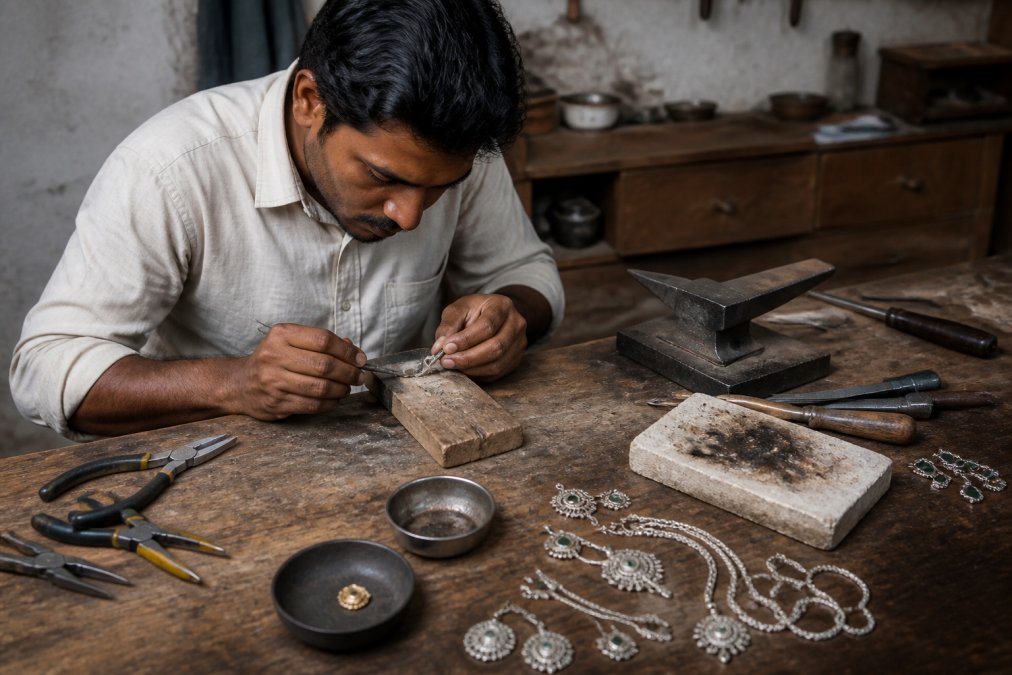
At SilverStory, we work directly with skilled artisans in Rajasthan who craft each piece by hand. This direct relationship gives us insight into exactly why handcrafted jewellery is more expensive than high-street alternatives, and why that premium delivers genuine value.
The real question isn't whether handcrafted jewellery costs more. It does. The question is whether you understand what you're paying for. Once you do, the price makes sense.
Skilled Labour and Artisanal Craftsmanship
The single largest cost factor in handcrafted jewellery is labour. A skilled artisan doesn't simply assemble pre-made components. They design, shape, finish, and polish each piece from raw precious metals using traditional techniques that take years to master.
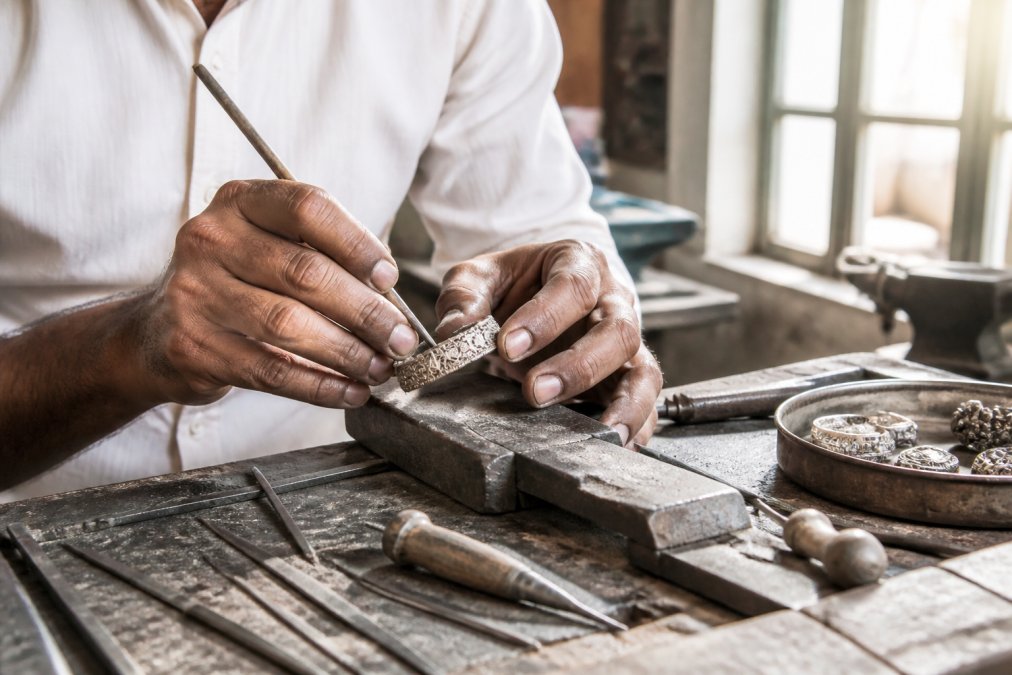
Consider the process. An artisan begins with sterling silver or gold and works it through multiple stages: casting or hand-forging the base shape, filing and refining edges, setting stones if required, hand-polishing to achieve the final finish, and quality-checking every detail. Each stage demands precision and experience. A single pair of earrings might pass through ten distinct steps, each requiring focused attention.
Mass-produced jewellery uses machines to replicate designs at speed. Once a mould is created, a factory can produce hundreds of identical pieces with minimal human intervention. The labour cost per unit drops dramatically because the overhead is spread across thousands of items.
Handcrafted pieces, by contrast, carry the full cost of skilled labour. A worker who has spent five or ten years perfecting their craft commands fair wages, and should. This isn't a hidden markup. It's the honest cost of employing someone with genuine expertise.
A common mistake is assuming that handmade automatically means better. It doesn't. But it does mean intentional. Every choice, which hammer to use, how long to polish, when a piece is finished, comes from experience and judgment, not a preset programme.
Quality of Raw Materials and Precious Metals
Handcrafted jewellery typically uses higher-quality raw materials than mass-produced alternatives. This matters more than most people realise.
A mass-market necklace might use gold-plated base metal, a thin layer of gold applied over cheaper metal underneath. It's affordable upfront, but the plating wears away within months or years, leaving discoloured base metal exposed. A handcrafted piece uses solid sterling silver or solid gold throughout, which means it maintains its integrity indefinitely.
The difference in material cost is real. Solid sterling silver costs significantly more per gram than plated alternatives. But it also means the piece won't tarnish unevenly or lose its finish prematurely. When a customer asks, "How do I know the jewellery actually won't tarnish or lose its shine after a few months?", the answer lies partly in material quality. Sterling silver does tarnish naturally over time, but it can be easily cleaned and polished. Silver-plated pieces, once the plating wears through, cannot be restored to their original appearance.
Sourcing matters too. Ethically sourced precious metals cost more than metals with unclear supply chains. Artisans working with reputable suppliers ensure their raw materials don't fund conflict or exploit workers. That transparency and accountability adds cost, but they also add integrity to the piece.
SilverStory's pieces use solid sterling silver and ethically sourced gemstones. This commitment to material quality is non-negotiable, even when cheaper alternatives exist. It's why our Silver Knot Bangle at £70 will outlast a £15 plated bangle from a high-street retailer by years or decades.

Benefits of Buying Handmade Jewellery
Understanding why handcrafted jewellery is more expensive reveals its advantages. You're not just paying for a product, you're investing in durability, uniqueness, and ethical production.
Longevity and durability. A well-made handcrafted piece can last generations. Solid sterling silver and proper finishing mean the piece withstands daily wear. Repairs are straightforward: a jeweller can re-polish, re-size, or restore a handmade piece. Mass-produced items, once damaged, are often discarded because repair costs exceed replacement costs.
Uniqueness. Each handcrafted piece carries subtle variations that reflect the artisan's hand. Two "identical" pieces are never exactly the same. For gift-givers and self-purchasers, this uniqueness adds meaning. You're not one of thousands wearing the exact same design.
Ethical production. Handcrafted jewellery from reputable makers like SilverStory ensures fair wages, safe working conditions, and sustainable practices. You know the artisans behind your piece were treated fairly. This matters to conscious consumers who want their purchases to align with their values.
Customisation and bespoke design. Handcrafted artisans can modify designs to suit your preferences. Need a necklace in a different length? Want a custom gemstone? An artisan can accommodate requests that mass-production systems cannot.
Better resale value. Quality handcrafted pieces retain value better than mass-produced jewellery. If you ever choose to sell or pass the piece on, its durability and craftsmanship make it desirable to others.
How to Identify Quality Handcrafted Jewellery
Not all jewellery labelled "handmade" is created equal. Some pieces are partially handcrafted, others are mass-produced with minor hand-finishing. Learning to spot genuine quality protects you from overpaying for mediocre work.
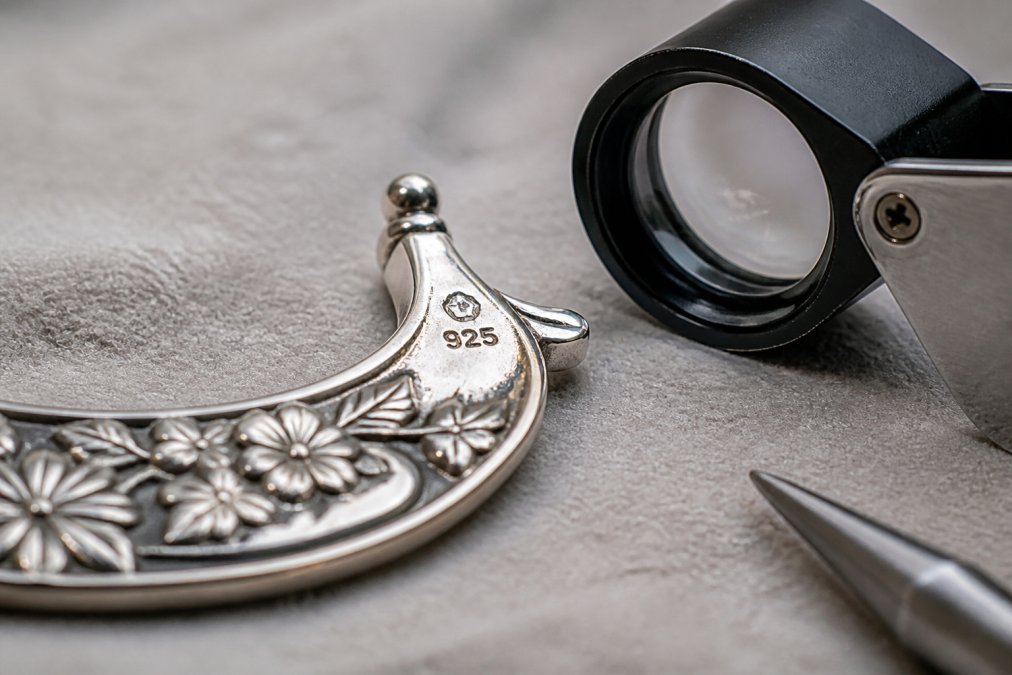
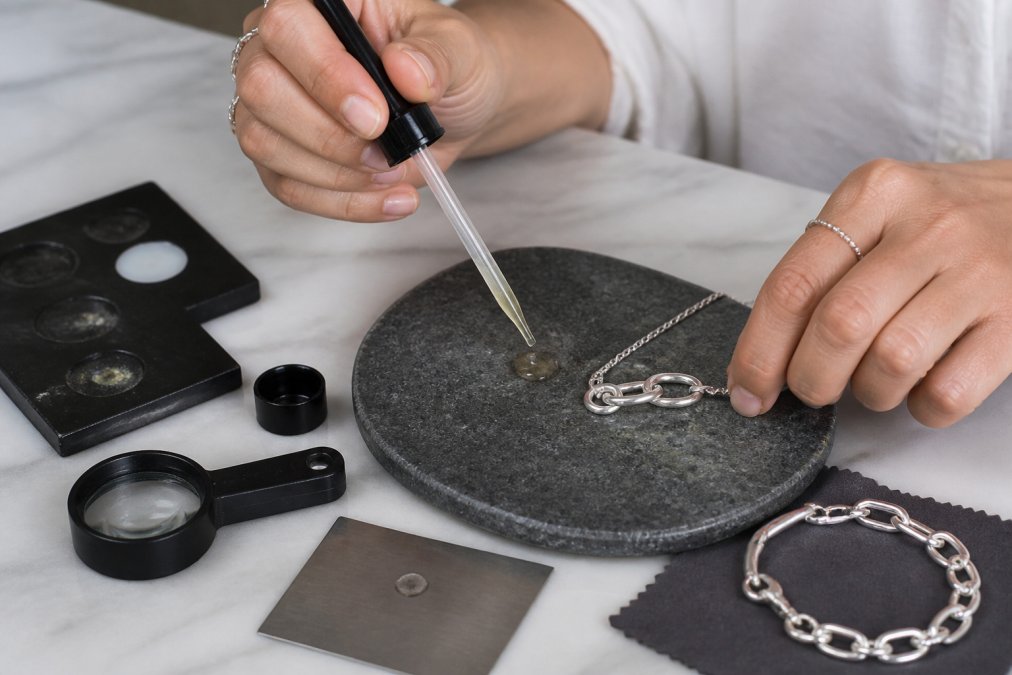
Check for hallmarking. Genuine precious metal jewellery carries hallmarks, official stamps indicating the metal type and purity. Sterling silver bears a "925" mark. Mass-produced plated jewellery rarely includes hallmarks because the base metal isn't precious.
Examine the finish. Run your finger along the piece. Quality handcrafted work feels smooth and refined. Edges are bevelled, not sharp. Polishing is even and consistent. Mass-produced items often have rough edges or uneven finishes where moulds were joined.
Look for design consistency. Handcrafted pieces show intentional design choices. Proportions are balanced, details are purposeful. Ask yourself: does this design make sense? Or does it feel like random elements assembled together?
Ask about the maker. Reputable handcrafted jewellery comes with transparency. The maker or seller should be able to tell you who crafted the piece, where, and what techniques were used. If that information isn't available, it's a red flag.
Test the weight. Solid precious metals are denser than plated alternatives. A solid sterling silver bracelet feels substantial in your hand. Lightweight pieces often indicate plating or base metal.
Verify the price point. Genuine handcrafted sterling silver jewellery rarely costs less than £40-50 for a simple piece. If the price seems too low, the quality probably is too.
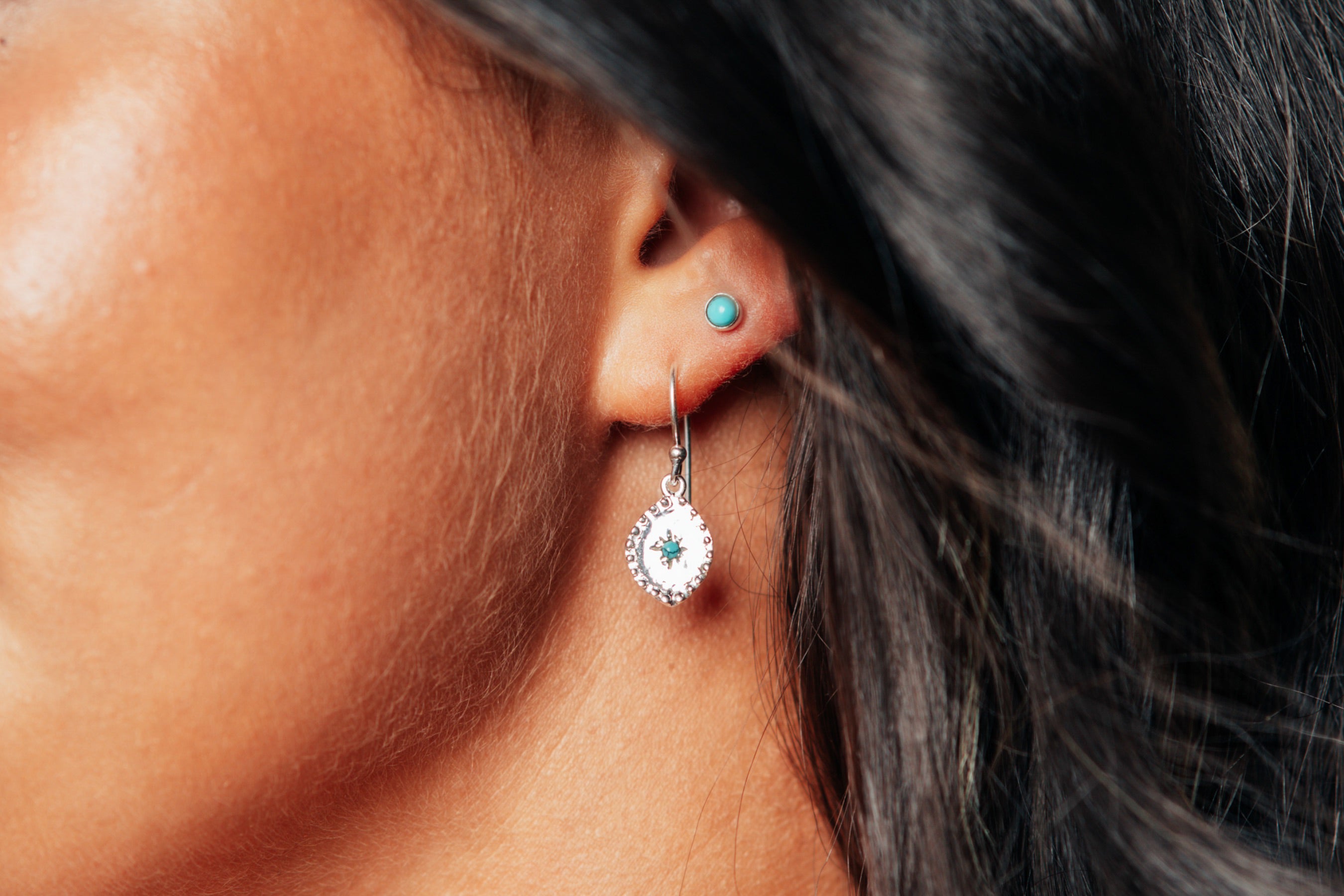
SilverStory pieces come with full transparency about materials, maker, and origin. Our Silver Gemstone Drop Earrings at £50 include solid sterling silver and ethically sourced gemstones, details we can verify because we work directly with the artisans.

Ethical Jewellery Sourcing Standards and Transparency
Ethical sourcing has become a significant cost factor in handcrafted jewellery. It shouldn't be a luxury. It should be standard. But currently, transparency costs money.
Ethical sourcing means verifying where precious metals originate, ensuring they weren't mined in conflict zones or under exploitative conditions. It means confirming that gemstones were extracted responsibly and that workers throughout the supply chain received fair compensation.
This verification process requires documentation, audits, and direct relationships with suppliers. A factory that buys metals from anonymous brokers at the cheapest price pays less than an artisan who sources from verified ethical suppliers. But the factory's savings come at a human cost.
Many consumers ask, "How can I actually verify that the artisans in Rajasthan are being paid fairly?" The answer is direct relationships and transparency. At SilverStory, we work directly with the workshop producing our pieces. We know the artisans, understand their working conditions, and ensure fair wages. This relationship is more expensive than outsourcing to anonymous suppliers, but it's the only way to guarantee ethical production.
Look for makers who can answer these questions:
- Where do your precious metals come from?
- Are your gemstones conflict-free?
- How much do your artisans earn?
- What are your working conditions?
If a maker can't answer these questions, they probably haven't asked themselves. Transparency isn't just ethical, it's a marker of quality and integrity.
Cost-Per-Wear: Why Handcrafted Pieces Are an Investment
Here's a framework that changes how you think about jewellery prices: cost-per-wear.
Cost-per-wear divides the purchase price by how many times you'll wear the piece. A £100 necklace worn 200 times costs 50p per wear. A £15 necklace worn 10 times before it breaks costs £1.50 per wear.
Handcrafted jewellery wins on this metric because it lasts. A quality handcrafted piece worn regularly for ten years, roughly 3,600 wears, costs just a few pence per wear. A mass-produced piece that fails after a year costs significantly more per wear, even if the initial price was lower.
This framework also explains why handcrafted jewellery makes sense as a gift. A £50 handcrafted pair of earrings will outlast dozens of cheaper alternatives. The recipient gets something they'll treasure and wear for years. That's better value than a cheaper piece that disappoints within months.
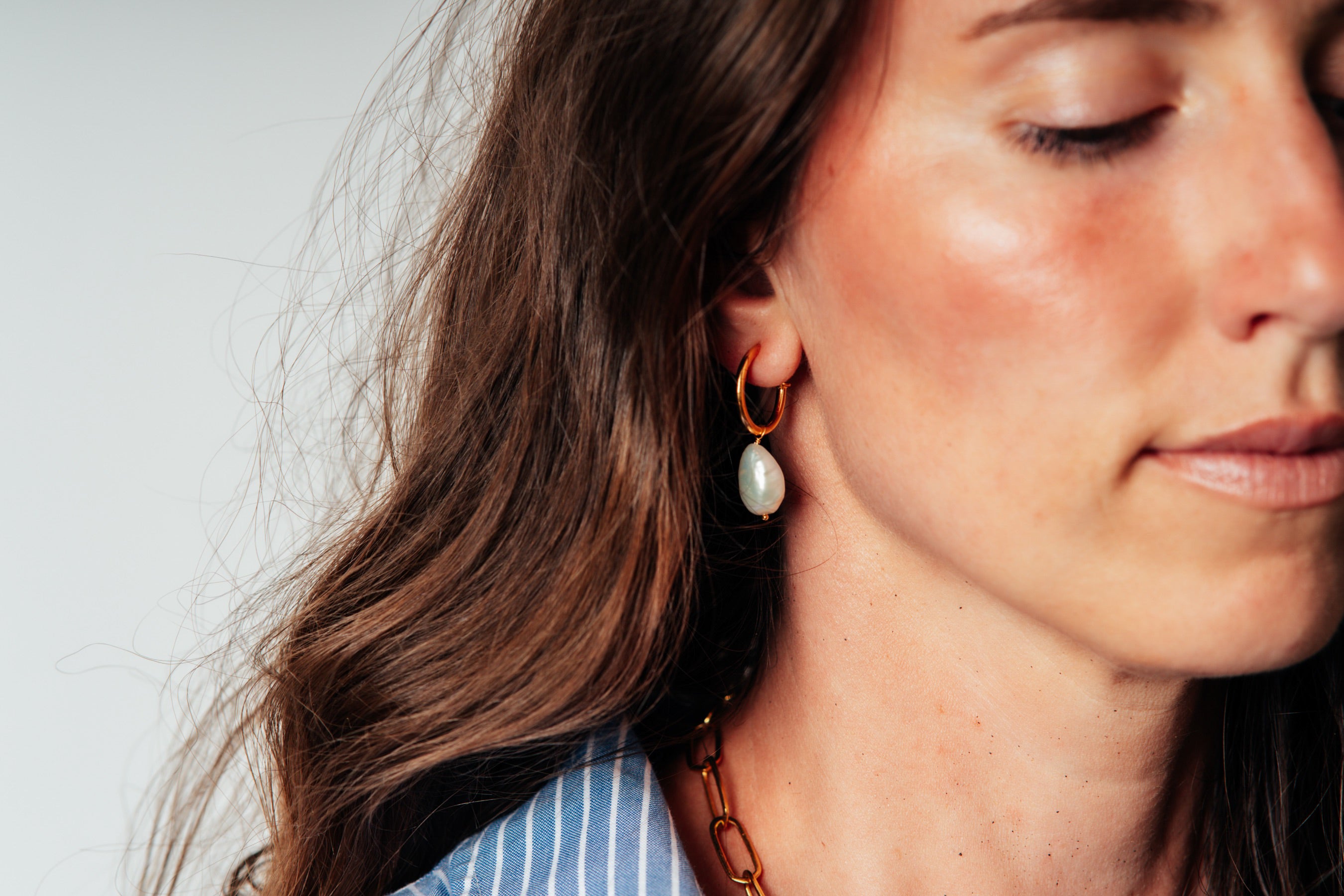
SilverStory's Gold Gemstone Drop Earrings at £60 exemplify this. They're handcrafted in solid sterling silver with gold plating and ethically sourced gemstones. Worn regularly, they'll last for years, making the cost-per-wear minimal compared to mass-produced alternatives.

Ethical Jewellery Sourcing Standards and Transparency
Beyond the cost perspective, understanding ethical standards helps you identify genuinely responsible makers.
Several frameworks guide ethical jewellery production. The Responsible Jewellery Council sets standards for responsible practices throughout the supply chain. The Fairmined certification indicates that gold was mined under fair labour and environmental standards. The Kimberley Process aims to prevent conflict diamonds from entering the market, though it has limitations.
These certifications and standards exist because consumers increasingly demand accountability. Makers who meet these standards incur additional costs, audits, documentation, supply chain verification. These costs are real, and they're reflected in prices.
When you buy from a maker committed to ethical standards, you're paying for accountability. You're paying for the certainty that your purchase didn't harm workers or environments.
Many consumers worry that affordable handcrafted jewellery must be cutting corners. The question "Your prices seem really affordable compared to other artisan brands, is that because you're cutting corners somewhere?" reflects this legitimate concern.
The answer depends on the maker's model. SilverStory keeps prices accessible because we work directly with artisans in Rajasthan, eliminating middlemen and distributors. We don't have high overhead costs or large marketing budgets. We invest in quality and ethics, not in expensive advertising. This allows us to offer handcrafted pieces at prices that feel fair to both artisans and customers.
Conclusion
Why is handcrafted jewellery more expensive? Because genuine quality, ethical production, and skilled labour cost more. There's no way around it. A piece made by hand using solid precious metals and fair-trade practices will cost more than a mass-produced alternative.
But that premium delivers real value: durability that lasts decades, uniqueness that mass production can't replicate, and the integrity of knowing your purchase supported fair wages and ethical practices.
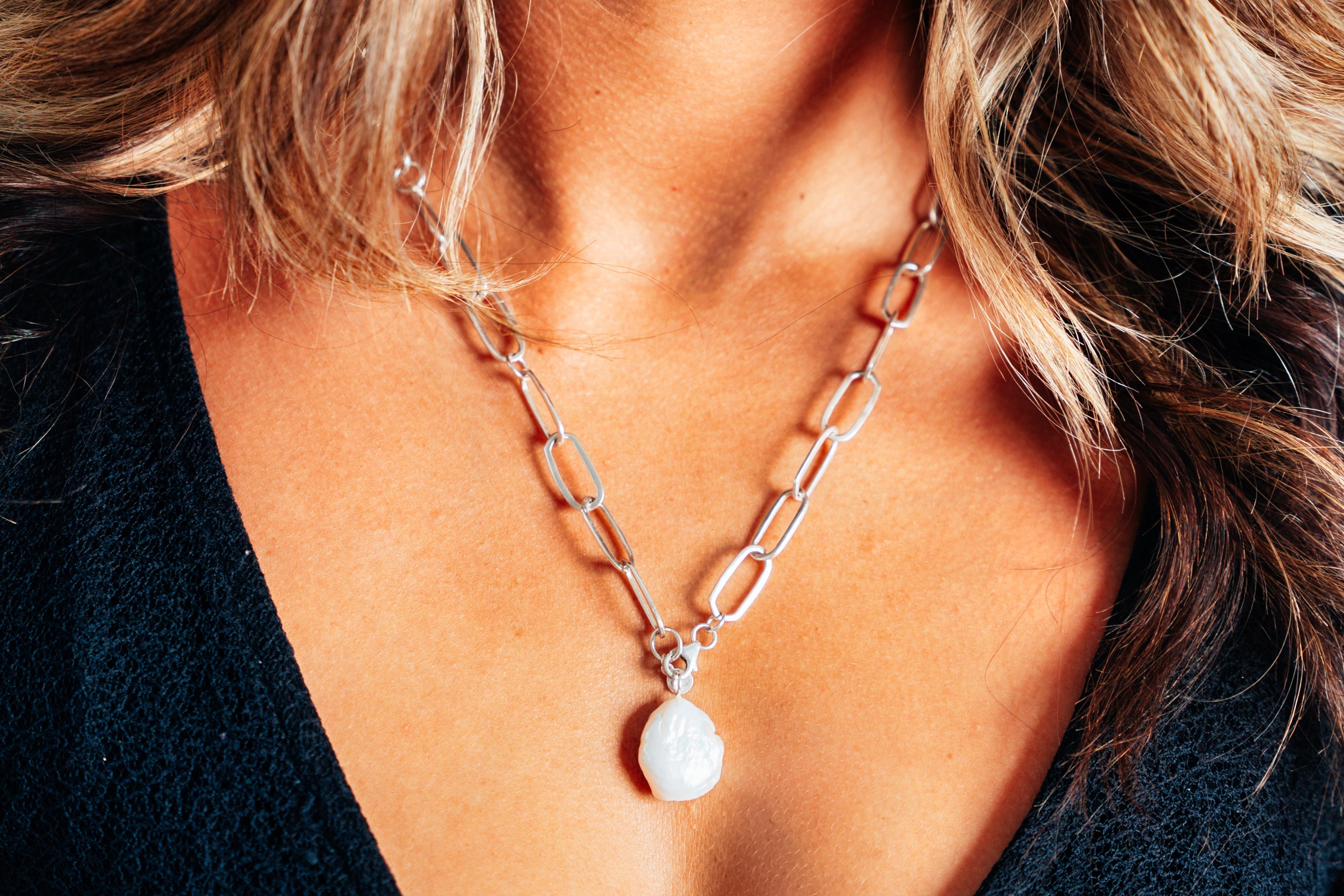
If you're looking for handcrafted jewellery that balances quality, ethics, and accessibility, SilverStory offers exactly that. Our pieces are handcrafted by skilled artisans in Rajasthan using solid sterling silver and ethically sourced gemstones. Explore our collection, from the Silver Interlinked Circle Necklace at £45 to statement pieces, and discover why investing in handcrafted jewellery means investing in pieces you'll treasure for years.
Frequently Asked Questions
What's the difference between handmade and handcrafted jewellery?
Handmade and handcrafted are often used interchangeably, but handcrafted typically implies a higher level of artisanal skill and intentional design. Handcrafted jewellery involves skilled artisans using traditional techniques—casting, stone setting, polishing—to create each piece individually. Handmade may refer to pieces assembled by hand but using pre-made components. True handcrafted pieces demonstrate superior design integrity and durability because the artisan controls every stage of production, ensuring quality at each step.
Is handcrafted jewellery more durable than mass-produced alternatives?
Yes, handcrafted jewellery typically lasts significantly longer. Artisans use higher-quality raw materials like solid sterling silver and precious metals, and they invest time in proper construction techniques that prevent tarnishing and damage. Mass-produced pieces often use gold-plated or lower-grade materials that wear away quickly. A handcrafted sterling silver piece can last decades or even generations with basic care, whereas factory-made jewellery often becomes dull or brittle within months, making handcrafted pieces far better value over time.
How can I verify that handcrafted jewellery is ethically sourced?
Look for brands that transparently document their supply chain and artisan partnerships. Ethical jewellery sourcing standards require traceability from raw material sourcing through production. Check for hallmarking (a mark of authenticity), certifications, and detailed information about where and how pieces are made. Reputable makers like SilverStory openly share that their pieces are handcrafted by skilled artisans in specific locations with fair-wage standards. Ask questions about labour practices, material sourcing, and production conditions—ethical brands are happy to answer.
Why is handcrafted jewellery affordable if it takes so much time and skill?
Handcrafted jewellery doesn't have to be expensive when brands eliminate middlemen and work directly with artisan communities. By sourcing directly from skilled makers in regions like Rajasthan where overhead costs are lower but craftsmanship is exceptional, brands can offer genuinely handcrafted pieces at accessible prices. This model supports fair wages for artisans while keeping costs reasonable for buyers. SilverStory's pieces—like the Silver Knot Bangle at £70 or Silver Gemstone Drop Earrings at £50—prove that ethical, handcrafted quality doesn't require luxury pricing.
This article was written using GrandRanker