

How to Verify Ethical Jewelry Sourcing
Table of Contents
- What Ethical Jewelry Sourcing Actually Means
- Check for Ethical Jewellery Certification UK Standards
- Trace Your Jewelry's Supply Chain
- How to Spot Greenwashing in Jewelry
- Ask Your Jeweler These Key Questions
- Explore Modern Alternatives: Lab-Grown and Second-Hand
- Sustainable Jewellery Trends 2026 and Beyond
Last Updated: August 25, 2026
What Ethical Jewelry Sourcing Actually Means
Ethical jewelry sourcing means tracing where materials come from and ensuring they're extracted, processed, and crafted without harm to people or the environment. It spans every step: from the mine or lab where materials originate, through the workshops where artisans shape them, to your hands.
A ring might look identical whether it funded armed conflict or supported fair wages for skilled craftspeople. A necklace might tarnish within months or last decades depending on sourcing practices and production standards. When you verify ethical jewelry sourcing, you're asking: Who extracted this? Were they paid fairly? Did the process damage ecosystems? Were labour standards respected?
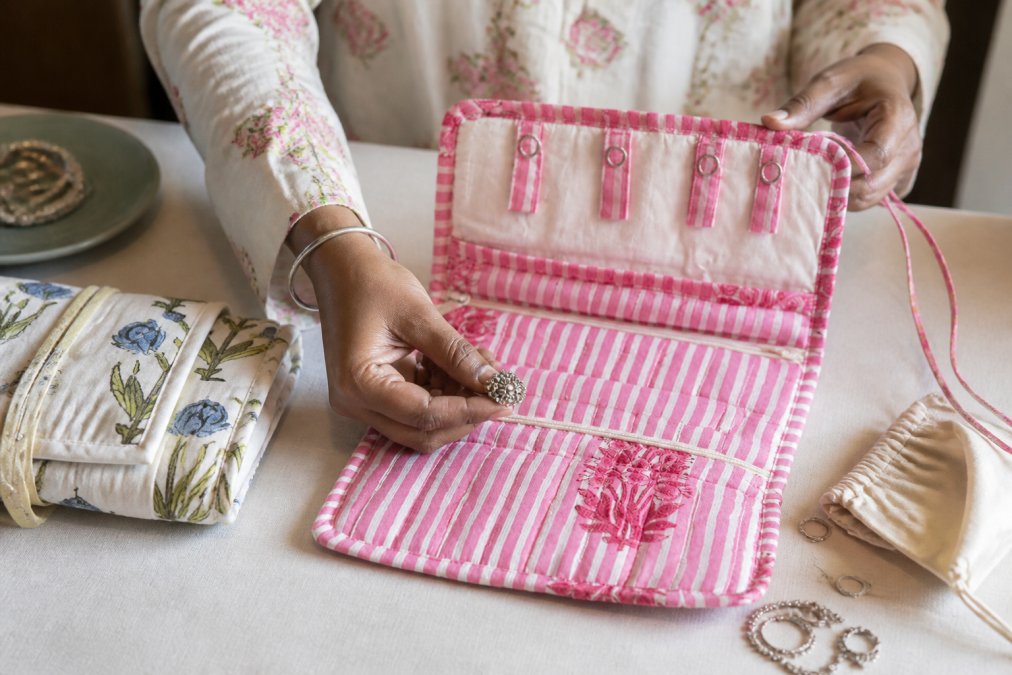
Marketing language like "responsibly sourced" or "artisanal" sounds reassuring but means almost nothing without verification. At SilverStory, we believe transparency isn't optional, it's the foundation of trust. That's why we handcraft each piece with skilled artisans in Rajasthan and make those relationships visible to our customers.
Verification requires effort. You can't simply trust a brand's word. You need to know what to look for: certifications that carry weight, supply chain transparency that goes beyond vague promises, and direct conversations with the people selling to you.
Check for Ethical Jewellery Certification UK Standards
Certifications are third-party verification that someone independent has audited a brand's claims. The most credible certifications for ethical jewellery in the UK include the Fairmined Standard, which certifies that precious metals come from responsible mining operations with fair wages and environmental protections. The Kimberley Process Certification Scheme (KPCS) attempts to prevent conflict diamonds from entering the supply chain, though it has significant gaps and doesn't cover labour conditions. The Alliance for Responsible Mining (ARM) certification focuses on small-scale and artisanal mining with strong environmental and human rights standards.
The Responsible Jewellery Council (RJC) offers the Chain of Custody certification, which tracks precious metals and gemstones from source to retail, creating an audited trail (responsiblejewellery.org). However, RJC certification doesn't guarantee ethical mining practices at the source; it primarily verifies that documented materials haven't been mixed with undocumented ones.
When evaluating certifications, ask: Does this body audit actual practices, or just paperwork? Do they have independent oversight? Can they verify the full supply chain, or just segments of it? A brand displaying multiple certifications suggests they've invested in verification across different aspects of production.
Be cautious of vague claims like "ethically sourced" without backing certification. Certifications from the brand itself, without external audit, aren't verification at all. Real verification comes from bodies that have no financial interest in the outcome.
Trace Your Jewelry's Supply Chain
Supply chain transparency means you can identify specific mines, workshops, and suppliers. Ask your jeweler: Where does the raw material come from? Can they name the mine or lab? Which workshop crafted this piece? A credible answer includes geography and ideally names. Vague responses signal that traceability doesn't exist.
For precious metals, the journey typically runs: extraction (mine or recycled source) → refining → fabrication → artisan workshop → polishing and finishing → retail. A transparent brand can walk you through most of these stages and confirm certifications at each step.
Second-hand and vintage jewelry sidestep some supply chain concerns because sourcing happened years ago. If buying vintage from a retailer, ask how they acquired it. Direct sourcing from estates is more transparent than purchasing from wholesale networks where provenance becomes murky.
For lab-grown gemstones, the supply chain is typically shorter and more controlled than mined stones. Ask which lab created the stone and whether they have environmental certifications. Most reputable lab-grown producers can provide documentation of their process and energy sources.
Documentation matters. Ask for certificates of authenticity, origin statements, or supply chain diagrams. Brands that have invested in traceability systems will have these readily available. If a jeweler hesitates or claims records don't exist, that's a red flag.
How to Spot Greenwashing in Jewelry
Greenwashing in jewelry is rampant. Brands use terms like "eco-friendly," "sustainable," and "ethical" without measurable standards or third-party verification.
Common greenwashing signals include vague language without specifics. A brand claiming to be "committed to sustainability" but offering no metrics, certifications, or concrete practices is likely greenwashing. Ethical brands get specific: they name certifications, disclose sourcing regions, explain production methods, and share impact metrics.
Another red flag is selective transparency. A brand highlights one positive aspect while staying silent about environmental practices or metal sourcing. Genuine ethical commitment spans multiple dimensions.
Imagery and storytelling can mask weak practices. Beautiful photos of artisans or pristine mining landscapes create emotional narratives, but images alone don't verify practices. Look for evidence: certifications, third-party audits, published supply chain information, and detailed customer reviews.
Verify certifications independently. Visit the certifying body's website and search their database. Legitimate certifications like Fairmined or RJC maintain public registries where you can confirm a brand is actually certified.
Price is also a signal. Ethically sourced jewelry costs more because fair wages, environmental compliance, and auditing add genuine expenses. If a brand claims ethical sourcing but prices match mass-market alternatives, something doesn't add up. SilverStory maintains transparent pricing because our ethical practices have real costs, and we believe customers deserve to know what they're paying for.
Ask Your Jeweler These Key Questions
Direct conversation is your most powerful verification tool. A jeweler's willingness to answer detailed questions and provide evidence reveals their commitment to transparency.
Where does the raw material come from? Ask for specifics: the country, ideally the region or mine name, and whether it's newly mined or recycled. A jeweler who can answer this has traced their supply chain.
Is the material certified? Ask which certifications apply. For metals, Fairmined is strong. For gemstones, look for Kimberley Process or ARM certification. For lab-grown stones, ask about the laboratory and their environmental practices.
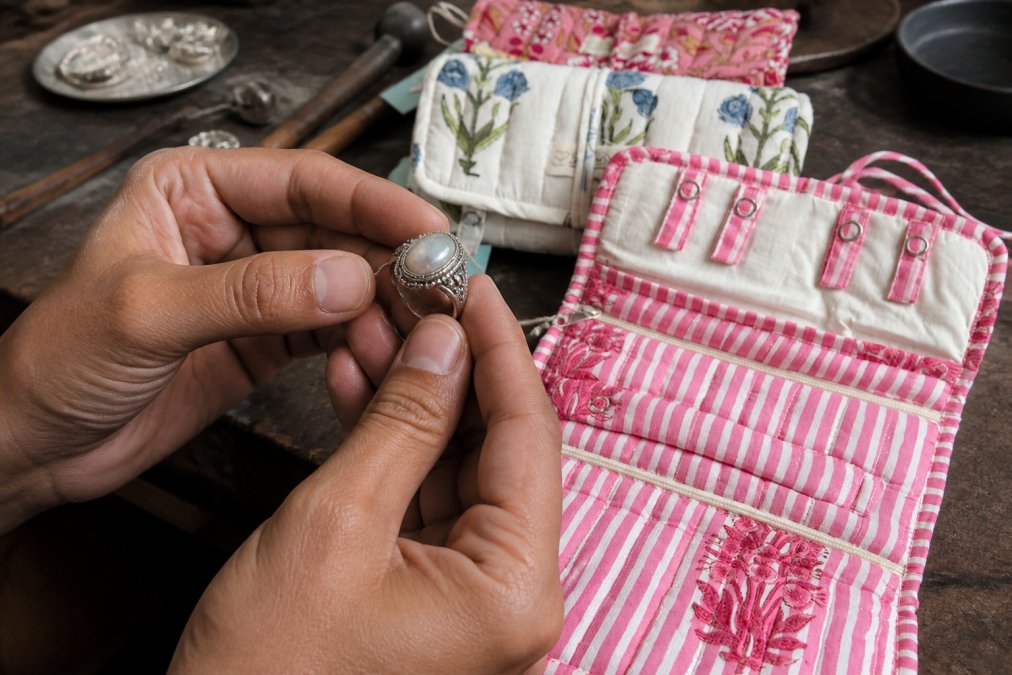
Who made this piece? If it's handcrafted, ask the artisan's name or workshop name. For SilverStory pieces, we can tell you about the specific artisans in Rajasthan who created your jewelry.
What are your labour practices? Ask about wages, working conditions, and whether suppliers are audited. Ethical brands can discuss this openly.
Can you provide documentation? Request certificates of authenticity, origin statements, or supply chain diagrams. Ethical brands keep these records and share them willingly.
What's your return or warranty policy? Ask about durability and what happens if a piece fails.
How do you verify your suppliers? Ask whether they conduct audits, require certifications, or maintain ongoing relationships.
A jeweler who answers thoroughly and provides evidence is someone you can trust. One who deflects or claims records don't exist is signalling that verification isn't a priority.
Explore Modern Alternatives: Lab-Grown and Second-Hand
Two alternatives deserve serious consideration when verifying ethical sourcing: lab-grown gemstones and second-hand jewelry.
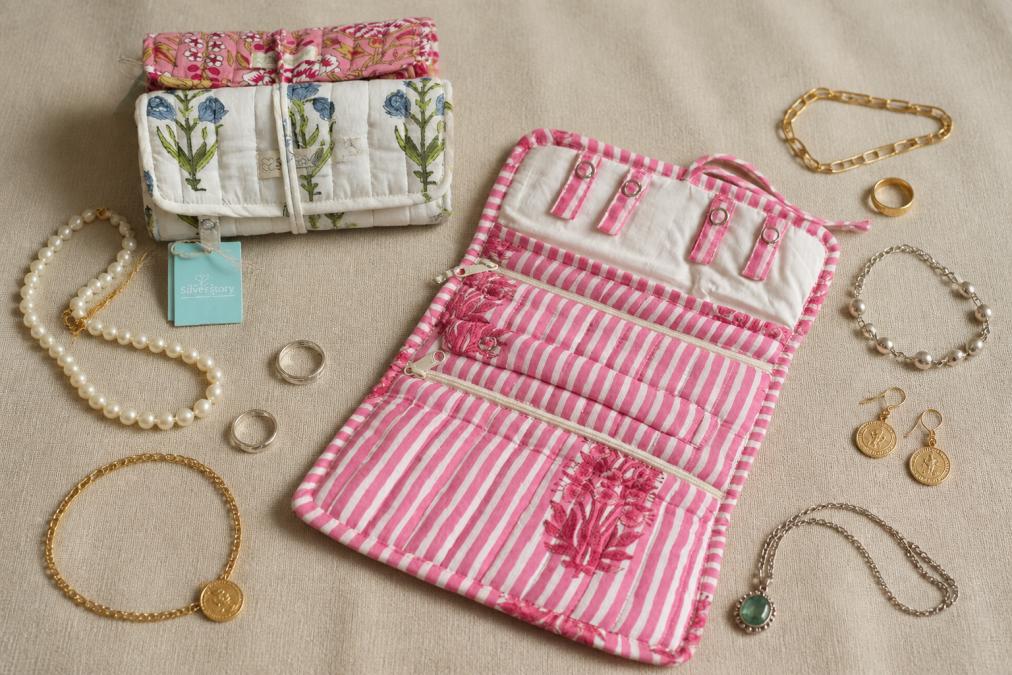
Lab-grown gemstones are chemically identical to mined stones but created in controlled laboratory settings. The primary advantage is supply chain simplicity. You're not relying on complex mining operations across multiple countries; the laboratory is typically the source. Ask which lab created the stone, whether they have environmental certifications, and what energy sources they use.
The environmental impact of lab-grown stones is significantly lower than mined gemstones (peer-reviewed research). Mining requires excavation, processing, and transportation with associated carbon footprints and ecosystem disruption. Lab-grown production uses energy but avoids these extraction impacts. Ask about the lab's energy mix and certifications like ISO 14001.
Lab-grown stones typically cost 30-40% less than equivalent mined stones, reflecting genuine efficiency gains (usgs.gov). For budget-conscious buyers seeking ethical sourcing, they're a practical option.
Second-hand and vintage jewelry bypasses contemporary supply chain concerns entirely. You're extending the life of existing pieces, which is inherently more sustainable. Verification focuses on authenticity and condition rather than sourcing ethics.
When buying second-hand, ask the seller how they acquired the piece. Direct sourcing from estates is more transparent than purchasing from wholesale networks. Request any documentation available: certificates of authenticity, appraisals, or provenance records.
Condition matters more with second-hand jewelry. Ask about repairs, refinishing, or restoration work. Reputable second-hand sellers will disclose condition honestly and offer return policies.
Both alternatives reduce the supply chain risks inherent in newly mined jewelry.
Sustainable Jewellery Trends 2026 and Beyond
The sustainable jewellery landscape is shifting rapidly. Understanding current trends helps you make choices aligned with genuine progress.
Circular design is gaining momentum. Brands are creating jewelry meant to be returned, refurbished, and resold rather than discarded. Some brands now offer take-back programs where you can return worn pieces for recycling or refurbishment.
Blockchain and digital verification are emerging tools for supply chain transparency. Some brands are using blockchain to create immutable records of a stone's journey from mine to retail. You can scan a code and see the documented path.
Artisanal and small-scale production is increasingly valued. Consumers want to know the people behind their jewelry. Brands like SilverStory that highlight specific artisans and workshops are responding to this demand.
Recycled and reclaimed materials are becoming standard, not niche. Recycled precious metals have zero extraction impact and identical properties to newly mined metals. More brands are committing to recycled content targets.
Transparency as competitive advantage is reshaping the market. Brands that can verify and communicate their practices are winning customer loyalty. Vague marketing is becoming a liability.
Lab-grown and cultivated gemstones are moving mainstream. As consumer understanding improves and lab quality increases, these alternatives are shedding their "inferior" perception.
Verifying ethical jewelry sourcing requires effort, but it's straightforward once you know what to look for. Start with certifications, trace the supply chain, spot greenwashing, ask direct questions, and consider modern alternatives like lab-grown stones or second-hand pieces.
At SilverStory, we've built transparency into everything we do. Our handcrafted pieces are created by skilled artisans in Rajasthan, and we're committed to fair wages, quality materials, and environmental responsibility. When you choose SilverStory, you're choosing jewelry backed by verifiable practices and genuine care for the people and processes behind each piece. Explore our collection and discover the difference conscious craftsmanship makes, add a piece to your collection today and wear jewelry you can feel good about.
Frequently Asked Questions
What certifications should I look for when verifying ethical jewelry?
Look for third-party certifications such as the Responsible Jewellery Council (RJC), Fairmined for precious metals, and the Kimberley Process for conflict-free diamonds. Independent audits and chain of custody documentation from your jeweler are equally important. Ask for certificates and verify them directly with the certifying body rather than relying solely on the retailer's claims.
How can I verify a jeweller's ethical claims?
Request documented proof: supply chain transparency reports, third-party audit results, and supplier codes of conduct. Ask specific questions about where raw materials originate, labour practices, and environmental standards. Ethical jewelers welcome these questions and provide detailed answers. Be wary of vague language like 'ethically sourced' without supporting documentation. Genuine ethical jewelers can trace their supply chain back to the source.
What does greenwashing in jewelry look like?
Greenwashing appears as vague claims without evidence: 'eco-friendly' jewellery with no certifications, 'sustainable' sourcing with no supply chain transparency, or 'conflict-free' labels without third-party verification. Watch for marketing that emphasizes environmental benefits without addressing labour practices or mining regulations. Be sceptical of brands that use green imagery but provide no audit reports or certification details. Legitimate ethical jewelry includes specific certifications, transparent sourcing information, and verifiable due diligence documentation.
Are lab-grown diamonds and recycled jewelry genuinely more ethical?
Lab-grown diamonds eliminate mining-related environmental impact and conflict concerns, but verify the laboratory's energy sources and labour practices. Recycled jewelry avoids new mining entirely and reduces environmental footprint, but ensure the recycler follows ethical standards. Both options require verification: ask for documentation of sourcing, manufacturing conditions, and certifications. Second-hand vintage pieces offer sustainability benefits by extending product life, though provenance can be harder to verify. Each option carries different ethical considerations depending on your priorities.
This article was written using GrandRanker