
Are Handcrafted Silver Necklaces Durable? Facts
Table of Contents
- What Determines a Silver Necklace's Durability?
- Handcrafted vs Mass-Produced: Does the Making Matter?
- Is 925 Silver Good for Everyday Wear?
- Does Sterling Silver Tarnish in Water?
- How to Clean Sterling Silver Jewellery at Home
- Choosing a Durable Handcrafted Necklace That Lasts
- Verdict: Are Handcrafted Silver Necklaces Durable?
- Frequently Asked Questions
Last Updated: September 8, 2026
What Determines a Silver Necklace's Durability?
The short answer is yes, handcrafted sterling silver necklaces durable enough for daily wear exist, but their longevity depends on several factors beyond just the metal itself. Sterling silver is an alloy containing 92.5% pure silver and 7.5% other metals, usually copper, which gives it the strength needed for everyday jewellery The Goldsmiths' Company guide to hallmarking. When you ask whether handcrafted silver necklaces are durable, you are really asking about three things: the quality of the alloy, the construction of the chain, and how the piece is cared for over time.
These elements combine to determine whether a necklace lasts for decades or ends up in a drawer after a few months. The hallmark to look for is 925, which confirms the piece meets the legal standard for sterling silver in the UK. A properly made necklace with sound construction will handle the demands of daily life far better than a cheaper alternative, regardless of how the silver itself behaves chemically.
Durability is not a single quality. It breaks down into scratch resistance, tensile strength, clasp integrity, and the resilience of individual links. A delicate chain will always be more vulnerable than a chunky one, and a poorly soldered jump ring will fail long before the silver ever wears through.
Handcrafted vs Mass-Produced: Does the Making Matter?
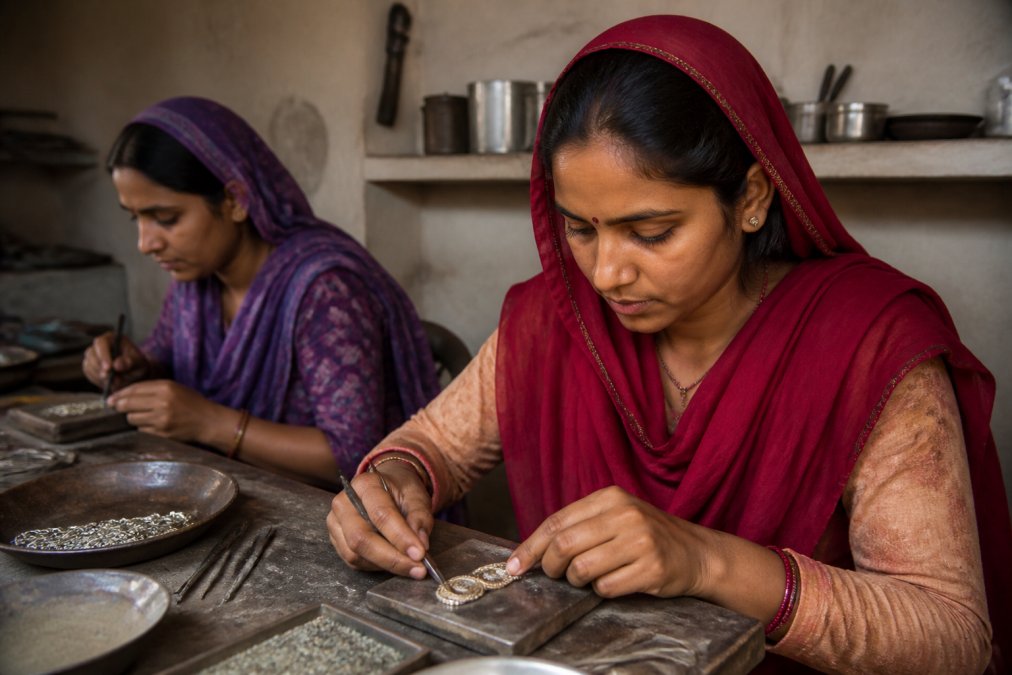
Construction quality is where handcrafted pieces often pull ahead of factory-made jewellery. A mass-produced chain is frequently cast in one piece or assembled by machine with minimal inspection, which can leave microscopic weak points in the metal. Handcrafted silver necklaces are typically fabricated link by link, with each joint soldered and checked individually, producing a stronger overall structure that resists the stress of everyday movement.
The difference becomes obvious at the clasp and the jump rings, the two most common failure points on any necklace. An artisan will usually reinforce these areas or use a higher-grade clasp because they are assembling the piece by hand and can see where strain concentrates. A machine stamping out hundreds of identical pieces rarely makes that adjustment.
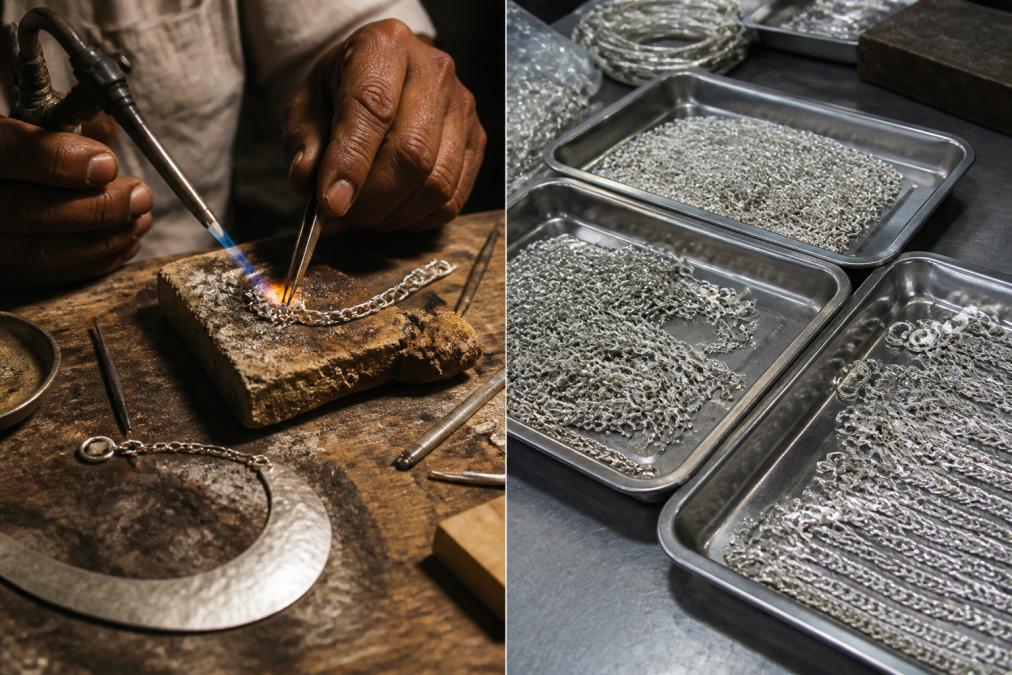
That said, handcrafted does not automatically mean better. The skill of the maker matters enormously. A poorly soldered artisan piece will fail faster than a well-made machine one. The advantage of handcrafted jewellery is the potential for superior quality and, crucially, repairability. If a handmade chain snaps, a jeweller can usually solder it back together seamlessly. Mass-produced pieces, especially those that are cast, are often impossible to repair without visible damage.
Craftsmanship also affects how the metal behaves under stress. Hammered finishes, for example, work-harden the silver, making it denser and more resistant to bending than a plain polished surface. This is one reason why textured, hand-finished designs tend to hold their shape so well.
Is 925 Silver Good for Everyday Wear?
Sterling silver is perfectly suited for everyday wear, provided you choose a design that matches your lifestyle. The 925 alloy is harder than pure silver, which is too soft for regular use, but it is still a relatively soft metal compared to gold or platinum. This means it will bend, scratch, and show signs of wear over time, but that is part of the material's character rather than a defect.
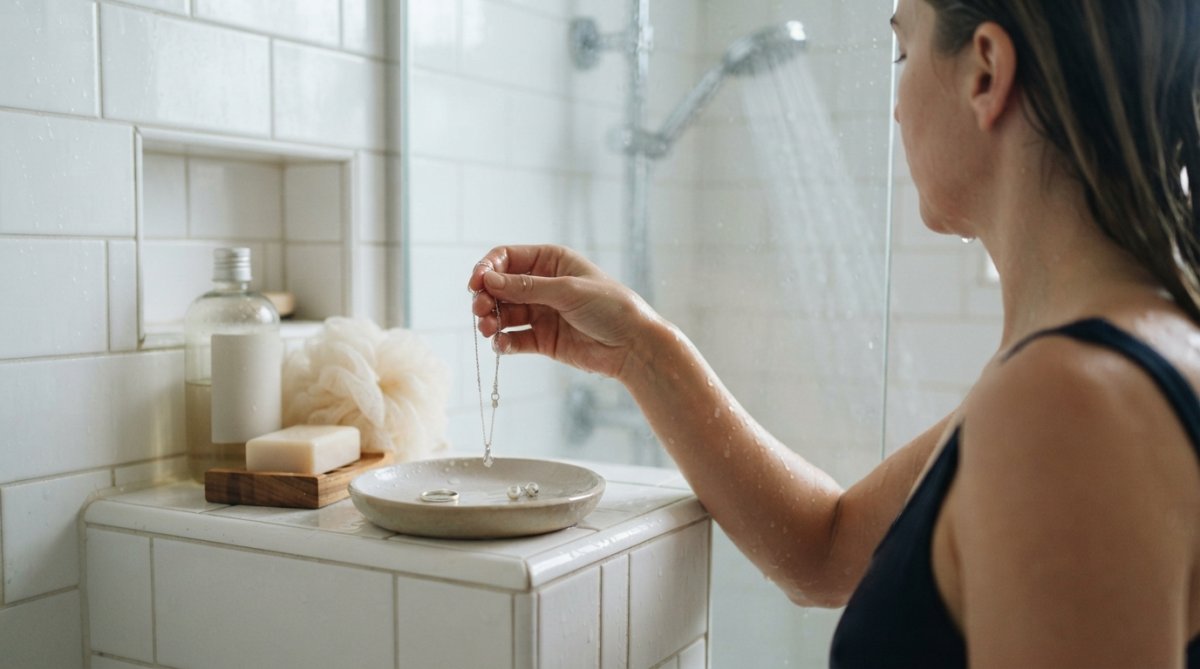
The real question is whether the specific necklace can handle your routine. Someone who works at a desk and removes their jewellery at night will have no issues with a delicate chain. Someone who showers with their necklace on, sleeps in it, and wears it through workouts needs a sturdier construction. This is where the design of handcrafted silver necklaces becomes relevant.
However, the metal's inherent softness is only half the story. The structural integrity of the chain itself is what determines whether a necklace survives daily knocks and tugs. Different link styles have vastly different durability profiles, and this is where many guides fall short.
Cable chains (oval links interlocked in a simple pattern) are the most common and offer a good balance of strength and flexibility. They are forgiving of bending and are easy for a jeweller to repair. Rolo chains (round links) are similar but slightly stiffer, making them more resistant to kinking but slightly more prone to catching on clothing.
Snake chains (a tightly packed series of curved metal bands) look sleek and feel smooth against the skin, but they are the least durable option for everyday wear. Their construction offers little give, so they are prone to kinking and breaking under pressure. A snag on a bag strap can permanently distort a snake chain. Box chains (square links that interlock like a box) are stronger than snake chains but can still catch and pull. Wheat chains (a braided pattern of interlocking ovals) are among the most robust, as the multiple strands distribute stress across several points, making them an excellent choice for a necklace worn daily.
The clasp is the other critical point of failure. A spring-ring clasp is common on lighter chains but its thin wire can bend or break. A lobster clasp is more substantial and its mechanism is less likely to fail. For a necklace you plan to wear every day, a lobster clasp with a solid, well-soldered jump ring is the safest option.
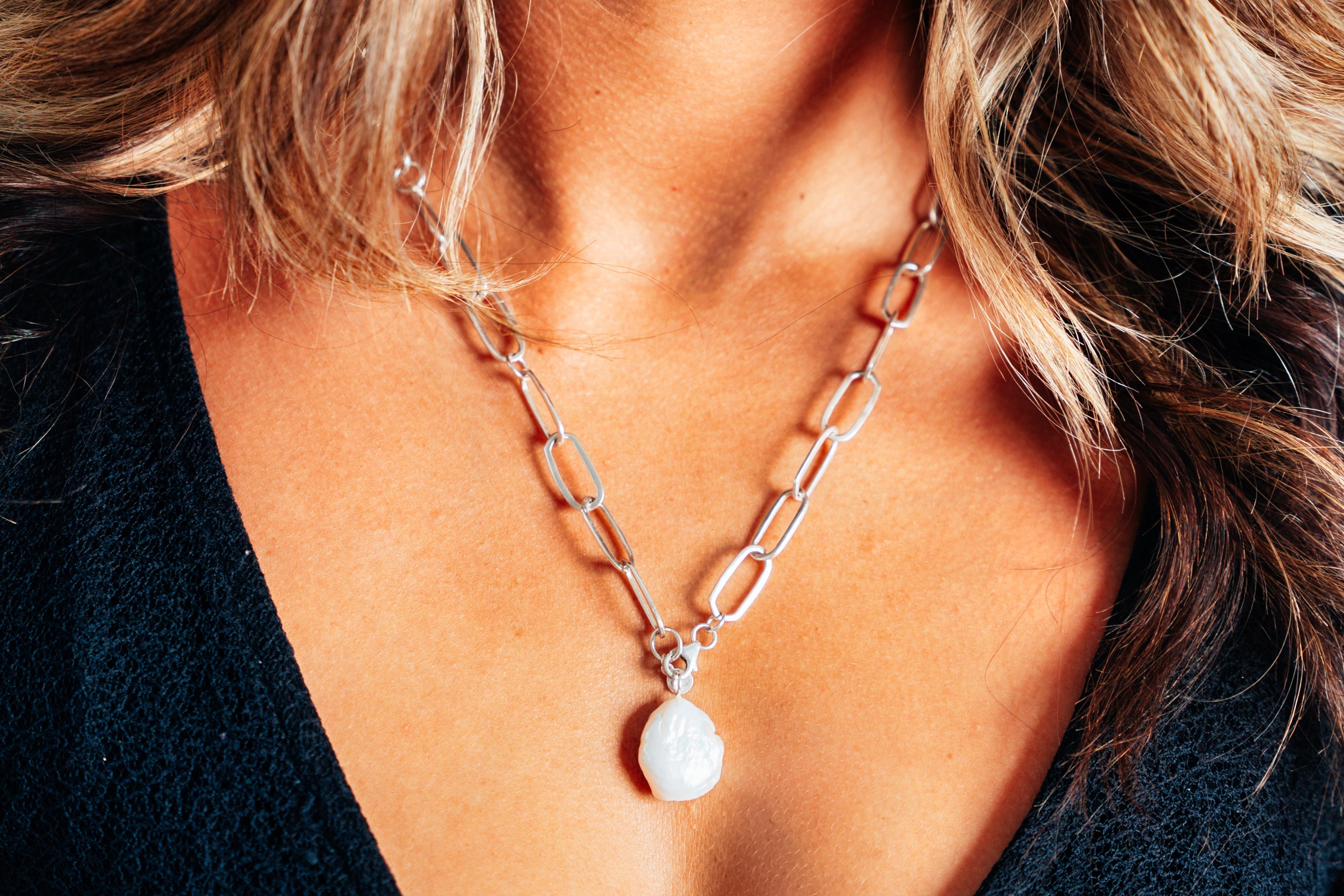
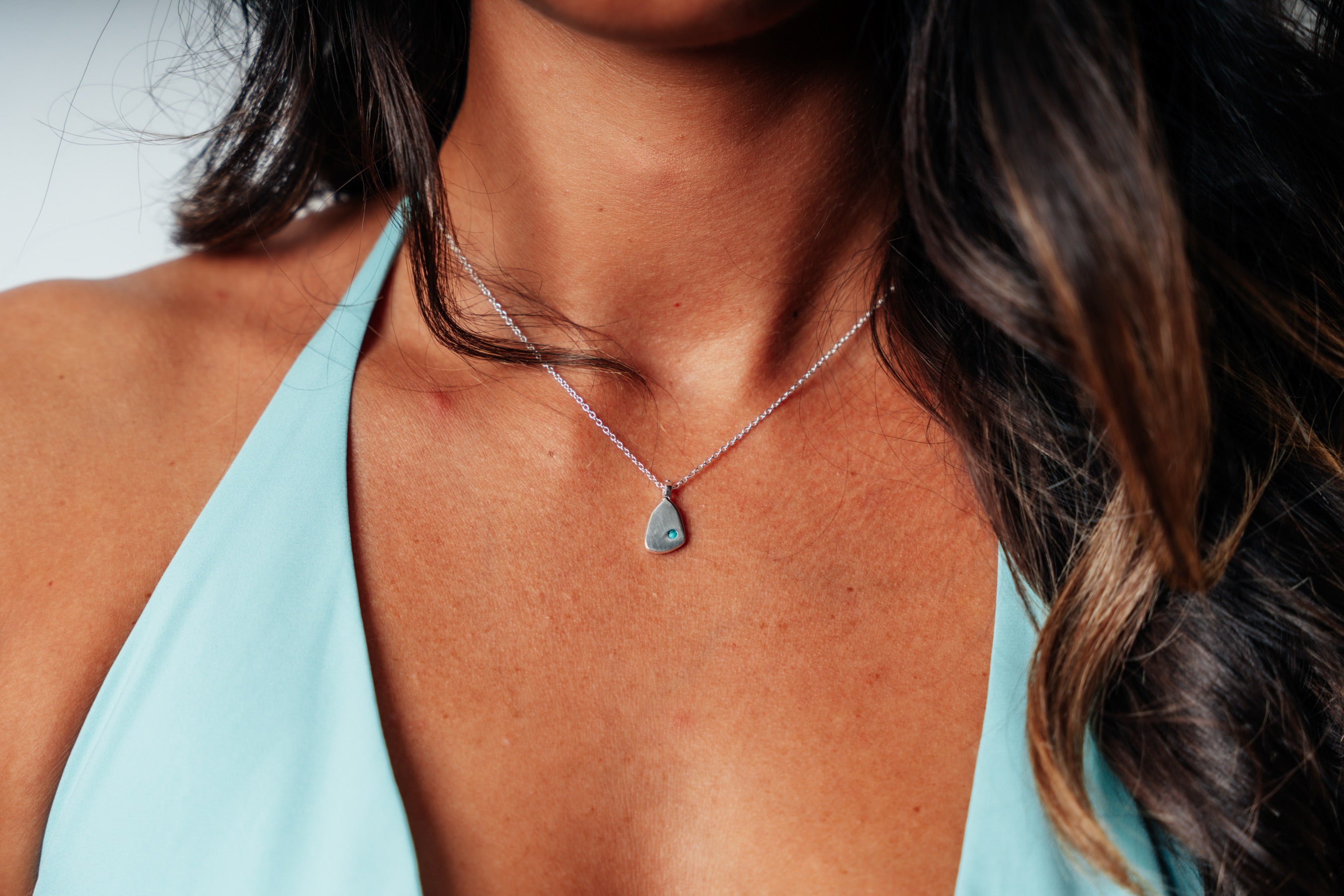
For active daily wear, look for thicker chains, secure lobster clasps, and designs without fragile pendants. The SilverStory chunky chain necklace, at £150, is built for this kind of use, while the delicate mini hammered disc necklace at £55 is better suited to office wear and special occasions. Matching the piece to your routine is the single most effective way to ensure your silver necklace lasts.

Does Sterling Silver Tarnish in Water?
Sterling silver does react with water, but not in the way most people fear. Water alone does not cause tarnish. Tarnish is the result of a chemical reaction between silver and sulphur compounds in the air, which forms silver sulphide, the dark layer you see building up on the surface (chemistryworld.com). Water speeds up this process because it exposes the metal to more of these compounds, and chlorine in particular can be aggressive.
The practical advice is simple: remove your necklace before swimming, especially in chlorinated pools or salt water. Prolonged exposure to chlorine can cause permanent damage that polishing cannot fix (ganoksin.com). For everyday washing, however, brief contact with water will do little harm if you dry the piece afterwards.
What matters more than water is how you store the necklace. Keeping silver in an airtight container or a tarnish-resistant pouch dramatically slows the oxidation process. Humidity accelerates tarnishing, so a dry, cool drawer is better than a bathroom cabinet.
How to Clean Sterling Silver Jewellery at Home
Cleaning sterling silver at home is straightforward and should be done gently to preserve the finish. Many people reach for harsh dipping solutions, but these can strip protective coatings and dull the surface of handcrafted pieces.
The safest method for handcrafted silver necklaces is a soft microfiber cloth designed specifically for silver polishing. Rub the piece gently along the length of the chain, not across it, to avoid snagging links. For heavier tarnish, wash the necklace in warm water with a few drops of mild dish soap, rinse thoroughly, and dry completely with a soft cloth before storing.
Avoid toothpaste, baking soda pastes, and ultrasonic cleaners. Toothpaste is abrasive and will scratch the silver. Ultrasonic cleaners can loosen settings and damage hammered or textured finishes. If your necklace has significant tarnish in hard-to-reach areas, a silver polishing cloth with a built-in tarnish remover is a better choice than any liquid dip.
| Maintenance Task | Frequency | Method |
|---|---|---|
| Light wiping | After each wear | Soft microfiber cloth |
| Deep clean | Every 1-2 months | Warm soapy water, rinse, dry |
| Tarnish removal | As needed | Silver polishing cloth |
| Professional check | Annually | Jeweller inspects clasp and links |
Choosing a Durable Handcrafted Necklace That Lasts
Selecting a durable handcrafted necklace comes down to examining the details rather than just the design. Check the clasp type first. A lobster clasp with a spring mechanism is more reliable than a toggle or a simple hook. The chain itself should feel substantial for its style, with links that move freely without gaps or rough spots.
Consider the pendant attachment. A necklace where the pendant hangs from a soldered jump ring will last far longer than one where it is threaded directly onto the chain, which creates a single point of friction. Our handcrafted designs from ethical workshops in Rajasthan are made with this level of attention, and select products have received 5.0-star ratings.
Skin chemistry also plays a role in how long a necklace looks its best. Some people have naturally more acidic skin or use products containing sulphur, which accelerates tarnish. If you notice your silver darkening quickly, it is likely your body chemistry rather than a fault in the metal. A protective coating or rhodium plating can help, though these wear off over time and need reapplying.
The Hidden Advantage of Handcrafted Pieces: Repairability
A key factor in the long-term durability of a necklace is not just how well it resists damage, but how easily it can be restored when it does break. This is where handcrafted pieces have a distinct edge over their mass-produced counterparts. A handcrafted chain is typically assembled link by link, with each joint soldered individually. When a link snaps or a clasp fails, a skilled jeweller can open the damaged link, re-solder it, and polish the area to be nearly invisible. The repair is straightforward because the structure is uniform and accessible.
Mass-produced chains, particularly those that are cast as a single piece or have hollow-core links, are often impossible to repair without visible damage. A cast chain that breaks may need to be entirely replaced, as re-soldering a cast link can compromise the surrounding metal. Hollow-core chains, which are often used to make chunky designs feel lighter, cannot be repaired at all; once they are dented or cracked, the entire section must be cut out and replaced, which can alter the necklace's drape and balance.
Before you buy, ask the maker or retailer about the construction method. A solid, hand-fabricated chain is an investment that can be maintained for decades. A hollow or cast chain might be cheaper, but its lifespan is finite. This is a crucial distinction that most durability guides miss.
Storage and Travel: Protecting Your Necklace When It's Off
How you store a necklace when you are not wearing it has a significant impact on its long-term durability. The most common problem is tangling, which can stretch or kink delicate links. The second is exposure to air and humidity, which accelerates tarnish.
For daily storage, lay the necklace flat on a soft cloth or hang it on a dedicated necklace stand where it cannot swing and hit other objects. Avoid hooks that force the chain to bend at a sharp angle, as this creates a stress point. For travel, a simple trick is to thread the chain through a drinking straw and clasp it, which prevents it from tangling in your luggage. Alternatively, use a small pillbox or a dedicated jewellery roll with individual compartments.
To slow tarnish, store silver in an airtight container or a tarnish-resistant pouch. Adding a small silica gel packet to your jewellery box can help absorb moisture. A dry, cool drawer is better than a bathroom cabinet, where humidity from showers will accelerate the oxidation process. With this level of care, a handcrafted necklace will not only survive but will continue to look beautiful for years.
Verdict: Are Handcrafted Silver Necklaces Durable?
Handcrafted silver necklaces are durable when they are well made and matched to how you intend to wear them. The 925 sterling silver used in quality pieces is strong enough for daily use, and the hand-finished construction of artisan jewellery typically outperforms mass-produced alternatives at the points where necklaces usually fail.
The key to longevity is not buying the thickest chain possible. It is choosing a piece suited to your lifestyle, caring for it properly, and having realistic expectations about a soft precious metal. Sterling silver will develop a patina over years of wear, and that is part of its charm. With sensible care and occasional professional maintenance, a handcrafted piece can be worn for decades and repaired when needed.
For those seeking ethically sourced, handcrafted silver necklaces that balance beauty with durability, SilverStory's collection of artisan-made pieces in sterling silver offers designs built to be treasured. Discover the beauty of conscious craftsmanship and elevate your look with our thoughtfully designed pieces.
Frequently Asked Questions
What type of silver necklace will not tarnish?
All sterling silver will tarnish eventually because it contains 7.5% other metals, usually copper, which reacts with oxygen and sulphur in the air. The rate depends on the alloy and your environment. Rhodium-plated or lacquer-coated pieces resist tarnish for longer, but the coating wears off with daily use. For a handcrafted necklace, look for a high-quality 925 hallmark and store it in an airtight bag when you are not wearing it. Regular polishing keeps tarnish manageable and your necklace looking bright.
Can I shower with my 925 sterling silver necklace?
It is best to remove your 925 sterling silver necklace before showering. Soap, shampoo and hard water leave a film that dulls the metal, and prolonged exposure to moisture speeds up tarnishing. While occasional contact with water will not ruin a quality piece, daily soaking will. The same applies to swimming, as chlorine and salt water are especially corrosive. Wipe your necklace dry with a soft cloth if it does get wet, and let it air dry fully before storing it.
Does handcrafted silver jewellery last longer than mass-produced pieces?
Often, yes. Handcrafted pieces typically use thicker silver and stronger soldered joins because they are made individually rather than cast in bulk. Mass-produced items may have thinner chains and weaker clasps to cut costs. A handcrafted necklace is also easier to repair, since an artisan can re-solder a link or replace a clasp without damaging the design. With reasonable care, a well-made handcrafted sterling silver necklace can last a lifetime, while a flimsier mass-produced piece might fail within a couple of years.
Which is better, 925 silver or pure silver?
For jewellery, 925 sterling silver is the better choice. Pure silver (99.9%) is too soft for everyday wear; it bends, scratches and loses its shape quickly. Sterling silver is an alloy of 92.5% silver and 7.5% other metals, usually copper, which adds strength while keeping the bright, white appearance. The 925 hallmark confirms this standard. Mass-produced pieces are also 925, so the alloy is the same, but the construction quality is what separates a durable handcrafted necklace from a weaker one.