
What Is Sustainable Silver Jewellery Made From? 2026 Guide
Table of Contents
- What Sustainable Silver Jewellery Is Actually Made From
- Recycled Silver vs Sterling Silver: What's the Difference?
- Ethical Silver Sourcing Standards You Should Know
- How to Verify Sustainable Jewellery Brands
- Blockchain and Digital Ledgers: The New Frontier in Traceability
- The Cost-Benefit Analysis for Small-Scale Jewellers
- Recycled vs Fairmined vs Lab-Grown: Which Silver Is Right for You?
- Frequently Asked Questions
Last Updated: September 25, 2026
What Sustainable Silver Jewellery Is Actually Made From
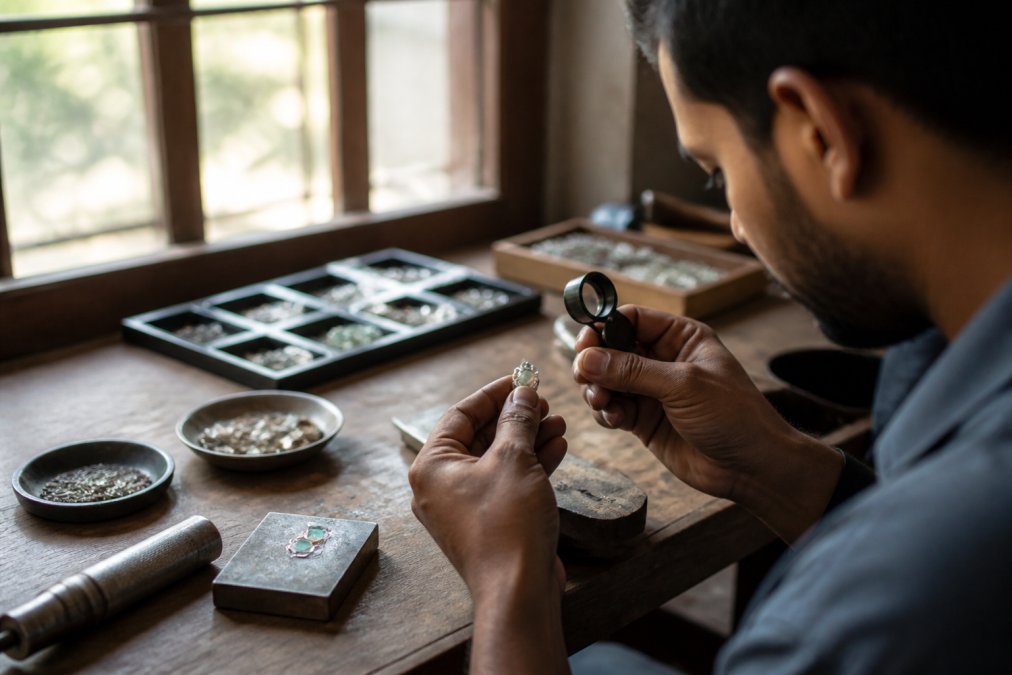
Sustainable silver jewellery is made primarily from recycled silver, Fairmined or Fairtrade certified silver, and ethically sourced gemstones that can be traced back to their origin. At SilverStory, we work with recycled silver and traceable materials because the environmental case for doing so is straightforward: recycled silver requires no new mining, produces a fraction of the carbon emissions of virgin extraction, and keeps existing metal in circulation.
The question of what sustainable silver jewellery is made from matters because "silver" alone tells you nothing about where it came from. A ring can be 925 sterling silver and still carry a supply chain with no traceability at all.
Recycled Silver: The Core Material
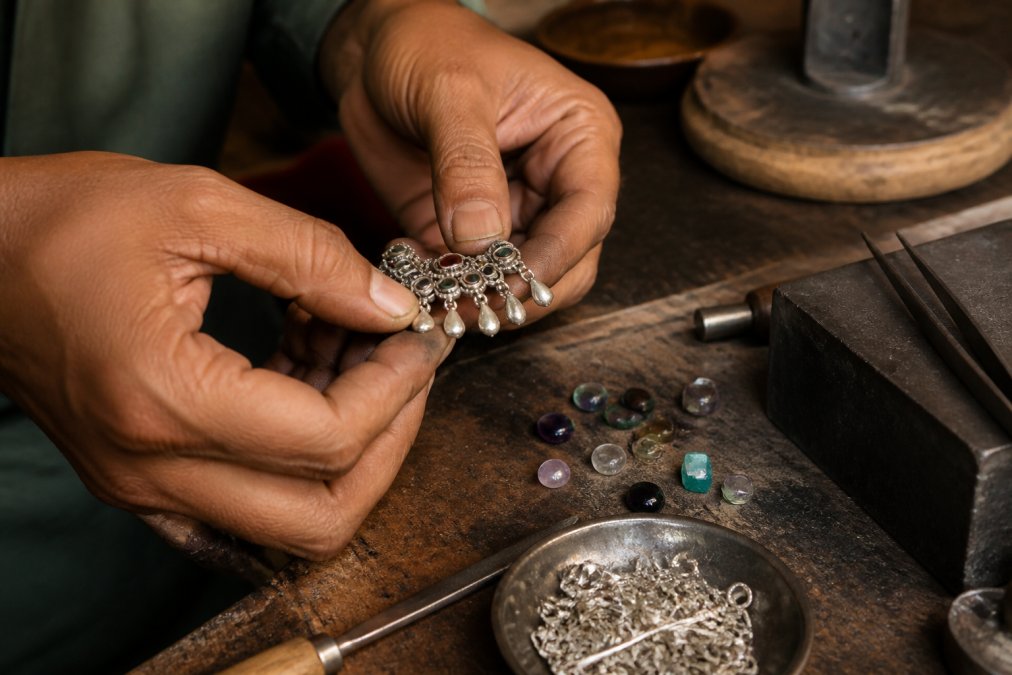
Recycled silver comes from reclaimed sources: old jewellery, industrial scrap, electronic components, and photographic waste. It is chemically identical to newly mined silver, so it carries the same 925 hallmark and behaves identically in wear and tarnish resistance.
The environmental difference is significant. Recycled silver avoids the land disturbance, water use and habitat disruption of primary mining. For buyers, the practical point is simple: you get the same metal without the extraction footprint.
A common mistake is assuming recycled silver is lower quality. It isn't. Refining removes impurities regardless of the metal's previous life.
Ethically Sourced Gemstones and Metals
Ethically sourced gemstones are those with a documented chain of custody from mine to finished piece, free from conflict financing and produced under fair labour conditions. Many pieces combine recycled silver with gemstones whose origin is verified through supplier declarations or third-party certification.
The harder part is verification. Gemstones change hands multiple times before setting, and this commodity anonymisation is exactly where traceability breaks down. Responsible brands document each transfer rather than relying on a single supplier's word.
Recycled Silver vs Sterling Silver: What's the Difference?
Recycled silver and sterling silver describe different things, and conflating them is one of the most common points of confusion. Sterling silver is a purity grade: 92.5% silver alloyed with 7.5% other metals, usually copper, for durability. Recycled silver describes the metal's origin, not its purity.
That means a piece can be both. Recycled sterling silver is sterling silver made from reclaimed metal. The two terms answer different questions:
| Term | What It Describes | Purity Standard | Origin |
|---|---|---|---|
| Sterling silver | Metal composition | 92.5% silver | Not specified |
| Recycled silver | Metal source | Varies | Reclaimed scrap |
| Fairmined silver | Mining standards | Varies | Certified small-scale mines |
| Fine silver | Metal composition | 99.9% silver | Not specified |
For most jewellery, recycled sterling silver gives you the durability of an alloy with the traceability of a reclaimed source. Fine silver is softer and better suited to delicate designs than everyday wear.
Ethical Silver Sourcing Standards You Should Know
Ethical silver sourcing standards are the certification schemes and audit frameworks that verify how silver was mined, refined and traded. Three names come up repeatedly, and they are not interchangeable.
Fairmined and Fairtrade Certification
Fairmined certification applies to small-scale and artisanal mining operations, setting requirements for fair payment, safe working conditions and environmental protection. Fairtrade gold and silver certification works similarly, guaranteeing miners receive a minimum price and a premium for community development.
Both schemes address the same problem: artisanal miners often sell into opaque markets where prices are set against them. Certification creates a documented, auditable relationship between mine and buyer.
The Role of Third-Party Audits
Third-party audits verify that a supply chain meets the standards a brand claims. An independent auditor examines records, visits sites and interviews workers rather than accepting self-reported data.
Where audits fall short is coverage. They verify specific links in a chain, not the whole chain, so a certified refiner does not guarantee a certified mine. Standardised audit frameworks are improving this, but gaps remain between one certification and the next.
UK-Relevant Standards and Regulators
For buyers in the United Kingdom, two frameworks matter most. The London Bullion Market Association (LBMA) sets the Responsible Sourcing Programme, which applies to gold and silver refiners and is recognised by the Bank of England. A refiner on the LBMA Good Delivery List has passed an independent audit against responsible sourcing criteria, including human rights, conflict financing and anti-money laundering.
How to Read a Certification Claim
- Name the scheme. "Fairmined" and "Fairtrade" are specific; "ethically sourced" is not.
- Check the register. Fairmined, Fairtrade and the LBMA all publish lists of certified mines, refiners and licensees. If the brand's supplier is not on the list, the claim is unverified.
- Ask for the scope. Certification may cover only the mine, only the refiner, or the full chain. A refiner certificate does not certify the mine that supplied it.
Fairtrade Foundation's standards for gold and precious metals explains how the certification process works in practice, and the LBMA's Responsible Sourcing Programme publishes its Good Delivery List for refiners.
How to Verify Sustainable Jewellery Brands
Verifying a sustainable jewellery brand means checking whether its claims can be traced to documentation rather than marketing language. Use this checklist before you buy:
- Does the brand name the specific origin of its silver or gemstones?
- Is there a named certification (Fairmined, Fairtrade, or a recognised audit body)?
- Does the brand publish a transparency report or sourcing statement?
- Can it explain where the piece was made and by whom?
- Are claims specific, or limited to words like "eco-friendly" and "conscious"?
- Does it address labour practices, not just environmental stewardship?
Blockchain and Digital Ledgers: The New Frontier in Traceability
Blockchain traceability records each transfer of a material on a shared, tamper-resistant digital ledger. For jewellery, this means a gemstone or batch of silver can carry a verifiable record from mine to refinery to workshop to finished piece.
The Cost-Benefit Analysis for Small-Scale Jewellers
Small-scale jewellers face a real tension: certification and traceability cost money, and margins on handcrafted pieces are already thin. Certification fees, audit costs and the administrative work of documenting a supply chain all add to the price of a finished piece.
Recycled vs Fairmined vs Lab-Grown: Which Silver Is Right for You?
Each option solves a different problem, and the right choice depends on what you prioritise. The key distinction most guides miss is that these three categories carry different transparency requirements, they are not interchangeable claims, and a brand that treats them as such is usually simplifying for marketing rather than accuracy.
Recycled Silver
What it is: Silver reclaimed from old jewellery, industrial scrap, electronics and photographic waste, then refined back to 925 purity.
Fairmined Silver
What it is: Silver from small-scale and artisanal mines certified against the Fairmined Standard, which covers fair payment, safe working conditions and environmental protection.
Lab-Grown Gemstones
What it is: Stones grown in a laboratory rather than extracted from the ground. Chemically and optically identical to mined stones.
The Comparison Table
| Category | What It Certifies | Transparency Burden | Verification Route |
|---|---|---|---|
| Recycled silver | Origin of reclaimed metal | Low, refiner documentation | Refiner records |
| Fairmined silver | Mining conditions and fair payment | High, mine-level audit | Fairmined register |
| Lab-grown gemstones | Growth origin, not extraction | Low, lab documentation | Lab certification |
How to Choose
The Gemmological Association of Great Britain provides guidance on gemstone identification and origin verification.
Frequently Asked Questions
What does 'transparent supply chain' mean in the jewellery industry?
A transparent supply chain means every stage of a piece's journey, from the mine or recycling facility to the finished item, is documented and shared. This includes where the silver was extracted or recovered, how it was refined, and who crafted the final piece. Brands that publish this information allow you to trace a ring or necklace back to its source, which helps confirm claims about ethical sourcing and responsible mining.
Is recycled silver as durable as newly mined silver?
Yes. Recycled silver is chemically identical to newly mined silver because it is purified through the same refining process. It has the same hardness, tarnish resistance, and longevity. The only difference is its origin: recycled silver comes from existing sources such as old jewellery, electronics, or industrial scrap, so no new mining is required. When alloyed with copper to make sterling silver, it performs exactly like its mined counterpart.
How can you tell if silver jewellery is ethically sourced?
Look for third-party certifications such as Fairmined or Fairtrade, which verify responsible practices. Check whether the brand publishes details about its suppliers, refining partners, and artisan workshops. A transparent brand will explain where its silver comes from and how workers are paid. If a company makes vague claims without evidence, treat that as a warning sign. You can also ask directly about chain of custody and audit reports.
What are the environmental impacts of traditional silver mining?
Traditional silver mining can cause habitat destruction, soil erosion, and water pollution from chemical runoff. It is energy-intensive and often produces large volumes of waste rock. In some regions, mining operations have been linked to deforestation and disruption of local communities. Recycled silver avoids these impacts because it recovers metal already in circulation, reducing the demand for newly extracted raw materials and lowering the carbon footprint of the final piece.