How to Tell if Silver is Ethically Sourced
Table of Contents
- What Does Ethically Sourced Silver Actually Mean?
- Recycled Silver vs Mined Silver: Understanding the Environmental Difference
- How to Verify Jewellery Supply Chains
- Ethical Jewellery Certifications to Look For
- Spot Greenwashing: The Red Flags That Signal False Claims
- Testing Silver Authenticity at Home
- Questions to Ask Before You Buy
- Conclusion
Last Updated: August 30, 2026
What Does Ethically Sourced Silver Actually Mean?
Ethically sourced silver is precious metal extracted, refined, and crafted through practices that respect both workers and the environment. It means the artisans who handle your jewellery are paid fairly, work in safe conditions, and that the mining or recycling process minimises environmental damage. Unlike conventional silver production, which often prioritises speed and profit margins, ethically sourced silver prioritises transparency across the entire supply chain, from extraction to your wrist.
The concept goes beyond just "not harmful." It's about active responsibility. When you buy ethically sourced silver jewellery, you're supporting businesses that track where their materials come from, document their production methods, and can prove their claims. This is where many brands fall short. They use the language of ethical sourcing without the systems to back it up.
The difference matters because silver mining is resource-intensive. It requires water, energy, and land. When corners are cut, local ecosystems suffer and workers often bear the cost. Ethically sourced approaches address both. At SilverStory, every piece is handcrafted by skilled artisans in Rajasthan, with transparent sourcing practices built into the process from the start.
Recycled Silver vs Mined Silver: Understanding the Environmental Difference
Recycled silver and mined silver serve the same purpose in jewellery, but their environmental footprints diverge significantly. Recycled silver comes from reclaimed jewellery, industrial waste, and scrap metal that's melted down and refined. Mined silver is extracted from the earth through traditional mining operations. The choice between them shapes both the sustainability story and the ethical claims a brand can legitimately make.
Recycled silver requires far less energy to produce than virgin silver from mining. The refining process is simpler, faster, and generates minimal additional waste. There's no habitat disruption, no water contamination from mining operations, and no new extraction burden on the earth. For environmentally conscious consumers, recycled silver often represents the cleaner choice.
However, recycled silver has limits. Supply is finite, there's only so much scrap metal available in any given year. Some artisans prefer working with newly mined silver because its purity and composition are more predictable. This is where ethical mining standards become crucial. If silver must be mined, the operation should employ responsible practices: minimal water use, proper worker protections, habitat restoration, and waste management.
The real insight most guides miss is this: not all recycled silver is equally ethical. Recycling operations themselves can exploit workers or cut environmental corners. And not all mined silver is inherently unethical, mines operating under strict environmental and labour standards exist, though they're rarer. The label matters less than the verification behind it.
How to Verify Jewellery Supply Chains
Ask for Transparent Documentation
Legitimate ethical brands don't hide their sourcing. When you contact a jewellery maker, ask directly: Where does your silver come from? Can you provide documentation? If the response is vague, evasive, or takes weeks to arrive, that's a red flag.
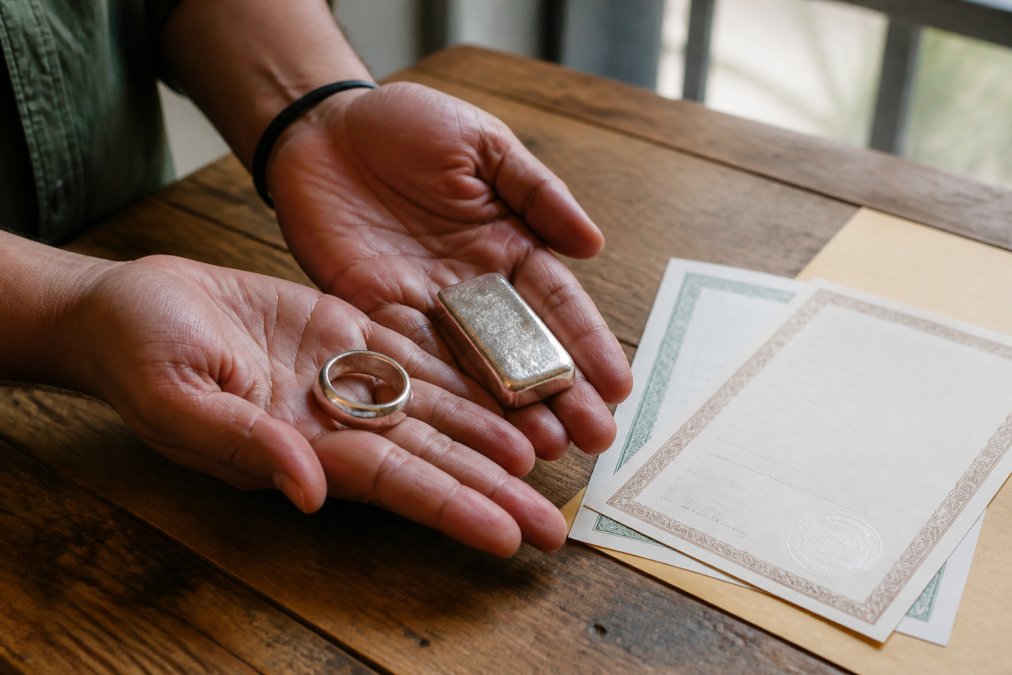
Real transparency looks like this: a clear statement of origin (recycled, mined, or a mix), the refinery or recycling facility used, and ideally, details about mining practices or recycling certifications. Some brands publish this information openly on their website. Others provide it on request. Either way, the information should be specific, not marketing language.
Documentation might include refinery certificates, mining operation certifications, or recycling facility accreditation. These aren't perfect guarantees, but they show the brand has bothered to trace its supply chain. A business that can't or won't provide this level of detail likely hasn't done the work themselves.
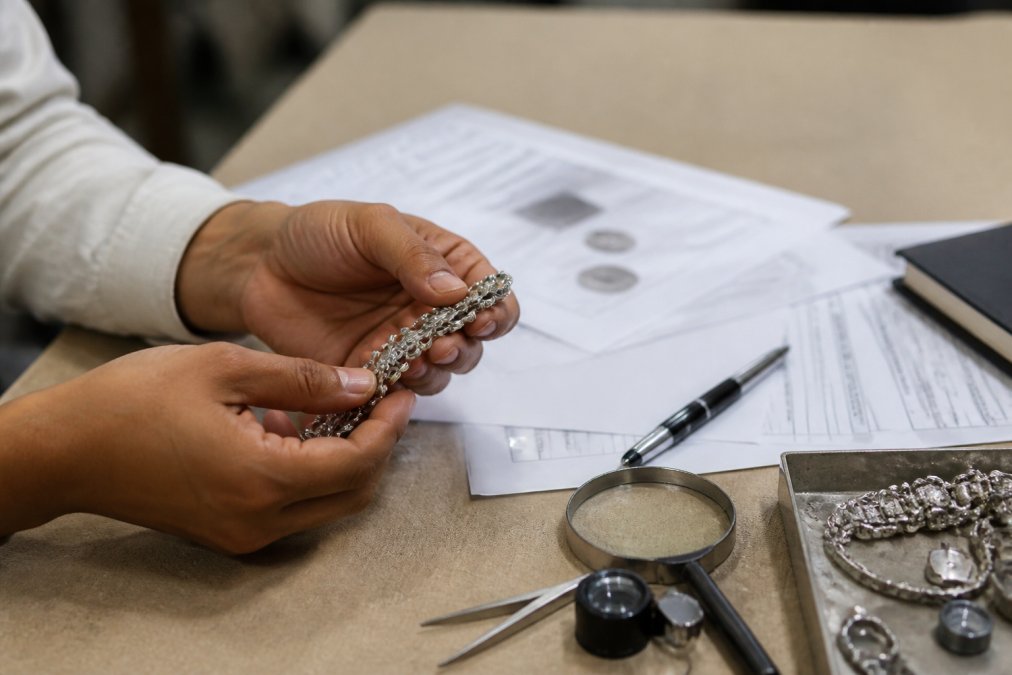
Check for Third-Party Traceability
Third-party verification is where vague claims become measurable facts. Look for brands that work with independent organisations to audit their supply chains. These auditors visit facilities, interview workers, review records, and publish findings. It's expensive and time-consuming, which is exactly why it matters.
Several certification bodies operate in the precious metals space. They assess labour practices, environmental impact, and business transparency. A brand that holds active third-party certification has submitted to external scrutiny. Brands without it are asking you to trust their word alone.
When checking for traceability, ask: Who verified this claim? Is the verification current (within the last 2 years)? Can you see the actual audit results, or just a logo on the website? Logos are easy to fake. Detailed audit reports are harder to fabricate convincingly.
Ethical Jewellery Certifications to Look For
Certifications provide a shorthand for ethical standards, but not all certifications carry equal weight. The strongest ones involve independent auditing, regular re-verification, and transparent published standards.
Fairtrade certification for precious metals is one of the most rigorous (fairtrade.net). It requires participating mines and refineries to meet strict labour, environmental, and business practice standards. Fairtrade-certified silver means workers earn fair wages, work in safe conditions, and communities benefit from production. The certification is audited annually and publicly documented.
The Responsible Jewellery Council (RJC) operates a chain-of-custody system that tracks precious metals from mine to finished jewellery. Members commit to environmental and social responsibility standards and submit to regular audits. RJC certification doesn't guarantee perfection, but it does mean the brand has a verified system in place.
Look also for certifications specific to recycled materials. When silver is recycled, certifications confirm the material genuinely came from reclaimed sources and was processed responsibly. These certifications prevent "greenwashing", the practice of claiming recycled content without proof.
When evaluating certifications, check the issuing organisation's credibility. Who funds them? Are their standards public? Do they conduct unannounced audits? Legitimate certifiers are transparent about their methods. Organisations that keep their standards secret or rarely audit are less reliable.
Spot Greenwashing: The Red Flags That Signal False Claims
Greenwashing happens when brands use ethical language without backing it with action. It's deliberate or negligent misrepresentation. Learning to spot it protects both your values and your money.
Common greenwashing tactics in jewellery include vague claims like "ethically sourced," "sustainable," or "responsibly made" with no supporting detail. These words sound good but mean nothing without specifics. A genuinely ethical brand will explain exactly what those terms mean for their products.
Another red flag is selective transparency. A brand highlights one ethical practice (e.g., fair wages) while staying silent on others (e.g., environmental impact or supply chain origin). Comprehensive ethical practices are messy and complex, brands that oversimplify are often hiding something.
Beware of brands that use environmental imagery (forests, clean water, green logos) without connecting those images to actual practices. Visual branding isn't evidence. Similarly, claims about "supporting local artisans" mean little without details about pay, working conditions, and production methods.
Pricing can signal greenwashing too. If a brand claims premium ethical standards but prices significantly lower than competitors with verified certifications, ask why. Ethical production costs money. Suspiciously cheap "ethical" jewellery often means corners have been cut somewhere.
The greenwashing checklist:
- No specific sourcing information provided
- Vague ethical language without supporting detail
- No third-party certifications or audits
- Selective transparency (highlighting one practice, ignoring others)
- Price significantly lower than verified ethical competitors
- Marketing focused on imagery rather than documented practices
- Evasive or delayed responses when you ask detailed questions
Testing Silver Authenticity at Home
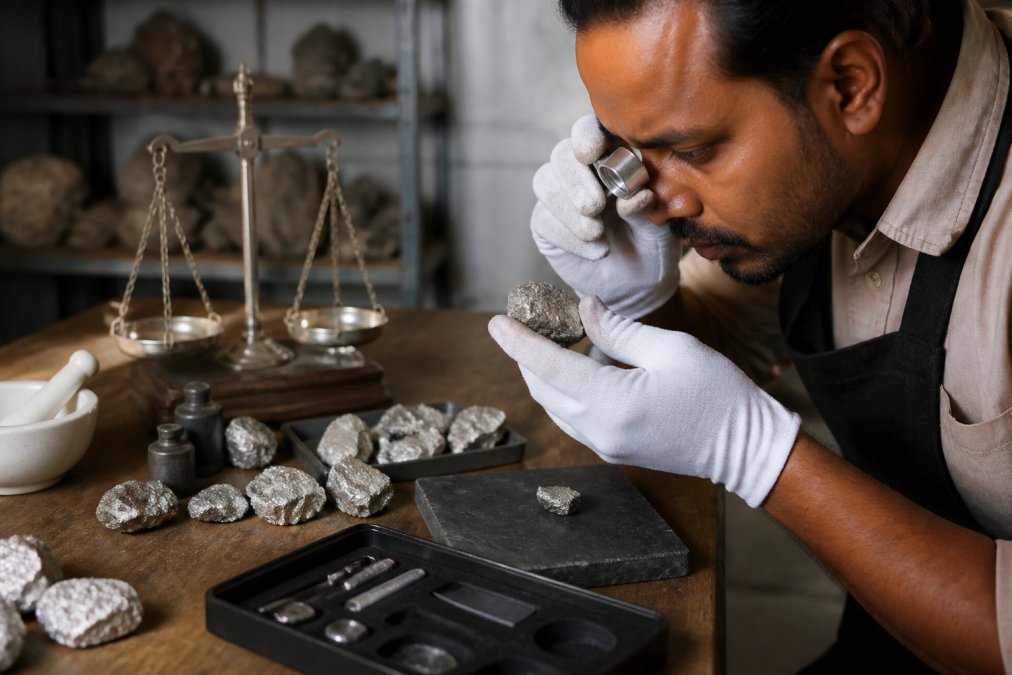
Before you can trust a brand's ethical claims, you need to verify the product is actually silver. Fake or plated jewellery marketed as solid silver defeats the entire purpose of buying from an ethical producer. Several simple tests help confirm authenticity.
The Magnet Test
Real silver is non-magnetic (peer-reviewed research). Hold a strong magnet (a neodymium magnet works best) near the jewellery piece. Genuine silver won't be attracted to the magnet. If the piece moves toward the magnet, it contains ferrous metals and isn't pure silver.
This test works because silver has no magnetic properties. Alloys used in sterling silver (copper, for example) are also non-magnetic, so the test remains reliable for standard silver jewellery grades. The magnet test is quick, requires no chemicals, and won't damage your piece.
One limitation: some base metals used in counterfeits are also non-magnetic. So passing the magnet test doesn't guarantee authenticity on its own, it's one indicator among several.
The Bleach Test
Silver reacts visibly to bleach, turning black or dark grey almost instantly. Place a small drop of bleach on an inconspicuous area of the jewellery (the inside of a ring or back of a pendant). Real silver will oxidise and darken immediately. If nothing happens or the piece remains shiny, it's likely not genuine silver.
This test is reliable but destructive. The bleach will leave a dark mark. Only use it on pieces you own and don't mind marking slightly. The mark usually polishes out, but it's worth knowing beforehand.
Checking Hallmarks and Stamps
Hallmarks are official stamps that indicate silver purity and origin. In the UK, hallmarks are regulated and legally required for silver jewellery sold as such (gov.uk). A proper hallmark includes a purity mark (showing the silver content, typically 925 for sterling silver), an assay office mark, a date letter, and a maker's mark.
Examine the hallmark closely. Is it clear and well-defined, or blurry and poorly struck? Authentic hallmarks are precise. Look for the specific purity number: 925 (sterling silver, 92.5% pure), 950, or 999. These numbers must be present on legitimate silver jewellery.
Counterfeit pieces sometimes include fake hallmarks. The mark might be slightly off-centre, poorly aligned, or use incorrect symbols. If you're uncertain, take the piece to a jeweller or assay office. They can verify authenticity using professional equipment and provide official documentation.
Not all silver jewellery has hallmarks if it's antique or from certain regions, but modern jewellery sold in the UK should be hallmarked if it's genuinely silver.
Questions to Ask Before You Buy
Before purchasing ethically sourced silver jewellery, ask the brand these questions. Their answers reveal how seriously they take ethical sourcing.
Where does your silver come from? A specific answer names the mining operation, recycling facility, or refinery. Vague answers like "responsibly sourced" or "from trusted suppliers" aren't sufficient.
Can you provide documentation of your supply chain? Legitimate brands have paperwork. Ask for refinery certificates, mining certifications, or recycling facility accreditation. If they can't provide it, they haven't verified it themselves.
Do you hold third-party certifications? Which organisations have audited your practices? When was the last audit? Can you share the results? This separates genuine commitment from marketing.
How are your artisans paid and what are their working conditions? Ethical sourcing includes fair labour. Ask about wages, hours, safety standards, and worker benefits. Evasive answers suggest the brand hasn't thought through this aspect.
What's your environmental impact? How much water does production use? How is waste managed? What restoration efforts are in place? Specific answers show the brand has measured its footprint.
Why should I trust your claims? This is the hardest question and the most revealing. Listen for specifics, third-party backing, and honest acknowledgment of limitations. Brands that claim perfection are overselling.
What happens if I'm not satisfied? A strong return policy and willingness to stand behind their products signals confidence. Brands uncertain about quality often make returns difficult.
How do your prices compare to competitors? If your "ethical" jewellery costs significantly less than verified competitors, ask why. Understand where the savings come from. Sometimes it's efficiency. Sometimes it's cut corners.
Conclusion
Identifying ethically sourced silver requires scepticism, specificity, and willingness to ask uncomfortable questions. The brands doing the work honestly won't mind the scrutiny, they'll welcome it. Those that dodge, delay, or deflect with marketing language are revealing their priorities.
At SilverStory, we handcraft every piece with skilled artisans in Rajasthan, using transparent sourcing practices and fair labour standards built into every step. When you choose ethically sourced silver, you're choosing to support craftspeople and protect the environment. Start by asking the questions in this guide. The answers will tell you everything you need to know.
Frequently Asked Questions
Q: What certifications should I look for when buying ethically sourced silver jewellery?
A: Look for Fairtrade Certified and Responsible Jewellery Council (RJC) certification. These third-party certifications verify that silver has been responsibly mined or recycled, workers are fairly paid, and environmental standards are met. Ask sellers to provide copies of these certifications, legitimate brands display them openly. Check the certification database on the certifying body's website to verify authenticity.
Q: How can I verify a jewellery brand's ethical supply chain claims?
A: Request documentation of the silver's origin and refining process. Ethical brands provide detailed supply chain transparency, including the mine or recycling facility, refiner details, and artisan information. Ask how they ensure worker welfare and environmental compliance. Legitimate sellers can trace silver from source to finished piece. Be cautious of vague claims like 'ethically sourced' without supporting evidence or third-party verification.
Q: Is recycled silver more sustainable than newly mined silver?
A: Recycled silver typically has a lower environmental footprint than mined silver. Mining requires significant energy, water, and chemicals, producing substantial carbon emissions and waste. Recycled silver reduces mining pressure and requires less processing. However, both can be ethical if sourced responsibly. Recycled silver from certified sources and newly mined silver from Fairtrade-certified operations both represent sustainable choices, the key is third-party verification of claims.
Q: What are common greenwashing tactics in the silver jewellery industry?
A: Greenwashing includes vague language like 'eco-friendly' or 'sustainable' without certification, claiming ethical sourcing without documentation, using stock images of pristine mines, and exaggerating minor environmental efforts. Brands may highlight one positive aspect while hiding damaging practices elsewhere. Red flags include no supply chain transparency, reluctance to share certifications, and pricing that seems too low for claimed ethical standards. Always request proof, legitimate brands provide it readily.
This article was written using GrandRanker