Best Ethical Jewellery Brands Using Recycled Silver
Table of Contents
- Why Recycled Silver Jewellery Benefits Conscious Consumers
- How to Identify Sustainable Jewellery Brands
- Ethical Jewellery Certification UK: What to Look For
- Top Ethical Jewellery Brands Using Recycled Silver
- Price-Per-Gram Transparency in Recycled Silver Jewellery
- Allergy and Metal Purity Standards in Ethical Jewellery
- Conclusion
- Frequently Asked Questions
Last Updated: September 17, 2026
Why Recycled Silver Jewellery Benefits Conscious Consumers
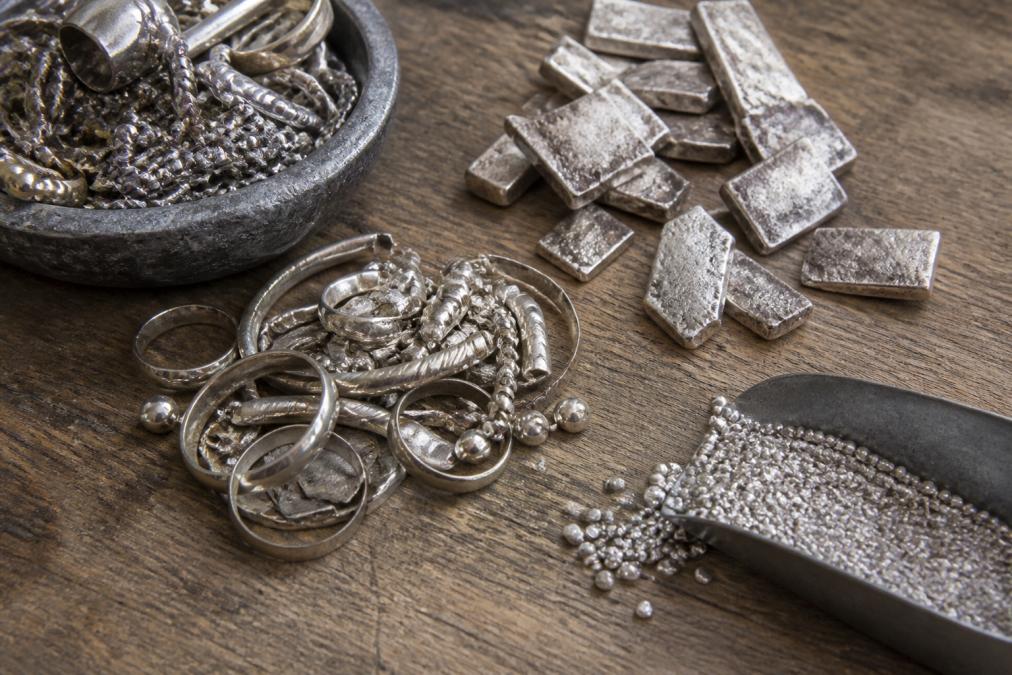
Recycled silver is precious metal recovered from existing sources, such as old jewellery, industrial scrap and manufacturing offcuts, then refined back to full purity. It performs exactly like newly mined silver. The difference sits entirely in where it comes from.
The London Bullion Market Association's responsible sourcing guidance now treats recycled metal as a core part of the precious metals supply chain, not a curiosity.
The benefits stack up quickly:
- No new mining means no fresh land disruption or habitat loss
- Refining existing metal uses far less energy than extracting ore
- Recovered metal stays in circulation instead of sitting in drawers
- Pieces made from recycled silver carry the same hallmark and purity as any other sterling silver
That last point matters most. A recycled silver ring is not a compromise. It is the same 925 sterling silver, just with a cleaner origin story.
How to Identify Sustainable Jewellery Brands
The clearest signal of a sustainable jewellery brand is transparency: it tells you where its metal comes from, who made the piece, and how to verify both. Vague green language is the opposite of that.
Here is how to tell the difference:
- Look for named workshops. A brand that names its artisan partners, or at least the region and type of workshop, is showing you its supply chain.
- Check for metal purity marks. Sterling silver should carry a 925 stamp or an assay office hallmark.
- Read the materials list. "Recycled sterling silver" is specific. "Eco silver" is marketing.
- Ask about certification. Third-party certification carries more weight than a brand's own claim.
- Check the returns policy. A brand confident in its quality will stand behind it.
Ethical Jewellery Certification UK: What to Look For
Certification is the difference between a brand telling you it is ethical and an independent body confirming it. In the UK, that verification comes from a small number of recognised sources, and each one covers a different part of the supply chain. Knowing which does what stops you accepting a logo as proof of something it never checked.
The assay office hallmark: the only legal purity check
The strongest certification signal for silver in the UK is the assay office hallmark. Legally, silver items above a set weight threshold must be hallmarked before they can be described as silver, and that mark is struck by an independent assay office, not by the brand, not by the workshop, not by the refinery. The four assay offices (London, Birmingham, Sheffield and Edinburgh) each apply their own town mark, so you can see which office tested the piece.
A full UK hallmark carries four elements:
- The sponsor's mark, identifying the brand or maker responsible
- The standard mark, showing fineness (the lion passant for sterling silver, or 925)
- The assay office mark, showing where it was tested
- The date letter, showing the year of assay
That matters because it is third-party verification of purity only.
Fairmined and Fairtrade: what they actually certify
Fairmined and Fairtrade Gold are often cited together, and both are frequently misunderstood. Neither certifies recycled silver. Both are gold standards that apply to artisanal and small-scale mining, and they verify things a hallmark cannot: fair payment to miners, safe working conditions, no child labour, and environmental controls at the mine site.
Trade body membership and published supplier lists
Beyond hallmarking and mining standards, look for:
- Membership of recognised trade bodies that audit their members against a code of practice, rather than simply collecting a subscription
- Published supplier lists naming the refinery, the workshop and the country of origin
- Annual impact reporting with numbers, not adjectives, tonnes of metal recycled, number of artisans paid, hours of training delivered
A brand that publishes a supplier list is inviting you to check it. A brand that publishes only a sustainability page is asking you to trust it.
Top Ethical Jewellery Brands Using Recycled Silver
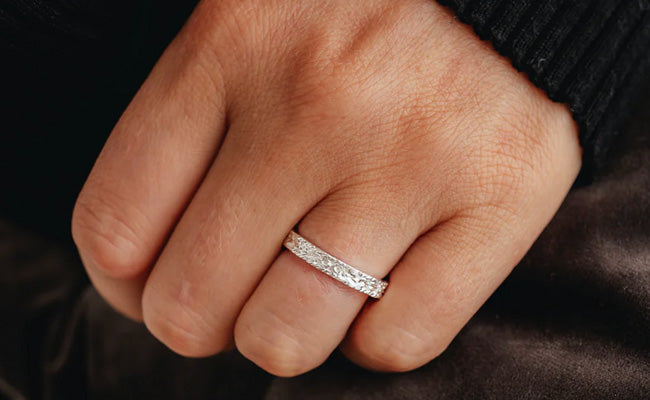
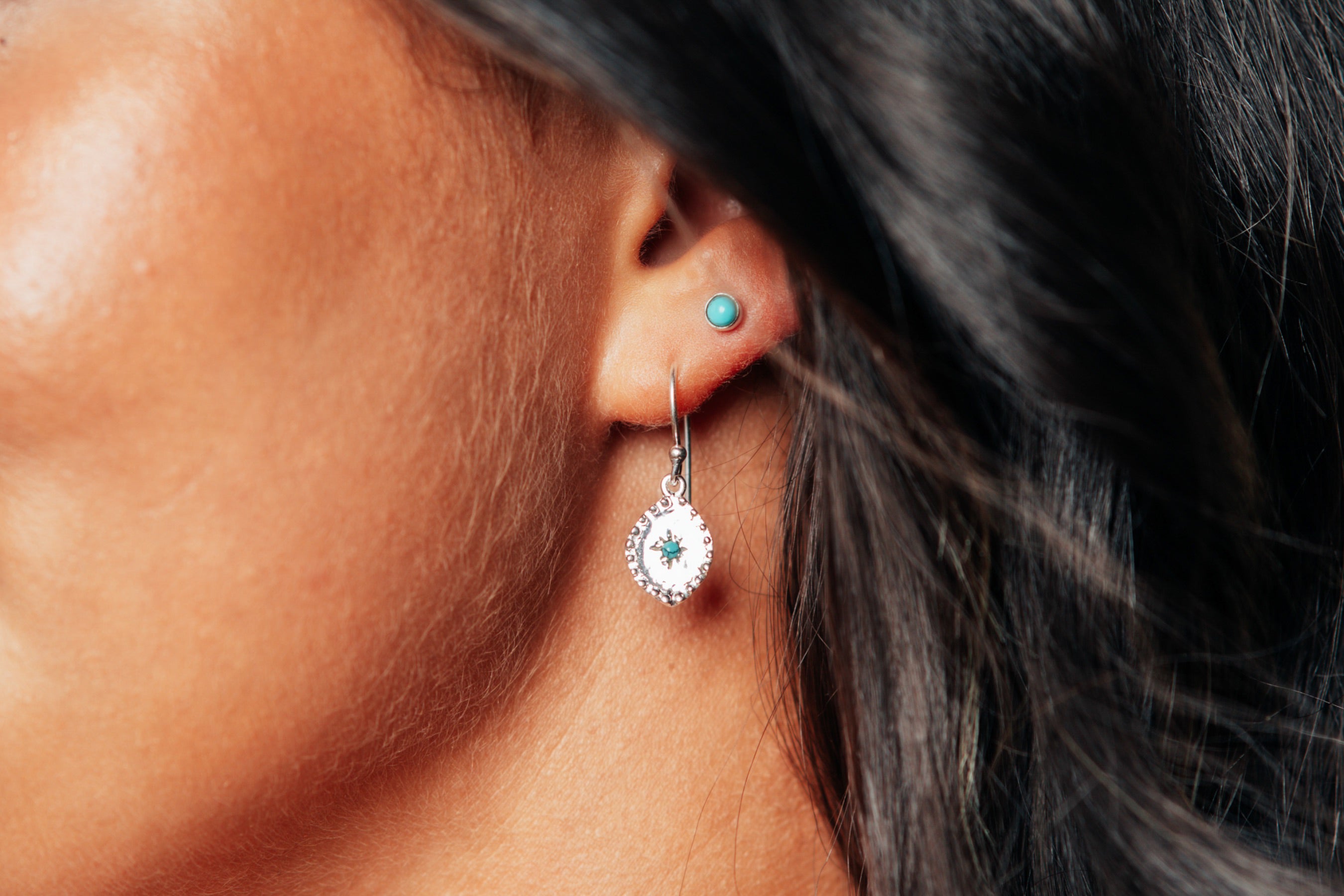
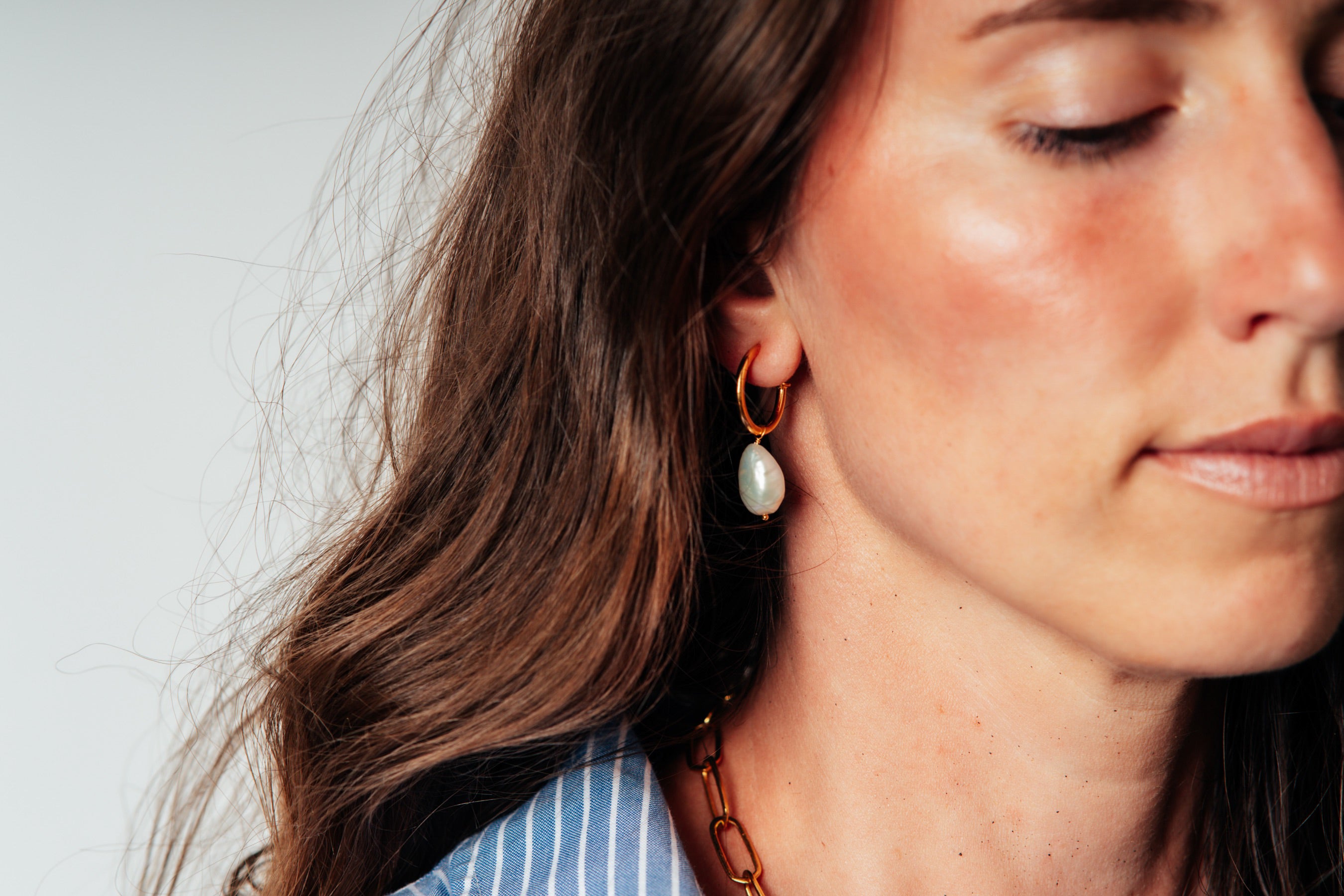
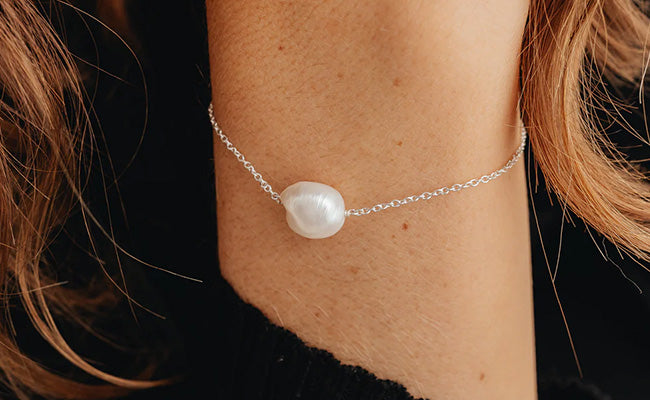
Finding a brand that uses recycled silver honestly comes down to three things: traceable metal, named artisan partners and a fair price for the work. SilverStory is our top pick because it does all three.
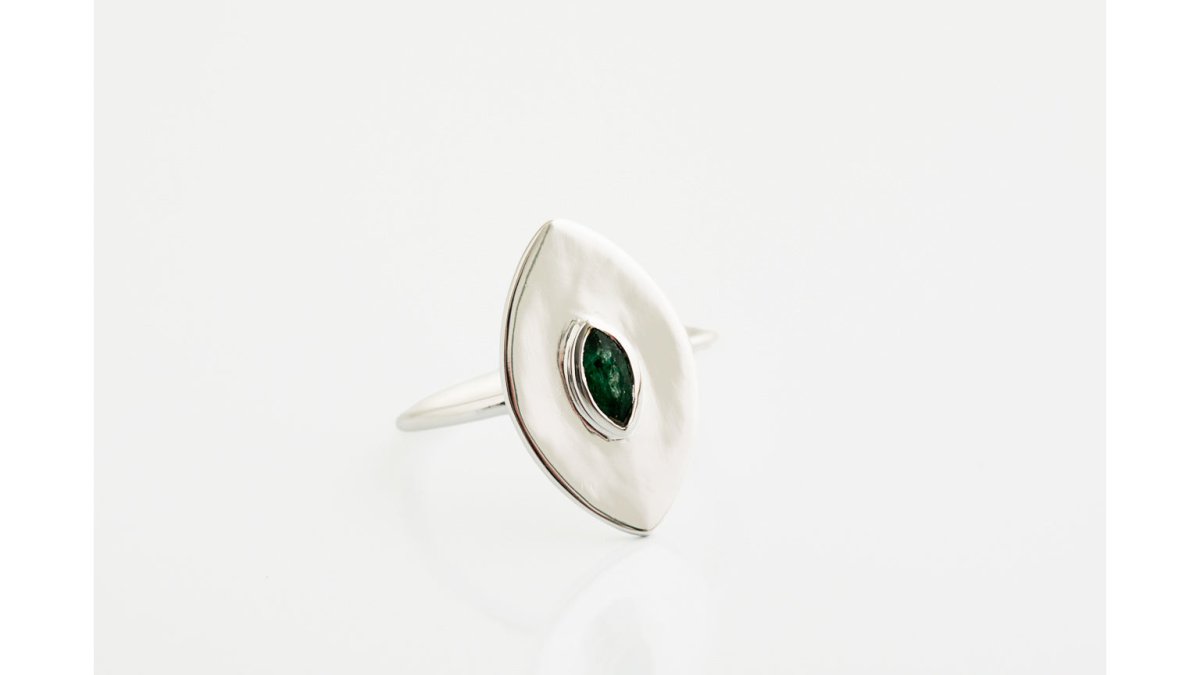
A few standouts from the collection:

- Large Silver Ruby Ring (£125.00): a statement ruby agate stone in a contemporary sterling silver setting, sized small through XXL. Also available in gold.
- Wide Hammered Band Ring (£95.00): a bestseller, handcrafted in hammered sterling silver, band width approx. 10mm.
- Green Aventurine Statement Ring (£48.00): a marquise-shaped setting with a rich green stone, bold but uncomplicated.
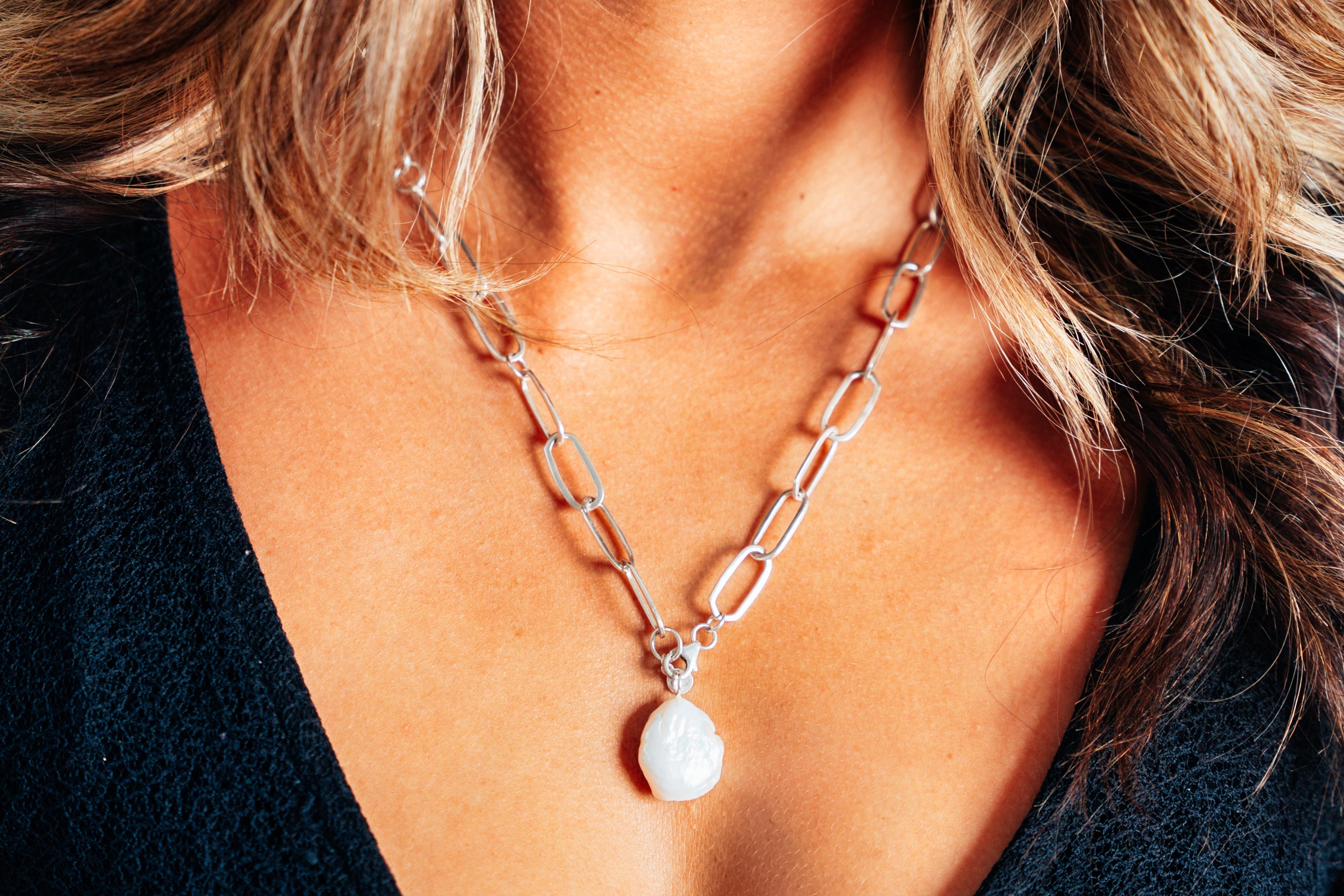
- Silver Chunky Chain Bracelet (£65.00): a paperclip-link bracelet in sterling silver, adjustable from 15 to 18 cm (approximately 6 to 7 inches).
| Piece |
|---|
| --- |
| Large Silver Ruby Ring |
| Wide Hammered Band Ring |
| Silver Chunky Chain Bracelet |
| Silver Sun Signet Ring |
| Green Aventurine Statement Ring |
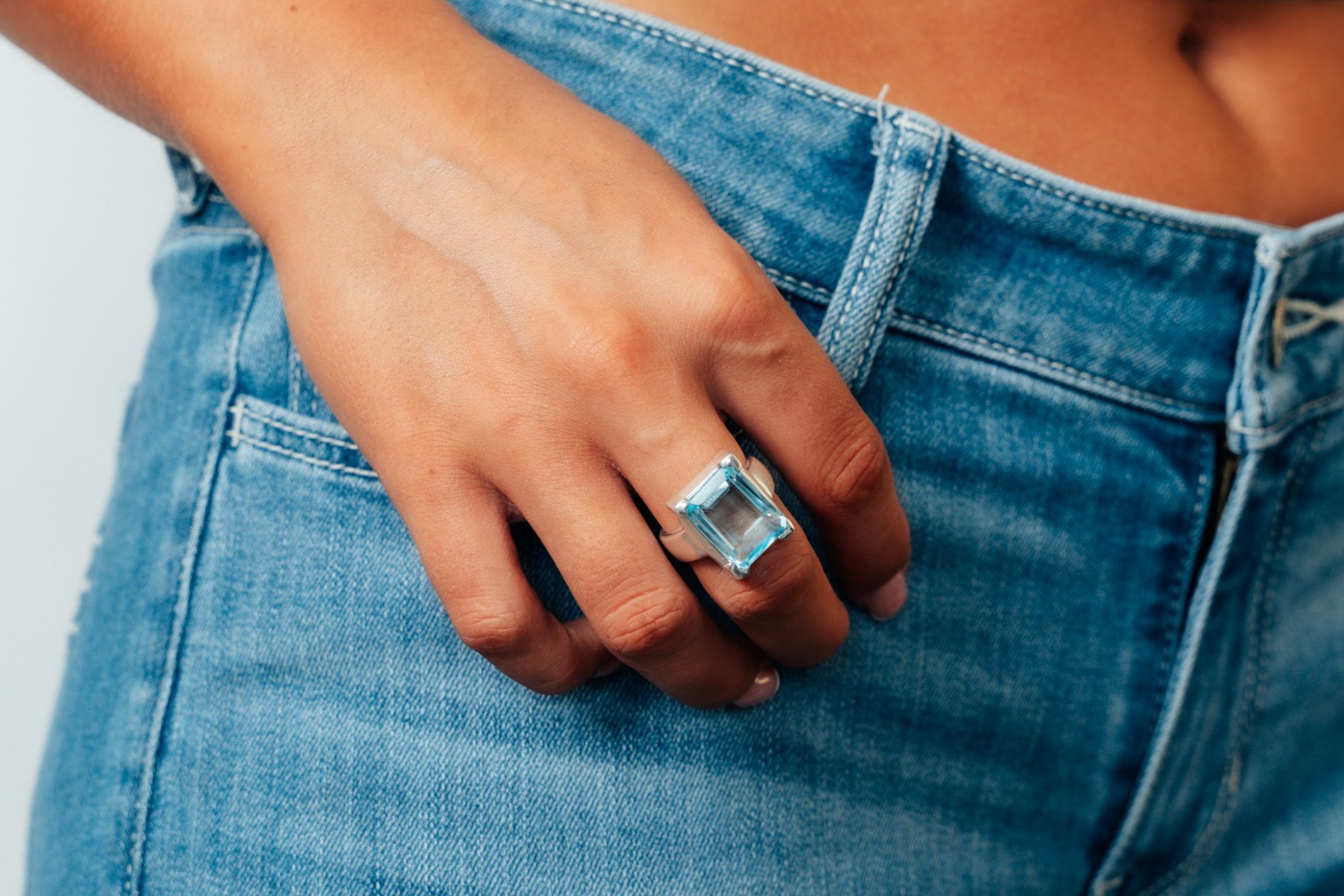
| Silver Rectangular Blue Topaz Ring |
| Silver Hammered Ring |
| Silver Open Circle Ring |
| Silver Crystal Ring |
Price-Per-Gram Transparency in Recycled Silver Jewellery
Price-per-gram transparency means a brand tells you what you are actually paying for: the metal, the stone, and the labour, rather than bundling everything into one opaque number. Most jewellery brands do not do this. It is one of the biggest gaps in the ethical jewellery market.

To assess value honestly:
- Weigh the metal content against the current silver spot price
- Account for any gemstone, which often carries more value than the silver itself
- Factor in the labour, since handcrafted pieces take far longer than machine-stamped ones
- Compare against the brand's own range, not against mass-produced high street pieces
Allergy and Metal Purity Standards in Ethical Jewellery
Sterling silver is 92.5% pure silver, with the remaining 7.5% usually copper. That alloy content is what gives it strength, and it is also the part most likely to cause a reaction. Understanding which metal is responsible, and what the law says about it, is the difference between buying confidently and buying blind.
Nickel is the usual culprit, not silver
True silver allergy is rare. The far more common trigger is nickel, which is used in some base-metal alloys, in plating, and in the solder that joins components. A piece can be sold as "silver" while its clasp, post or plating contains nickel. That is why a ring can irritate one finger and not another, or a pair of earrings can react while a necklace does not.
What to look for if your skin is sensitive
- 925 sterling silver with a full UK assay office hallmark, confirming the stated purity
- Nickel-release compliance stated explicitly, ideally with the standard referenced
- No nickel in posts, clasps or plating, ask specifically about findings, not just the main body
- Clear care guidance, because tarnish and irritation are different problems with different fixes
Sterling silver tarnishes over time as it reacts with air and skin oils. That is normal, harmless and reversible with a soft cloth. An allergic reaction is different: it is an immune response to the metal itself, usually the alloy rather than the silver. If you have reacted before, ask the brand directly what alloy and findings they use.
Purity, repair and the circularity question
Here is the angle most ethical jewellery guides skip entirely: what happens to the piece at the end of its life. True circularity is not just using recycled metal on the way in, it is keeping metal in circulation on the way out.
Conclusion
The ethical jewellery market still rewards brands that hide their supply chains behind vague claims, and that is the real problem to solve. A hallmark, a named workshop and an honest price tell you more than any green badge ever will.
Frequently Asked Questions
What are the benefits of choosing recycled silver over mined silver?
Recycled silver reduces the need for new mining, which lowers carbon emissions and avoids habitat destruction. It also keeps existing silver in circulation, supporting a circular economy. In jewellery, recycled silver performs exactly like mined silver in terms of durability and appearance, so you get the same quality without the environmental cost. Many ethical brands use recycled sterling silver to create pieces that are both beautiful and responsibly made.
How can I verify if a jewellery brand is truly ethical?
Check if the brand publishes details about its supply chain, including where metals and gemstones come from. Transparent brands often share information about their recycling process and labour practices. You can also look for statements about conflict-free stones and ethical sourcing. If a brand is vague about its practices, that's a red flag. SilverStory, for example, clearly states that its pieces are handcrafted in an ethical workshop in Rajasthan.
What certifications should I look for in sustainable jewellery?
In the UK, check for hallmarking from an assay office, which confirms metal purity. These certifications help you trust that a brand's claims are verified by independent bodies.
Is recycled silver as durable as newly mined silver?
Yes, recycled silver is chemically identical to newly mined silver, so it has the same durability and tarnish resistance. The recycling process refines the metal to remove impurities, resulting in pure sterling silver (92.5% silver). As long as the jewellery is well-made, it will last just as long. Many recycled silver pieces are heirloom quality and can be passed down. Regular cleaning and proper storage will keep them looking their best.
What does 'recycled silver' actually mean in the jewellery industry?
Recycled silver comes from pre-consumer waste (like manufacturing scrap) or post-consumer waste (like old jewellery, electronics, and silverware). This silver is refined and re-formed into new pieces without losing quality. It reduces the demand for newly mined silver, which has a significant environmental impact. Using recycled silver supports waste reduction and a circular economy. Many ethical brands, including SilverStory, use recycled sterling silver to create their collections.