Is Sterling Silver Good for Workouts? 2026 Guide
Table of Contents
- The Short Answer: Is Sterling Silver Good for Workouts?
- Does Sweat Tarnish Sterling Silver? The Chemistry Behind It
- How to Clean Sterling Silver Jewellery After a Workout
- How to Tell If Silver Is Real: A Quick Guide
- Activity-Specific Risk: Which Workouts Are Safe for Sterling Silver?
- Sterling Silver vs Other Metals: What Works Best for the Gym?
- Long-Term vs Short-Term Damage: What to Expect
- When to Remove Your Jewellery and Maintenance Tips
- Frequently Asked Questions
Last Updated: September 12, 2026
The Short Answer: Is Sterling Silver Good for Workouts?
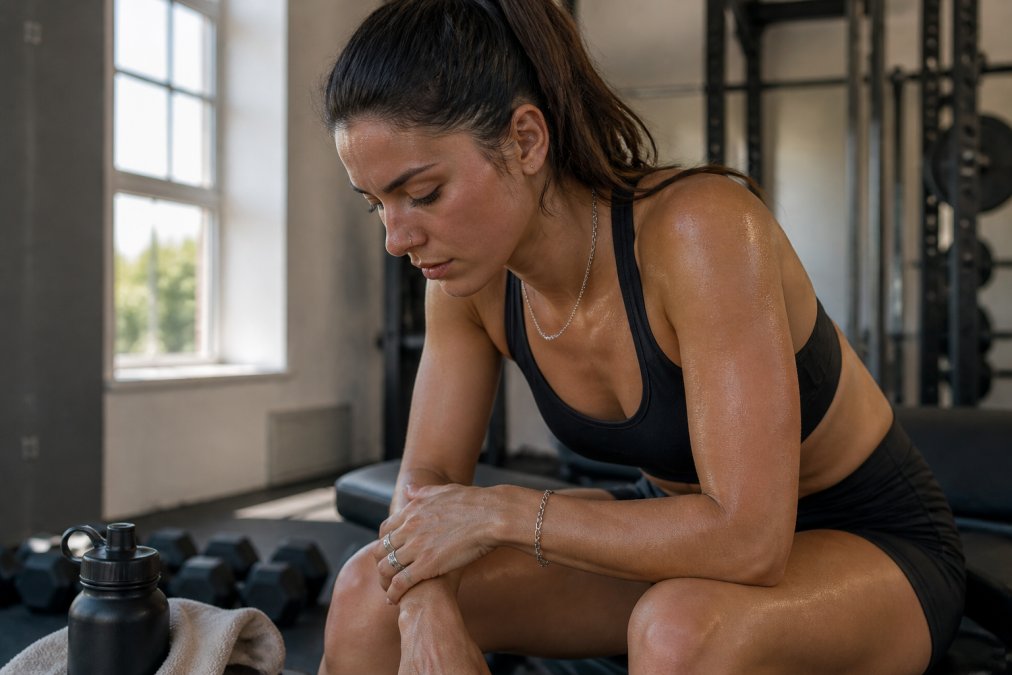
Sterling silver is a reasonable choice for workouts, but it is not the best one for every session. The honest answer to "is sterling silver good for workouts" is that it depends on how much you sweat, how acidic your skin is, and whether the piece has any protective plating. Sterling silver is an alloy of 92.5% pure silver and 7.5% other metals, usually copper, and that copper content is what makes it vulnerable to sweat over time. This guide from SilverStory covers the chemistry, the risks by activity, and a cleaning routine that keeps pieces wearable for years.
The Pros of Wearing Sterling Silver During Exercise
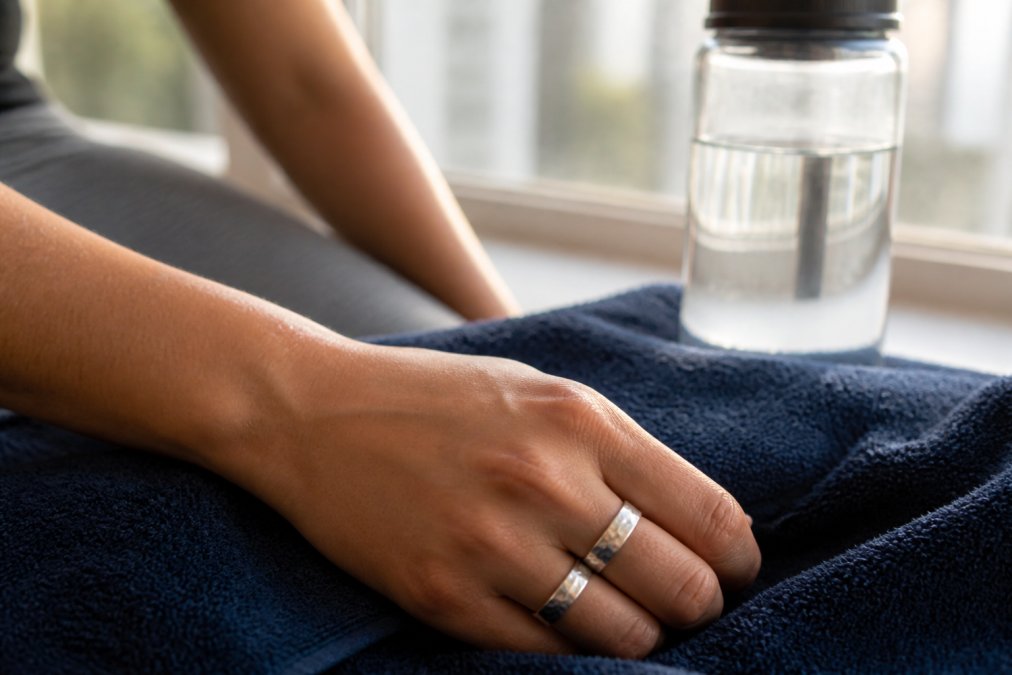
Sterling silver is hypoallergenic for most people, unlike nickel-heavy costume jewellery that can trigger skin irritation. It is durable enough to survive knocks and drops, it does not rust, and it handles daily wear well. Unlike plated brass, solid sterling silver can be polished back to its original shine rather than wearing through to a base metal.
The Cons of Wearing Sterling Silver During Exercise
The drawbacks are real. Sweat accelerates tarnish, and repeated moisture exposure dulls the surface. Rings worn during gripping exercises can scratch or deform. Sterling silver also conducts heat and cold, so it can feel uncomfortable against skin during outdoor sessions.
Does Sweat Tarnish Sterling Silver? The Chemistry Behind It
Yes, sweat tarnishes sterling silver, and the reason comes down to chemistry. Tarnish is silver sulfide, formed when silver reacts with sulfur compounds (PubMed). Sweat contains chlorides, lactic acid and trace sulfur, so every workout exposes the metal to a mild corrosive environment. Your skin's natural acidity, or pH level, speeds this up further: oilier, more acidic skin tarnishes silver faster than dry, neutral skin. Copper in the alloy reacts first, which is why 925 sterling silver darkens rather than rusts.
How to Clean Sterling Silver Jewellery After a Workout
Cleaning takes two minutes and prevents most long-term damage, but timing matters more than most guides admit. The longer sweat sits on the metal, the more time chloride and sulfur compounds have to react with the copper in the alloy. A quick rinse within an hour of finishing your session removes the bulk of the corrosive film before it bonds to the surface.
The Chemistry of Why Each Step Works
Tarnish is silver sulfide, and it forms fastest when sweat residue is left to dry. Dried sweat leaves a concentrated salt and acid film that keeps reacting with the copper content in 925 sterling silver. Rinsing in lukewarm water dissolves that film before it sets. Mild washing-up liquid lifts the oily sebum that traps sulfur compounds against the metal. A soft-bristled brush reaches the crevices where residue collects, and a polishing cloth removes the micro-layer of sulfide that has already begun to form.
Step-by-Step Cleaning Routine
- Rinse under lukewarm water within an hour of your workout to lift surface sweat before it dries
- Apply a drop of mild washing-up liquid to a soft cloth, avoid anything labelled "lemon" or "antibacterial" as the added acids and abrasives can dull the finish
- Work into the crevices with a soft-bristled toothbrush, paying attention to the inside of rings and the links of chains
- Rinse thoroughly under lukewarm running water and pat dry, do not leave to air-dry, as water spots can leave mineral deposits
- Buff with a polishing cloth to restore shine and remove any early sulfide film
- Store in an airtight bag or a lined box with a tarnish-inhibiting strip
What to Avoid
Never use abrasive cleaners, bleach, toothpaste or baking soda on sterling silver. These strip the surface and leave micro-scratches that give sweat more surface area to attack. Ultrasonic cleaners are safe for plain bands but can loosen stones or damage antiqued finishes, so check the piece first. If a piece has heavy black tarnish, a silver dip solution works quickly, but it removes a microscopic layer of metal each time, so reserve it for occasional deep cleans rather than weekly use.
UK Products That Work
Most high-street jewellers and supermarkets stock suitable options. A mild washing-up liquid such as Fairy Liquid is fine for routine cleaning. For polishing, a Goddard's Silver Polishing Cloth or a Town Talk polishing cloth is widely available and impregnated with a tarnish-inhibiting agent. For storage, a small anti-tarnish strip from a jeweller or a zip-seal bag with the air pressed out will slow re-tarnishing between wears.
How to Tell If Silver Is Real: A Quick Guide
Real sterling silver carries a hallmark stamp reading "925", "Sterling" or "Sterling Silver". If there is no stamp, or the piece is marked "silver plated" or "EPNS", it is not solid sterling. A magnet test helps too: sterling silver is not magnetic, so a magnet that sticks means the piece contains iron or nickel. Genuine silver also tarnishes over time; a piece that stays perfectly bright for months is likely plated or coated.
Activity-Specific Risk: Which Workouts Are Safe for Sterling Silver?
Risk varies sharply by activity. Low-impact sessions are far kinder to silver than contact or grip-heavy training.
| Activity | Risk Level | Why |
|---|---|---|
| Yoga and Pilates | Low | Minimal sweat, no impact |
| Walking and light cardio | Low | Little grip contact |
| Weight training | High | Knurling scratches and bends metal |
| Swimming | High | Chlorine accelerates corrosion (hse.gov.uk) |
| Contact sports | High | Impact can deform or snap pieces |
Sterling Silver vs Other Metals: What Works Best for the Gym?
If you want the look of silver without the maintenance, the three realistic alternatives are stainless steel, titanium and gold. Each behaves differently against sweat, and the right choice depends on how often you train and what you are willing to spend.
How the Metals Compare
| Metal | Tarnish Resistance | Durability | Typical UK Price for a Simple Band | Best For |
|---|---|---|---|---|
| 925 Sterling Silver | Low, tarnishes with sweat | Moderate, can scratch and bend | £40-£120 | Light exercise, daily wear, style-led buyers |
| Stainless Steel | High, resists sweat and chlorine | High, very hard to deform | £15-£60 | Heavy lifting, swimming, everyday gym use |
| Titanium | Very high, inert to sweat | Very high, lightweight and strong | £60-£200 | Contact sports, sensitive skin, long-term wear |
| 9ct Gold | High, slow to tarnish | Low to moderate, soft and prone to scratching | £150-£400 | Occasional wear, those who prefer gold tones |
| 18ct Gold | High, slow to tarnish | Low, softer than 9ct | £400+ | Special occasions, not gym use |
Why Stainless Steel and Titanium Win for Heavy Training
Stainless steel contains chromium, which forms a passive oxide layer on the surface that blocks sweat and chlorides from reaching the metal beneath (PubMed). That is why it survives swimming pools and daily gym sessions without tarnishing. Titanium takes this further: it is naturally inert, so it does not react with sweat at all, and it is roughly 40% lighter than steel, which matters for rings worn during gripping exercises.
The trade-off is aesthetic. Stainless steel has a cooler, greyer tone than sterling silver and cannot be polished to the same bright white finish. Titanium is darker still and cannot be resized, so it must be bought in the correct size. Neither can be repaired or re-polished the way solid sterling silver can.
Why Sterling Silver Still Has a Place
Sterling silver is the only metal in this group that can be restored to a like-new finish indefinitely. A scratched or tarnished silver band can be polished back to its original shine, which is not true of plated jewellery or, in practice, of titanium. For someone who trains two or three times a week and wants a piece that doubles as everyday jewellery, sterling silver is a reasonable compromise, provided they clean it after each session.
The Rhodium Plating Option
A rhodium-plated sterling silver piece adds a thin protective layer that slows tarnish and gives a brighter, whiter finish. Rhodium is harder than silver and resists sweat well, but the plating wears through with friction, typically within six to eighteen months of regular gym wear. Re-plating costs around £20-£40 at a UK jeweller, so factor that into the long-term cost if you plan to wear the piece during workouts.
A Practical Recommendation
For heavy lifting, swimming or contact sports, choose stainless steel or titanium and leave the sterling silver at home. For yoga, Pilates, walking or light cardio, sterling silver is fine as long as you rinse and dry it after each session. If you want the silver look with less upkeep, a rhodium-plated sterling silver band is a middle path, but budget for re-plating.
Long-Term vs Short-Term Damage: What to Expect
Short-term, sweat leaves a dull film that wipes away easily. Long-term, repeated moisture exposure causes oxidation to build in the metal's surface, and constant friction wears away any plating. The good news: solid sterling silver is not permanently damaged by sweat. It can be polished back to its original finish, which is not true of plated jewellery that has worn through.
When to Remove Your Jewellery and Maintenance Tips
Take jewellery off before swimming, heavy lifting, contact sports and showering. For everything else, a simple routine keeps pieces looking new: wipe after every wear, polish weekly, and store dry. Rotating pieces gives each one time to recover from moisture exposure.
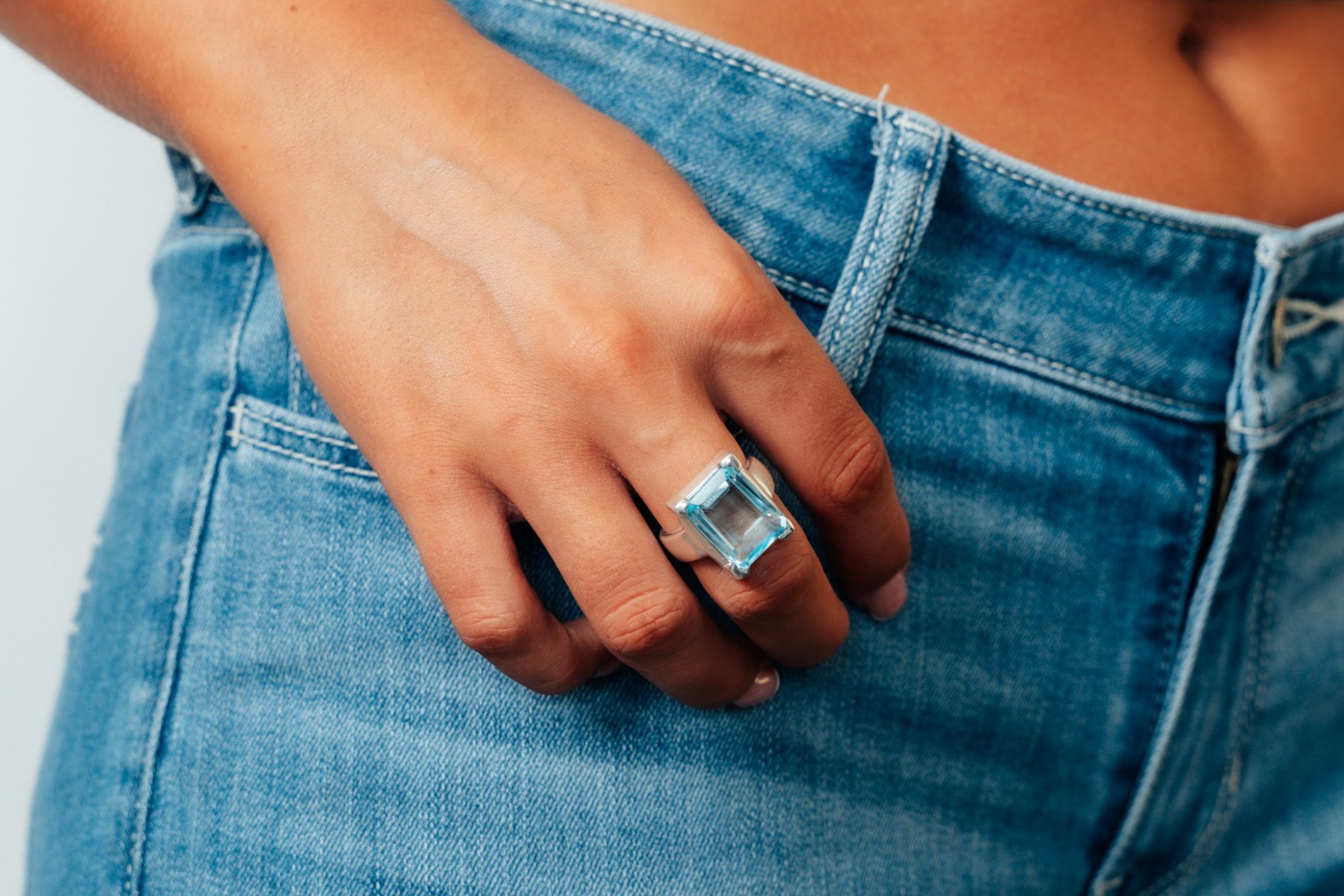
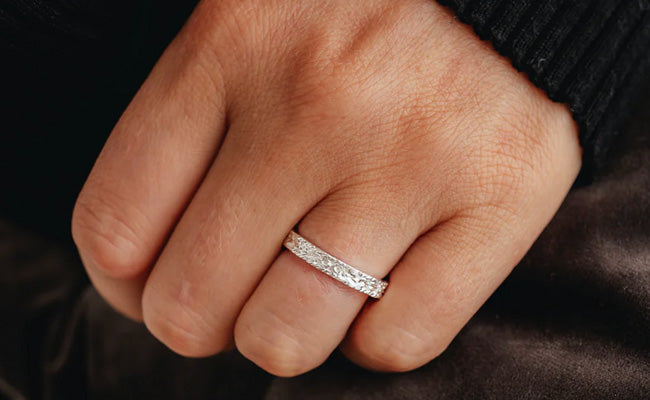
SilverStory's handcrafted sterling silver rings are made for everyday wear, from the Wide Hammered Band Ring at £95.00 to the delicate Silver Intricate Narrow Band Ring at £48.00. Each piece is made by artisans in Rajasthan and easy to keep clean with a quick post-workout wipe.


Frequently Asked Questions
Can I wear sterling silver while working out?
Yes, you can wear sterling silver during workouts, but it requires extra care. Sweat and moisture can accelerate tarnishing, especially if your skin has a high acidity level. To minimise damage, choose pieces like the Wide Hammered Band Ring that are easy to clean, and always dry your jewellery thoroughly after exercise. Removing rings before lifting weights also prevents scratches and warping.
Does sweat tarnish sterling silver?
Yes, sweat can tarnish sterling silver. Perspiration contains salts and acids that react with the copper in 925 sterling silver, causing oxidation and a dull appearance. The effect varies based on your skin's pH levels and how long you leave sweat on the metal. Rinsing and drying your jewellery immediately after a workout helps prevent long-term tarnish build-up.
How do I clean sterling silver jewellery after a workout?
Clean your sterling silver jewellery after a workout by rinsing it with lukewarm water and mild soap. Use a soft-bristled toothbrush to gently remove sweat residue, then dry with a polishing cloth. Avoid harsh chemicals or abrasive materials. For intricate pieces like the Silver Intricate Narrow Band Ring, a quick soak in warm soapy water followed by a soft cloth wipe keeps them looking new.
How can I tell if silver is real?
Look for a hallmark stamp such as '925' or 'Sterling' on the inside of rings or clasps. Real sterling silver is also slightly magnetic-resistant and feels cool to the touch. If you're unsure, a jeweller can test it. SilverStory pieces are handcrafted from genuine 925 sterling silver, so you can trust their authenticity.
Keeping sterling silver looking its best through an active lifestyle comes down to choosing pieces that suit your routine and cleaning them consistently. SilverStory offers ethically sourced, handcrafted sterling silver jewellery designed to be worn and treasured, with simple pieces that hold their shine far better than heavily detailed designs. Browse the collection and add a piece that works as hard as you do.