
Why Choose Recycled Precious Metals for Jewelry?
Last Updated: October 30, 2026
Quick Summary
Recycled precious metals are gold, silver and platinum recovered from existing items and re-refined to usable purity instead of being mined, so they avoid the land disturbance, water use and energy tied to ore extraction. The metal is chemically identical to newly mined metal, and properly refined recycled gold and silver meet the same purity grades and hallmarking standards.
- Recycling is a collect, sort, melt, purify and re-refine process, with refining deciding quality.
- Recycled gold and silver can meet the same purity grades as new metal when refining is done properly.
- Sterling silver is 92.5% pure silver whatever the origin of the metal.
- Pre-consumer scrap is clean and homogeneous; post-consumer material is mixed and needs more aggressive refining.
- Recycled is not a regulated term, so ask for the refiner, feedstock type and chain-of-custody evidence.
Table of Contents
- What Recycled Precious Metals Actually Are
- How Precious Metals Are Recycled
- Recycled Gold vs Mined Gold: What the Difference Means for Buyers
- Is Recycled Gold Jewellery as Good as New Metal?
- Ethical Jewellery Sourcing: How to Verify What You Are Told
- The Trade-Offs Nobody Mentions
- Choosing a Piece from SilverStory
- Frequently Asked Questions
What Recycled Precious Metals Actually Are
Recycled precious metals are gold, silver, platinum and similar metals recovered from existing items and re-refined back to usable purity, rather than dug from the ground. The metal in a recycled silver ring may have already lived several lives before it reaches your finger. That is the whole appeal of recycled precious metals for jewelry.
The distinction that matters is between recycled content and newly mined metal. Recycled content comes from old jewellery, industrial scrap, coins and manufacturing offcuts. Newly mined metal is extracted from ore, and the environmental guidance on mining and waste from the UK government sets out just how resource-intensive that extraction is.
Recycled content versus newly mined metal
The difference is provenance, not chemistry. A gram of refined recycled silver is the same element as a gram of freshly mined silver. What changes is the supply chain behind it: where the metal came from and how much disruption it caused getting there. If you want to go deeper on the silver question specifically,
How Precious Metals Are Recycled
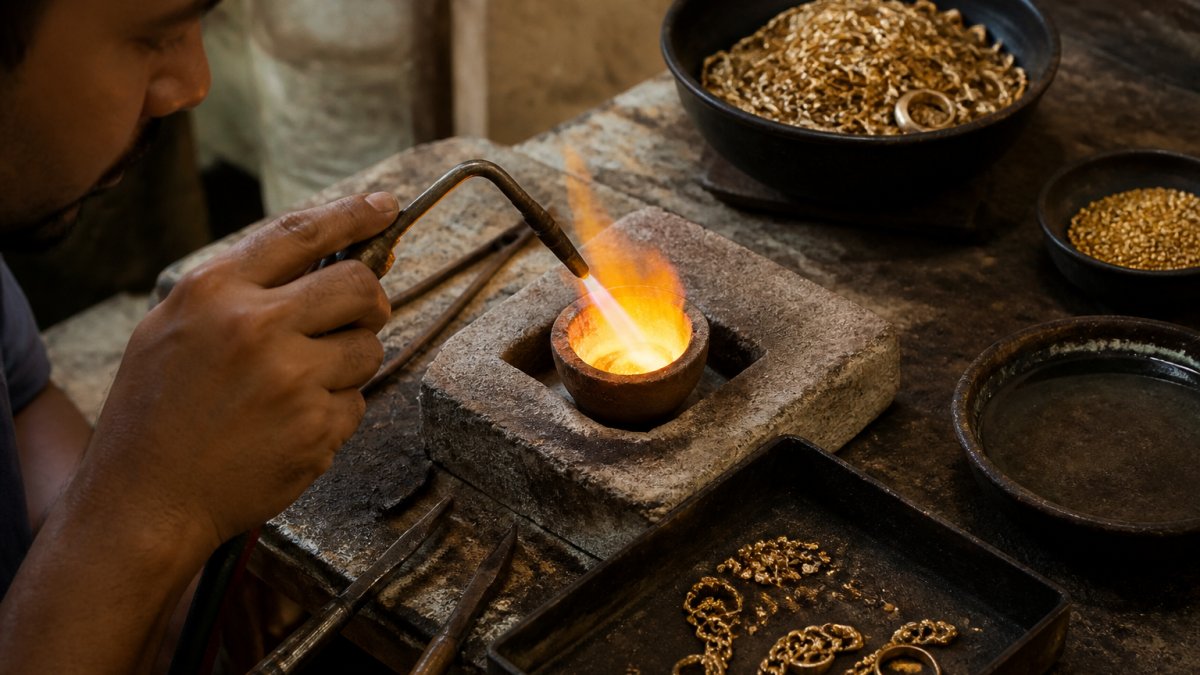
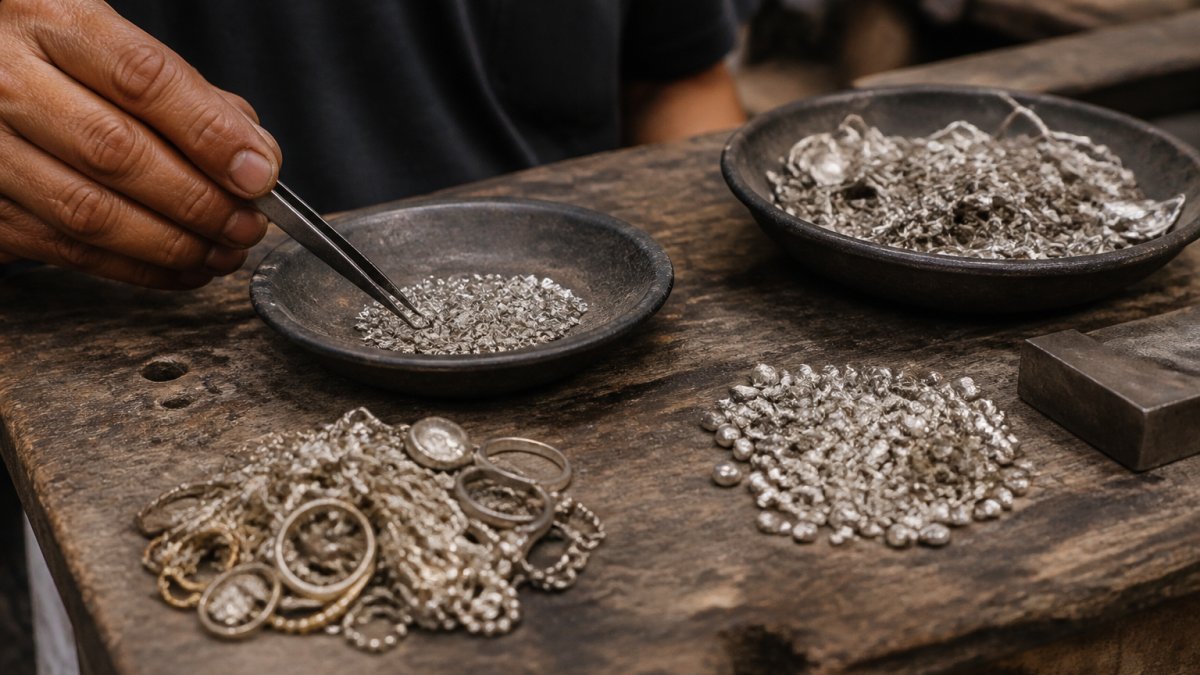
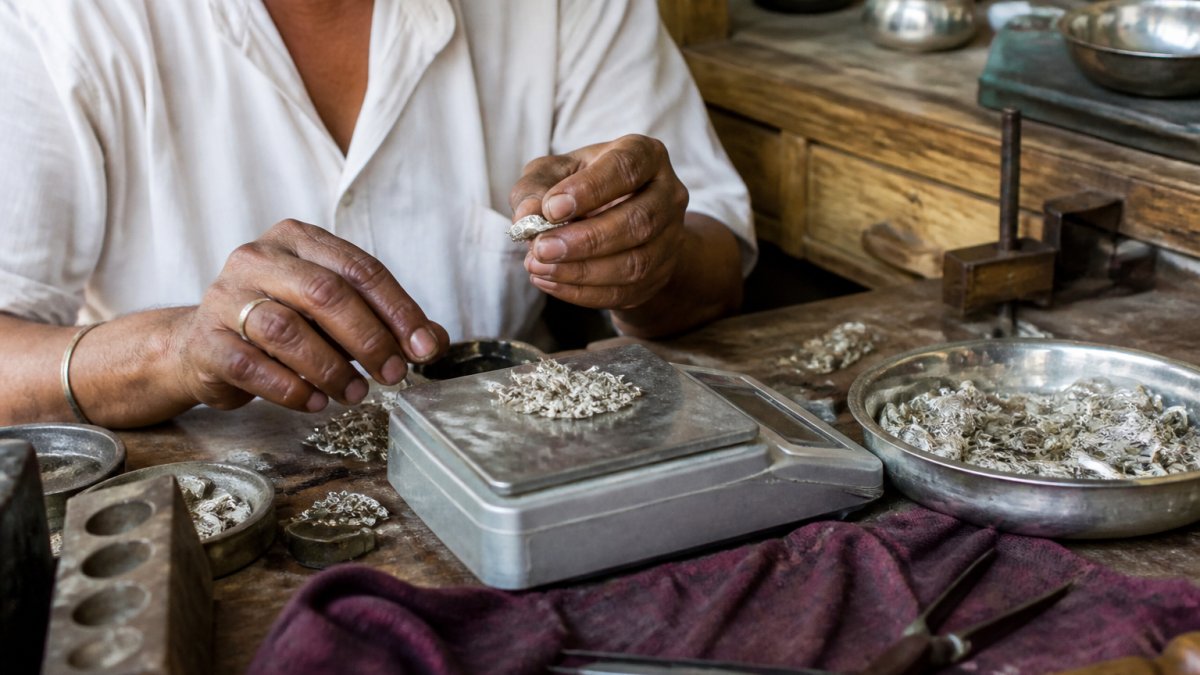
Recycling precious metals is a recovery process: collect, sort, melt, purify and re-refine into new stock. The steps are straightforward, but the refining stage is where quality is decided.
Melting, purification and refining
Old pieces are melted down, then purified to strip out alloys, solder and contaminants. Refiners use chemical or electrolytic processes to bring the metal back to a known standard. The output is then re-alloyed for jewellery making, which is why recycled gold and recycled silver can meet the same purity grades as new metal. A common mistake is assuming recycled means lower grade. It does not, as long as the refining is done properly.
Recycled Gold vs Mined Gold: What the Difference Means for Buyers
For buyers, recycled gold vs mined gold comes down to impact, not performance. Both can be identical in purity and durability. The difference sits in the footprint of getting the metal to the bench, and that difference is large enough to be worth understanding in concrete terms rather than slogans.
Environmental footprint and energy use
Mining precious metals is a bulk-materials business: ore grades for gold are typically measured in grams per tonne, so enormous volumes of rock must be moved, crushed and chemically treated to yield a small amount of refined metal. That is why newly mined gold and silver carry a heavy upstream footprint in land disturbance, water use, tailings management and energy consumption. Recycling avoids much of that upstream work, since the metal is already concentrated.
The practical consequence is that recycled gold and recycled silver avoid the land-use change, habitat loss and water demand associated with opening or expanding a mine, and they cut the energy and emissions tied to ore processing. The exact saving depends on the feedstock, the refiner's energy mix and the transport chain.
What the lifecycle comparison actually looks like
A fair comparison runs stage by stage. For newly mined metal the chain is exploration, mine development, extraction, ore processing, smelting and refining, then fabrication. For recycled metal it is collection, sorting, pre-treatment, refining, then fabrication. The recycled chain is shorter and avoids the most land- and water-intensive stages, but it is not impact-free: refining still uses energy and chemicals, and low-grade or mixed scrap can require more processing per gram of output than clean process scrap.
That is why the strongest sustainability claims are specific. A brand that says 'recycled silver, refined in a facility powered by renewable electricity, with documented chain of custody' is making a verifiable statement. According to WRAP's work on resource efficiency and the circular economy, keeping materials in use for longer is one of the most effective ways to reduce environmental footprint, and that principle applies to precious metals as much as to packaging or textiles.
The buyer's takeaway
Choosing recycled gold jewellery can lower demand for newly mined metals. The metal is chemically the same; the supply chain is different. What you are really buying is a shorter, more traceable chain, and the value of that depends on how well the brand can document it. Ask for the refiner, the feedstock type (pre-consumer or post-consumer) and the chain-of-custody evidence, and compare that against a mined-metal piece with no provenance at all. The gap in documentation is usually wider than the gap in price.
Is Recycled Gold Jewellery as Good as New Metal?
Yes. Recycled gold jewellery is chemically identical to jewellery made from newly mined gold, provided it is properly refined and hallmarked. Purity, durability and finish are governed by the same standards either way.
Purity, hallmarking and durability
In the UK, precious metal items sold as gold or silver are typically hallmarked by an assay office, which confirms the metal content (Hallmarking: practical guidance - summary). That applies to recycled metal exactly as it does to newly mined metal. Sterling silver is 92.5% pure silver, whatever the origin of the metal. Durability comes down to alloy choice, construction and care, not origin.
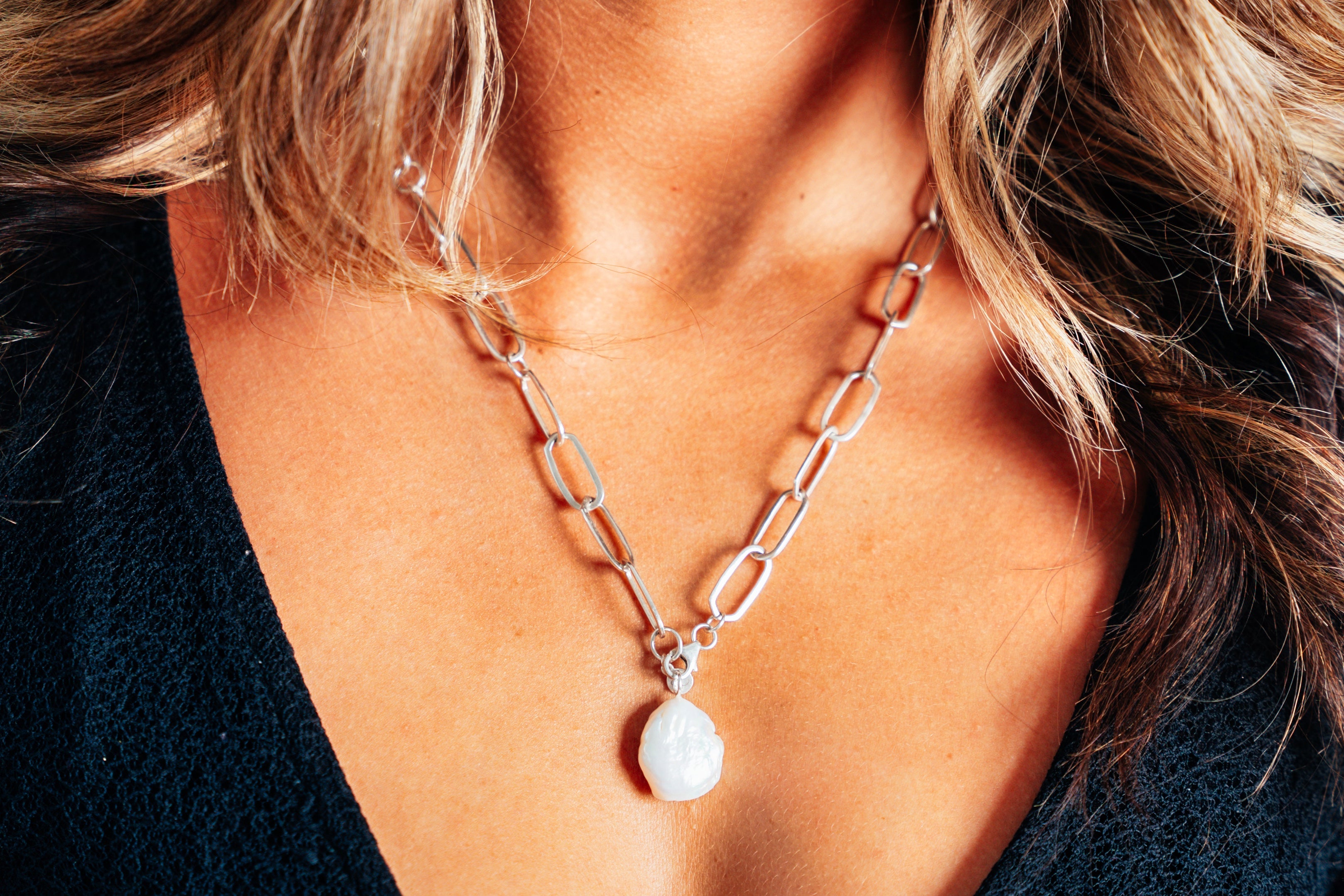
Silver Paperclip Chain Necklace →
Ethical Jewellery Sourcing: How to Verify What You Are Told
Ethical jewellery sourcing means being able to trace metal and craftsmanship through the supply chain, not just trusting a label. Ask specific questions and expect specific answers.
- Does the brand name its workshop or supplier, and where is it?
- Can it explain how the metal is refined and to what standard?
- Are pieces hallmarked, and by which assay office?
- Does it describe working conditions and pay for the people making the jewellery?
If a brand cannot answer these, treat the claim as marketing. Our guide on spotting greenwashing in jewellery marketing shows the language patterns to watch for, and if you want names, see our roundup of ethical jewellery brands using recycled silver.
The Trade-Offs Nobody Mentions
Recycled metal is not a free pass, and honest guides should say so. The limitations are real, specific and worth understanding before you buy, because they determine whether a recycled claim is meaningful or merely decorative.
Feedstock quality and refining risk
Recycled precious metal comes from two very different streams. Pre-consumer material is manufacturing scrap, offcuts, swarf, rejected castings, which is relatively clean, homogeneous and easy to refine to a known standard. Post-consumer material is old jewellery, coins, industrial components and end-of-life electronics, which is mixed, often alloyed with unknown solders and platings, and requires more aggressive refining to strip out contaminants. A refiner that cuts corners on post-consumer feedstock can leave trace impurities that affect colour, workability or long-term durability. The risk is not inherent to recycling; it is a function of refiner discipline and quality control.
Supply, availability and mixed content
Verified recycled stock is limited relative to total demand, and the market for certified recycled metal is younger and thinner than the market for newly mined metal. In practice, many pieces contain a blend of recycled and newly mined metal, and some brands describe a piece as 'recycled' when only part of its metal content qualifies. Availability also varies by metal: recycled gold and silver are relatively well established, while recycled platinum group metals are scarcer and more specialised. That scarcity is a supply-chain fact, not a quality problem, but it does mean 'recycled' claims need to be read precisely.
Traceability is harder than marketing suggests
Full chain of custody from end-of-life item to finished jewellery is genuinely difficult to guarantee. Metal is fungible: once refined, a gram of recycled gold is indistinguishable from a gram of mined gold, so provenance depends entirely on documentation and audit rather than on any physical marker. That is why credible schemes rely on segregated supply chains, mass-balance accounting or audited book-and-claim models, each with different strengths and weaknesses. A brand using mass balance can legitimately claim recycled content at the organisation level while an individual piece may not be physically recycled. Neither approach is dishonest, but buyers should know which one they are being sold.
Why this still matters
None of this makes recycled metal a bad choice. It makes provenance and transparency the things worth paying attention to. The trade-offs are manageable when a brand can name its refiner, distinguish pre-consumer from post-consumer feedstock, explain its chain-of-custody model and be honest about mixed content. When those answers are missing, the recycled claim is doing marketing work rather than environmental work, which is the broader case for why ethical sourcing matters.
Choosing a Piece from SilverStory
Our pieces are handcrafted by skilled artisans in Rajasthan from sterling silver. If you are buying your first piece, start simple:
| Piece | Price | Why it works as a first buy |
|---|---|---|
| Silver Sun Signet Ring | £58.00 | Everyday wear, timeless motif |
| Silver Paperclip Chain Bracelet | £60.00 | Simple, layerable, adjustable |
| Silver Paperclip Chain Necklace | £85.00 | Wears alone or layered |
| Wide Hammered Band Ring | £95.00 | Statement piece, sizes S to XL |
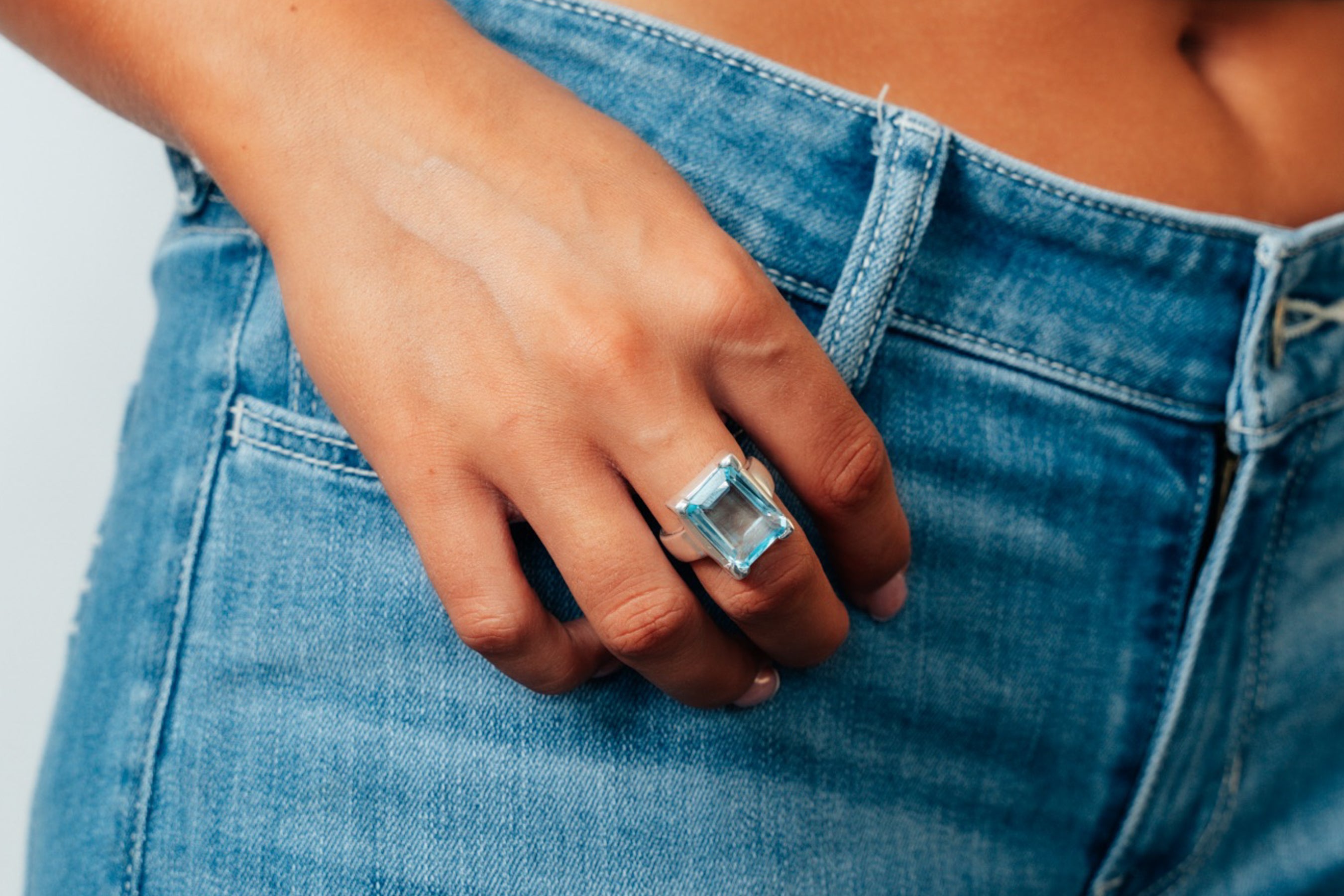
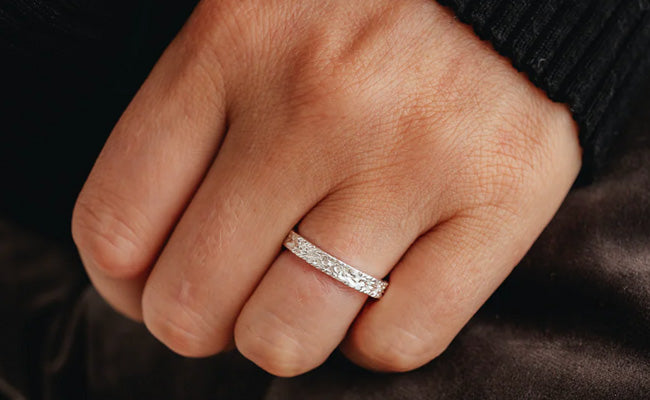
The wide hammered band ring is handcrafted in hammered sterling silver and available in sizes S to XL, with a band width of approximately 10mm. Select products carry 5.0 star ratings from customers.

Frequently Asked Questions
Is recycled silver real silver?
Yes. Recycled silver is the same metal as newly mined silver; the difference is where it came from, not what it is. Scrap jewellery, offcuts and industrial silver are melted and refined back to a usable purity, then formed into new pieces. Sterling silver is 92.5% silver whatever its origin, and
Does recycled gold cost less than mined gold?
Usually not much less, and sometimes the same. The metal content is identical, so the market price of gold sets the floor, and refining recycled scrap carries its own cost. Where recycled gold jewellery can cost less is in the making: small workshops using reclaimed metal avoid the expense of buying newly refined stock. Compare the piece, the hallmark and the making, not just the word recycled on the label.
How can I tell if jewellery is made from recycled precious metals?
Look for a written statement from the seller naming the source of the metal, not just a badge on the homepage. Ask whether the workshop works from reclaimed scrap and whether the finished piece is hallmarked in the UK. A specific answer, such as a named workshop and a stated metal source, is more useful than a generic sustainability claim. If the seller cannot say where the metal came from, treat the claim as unverified.
Can recycled precious metals be recycled again?
Yes, and repeatedly. Gold and silver are recycled by melting and refining, and that process does not wear the metal out. A piece made from recycled silver today can be melted down in decades and made into something else. That is why recycled metal is described as keeping its value in circulation rather than being used up, and why old or unwanted jewellery is worth passing on rather than discarding.
The real challenge with recycled precious metals is not finding them, it is finding a maker who will tell you exactly where the metal and the craftsmanship come from. That is the standard we hold ourselves to at SilverStory: ethically sourced jewellery, handcrafted by skilled artisans in Rajasthan, at prices that stay affordable. Browse the rings, necklaces and bracelets, and add to cart with confidence.