

Why Ethical Sourcing Matters for Jewelry
Table of Contents
- What Ethical Sourcing Means in Jewelry
- The Human Cost of Unethical Jewelry Production
- Environmental Damage From Mining and Manufacturing
- How to Choose Ethical Jewellery: A Practical Buyer Checklist
- Understanding Ethical Diamond Sourcing and Gemstone Provenance
- Recycled Gold Jewellery vs Mined Gold: Making the Right Choice
- Jewellery Supply Chain Transparency: What You Should Know
- Why Your Ethical Sourcing Choice Matters
- Frequently Asked Questions
Last Updated: October 10, 2026
What Ethical Sourcing Means in Jewelry
Understanding why ethical sourcing matters for jewelry starts with knowing where your materials come from and how they were extracted and processed. It's about transparency across the entire supply chain, from the mine to the artisan's workshop to your wrist.
When you buy ethically sourced jewellery, you support fair wages, safe working conditions, and environmental responsibility.
Ethical sourcing covers several key areas:
- Human rights: Workers are treated fairly and work in safe conditions
- Fair compensation: Artisans and miners earn living wages
- Environmental care: Mining and manufacturing minimize damage to ecosystems
- Transparency: You can trace materials back to their source
- Labour practices: No child labour or exploitative conditions
The difference comes down to accountability: Can the brand name the mine and the artisans who made it? If not, that's a red flag.
The Human Cost of Unethical Jewelry Production
Unethical jewellery production harms real people. Miners in conflict zones risk their lives for minimal pay, and artisans in unregulated workshops work long hours in unsafe conditions for wages below living costs.
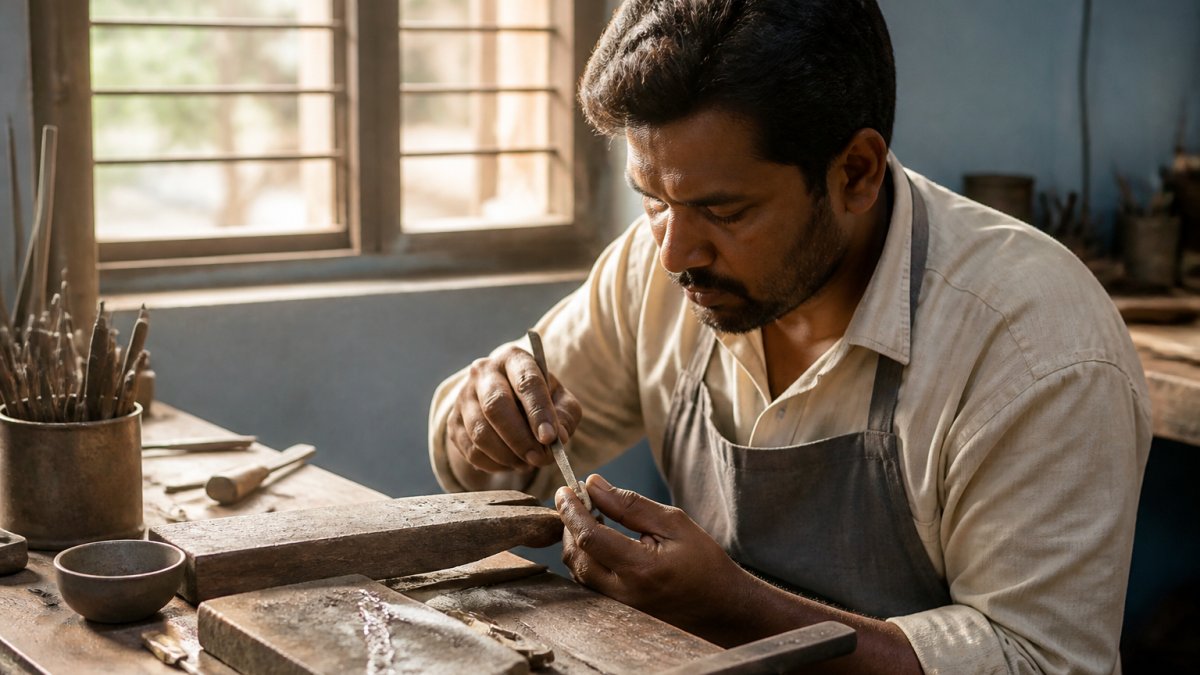
When supply chains lack transparency, workers face exposure to toxic chemicals, wages below living costs, forced overtime, unsafe conditions, and sometimes child labour. Mining communities lose access to clean water, families are displaced, and ecosystems collapse.
Environmental Damage From Mining and Manufacturing
Gold mining requires moving tonnes of earth to extract tiny amounts of metal, using cyanide and mercury that contaminate water and poison soil.
Environmental impacts include water pollution, habitat destruction, carbon emissions, toxic waste, and deforestation. Manufacturing also releases chemicals into waterways and adds carbon from energy-intensive processes.
Responsible producers minimise these harms through:
- Closed-loop water systems that recycle process water
- Renewable energy sources for workshops
- Proper waste management and chemical disposal
- Restoration of mined land after extraction ends
- Sourcing from established, regulated operations
How to Choose Ethical Jewellery: A Practical Buyer Checklist
Choosing ethical jewellery starts with asking the right questions. Use this checklist when evaluating any brand:
Supply Chain Transparency
- Can the brand trace materials to their source?
- Do they publish information about their suppliers?
- Can they name the artisans or facilities making pieces?
- Do they have third-party audits of their supply chain?
Fair Wages and Working Conditions
- Do they disclose wages paid to artisans?
- Are working conditions documented and verifiable?
- Do they work with certified fair-trade suppliers?
- Are workers represented by independent labour organizations?
Environmental Responsibility
- Do they source recycled materials when possible?
- Are mining operations regulated and licensed?
- Do they minimize water usage and pollution?
- Can they document waste management practices?
Certifications and Standards
- Do they hold relevant certifications (Fairtrade, Responsible Jewellery Council)?
- Are certifications from independent, respected bodies?
- Do they exceed minimum standards or just meet them?
Brand Communication
- Is information freely available or hidden behind marketing?
- Do they answer specific questions about sourcing?
- Are they transparent about limitations and trade-offs?
Start with brands that openly share this information. If a company won't answer basic questions about where materials come from, that's a signal to look elsewhere.
Understanding Ethical Diamond Sourcing and Gemstone Provenance
Diamonds and gemstones carry complex sourcing histories. "Conflict-free" certification addresses war-zone diamonds but has significant limitations and doesn't assess labour practices, environmental impact, or fair wages.
The Kimberley Process Certification Scheme (KPCS) verifies diamonds weren't mined in war zones, but doesn't assess labour practices, environmental impact, or fair wages.
Common gemstone and diamond certifications, and their limits:
| Certification | What It Verifies | What It Does Not Cover | Scope |
|---|---|---|---|
| Kimberley Process (diamonds) | Not from conflict zones | Labour practices, environmental impact, fair wages | Limited to conflict assessment |
| Responsible Jewellery Council (RJC) | Supply chain due diligence, labour standards, environmental practices | Does not guarantee living wages or community consent | Covers mining through retail |
| Fairtrade Gold/Gemstones | Fair wages, safe conditions, community development | Does not assess environmental restoration or long-term sustainability | Primarily artisanal and small-scale operations |
| Gemstone certification (e.g., Gübelin, GIA) | Origin and authenticity | Sourcing ethics, labour conditions, environmental practices | Focuses on stone characteristics only |
When certifications are absent, request: documented chain of custody, third-party audit reports, community engagement evidence, specific wage information, and environmental baseline data.
Lab-grown diamonds (created via HPHT or CVD methods) are chemically identical to mined diamonds but eliminate mining impact and offer shorter, more transparent supply chains.
Rubies from Myanmar, emeralds from Colombia and Zambia, and sapphires from Sri Lanka and Madagascar present sourcing challenges. Ask: Which country? Was it mined by a large operation, artisanal miners, or cooperative? What certifications apply? Can the seller name the supplier?
Request a gemstone sourcing statement with origin, extraction method, certifications, and third-party audits. Reputable sellers will provide this or explain why they cannot. Vague claims without documentation should raise questions.
Recycled Gold Jewellery vs Mined Gold: Making the Right Choice
Recycled gold eliminates mining impact and requires less energy but has limited supply and higher cost. Ethically mined gold from certified sources offers abundant supply with documented practices. Recycled gold is the lower-impact choice when available, but ethically mined gold from certified sources beats unethical recycled gold. Prioritize verification over assumptions.
Jewellery Supply Chain Transparency: What You Should Know
A transparent supply chain means you can answer: who made this, where, and under what conditions?
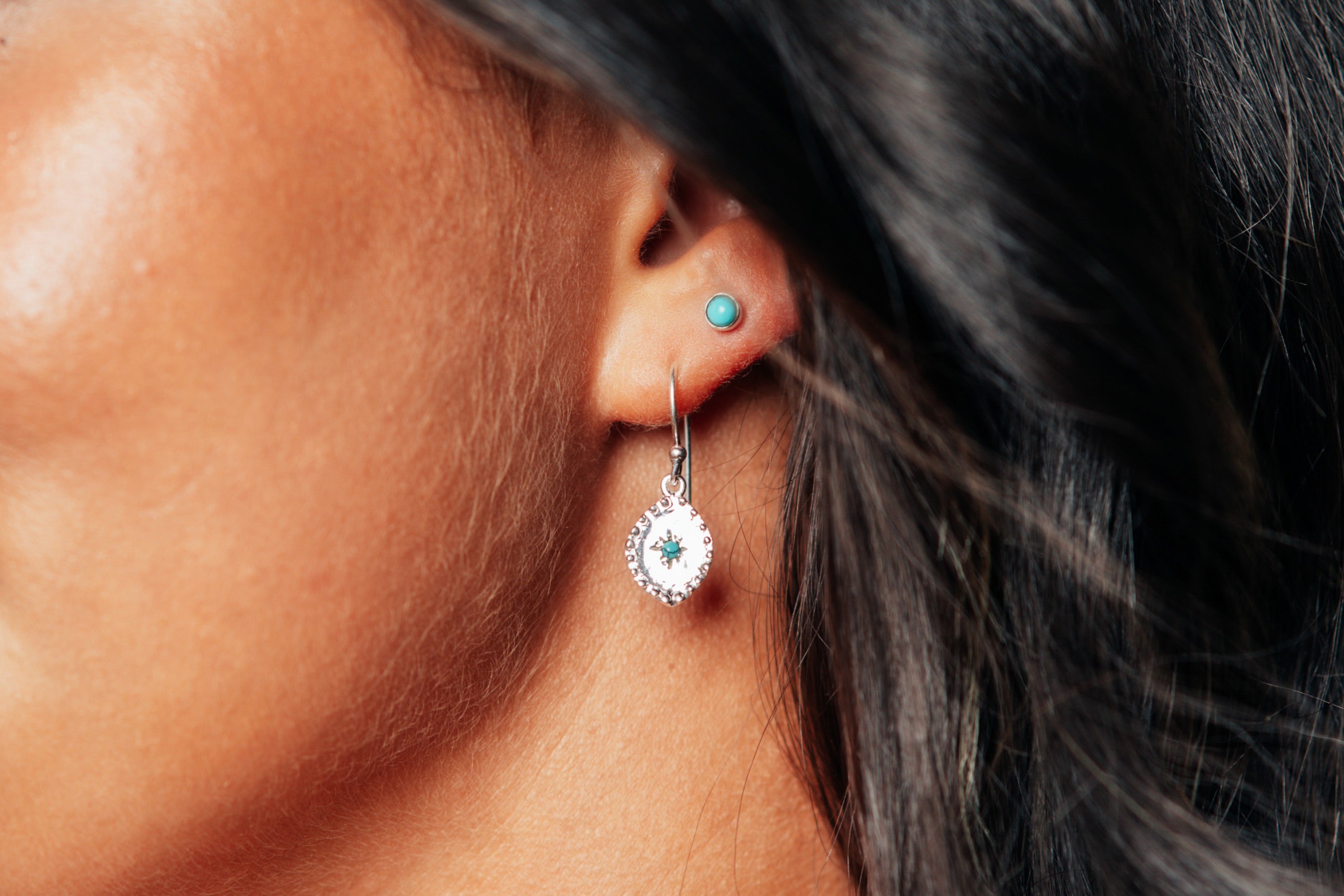
Silver Gemstone Drop Earrings →
A step-by-step supply-chain due diligence process for buyers:
Step 1: Material Origin Ask: Where did raw material come from? If mined, is it licensed and regulated? If recycled, what's the documented source? What certifications apply?
Step 2: Refining and Processing Ask: Which refinery processed the material? What standards does it follow? How is waste managed? Are workers' conditions documented? Request refinery name, certifications, and chain of custody documentation.
Step 3: Manufacturing and Assembly Ask: Where is it made? Are workers employed directly or through subcontractors? What are documented wages and hours? Are workers represented independently?
Step 4: Gemstone or Stone Setting (if applicable)
Ask:
- Where did gemstones come from? (Country, mine type, recycled, or lab-grown?)
- What certifications apply? (Kimberley Process, Responsible Jewellery Council, Fairtrade?)
- If lab-grown: Which method was used (HPHT or CVD)? What was the energy source?
- If recycled: What is the documented source?
Request:
- Gemstone sourcing statement with origin and certification
- Lab-grown certification or recycling documentation
- Chain of custody for stones from supplier to final setting
Step 5: Distribution and Retail Ask: How did the piece reach the retailer? Were there intermediaries? Is the supply chain documented end-to-end? Request complete supply chain map and confirmation of no conflict minerals.
A transparent supply chain map shows: material source (mine or recycling facility), extraction method, certifications, refinery details, manufacturer details, gemstone supplier (if applicable), and distributor/retailer.
Red flags that indicate weak transparency:
- Vague answers like "ethically sourced" without specifics
- Refusal to name suppliers, mines, or workshops
- No third-party certifications or audits
- Inability to provide wage information or labour documentation
- Claims of transparency that apply only to "some" pieces
- Inconsistent stories about sourcing across different products
- No documented chain of custody linking raw material to finished piece
Green flags that indicate strong transparency:
- Specific names, locations, and dates for each supply chain step
- Third-party certifications from independent bodies (RJC, Fairtrade, etc.)
- Published audit reports or summaries
- Documented wages and working conditions
- Clear explanation of any limitations (e.g., "We source recycled gold from certified facilities, but cannot verify the original source of pre-2010 material")
- Willingness to answer follow-up questions
- Supply chain maps or diagrams showing all parties involved
How to request and evaluate supply chain documentation:
When you contact a brand or seller, ask for a "supply chain transparency statement" or "sourcing documentation" for the specific piece you are considering. A strong response will include:
- Written confirmation of material origin with dates
- Names and locations of key suppliers and manufacturers
- Copies of certifications or audit reports
- Explanation of any gaps in documentation (and why)
- Contact information for suppliers (so you can verify independently if needed)
If a brand cannot provide this information, ask why. Legitimate reasons include:
- "We source from a cooperative of artisanal miners; we protect their privacy but can share aggregate data on wages and conditions"
- "This piece uses recycled gold from pre-2010 estate jewellery; we cannot verify original source but can confirm recycling facility certification"
Illegitimate reasons include:
- "We don't track that level of detail"
- "Our suppliers prefer not to be named"
- "It's proprietary information"
Why Your Ethical Sourcing Choice Matters
Your jewellery purchase demonstrates why ethical sourcing matters for jewelry, it's a vote. It tells the market which practices you support and which you reject.
When you choose ethical sourcing, you:
- Support artisans earning fair wages for their skilled work
- Protect mining communities from environmental destruction
- Reduce demand for exploitative labour practices
- Encourage brands to maintain higher standards
- Invest in sustainable business models
Individual purchases seem small. But multiplied across thousands of conscious buyers, they reshape entire industries. Brands respond to demand. When enough customers ask for ethical sourcing, brands must deliver it or lose market share.
The jewellery industry is changing because people like you demanded better. Transparency is now expected. Fair wages are becoming standard. Environmental responsibility is no longer optional.
Your choice matters because it's not really about one piece of jewellery. It's about the kind of world you want to support with your money.
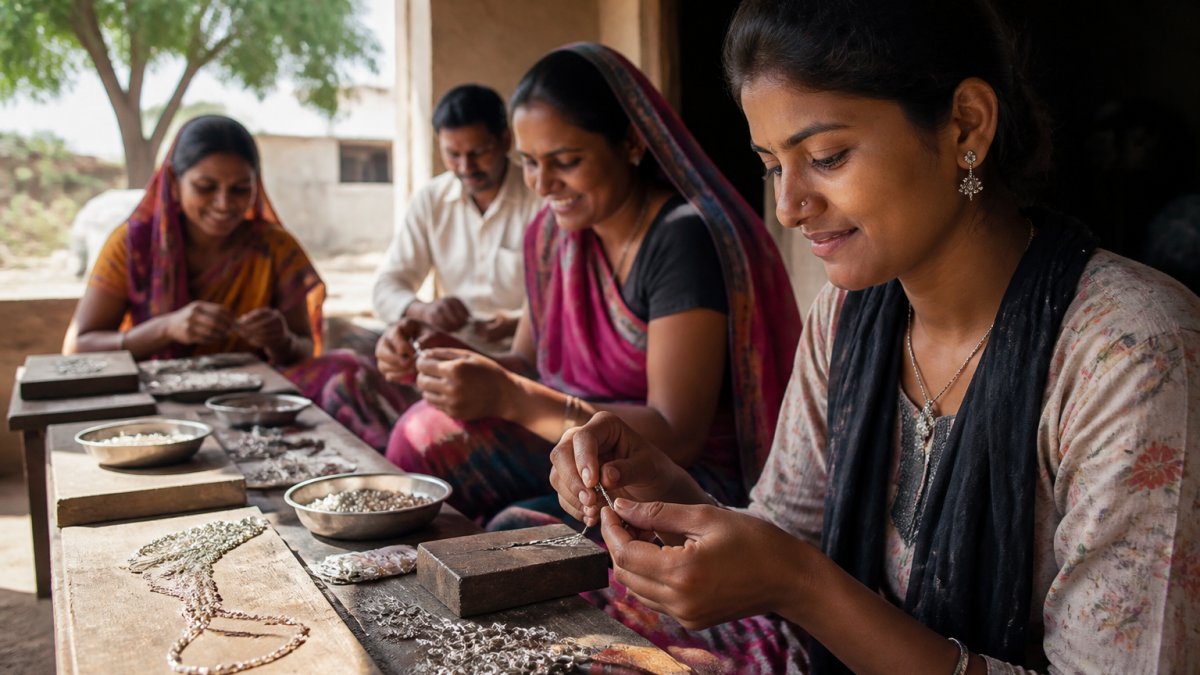
Choosing ethically sourced jewellery reflects your values and your commitment to supporting responsible makers. At SilverStory, every piece is handcrafted by skilled artisans in Rajasthan under fair working conditions, using responsibly sourced materials. Our commitment to transparency means you always know who made your jewellery and how. Explore our [collection of Silver Gemstone Drop Earrings](https://silver-story.co.uk/products/gemstone-drop-earrings) or Silver Knot Bangle to discover jewellery you can feel good about wearing.


Frequently Asked Questions
What does ethical sourcing mean in jewellery?
Ethical sourcing in jewellery means materials are obtained and products are manufactured with respect for human rights, fair wages, safe working conditions, and environmental responsibility. It includes transparent supply chains where you can verify where materials come from, fair compensation for workers and mining communities, and responsible practices that minimise environmental damage. Ethical sourcing also covers conflict-free minerals and responsible mining that protects ecosystems.
How can I tell whether jewellery is ethically sourced?
Ask the jeweller specific questions about their supply chain: Where do materials originate? What certifications do they hold? Can they provide documentation of worker wages and conditions? Reputable brands like SilverStory disclose their production locations and manufacturing practices. Look for transparency about sourcing claims rather than vague marketing language. Request proof of fair labour practices and environmental standards. Verify certifications through independent bodies rather than relying solely on brand claims.
Is recycled gold more ethical than newly mined gold?
Recycled gold jewellery typically carries a smaller environmental footprint and avoids the labour and environmental risks of active mining. However, recycled gold's ethics depend on its source and processing standards. Pre-consumer recycled gold (from manufacturing waste) and post-consumer recycled gold (from old jewellery) both reduce demand for new mining. Newly mined gold can be ethically sourced if it meets fair wage, worker safety, and environmental standards. The most ethical choice combines recycled materials with transparent, responsible sourcing practices.
How can jewellery mining affect people and the environment?
Unethical jewellery mining causes water pollution, deforestation, and habitat destruction. Workers face unsafe conditions, child labour risks, and exploitation without fair wages. Mining communities often suffer health problems from contamination and lose access to clean water and land. Responsible mining practices include environmental impact assessments, restoration of mined areas, fair compensation for affected communities, safe working conditions, and transparent supply chains. Ethical sourcing ensures mining communities benefit fairly and environmental damage is minimised.