7 Turquoise Jewelry Meanings and How to Style Them
Last Updated: November 16, 2026
Quick Summary
Turquoise jewelry is widely regarded as a stone of protection, good fortune and calm, with these meanings rooting in cultural tradition rather than measurable effects. It has been worn for thousands of years, and buyers can wear it with neutrals, warm colours or cool tones depending on the look they want.
- Turquoise is a traditional December birthstone and a popular anniversary choice.
- Natural turquoise often shows fine brown or black veining called matrix.
- Remove turquoise before showering, swimming or exercising, since it is softer than many gems.
- Silver keeps the look crisp, while warm gold suits olive and brown skin tones.
- Check pale turquoise in daylight, as it can disappear against white and light grey.
Table of Contents
- What Turquoise Jewellery Symbolises
- History, Origins and Turquoise as a Birthstone
- Identifying Genuine Turquoise Before You Buy
- What to Wear with Turquoise Jewellery
- Colours That Go with Turquoise
- Caring for Turquoise Jewellery: A Practical Checklist
- Choosing Turquoise Jewellery as a Meaningful Gift
- Frequently Asked Questions
Turquoise jewelry has been worn for thousands of years, and it still turns up in SilverStory's collection more than almost any other gemstone. Yet most people choosing a turquoise necklace or ring cannot say what the stone is meant to represent, or how to wear it well. This guide from SilverStory covers both, with a practical edge for anyone buying their first piece or choosing a gift.
Turquoise is an opaque, blue-green mineral, a hydrated phosphate of copper and aluminium, and its colour is the first thing most buyers notice. The stone has long been associated with protection, calm and good fortune, though those beliefs come from cultural tradition rather than measurable effects. Natural History Museum mineral collection guide
What Turquoise Jewellery Symbolises
Turquoise is widely regarded as a stone of protection and good fortune. These associations vary by culture, but they appear across many traditions, which is why the stone is so often chosen as a talisman.
Protection and good fortune beliefs
Many wearers choose turquoise because they believe it guards against harm or brings luck. Such beliefs are cultural and personal rather than scientifically proven, but they explain much of the stone's enduring appeal. A turquoise piece often works as a reminder of intention, something worn close to the body each day.
Calm, emotional balance and self-expression
Turquoise is also linked with serenity, emotional balance and clear communication. Many people wear it when they want to feel steady or to speak their mind with confidence. The stone's soft, cool blue suits quiet, deliberate dressing as much as bold statements.
History, Origins and Turquoise as a Birthstone
Turquoise has one of the longest recorded histories of any gemstone used in jewellery. The English word itself is usually traced to the Old French turqueise, meaning "Turkish", a reminder that the stone reached medieval Europe through Turkish merchants rather than from Turkey itself. Natural History Museum mineral collection guide
In Persia, turquoise was prized as a stone of the sky and was set into domes, daggers and signet rings; the Nishapur region produced a particularly clear, robin's-egg blue that still sets the benchmark for colour. In Central Asia and Tibet, it was worked into headdresses and amulets, while in the American Southwest it has been used by Indigenous jewellers for centuries in silver settings, with distinct tribal and regional styles that deserve to be appreciated on their own terms rather than folded into a single "boho" aesthetic. If you are buying a piece with Southwestern or Native American design cues, look for sellers who credit the maker and the tradition; that is a more meaningful signal than any generic symbolism label.
Turquoise is also one of the traditional birthstones for December. That makes it a natural gift for a December birthday, but it is also a common anniversary choice and a popular stone for christening and milestone gifts because the colour reads as both celebratory and calm. When buying as a birthstone gift, check whether the piece is sized for everyday wear, since rings and bracelets take more knocks than pendants.
A note on framing: the protective and lucky associations described above are cultural and symbolic, not scientifically established properties of the mineral. That does not make them less meaningful to the wearer; it simply means the value of a turquoise piece sits in its craft, colour and personal significance rather than in any measurable effect.
Identifying Genuine Turquoise Before You Buy
Not every blue-green stone sold as turquoise is natural. Our beginner's guide to buying handmade turquoise jewellery explains how to buy with confidence. Dyed howlite, magnesite and reconstituted stone are all common substitutes, so it is worth checking before you buy.
- Colour and matrix: Natural turquoise often shows fine brown or black veining, called matrix. Perfectly uniform colour can suggest a dyed or composite stone.
- Weight and feel: Genuine stone usually feels denser than plastic or resin imitations.
- Ask the seller: A reputable seller should describe the stone's origin and treatment clearly.
At SilverStory, each piece is handcrafted by skilled artisans in Rajasthan. Gemmological Association of Great Britain guidance on gemstone identification
What to Wear with Turquoise Jewellery
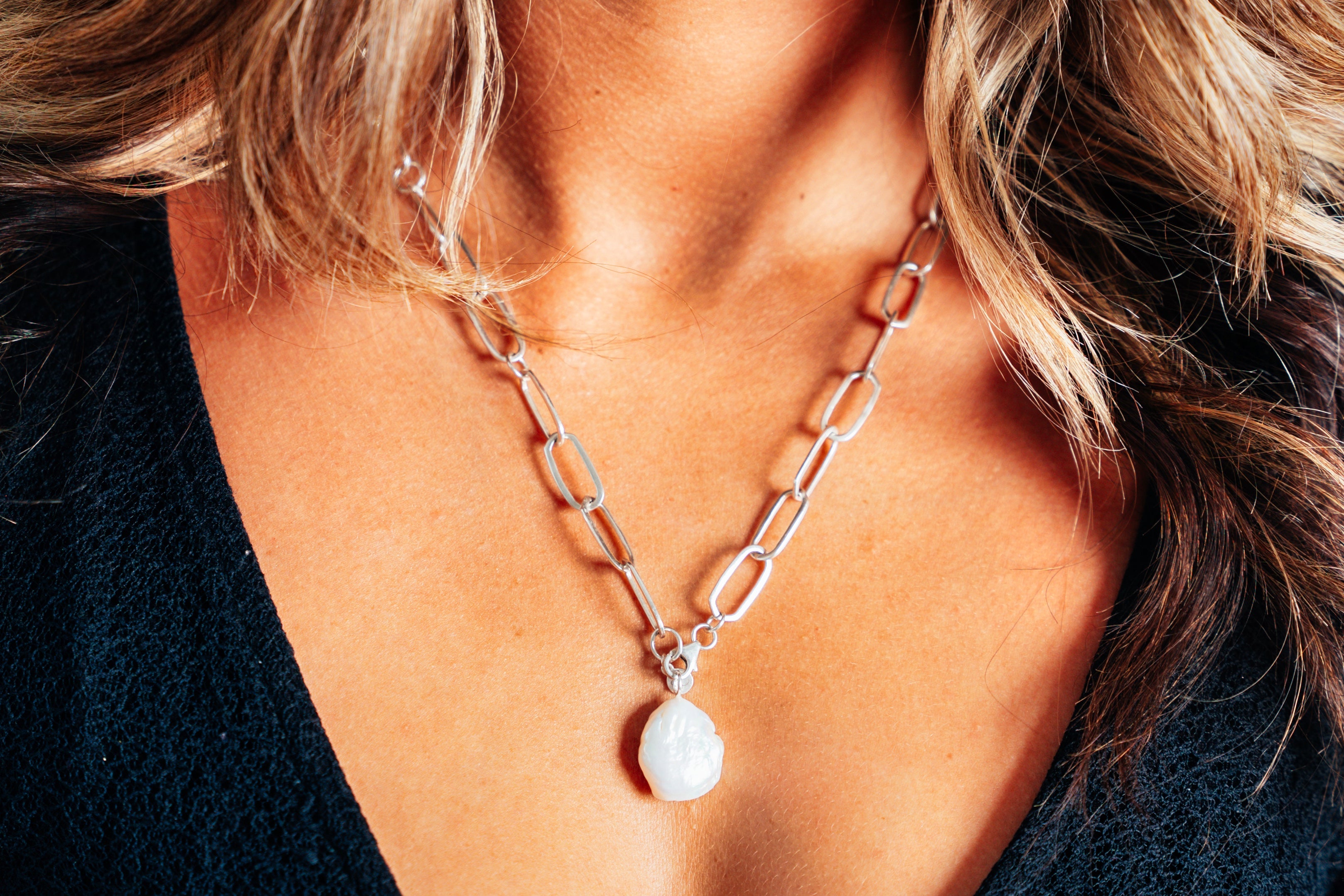
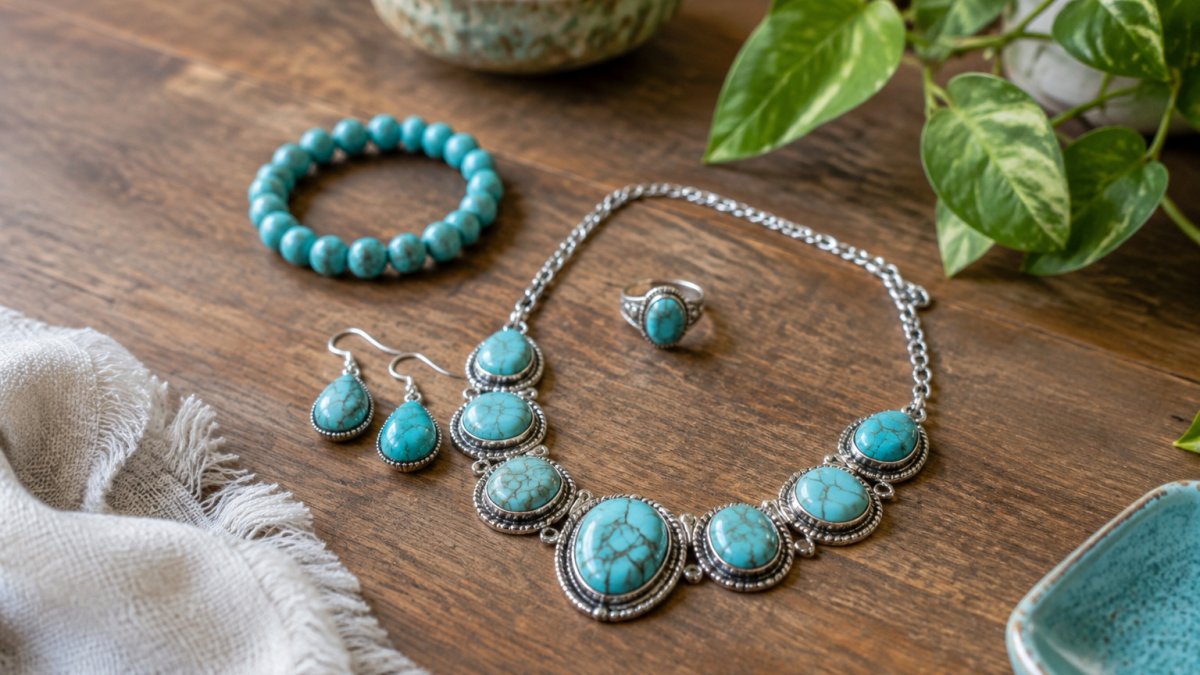
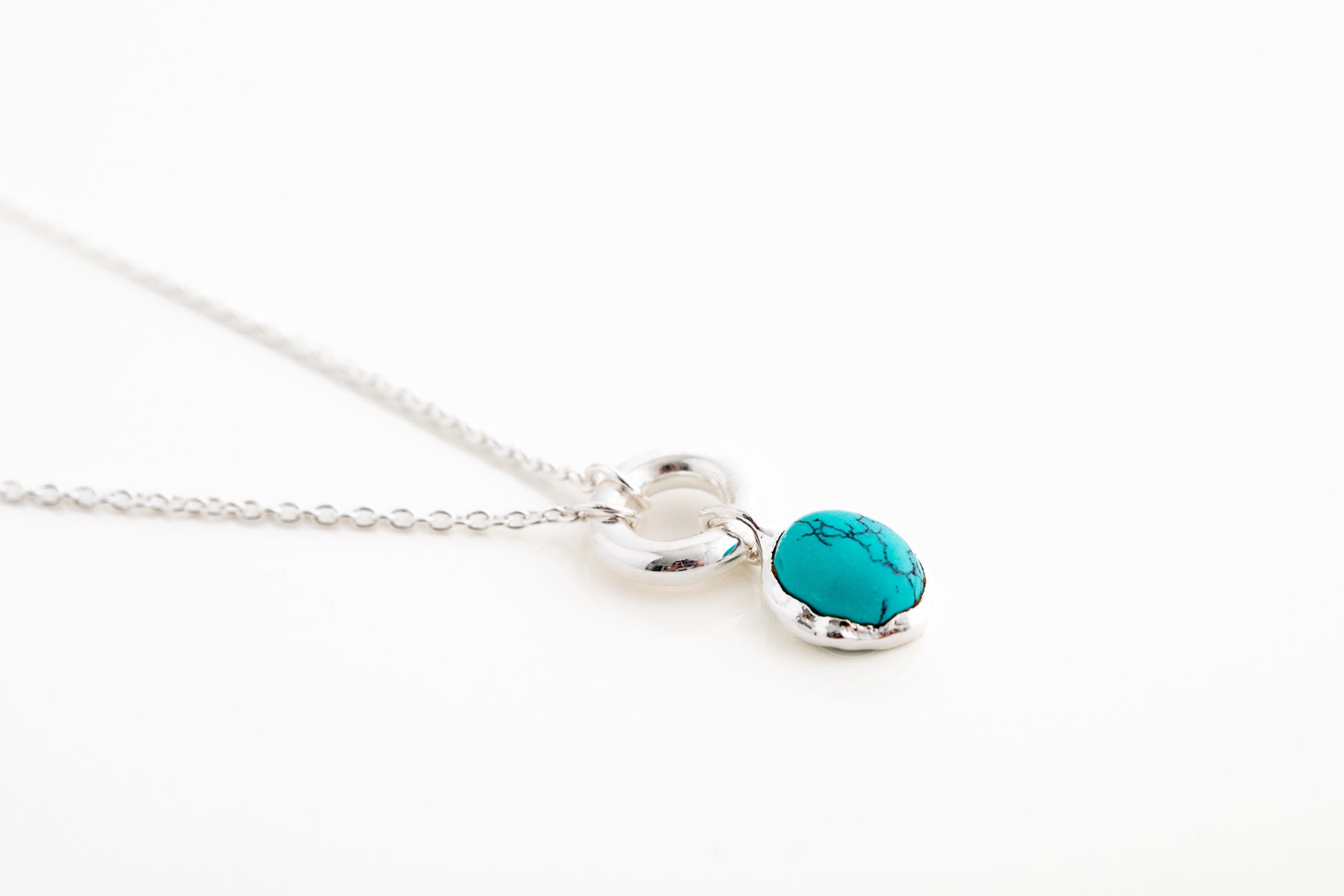
Turquoise jewelry pairs well with a surprising range of outfits. A simple linen blouse and light trousers let a statement necklace do the work. A turquoise and silver necklace works especially well with white, cream and denim.

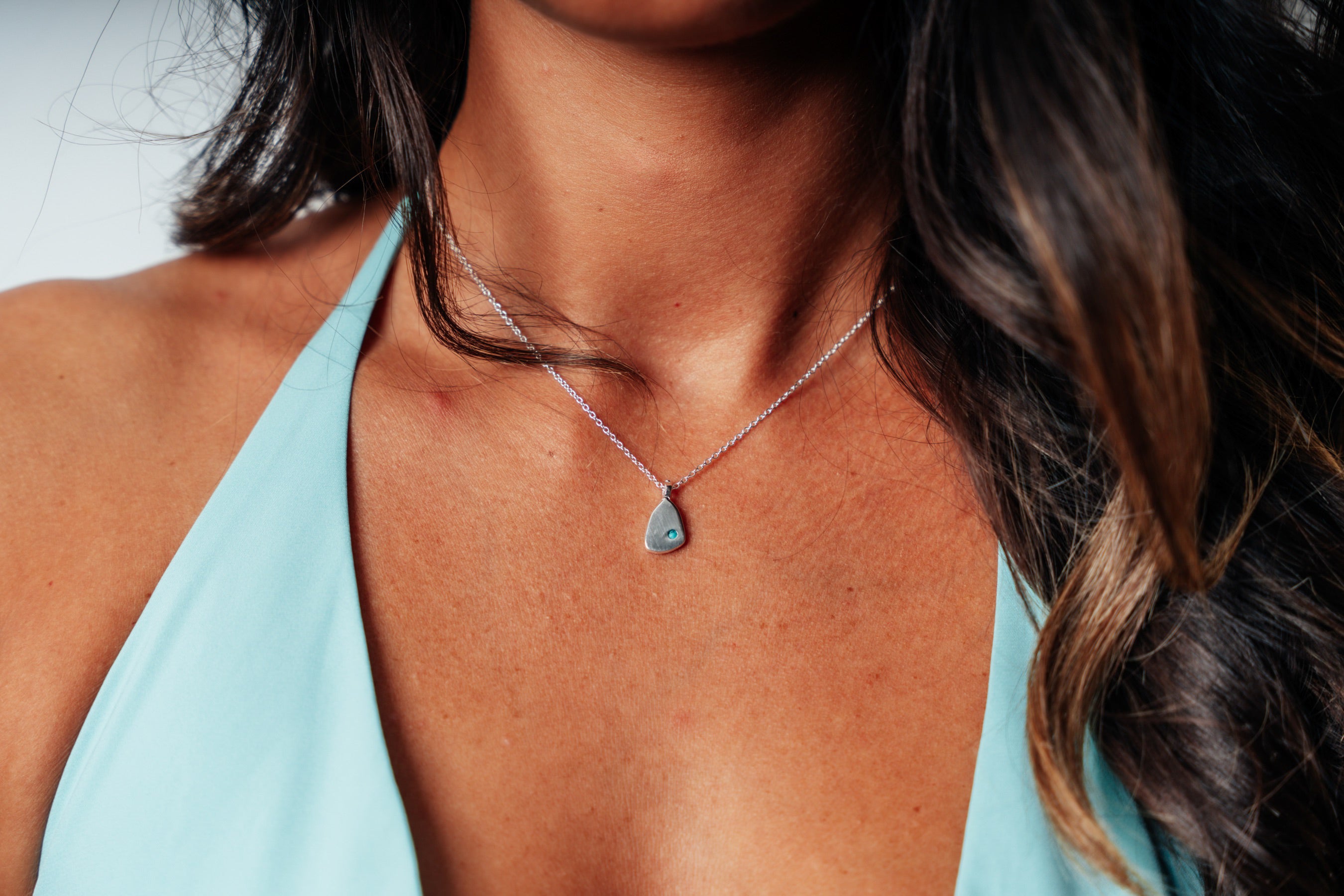
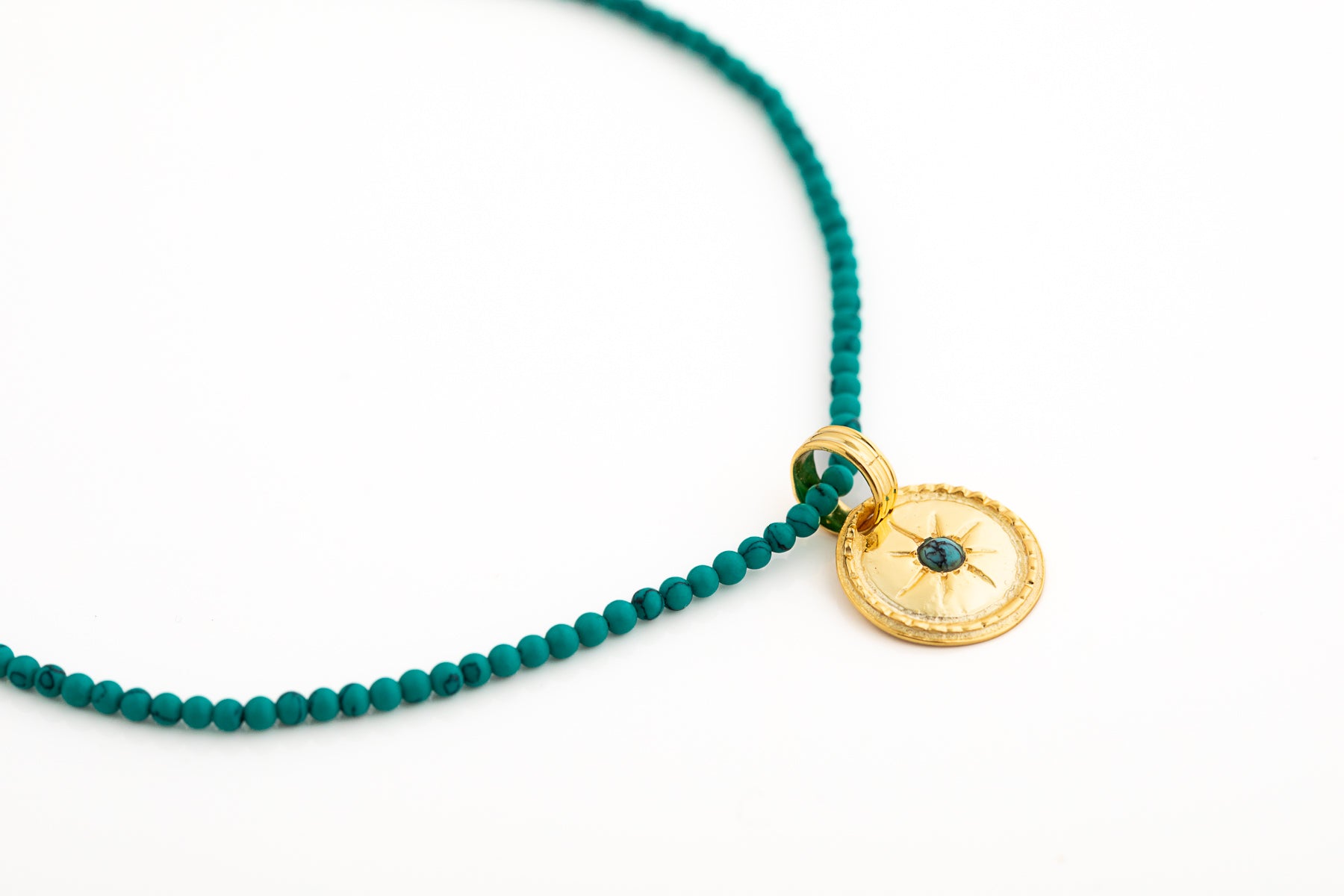
Our Turquoise Beaded Necklace with Detachable Gold Pendant at £78.00 can be worn with or without its pendant. For a more understated option, the Turquoise and Silver Necklace at £60.00 sits neatly against a plain neckline.
Colours That Go with Turquoise
Turquoise is unusually forgiving because it sits between blue and green, so it flatters both cool and warm palettes. For more on how turquoise's hue relates to other gemstone colours, see the colour meanings guide. The trick is to decide whether you want the stone to lead or to blend.
Neutrals that let the stone lead. White, cream, sand, stone and charcoal all give turquoise room to be the focal point. A turquoise pendant on a white linen shirt or a cream knit reads clean and deliberate. Denim is the classic pairing for a reason: indigo sits close enough to turquoise to feel related without matching, which is why a silver-and-turquoise necklace works so well with a denim jacket.
Warm colours that create contrast. Terracotta, rust, olive, mustard and warm brown sit opposite turquoise on the colour wheel, so they make the blue-green pop. This is the pairing to reach for when you want a piece to feel bold rather than quiet. A turquoise ring against a rust linen dress is a simple way to try it.
Cool colours that blend. Navy, slate, sage and soft grey keep the look tonal and understated. This is the safer route for workwear or for anyone who prefers jewellery that whispers rather than shouts.
Metals. Silver is the traditional partner and keeps the look crisp and casual. Warm gold or brass warms the stone and suits olive and brown skin tones particularly well; it also makes turquoise feel more formal. Mixing the two metals in one outfit is fine as long as one dominates.
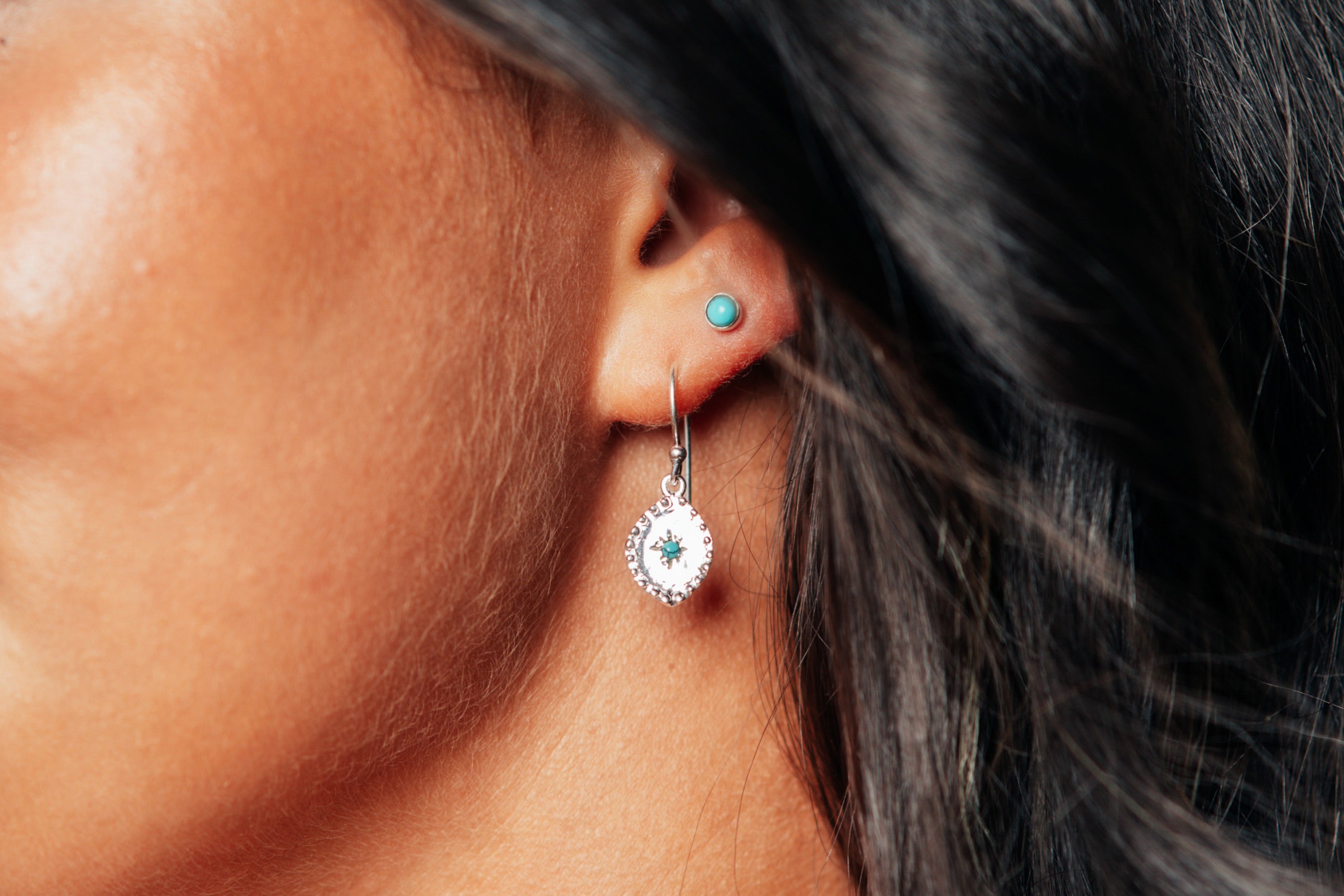
Occasion matters more than rules. For a practical everyday capsule checklist of turquoise pairings, see the minimalist jewellery guide. For work, pair a small turquoise stud or a fine silver chain with navy, grey or white. For casual days, stack turquoise bracelets with denim and a plain tee. For evening, a single larger turquoise pendant against black or deep green reads as a statement without needing other jewellery. The common mistake is wearing turquoise with too many other bright colours at once; let one other colour carry the outfit and keep the rest neutral.
Watch out: very pale or washed-out turquoise can disappear against white and light grey, so check the stone's saturation in daylight before committing to a pale outfit.
Caring for Turquoise Jewellery: A Practical Checklist
Turquoise is softer than many gems, so a little care goes a long way.
- Remove turquoise before showering, swimming or exercising.
- Keep it away from perfume, hairspray and lotions, which can dull the surface.
- Wipe pieces gently with a soft, dry cloth after wearing.
- Store each piece separately in a soft pouch to prevent scratches.
- Avoid prolonged exposure to heat or direct sunlight, which can fade some stones.
The article's care advice is easier to scan in a quick reference, with each tip and its reason:
| Care step | Why it matters | Note |
|---|---|---|
| Remove before showering, swimming or exercising | Turquoise is softer than many gems | Applies to all pieces |
| Keep away from perfume, hairspray and lotions | Can dull the surface | Keep separate from cosmetics |
| Wipe gently with a soft, dry cloth | Removes residue after wear | Use after each wearing |
| Store separately in a soft pouch | Prevents scratches | One pouch per piece |
| Avoid prolonged heat or direct sunlight | Can fade some stones | Especially for stored pieces |
Choosing Turquoise Jewellery as a Meaningful Gift
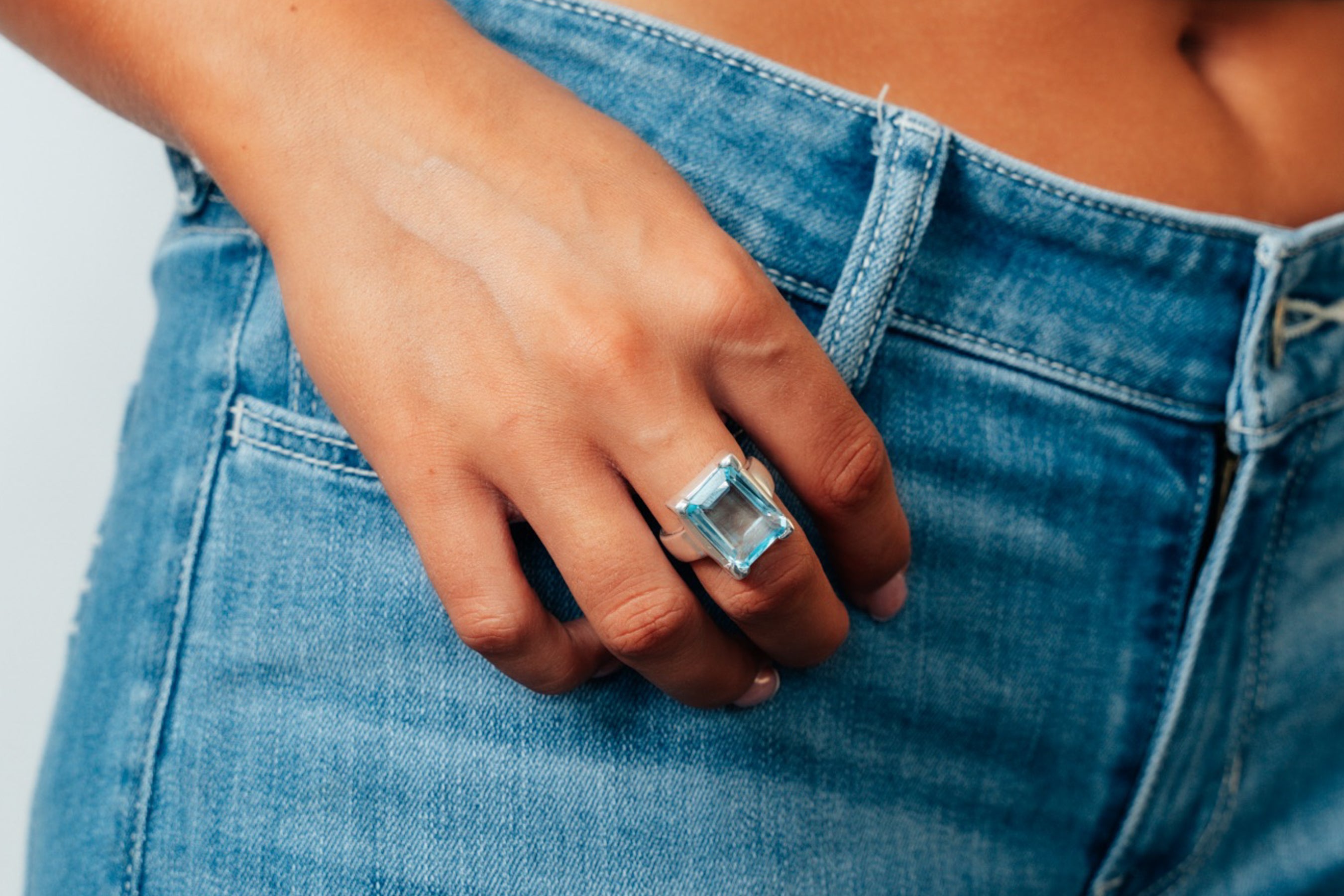
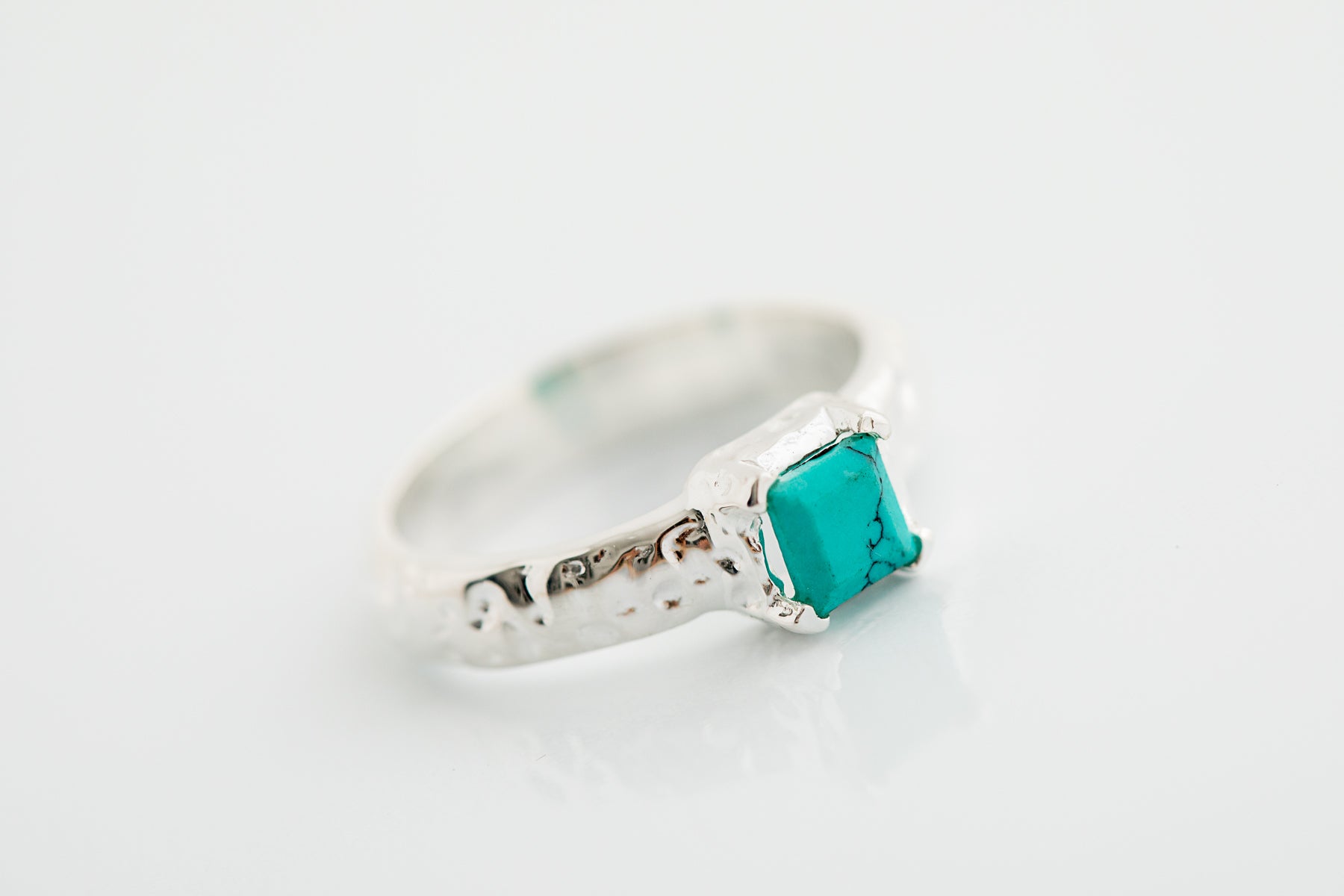
A turquoise piece makes a thoughtful gift for a birthday, an anniversary or a December birthday. Choose a design that suits the recipient's everyday style. A ready-to-buy turquoise necklace with a detachable pendant option lets the recipient wear it simply or dress it up. The Turquoise Ring at £60.00 is a limited edition, with only one per size.
Turquoise carries meaning, but it also needs the right piece to feel like yours. Explore the SilverStory collection, find a design that reflects the way you dress and what you want the stone to mean, and add your favourite to cart.
Frequently Asked Questions
What does turquoise jewellery symbolise?
Turquoise has long been associated with protection, good fortune and calm. Many wearers also connect it with emotional balance and clear communication, and it is a traditional stone in many cultures. These meanings are cultural and personal rather than scientifically proven, but they remain a major reason people choose turquoise pieces. A turquoise necklace or ring can be worn as a reminder of these qualities, particularly when chosen as a personal or sentimental gift.
How do you style turquoise jewellery?
Turquoise works well with both casual and dressed-up outfits. A beaded turquoise necklace suits open-neck tops and simple dresses, while a small turquoise ring adds interest to everyday knitwear or denim. Match the scale of the piece to the neckline: a chunky statement necklace suits a plain crew neck, whereas a fine chain with a small stone suits a V-neck or a collared shirt. For occasions, keep the rest of the look understated so the stone remains the focal point.
Can you wear turquoise jewellery every day?
Yes, with sensible care. Turquoise is a porous stone that can be affected by lotions, perfumes, sweat and prolonged water exposure. Remove turquoise pieces before showering, swimming or exercising, and put them on after applying cosmetics. Store each piece separately in a soft pouch to avoid scratches.
What colours go well with turquoise jewellery?
Turquoise pairs well with white, cream, navy, denim and warm neutrals such as tan and camel. It also complements earthy tones like terracotta and olive, and it looks striking against black for a sharper contrast. For a summer look, combine turquoise with white linen and gold accents, while darker winter outfits benefit from silver jewellery and a single turquoise accent piece.