
Sustainable Jewellery Packaging: 7 Practical Shipping Steps
Quick Summary
Sustainable jewellery packaging protects a piece while leaving the smallest possible footprint, using recycled or recyclable materials, plastic-free inserts and right-sized boxes. Good packaging protects the jewellery, uses as little material as possible, and can be reused, recycled or composted at the end of its life.
- Check local collection rules before promising that a box is recyclable.
- Choose recycled paperboard or corrugated cardboard, and avoid heavy laminated coatings.
- Swap plastic zip bags, bubble wrap and film tape for paper alternatives like kraft sleeves and paper tape.
- Right-size boxes, since carriers price on weight and volume, and an oversized box can cost more to send.
- Track packaging weight per order, parcels per order and return rate when making changes.
Table of Contents
- Recycled and Recyclable Materials for Jewellery Boxes
- Eco-Friendly Jewellery Packaging Without Plastic
- Plastic-Free Jewellery Packaging: Options for Every Piece
- Protecting Jewellery in Transit With Less Material
- Sustainable Shipping for Small Businesses: Costs and Practical Steps
- Choosing Your Next Packaging Step
- Frequently Asked Questions
What Sustainable Jewellery Packaging Actually Means
Sustainable jewellery packaging is packaging that protects a piece while leaving the smallest possible footprint, from the materials used to the way the box is eventually disposed of. It starts with the jewellery itself and ends with the parcel landing safely on a customer's doormat. Most shoppers only notice the box, but the choices behind it affect waste, cost and the customer's experience.
Here's the part most guides skip: sustainable packaging is not just about picking a green-looking material. A plastic-free box that arrives crushed, or a pouch that can't be recycled in most council bins, has not solved much. Good packaging does three jobs at once. It protects the jewellery, it uses as little material as possible, and it can be reused, recycled or composted at the end of its life.
Watch out: a "recyclable" label only helps if the box can actually be recycled where the customer lives, so check local collection rules before promising it.
Recycled and Recyclable Materials for Jewellery Boxes
Recycled paperboard and corrugated cardboard are common starting points for jewellery packaging. They are widely recycled in the UK, they hold their shape, and they can be printed without heavy coatings. Recycled content matters too, because every tonne of recycled fibre saves virgin wood pulp. To judge whether recycled silver jewellery is worth it, it helps to look at the same sustainability questions across the materials you choose.
When you compare options, look at these points:
- Recycled content: how much of the board comes from used paper
- Coatings: laminated or glossy finishes often make boxes harder to recycle
- Inks: water-based or vegetable inks are easier to process than heavy metallic coatings
- Local recycling: whether the box goes in household paper collections
Eco-Friendly Jewellery Packaging Without Plastic
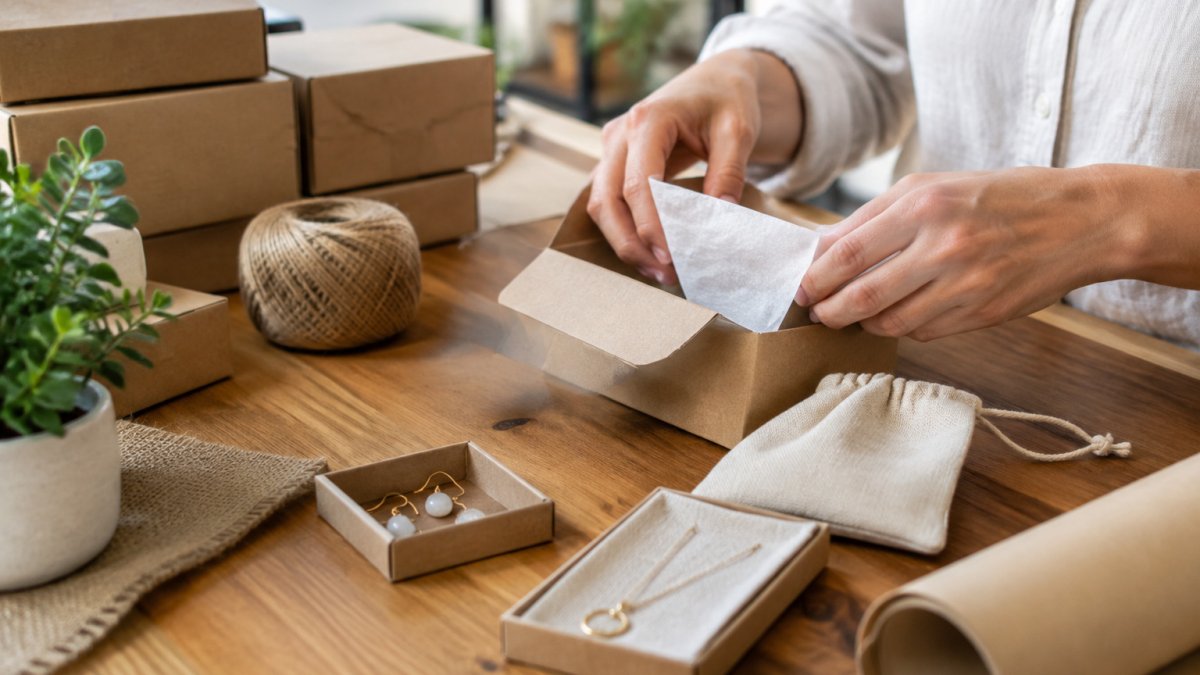
Plastic-free packaging is easier than it sounds, but it helps to know which swaps work. Kraft paper, recycled cardboard, cotton drawstring pouches and paper-based tissue are commonly used for rings, earrings, bracelets and necklaces.
Some common swaps:
- Plastic zip bags replaced with glassine or kraft paper sleeves
- Bubble wrap replaced with crinkled kraft paper or a folded card insert
- Plastic film tape replaced with paper tape or a simple tuck-in flap
- Foam inserts replaced with a moulded pulp or card tray
A common mistake is swapping one plastic item for a different plastic that looks like paper. Check the material before you print the packaging, because a "plant-based" film may still need specialist composting.
Plastic-Free Jewellery Packaging: Options for Every Piece
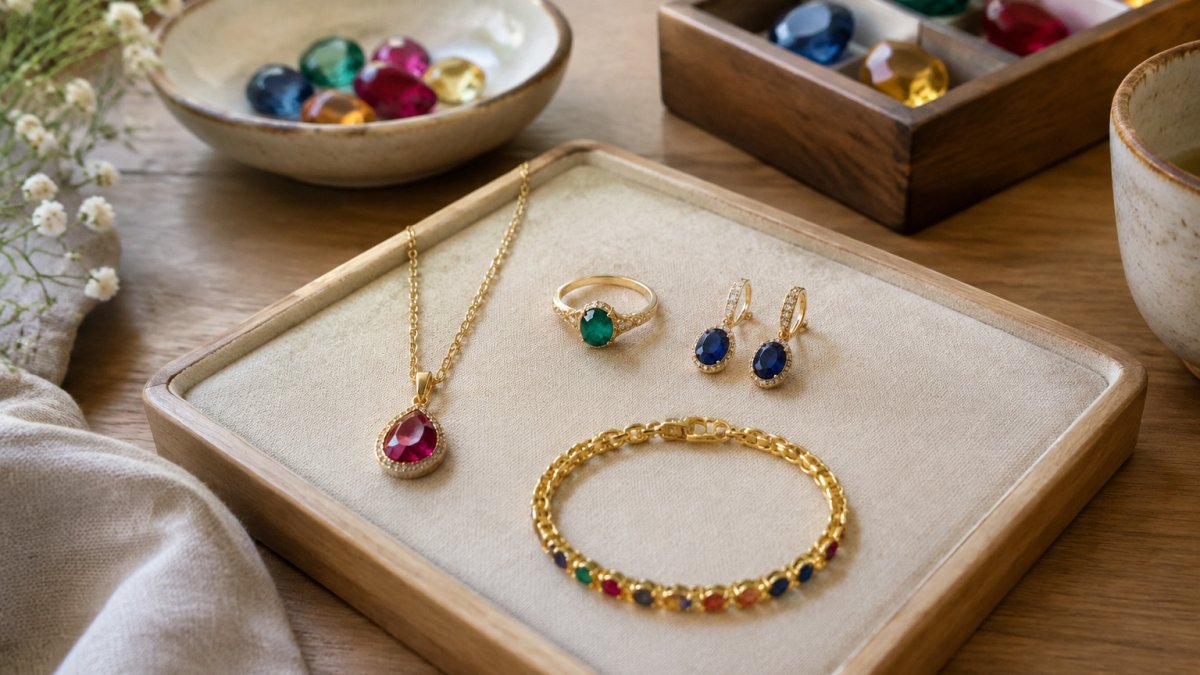
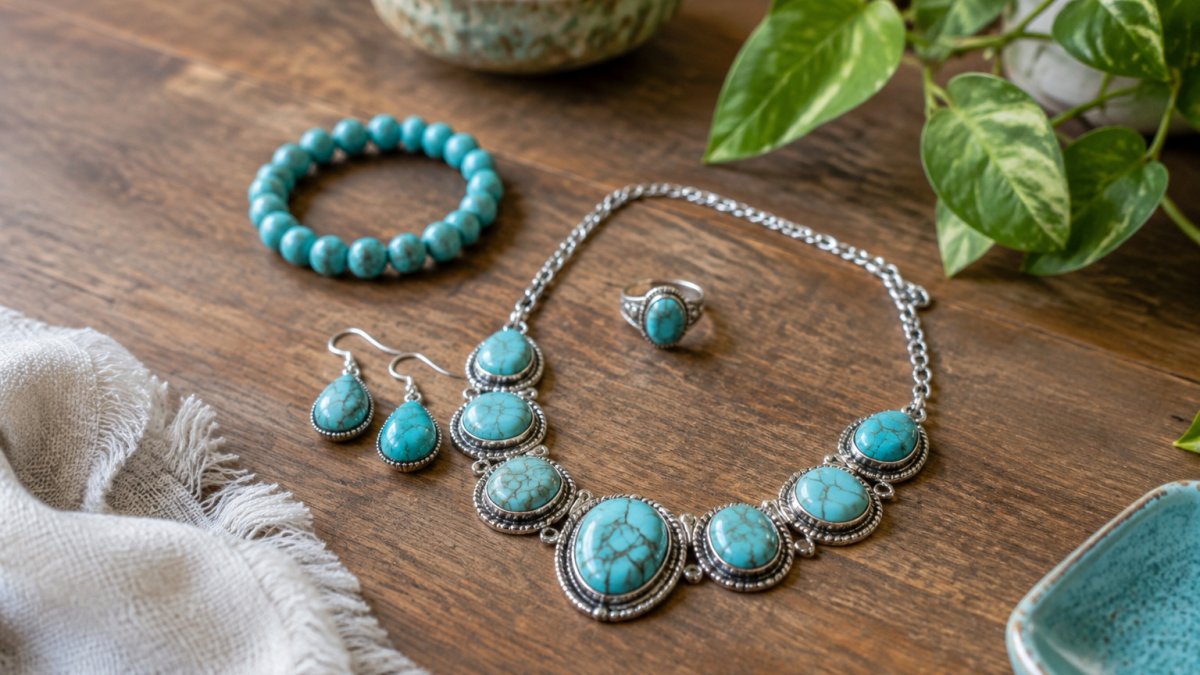
Different jewellery types need different protection. A pair of stud earrings can travel in a small card box with a cotton insert. A long chain can take more room, so it needs a box with a little padding to stop it tangling and scratching.
A quick guide:
- Rings: small rigid box with a fitted insert
- Earrings: card box or paper-wrapped pouch with a cotton backing
- Bracelets: slim box or wrap so the clasp doesn't snag
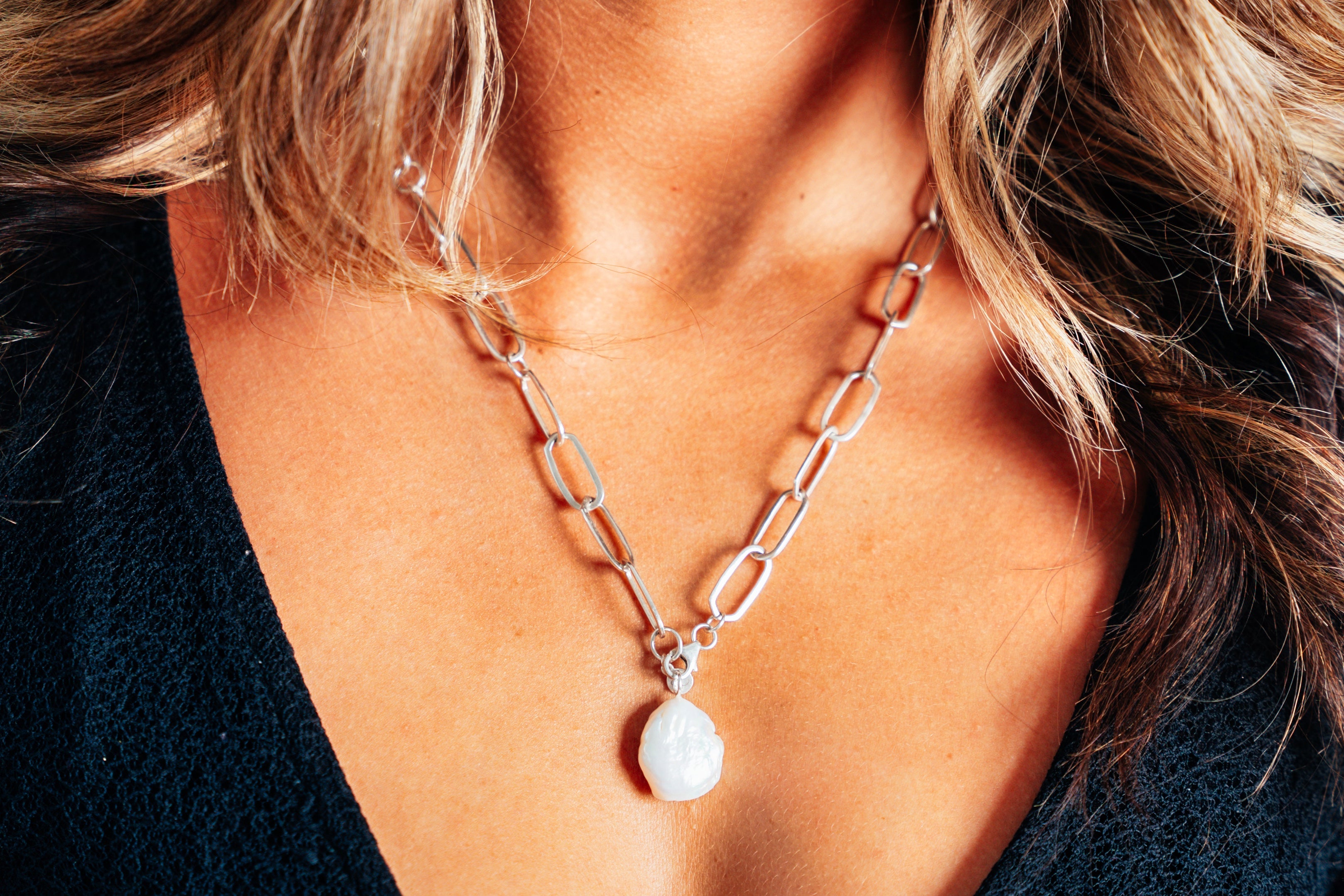
- Necklaces: flat box with a curved card form to hold the chain in place
Match the box to the piece, not the other way round. Oversized packaging wastes material and can let small items move around inside.
Protecting Jewellery in Transit With Less Material
Less packaging does not mean less protection, but it does mean testing the protection you keep. Most jewellery damage in transit comes from movement, abrasion, tangling, moisture and loss rather than from a single heavy impact, so the useful approach is to test each risk separately and remove any layer that is not doing a job.
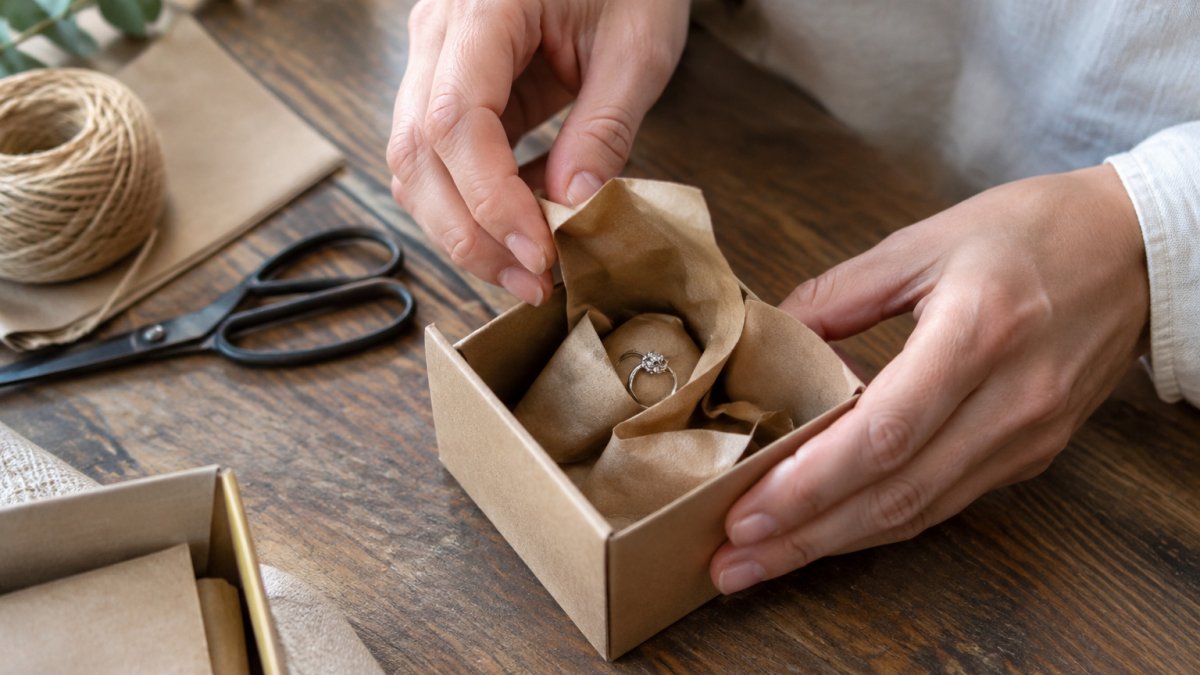
A practical bench test for a small jewellery business looks like this:
- Abrasion: place the piece in its intended pouch or card form and rub the packed box against a corrugated surface for a few seconds. Check for scuffs on polished surfaces and for print transfer from the packaging. A soft cotton or paper interlayer usually solves it; extra foam rarely does.
- Tangling: hold the sealed box and rotate it through a full turn, then open it. Chains and bracelets should still sit on their card form. If a chain has slipped, tighten the form or add a single paper tab rather than filling the box.
- Moisture: jewellery is usually shipped dry, but paper and card absorb damp. A sealed paper mailer with no plastic film can soften in wet weather, so use a water-resistant paper outer or a paper tape seal on the outer flap rather than wrapping the piece in film.
- Impact: drop the sealed parcel from waist height onto a hard floor, corner first, then open it. The piece should not touch the box wall. A moulded pulp or folded card tray that holds the piece away from the edges is more effective than loose filler.
- Loss prevention: small items such as studs and loose stones are the most common loss risk. Seal them in a small glassine or paper envelope inside the box, and check that the outer flap is taped rather than tucked, so the parcel cannot open in transit.
Watch out: a box that passes a shake test can still fail a drop test, because the piece moves on impact even when it is snug at rest. Test both, and test the actual parcel weight and size you send, not a bench sample.
The aim is to keep the piece still and away from the box edges with the fewest layers, then remove any insert that the test shows is not needed.
Sustainable Shipping for Small Businesses: Costs and Practical Steps
Sustainable shipping is where the packaging decisions meet the carrier and the fulfilment process, and it is the part most guides leave out. For a wider view of how circular practices extend into shipping and product lifecycles, see circular economy practices in jewellery. The practical levers are parcel size and weight, the number of trips, the delivery option offered, and how returns are handled. Each one affects cost as well as emissions, which is why small jewellery businesses can usually improve both at once.
Start with right-sizing. Carriers price on weight and, for larger parcels, on volume, so an oversized box with loose filler can cost more to send than a snug box of the same weight. Measure your most common jewellery box, add the outer mailer, and compare that against the carrier's size bands. A box that sits just inside a lower band is often the single biggest saving available.
Next, consolidate. If a customer orders two pieces, packing them in one parcel rather than two cuts the number of trips and the outer packaging. Offer a combined dispatch where orders are placed close together, and make the gift option a choice rather than a default, because a gift box adds material and weight that some customers do not want.
Then look at delivery. Many UK carriers offer a standard and a next-day service. Offering a standard service as the default, with next-day as a paid upgrade, is a simple way to shift most orders onto the lower-impact option without removing choice. Some carriers also publish carbon figures per parcel; ask your account manager for the figure for your service rather than relying on a general claim.
Returns are the fourth lever. A return-ready parcel, with a paper return label and a reusable mailer, can recover packaging that would otherwise be thrown away. Reusable mailers work best for higher-value pieces where the customer is likely to keep the packaging; for low-value items the return trip can cost more in material than it saves, so match the approach to the piece.
On cost, unit prices depend on order quantity, board grade, print and delivery. Unit costs for packaging depend on several factors, so comparing quotes is worthwhile. Get quotes from two or three packaging suppliers and from your carrier for the size bands you actually use, and compare the total cost per order rather than the cost per box.
A phased transition keeps this manageable. In the first month, right-size your most common box and switch to paper tape. In the second, consolidate multi-item orders and set standard delivery as the default. In the third, trial a reusable mailer for your highest-value line and measure the return rate. Track packaging weight per order, the number of parcels per order, and any damage or loss reports, so you can see whether each change is working before you add the next. Establishing these incremental benchmarks provides the necessary clarity to switch to sustainable packaging while maintaining the integrity of your brand identity.
The article breaks down a phased transition into three months, with a specific change to make in each.
| Month | Change to make | What to track |
|---|---|---|
| First | Right-size your most common box and switch to paper tape | Packaging weight per order |
| Second | Consolidate multi-item orders and set standard delivery as the default | Parcels per order |
| Third | Trial a reusable mailer for your highest-value line | Return rate |
Choosing Your Next Packaging Step
Start with one change rather than a full overhaul. Swap plastic inserts for paper, or move to right-sized boxes, then measure the results over a few months. Track damage rates, customer feedback and how much packaging you use per order.
If you are buying jewellery as a gift, you can browse the range of rings, earrings, bracelets and necklaces, all handcrafted in Rajasthan, on the SilverStory website.
BUTTON: Explore the Collection CARD_TITLE: Looking for ethical jewellery? CARD_TEXT: SilverStory makes handcrafted rings, earrings, bracelets and necklaces by skilled artisans in Rajasthan.
Frequently Asked Questions
What is the most sustainable packaging for jewellery?
There is no single answer, because the best choice depends on the piece, its value and how far it travels. Recycled paperboard boxes, FSC-certified card and compostable pouches made from plant-based materials all avoid virgin plastic. Look for packaging that is recyclable through standard UK kerbside collection, and avoid mixed materials such as foil-laminated card with plastic windows, which are hard to separate. Matching box size to the piece also reduces filler and waste.
How can I package jewellery without plastic?
Start with paper-based inserts such as folded card or recycled cotton pouches instead of plastic bags and bubble wrap. Tissue paper, kraft paper and cardboard fillers can cushion items well when they fit the box snugly. Avoid glitter, plastic-coated ribbon and plastic sealing strips, which often make paper packaging hard to recycle. Test the closure by shaking the box gently before sealing to check nothing moves.
Are biodegradable mailers better than recyclable packaging?
Not always. Biodegradable plastic mailers often need industrial composting conditions that most UK households and councils do not provide, so they may end up in landfill. Recyclable paper mailers can be placed in household recycling and are usually the more reliable choice. If you use compostable materials, label them clearly so customers know how to dispose of them, and keep the packaging simple so it breaks down easily.
Is recycled paper packaging suitable for shipping jewellery?
Yes, provided it is strong enough and sized correctly. Recycled corrugated cardboard or rigid paperboard boxes protect jewellery well when combined with a snug inner tray or padded insert. Check the box can withstand a drop and stacking in a parcel depot before committing to a supplier. Recycled content is a useful feature, but structural strength and a secure fit matter more for protecting pieces in transit.