The Complete Guide to Buying Gold Gemstone Jewellery
Last Updated: November 14, 2026
Quick Summary
To buy gold gemstone jewellery well, check the gold purity and hallmark first, then confirm whether the metal is solid, vermeil or plated. Next, judge the stone's durability for your daily wear and the security of its setting. Finally, compare the price against metal weight, stone quality and craftsmanship.
- Check the carat mark first: 18 carat is 75 per cent gold, 9 carat is 37.5 per cent.
- A full UK hallmark shows purity, assay office and date letter; pieces below 9 carat cannot carry one.
- Solid gold keeps its colour through wear, while gold plated jewellery can rub away within months.
- Choose stones by Mohs hardness, since softer stones can chip or lose polish with everyday knocks.
- Ask sellers for an itemised breakdown of metal weight, gemstone details, labour and certification.
Table of Contents
- Why Gold Gemstone Jewellery Needs a Closer Look Before You Buy
- Gold Purity and Carat Guide: What the Numbers Mean
- How to Check Gold Hallmarks in the UK
- Solid Gold vs Gold Plated Jewellery: Which Lasts and Why It Matters
- Gemstone Durability for Jewellery: Choosing Stones for Everyday Wear
- Setting, Design and Price: Judging Value Without Overpaying
- Your Next Step: Choosing and Caring for Your First Gold Gemstone Piece
- Frequently Asked Questions
Why Gold Gemstone Jewellery Needs a Closer Look Before You Buy
Gold gemstone jewellery is one of the most rewarding things you can buy, but it is also one of the easiest to get wrong. A ring that looks stunning under a shop's spotlights can dull within months if the metal is thin, the stone is poorly set, or the seller has been vague about what they are selling. For a clear durability comparison of plated and filled options, see gold filled vs gold plated durability. A purchase feels much better when the buyer knows what to check first. This guide walks you through the decisions that matter most, from reading gold purity to judging whether a price is fair.
The good news is that you do not need to be a gemmologist to buy well. Most of the important checks are simple once you know where to look.
Gold Purity and Carat Guide: What the Numbers Mean
Gold purity is measured in carats, where 24 carat is pure gold and lower numbers mean more of the metal has been mixed with other alloys. 18 carat gold is 75 per cent gold, while 9 carat is 37.5 per cent. The higher the carat, the richer the colour, but also the softer the metal, which is why most everyday pieces are made in 9 or 18 carat.
Alloys are what make gold strong enough to hold a gemstone securely. When comparing pieces, check the carat mark first, then consider whether the colour and weight suit how you plan to wear the jewellery day to day.
Beyond carat, the alloy mix determines colour and upkeep. Yellow gold typically combines gold with silver, copper and zinc; white gold uses palladium, nickel or silver with a rhodium plating for a bright finish; rose gold gets its warmth from a higher copper content. Each has trade-offs in how it looks and wears over time.
Watch out: a seller who quotes carat alone without explaining the alloy or plating is giving you an incomplete picture of how the piece will age.
How to Check Gold Hallmarks in the UK
A UK hallmark is the most reliable sign that gold has been tested and certified. Look for a set of small stamps, usually on the inside of a ring band or the clasp of a necklace. A full hallmark includes the purity mark, an assay office mark showing where it was tested, and a date letter (Hallmarking: practical guidance - summary). Pieces below 9 carat cannot carry a UK hallmark, so treat any claim of unmarked low-carat gold with caution.
If you cannot find a hallmark, ask the seller directly and request written confirmation of the metal and its purity. Reputable sellers answer this without hesitation. Watch out: a stamp that looks like a hallmark is not the same as a genuine assay mark, so compare what you see against official hallmark guidance.
Solid Gold vs Gold Plated Jewellery: Which Lasts and Why It Matters
Solid gold runs through the whole piece, so it keeps its colour when a surface wears. Gold plated jewellery is a base metal with a very thin gold layer on top, and that layer can rub away within months of regular wear. Gold vermeil sits in between, with a thicker layer of gold over sterling silver, which can last longer but still needs gentle care.
Plated pieces can suit occasional wear or a trend you want to try cheaply. For a piece you plan to wear daily, solid gold or a well-made filled option usually gives better value over time. If you are wondering whether gold vermeil is worth the money, the answer depends on how often you wear it. Our Opal Ring, for example, is set in 18 carat gold on sterling silver, as the listing describes.
Gemstone Durability for Jewellery: Choosing Stones for Everyday Wear
Not every gemstone is suited to daily wear. Our guide to durable earrings for everyday use covers which pieces hold up best. Hardness, measured on the Mohs scale, tells you how well a stone resists scratches. Softer stones can be beautiful but may chip or lose their polish if they knock against hard surfaces, while tougher stones hold up better in rings worn every day.
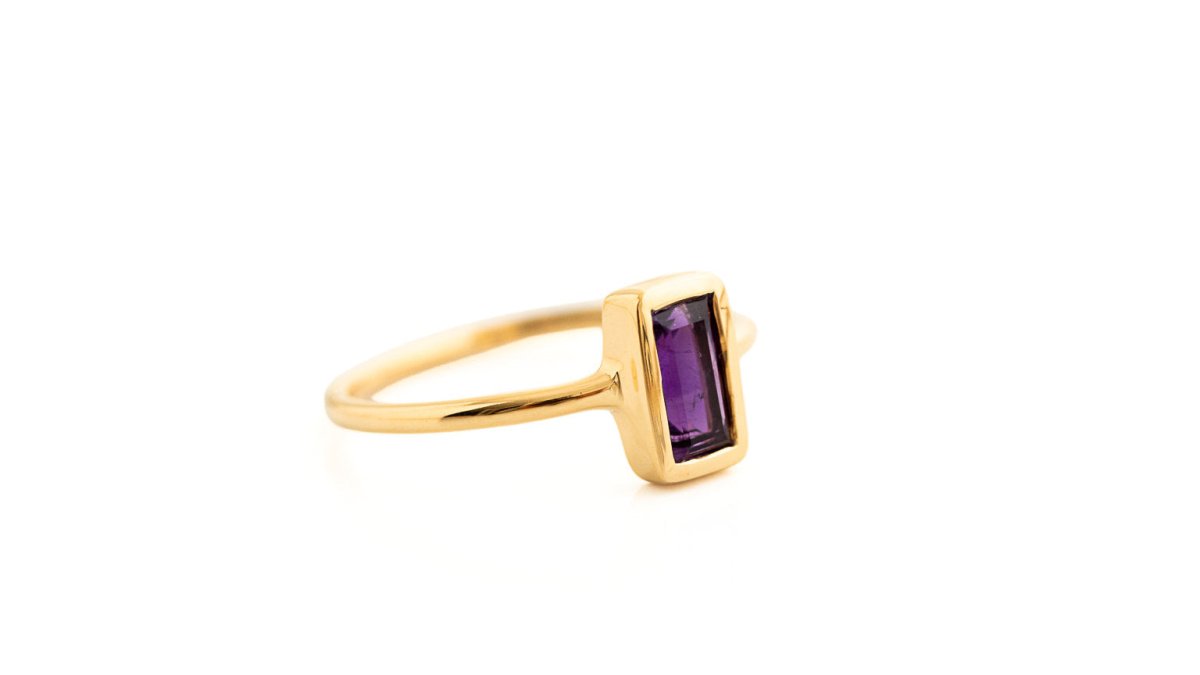
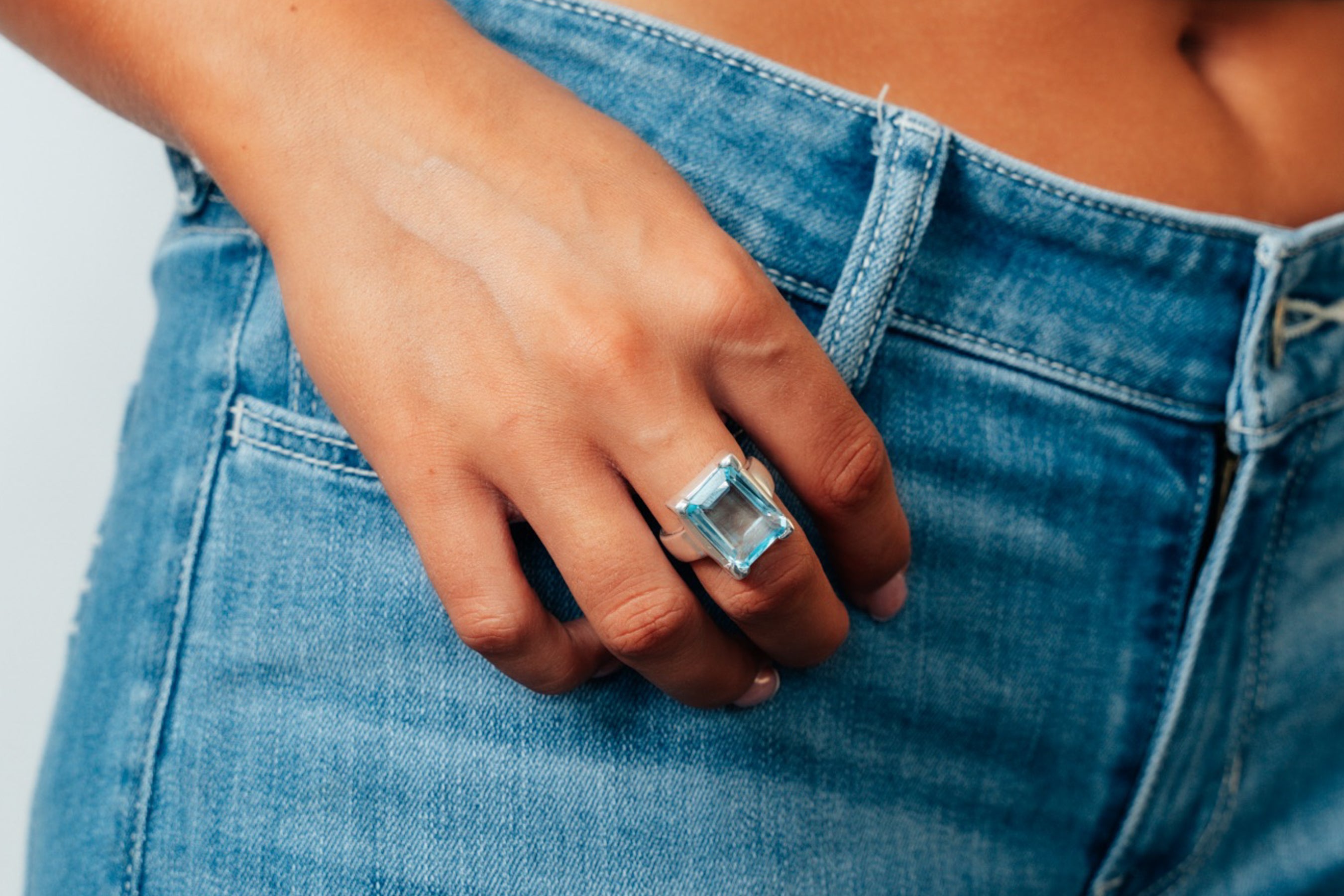
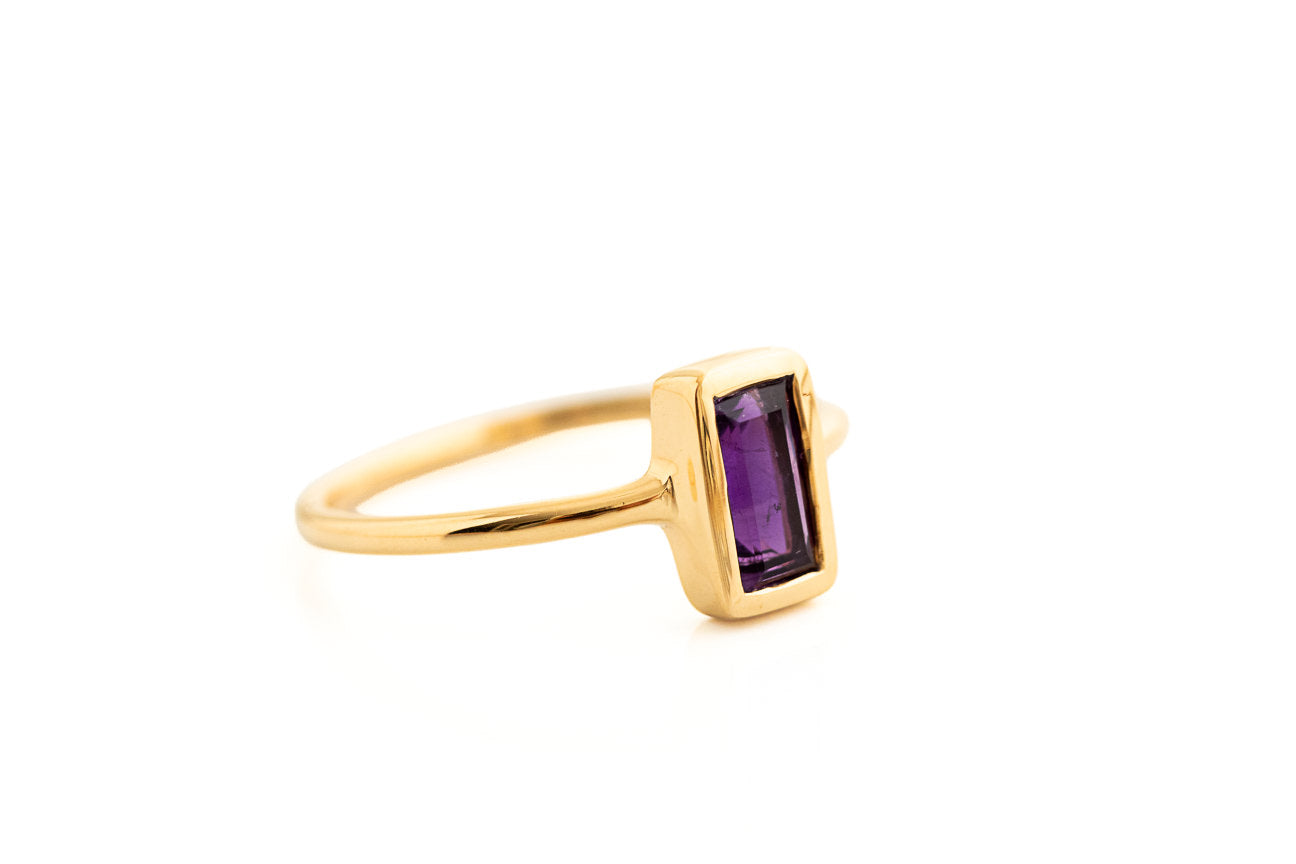
Think about how each piece will be used. A ring worn while cooking or exercising faces more impact than a pair of earrings, so choose a stone and setting to match. Our Gold Rectangular Amethyst Ring, for example, offers a deep purple stone in a warm gold setting. Stones that are treated or lab-created can also look identical to natural ones, so always ask whether a stone has been treated and how it was produced.
Setting, Design and Price: Judging Value Without Overpaying
A stone is only as secure as its setting. Our Opal pieces use a square claw setting. Check that prongs are even and firm, and that the stone does not wobble when you gently press it. Ask how the setting can be cleaned and whether it can be repaired or resized without removing the stone.
Design should suit your daily life as well as your taste. Simple shapes tend to be easier to wear and repair. To see how stainless steel jewellery holds up over time before you pay for a finish, read our longevity guide. On price, compare what you are paying against the metal weight, the stone quality and the craftsmanship, rather than the brand name alone. A fair price should reflect those elements clearly, and a good seller will explain them openly.
To judge value without overpaying, ask for a breakdown that separates metal weight in grams, gemstone details (carat weight, cut, colour, clarity and any treatments), labour and setting costs, and certification. When comparing two rings, look at the metal weight, the stone's treatment status and how the quote is itemised.
Watch out: a price that seems low for the carat and stone size can reflect thin metal, a poorly cut stone or an undisclosed treatment.
Your Next Step: Choosing and Caring for Your First Gold Gemstone Piece
Start with one piece that fits your style and budget, and check its hallmark, setting and stone before you buy. Once you have chosen, our guide to how long ethical jewellery lasts and how to care for it explains what to expect. Our Opal Necklace is a simple place to begin, with matching earrings and a ring available if you want to build a set over time.
If you are buying a gift, check the delivery and returns information before you order. Add to cart when you have found the piece that feels right.
Frequently Asked Questions
What should I look for when buying gold gemstone jewellery?
Start with the gold itself: check the karat, look for a UK hallmark, and confirm whether the piece is solid gold or plated. Then check the gemstone's type, setting and finish. Ask the seller how each stone is set, whether it is natural or lab-grown, and what the return and aftercare policies are.
How can I tell if gold jewellery is genuine?
Look for a hallmark stamped on the metal, which in the UK shows the purity and an assay office mark. Check the seller's description for karat and metal composition, and be cautious of pieces listed only as gold-toned or with no metal details. Genuine gold should come with clear specifications. If a price seems far below typical gold value, treat that as a warning sign and ask for more information before buying.
Is solid gold better than gold-plated jewellery?
Solid gold holds its colour and value for longer, because the gold runs through the whole piece. Gold plating is a thin layer over a base metal, so it can wear through with daily contact, sweat and friction. Plated pieces suit occasional wear or a lower budget. For a piece you plan to wear every day, solid gold is generally the more durable choice.
Which gemstones are durable enough for everyday jewellery?
Gemstones are rated on hardness using the Mohs scale. Stones such as sapphire and diamond rank high and handle daily knocks well. Softer stones need more care, and they are often better suited to earrings, pendants or occasional rings. When you choose a gemstone for a ring you wear daily, consider its hardness, its cleavage and whether it has been treated, and ask the seller to disclose any treatment.