Sustainable Jewellery Trends for 2026
August 20, 2026
Sustainable Jewellery Trends Reshaping the Industry
The conversation around jewellery has fundamentally shifted. What was once niche, ethical sourcing, recycled materials, transparent supply chains, is now mainstream. Conscious consumers are no longer asking whether sustainable jewellery trends matter; they're asking which brands actually deliver on those promises. At SilverStory, we've watched this transformation unfold across the industry, and the momentum heading into 2026 is undeniable.
The shift reflects a broader realization: jewellery is not disposable. A piece you wear regularly, gift to someone you love, or inherit becomes part of your story. That permanence demands accountability, from materials sourcing to artisan wages to what happens when a piece reaches the end of its life. Sustainable jewellery trends for 2026 are no longer about marketing narratives. They're about fundamental business practices that align with how conscious consumers actually want to spend their money.
Recycled Gold Jewellery and Precious Metals
Recycled gold has moved from a niche offering to a market expectation. When you choose recycled precious metals, you're eliminating the environmental and social costs of mining while getting material that's chemically identical to newly mined gold. The difference lies entirely in origin and impact.
Recycled gold requires no new mining operations, no water depletion, and no habitat disruption. A piece crafted from recycled gold carries the same durability and beauty as any other, but without the extraction footprint. For artisan makers like those who craft SilverStory's pieces in Rajasthan, recycled metals represent a commitment to ethical production from material selection through to the finished piece.
Why recycled gold matters
The appeal of recycled gold extends beyond environmental benefit. When you purchase jewellery made from recycled precious metals, you're supporting a circular economy model where materials are valued as resources to be preserved, not consumed. This mindset shift changes how brands approach design, pieces are built for longevity rather than seasonal trends.
Recycled gold also carries a transparency advantage. The supply chain is shorter and more traceable than mined gold, which can pass through multiple intermediaries before reaching a craftsperson. You can know more about where your material came from, which matters if ethical sourcing is part of your purchase decision.
Hallmarking and certification standards
In the UK, hallmarking is mandatory for precious metals. Any gold jewellery sold must carry a hallmark that indicates fineness (purity) and the assay office that verified it. This legal requirement provides baseline assurance, but it doesn't distinguish recycled from mined gold at the point of sale.
Look for additional certifications that specifically address material sourcing. Recycled Content Certification from bodies like the Responsible Jewellery Council documents the percentage of recycled content in a piece. Some makers voluntarily adopt higher standards, tracking recycled material from collection through refinement to final craft.
When evaluating a brand's commitment to recycled gold jewellery, ask whether they can document their material sourcing. Transparent makers will have this information readily available and won't hesitate to share it.
Material Honesty
SilverStory's approach to materials reflects the principle of honesty. Each piece is handcrafted with intention, using materials selected for both beauty and ethics. When you choose a piece, you're not compromising on quality or aesthetics; you're choosing how your jewellery is made.
Ethical Jewellery Sourcing Guide
Ethical jewellery sourcing means knowing where materials come from, who made your piece, and whether they were paid fairly. For many conscious consumers, this is the core of what sustainable jewellery trends represent in 2026.
Artisan craftsmanship and fair wages
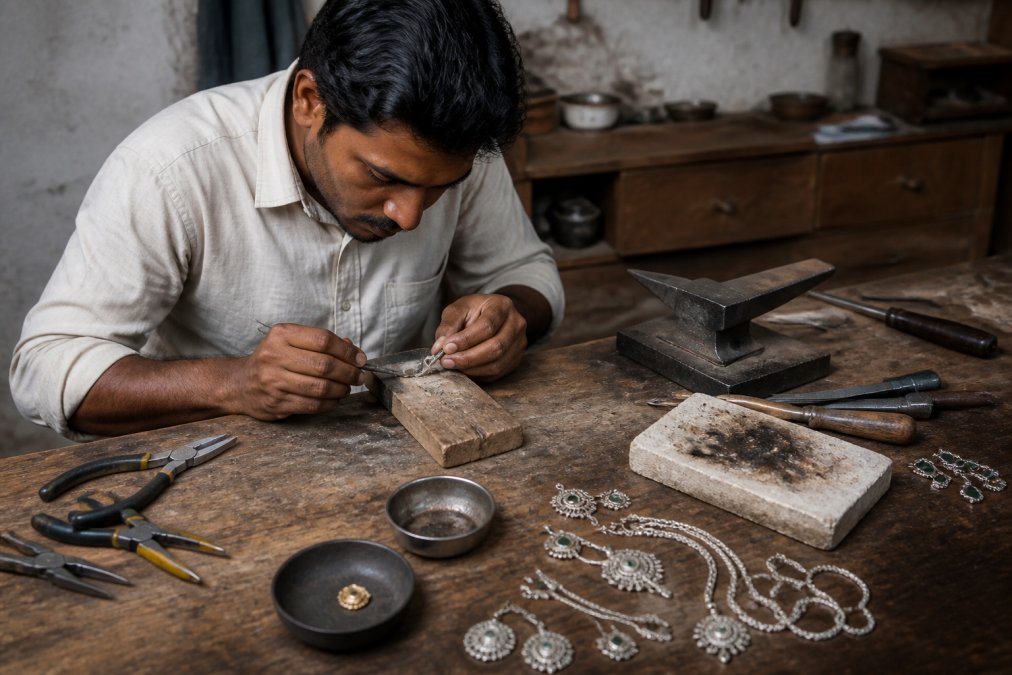
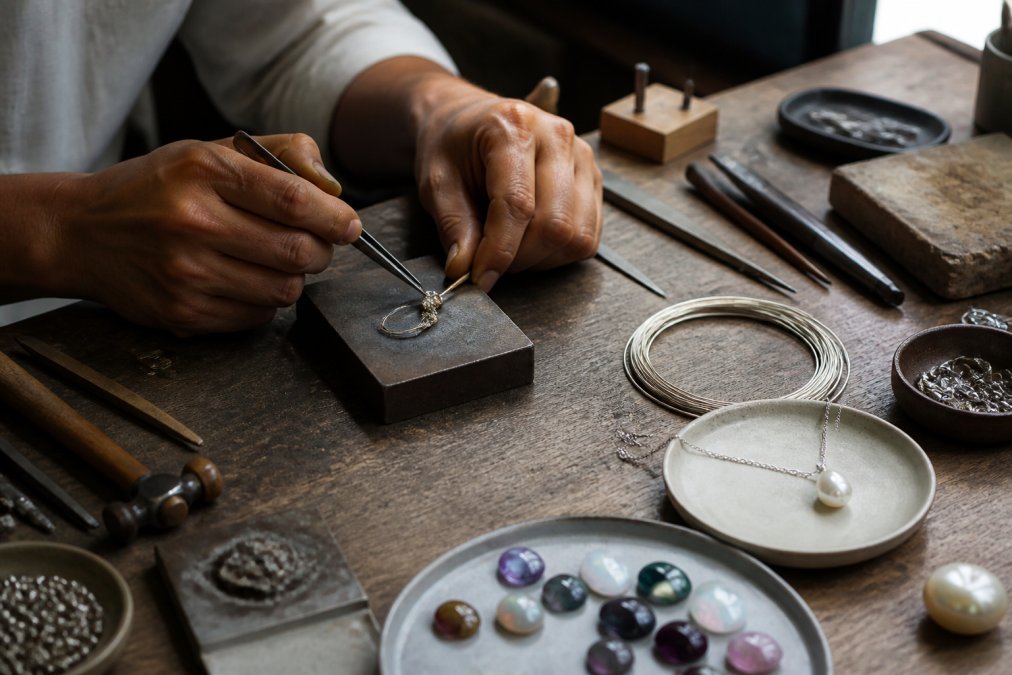
Handcrafted jewellery relies on skilled makers. In regions like Rajasthan, artisan communities have preserved jewellery-making traditions for generations. Ethical sourcing means these artisans are compensated fairly for their expertise and labour.
Fair wages in jewellery-making aren't arbitrary. They reflect the skill required, the time invested, and the cost of living in the region where the work happens. A maker committed to ethical standards will pay above minimum wage, provide stable work, and invest in safe working conditions.
When you purchase from a brand like SilverStory, which works directly with artisan craftspeople in Rajasthan, you're supporting a model where wages and working conditions are transparent and accountable. The affordability of the pieces doesn't come from underpaying makers, it comes from direct relationships that eliminate middlemen and reduce overhead.
Supply chain transparency
Transparency is the practical foundation of ethical sourcing. You should be able to trace a piece back to its makers and materials. Some brands will tell you the artisan's name and show images of them at work. Others provide documentation of material sourcing and certifications.
How to Verify Sustainable Jewellery Brands
Not every claim of sustainability is equally credible. Some brands use the language of ethics without backing it with practice. Verification requires looking beyond marketing language to documented evidence.
Certification verification and traceability
Certifications provide a third-party check on sustainability claims. The Responsible Jewellery Council is the most widely recognised standard, auditing supply chains and labour practices.
Traceability goes beyond certification. Can the brand tell you which artisans made your piece? Brands with genuine traceability can answer this question with specifics, not generalities.
Minimalist Design and Circular Economy Principles
Minimalist jewellery design is inseparable from sustainability. A simple, elegant piece that works across multiple contexts and outfits gets worn more often. More wear means longer lifespan. Longer lifespan means less need for replacement.
This is circular economy thinking applied to jewellery. Instead of designing for trend cycles, minimalist makers design for permanence. A delicate pearl necklace, a simple silver chain, a understated ring, these pieces don't shout fashion. They whisper longevity.

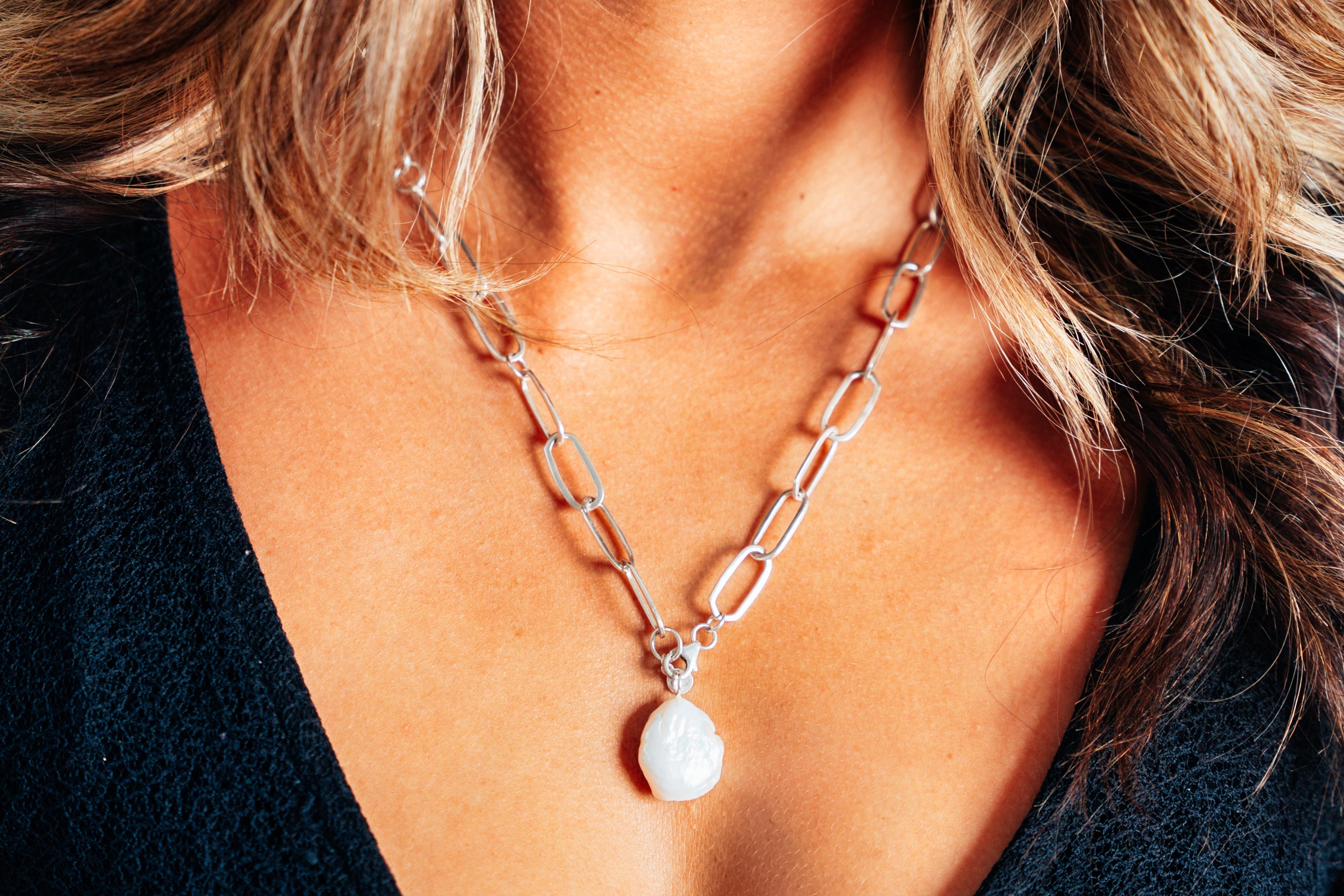
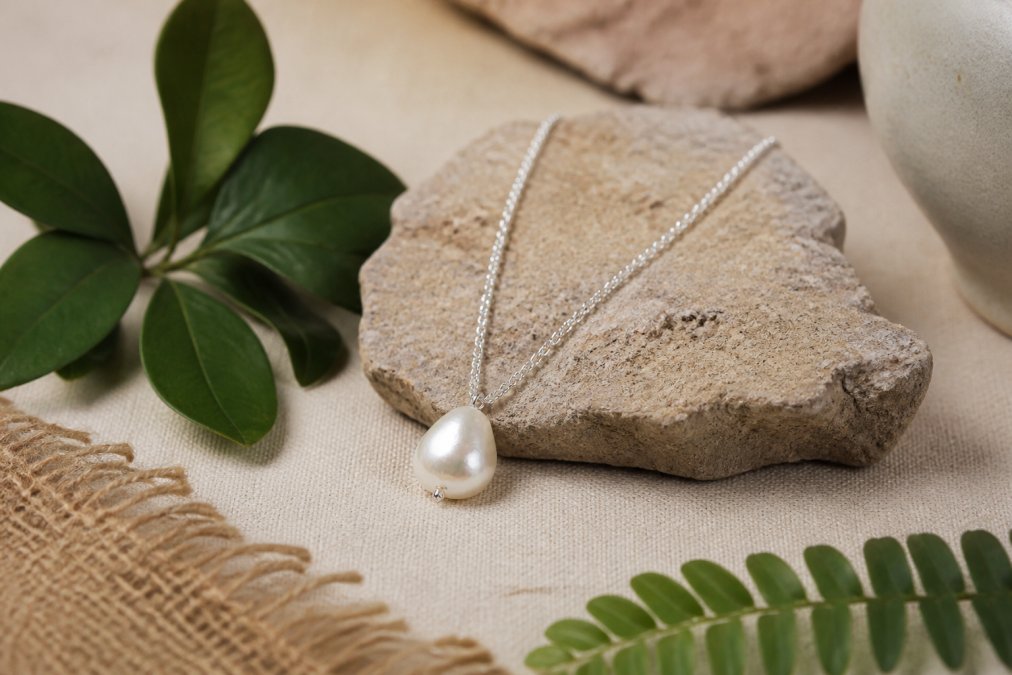
Baroque Pearl Necklace on a Silver Chain
Minimalist design also reduces material waste. Fewer decorative elements mean fewer materials, less finishing work, and less risk of breakage. The aesthetic is intentional efficiency. Every element serves a purpose. Nothing is ornament for ornament's sake.
The sustainable jewellery trends for 2026 increasingly favour this approach. Conscious consumers are moving away from statement pieces that feel tied to specific moments or trends. They want pieces that integrate into their lives, that they'll actually wear, that they'll pass on.
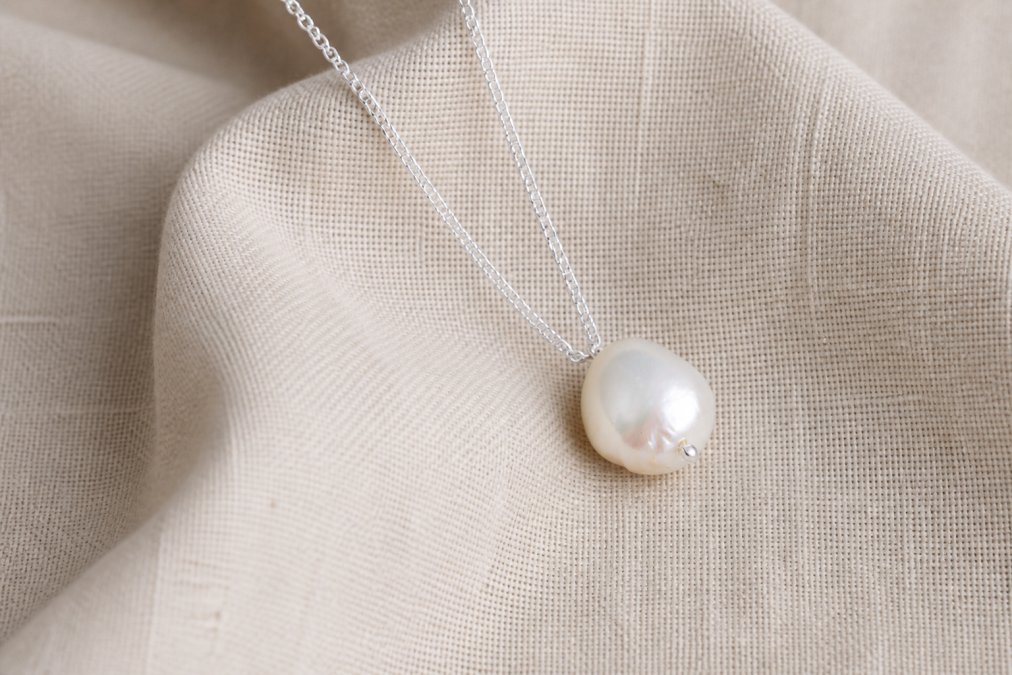
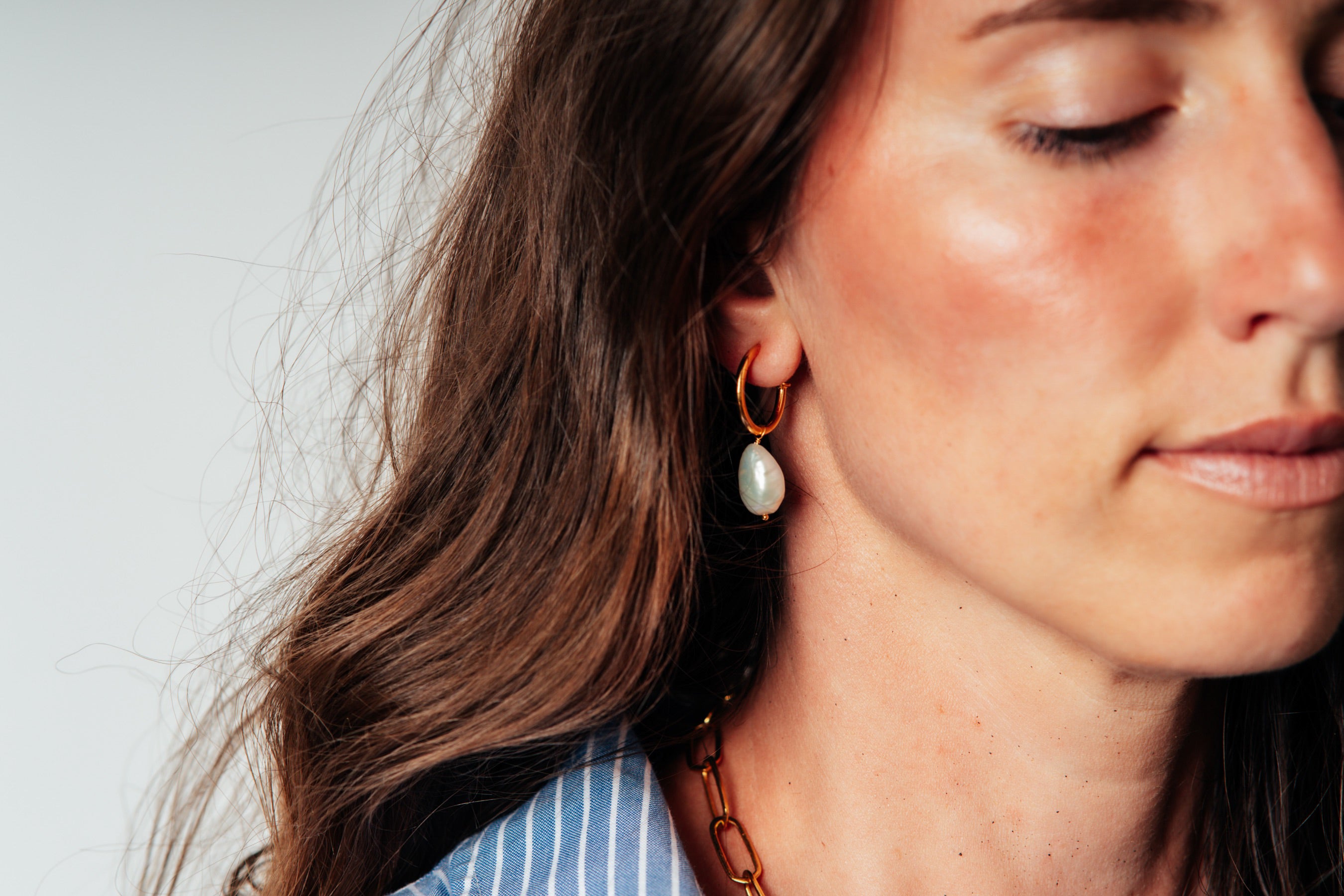
SilverStory's collections embody this principle. The Baroque Pearl Necklace on a Silver Chain at £55.00 is a perfect example, a single pearl on a simple chain, handcrafted in Rajasthan, designed to be worn daily or dressed up for occasions. The simplicity is intentional. It's built to last and to be loved.
Repair, Restoration and End-of-Life Recycling
A piece of jewellery reaches its end-of-life in one of three ways: it's abandoned in a drawer, it's lost or damaged beyond repair, or it's intentionally recycled. Sustainable jewellery trends for 2026 are increasingly focused on what happens after the initial purchase.
Repair services extend a piece's lifespan dramatically. A broken clasp, a loose stone, or a bent band shouldn't mean the end of a cherished piece. Brands committed to longevity offer repair services, either in-house or through trusted partners. This signals that they're thinking beyond the initial sale.
Restoration is distinct from repair. A piece might be structurally sound but visually tired, tarnished silver, scratched metal, or a dull finish. Restoration brings it back to its original beauty. For heirloom pieces or pieces with sentimental value, restoration is often preferable to replacement.
End-of-life recycling completes the circle. When a piece truly reaches the end of its useful life, responsible brands will accept it back and recycle the materials. This keeps precious metals and gemstones in circulation rather than in landfill. Some brands offer credit toward new purchases as an incentive.
The most sustainable piece of jewellery is one you already own and love. The second most sustainable is one you'll wear for decades. Everything else is secondary to those two principles.
Why Sustainable Jewellery Matters Now
The case for sustainable jewellery in 2026 is no longer aspirational. It's practical. Conscious consumers have proven they'll choose ethical brands when given transparent information. Supply chains are becoming more traceable, not less. Lab-grown gemstones are becoming more accessible, not more exclusive. Recycled precious metals are now standard, not premium.
What's changed is that sustainable jewellery trends are no longer a separate category. They're becoming the baseline expectation. The question isn't whether a brand is sustainable, it's whether they can prove it.
For makers and consumers alike, this shift creates clarity. You can choose pieces based on what matters to you: material sourcing, artisan wages, design longevity, or repair accessibility. You can ask direct questions and expect direct answers. You can verify claims and make informed decisions.
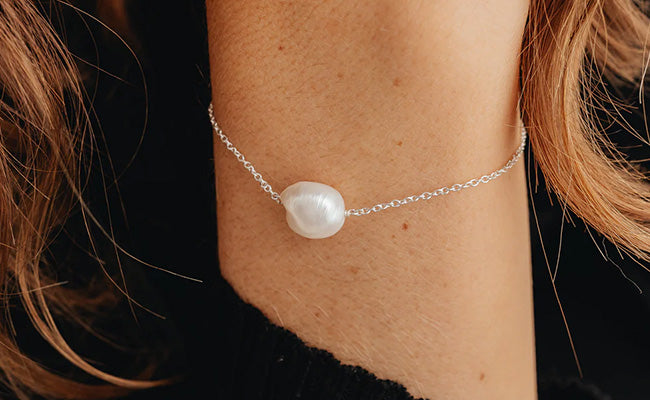
When you choose a piece like the Baroque Pearl Necklace on a Gold Chain at £65.00 or the Silver Pearl on Chain Bracelet at £48.00, you're not just buying jewellery. You're supporting a model of production where artisans are valued, materials are chosen with intention, and pieces are designed to be treasured rather than discarded.


Sustainable jewellery trends for 2026 reflect a maturation of the market. Conscious consumers have moved past greenwashing and vague promises. They want specificity, traceability, and accountability. They want to know their jewellery reflects their values. That demand is reshaping how the industry operates, and the result is jewellery that's better for the people who make it, better for the planet, and better to wear.
Choosing jewellery that aligns with your values doesn't require compromise. You can have beautiful, affordable pieces that are handcrafted by skilled artisans, made from ethically sourced materials, and built to last. Explore SilverStory's collection of sustainable, handcrafted jewellery and discover pieces designed to be treasured for years to come. Each item is created with intention, from material selection through to final craft, because jewellery that matters should be made by people who care.
Will handcrafted jewellery actually last through daily wear?
Yes, when made with quality materials and proper technique. Handcrafted pieces from skilled artisans often outlast mass-produced jewellery because of superior craftsmanship and material integrity. Sterling silver and gold are durable metals suitable for daily wear. Freshwater pearls, when properly maintained, develop character over time. Regular cleaning and occasional professional restoration keep pieces looking beautiful for decades. Many handcrafted pieces become heirloom-quality through proper care.