How to Shrink a Loose Ring Temporarily
Table of Contents
- Why Rings Slip and When You Need a Quick Fix
- How to Measure Your Ring Size at Home
- Using a Ring Size Adjuster for Loose Rings
- DIY Temporary Fixes to Shrink a Loose Ring
- How to Stop a Ring from Spinning
- Is It Safe to Resize a Ring Permanently
- When to See a Professional Jeweller
- Common Mistakes to Avoid When Adjusting Rings
- Frequently Asked Questions
Last Updated: October 2, 2026
Why Rings Slip and When You Need a Quick Fix
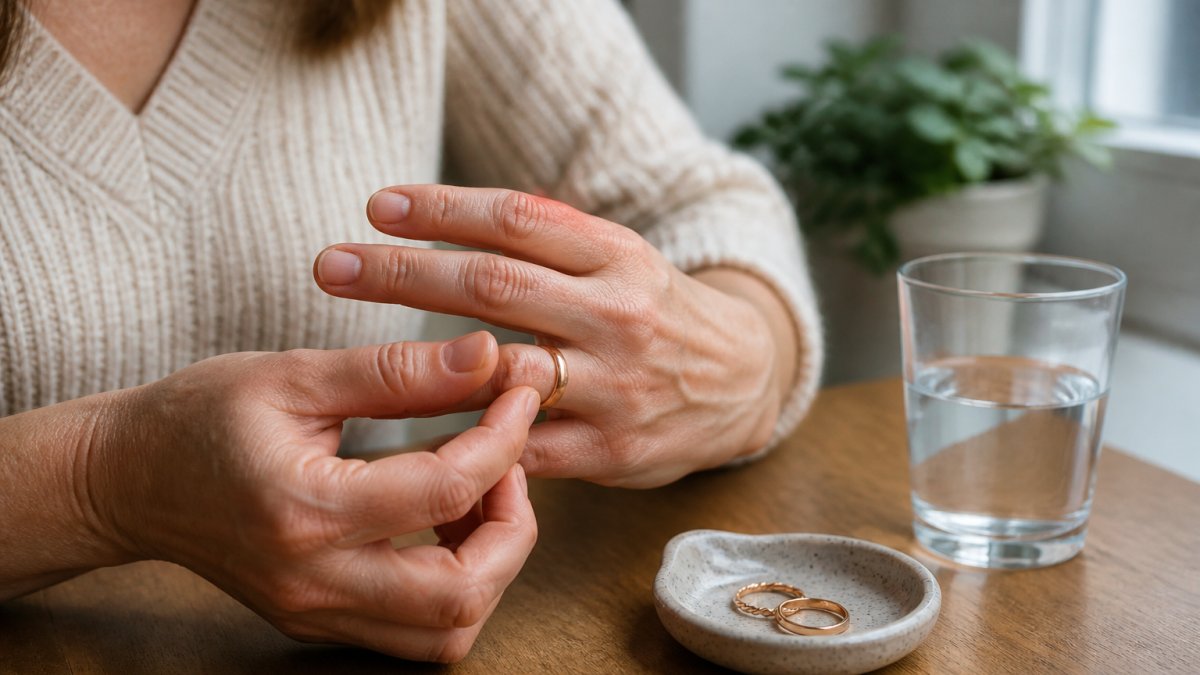
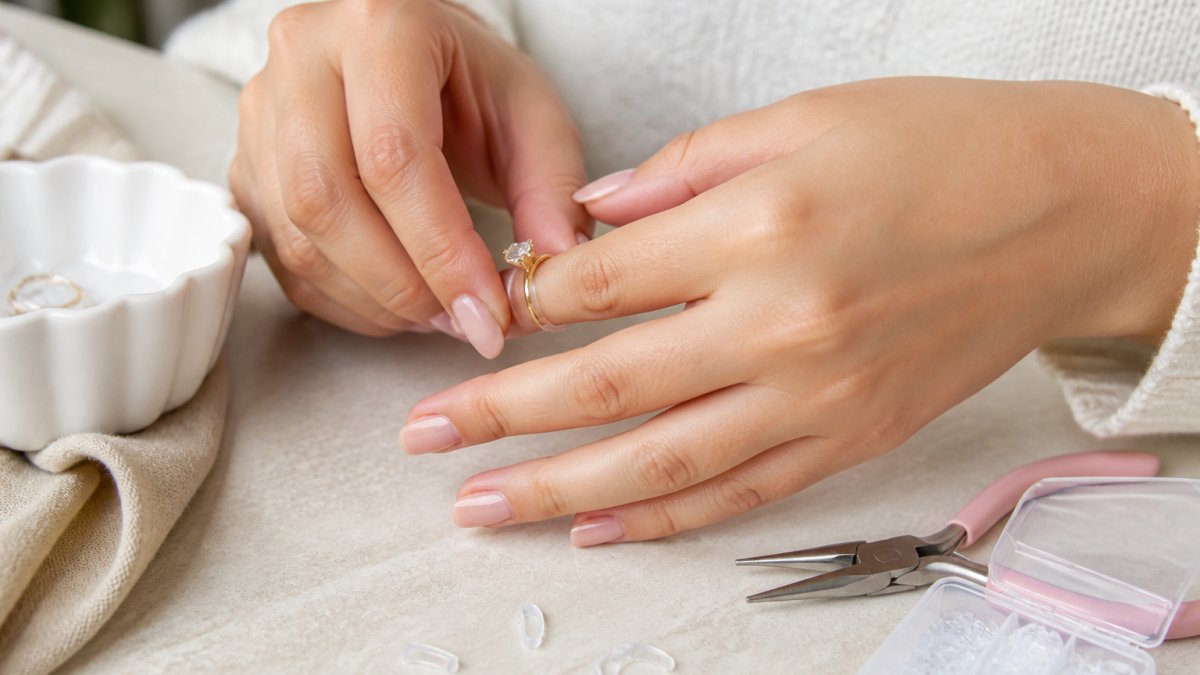
A loose ring can slip off without warning during everyday activities. If you've inherited a family heirloom that's slightly too large or your ring size has changed, learning how to shrink a loose ring temporarily can help you keep wearing it safely until you decide on a permanent solution.
Several practical methods can tighten a loose ring without damage, from quick fixes to longer-term solutions. We've compiled this guide to help you find the right approach for your situation.
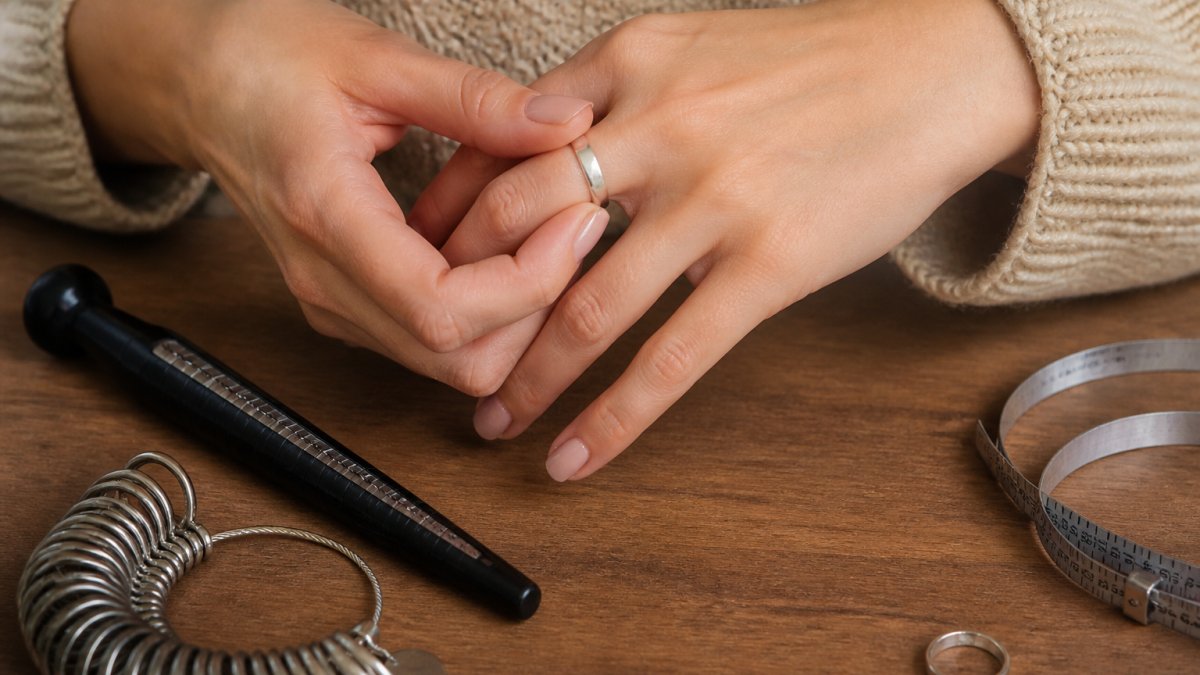
How to Measure Your Ring Size at Home
Measure your ring size accurately to determine how much smaller it needs to be.
What you'll need:
- A ring that fits you properly
- A ruler or measuring tape
- Paper and a pen
Steps to measure:
-
Find a ring that fits. Choose a ring you wear on the same finger that fits comfortably without spinning.
-
Measure the inner diameter. Place the ring on a ruler and measure straight across the inside. Record in millimetres.
-
Use an online ring size chart. Match your measurement to the correct size using a "ring size chart by diameter."
-
Measure your loose ring. The difference tells you how many sizes too big it is.
Most loose rings are between half and one full size too large, a difference of 1-2mm that's manageable with temporary adjusters.
Using a Ring Size Adjuster for Loose Rings
Ring size adjusters are the most popular temporary solution, reducing the inner circumference to create a snug fit without permanent changes.
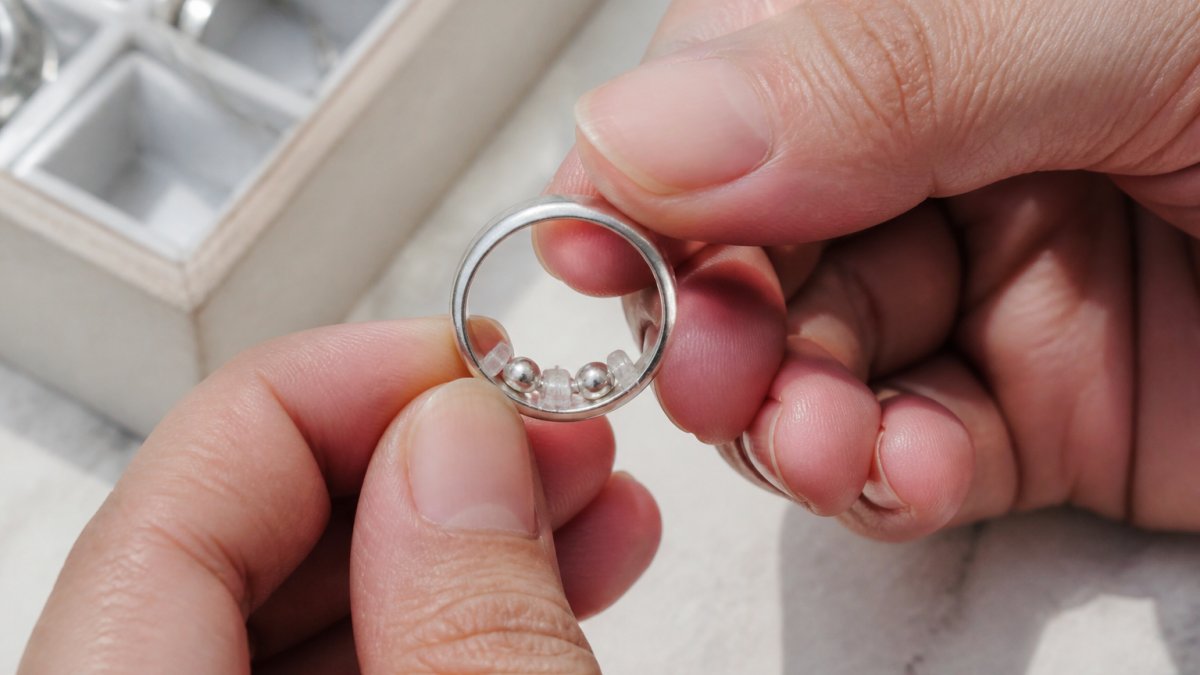
Sizing beads and how they work
Sizing beads are small metal or plastic spheres that attach to the inner band, reducing the inner diameter by taking up space inside the ring.
How sizing beads work:
- Beads attach using adhesive or mechanical fasteners
- They create friction and resistance, preventing the ring from sliding down
- They work best for rings that are half to one full size too large
Pros of sizing beads:
- Affordable (typically £5-15 per pair)
- Reversible if you use adhesive-free versions
- Discreet and invisible when worn
- Work well on most ring styles
Cons of sizing beads:
- Can feel uncomfortable if not positioned correctly
- May loosen over time with regular wear
- Not ideal for very loose rings (more than 1.5 sizes too large)
- Require careful positioning to avoid interfering with your knuckle
Silicone adjusters and comfort fit options
Silicone adjusters are flexible bands that wrap around the inner band, providing a cushioned, snug fit ideal for everyday wear.
How silicone adjusters work:
- A flexible silicone band wraps around the inner circumference
- Creates friction between your finger and the ring
- Soft and comfortable for sensitive skin
- Available in various thicknesses
Pros of silicone adjusters:
- Very comfortable for all-day wear
- Adjustable, you can remove and reposition them easily
- Affordable and widely available
- Ideal for people with metal sensitivities
- Work on rings of all styles and materials
Cons of silicone adjusters:
- Visible from certain angles if your ring is thin
- Can wear out faster than metal adjusters with frequent removal
- May need replacing every 6-12 months depending on wear
- Less effective for very loose rings
Silicone adjusters are excellent for daily wear and the safest option for precious metals, as they won't scratch or damage the inner band.
DIY Temporary Fixes to Shrink a Loose Ring
Several DIY methods can work temporarily, lasting from a few days to a few weeks depending on the method and wear frequency.
Elastic bands and wrap-around methods
An elastic band wrapped around the inner band creates instant friction and prevents spinning.
How to use elastic bands:
- Cut a thin elastic band or use a small hair tie
- Wrap it tightly around the inner band in overlapping layers
- Trim excess elastic
- Test the fit, your ring should slide on with slight resistance
Duration: 3-7 days before elasticity weakens
Best for: Quick temporary fixes or testing a smaller size
Warning: Elastic bands trap moisture and may cause irritation. Remove your ring daily to let your finger dry.
Friction tape and adhesive solutions
Clear or friction tape wrapped around the inner band creates a cushioned surface that prevents spinning.
How to use friction tape:
- Cut tape to fit around the inner band
- Wrap smoothly around the inside, pressing firmly
- Overlap edges slightly for full coverage
- Smooth out air bubbles
- Test the fit and add another layer if needed
Duration: 1-2 weeks before adhesive weakens or tape begins to peel
Best for: Rings you wear regularly but don't expose to water frequently
Important: Avoid using super glue or permanent adhesives on precious metals. These can damage the surface and are difficult to remove.
How to Stop a Ring from Spinning
A spinning ring is more likely to slip off. The key to stopping it is creating friction between your finger and the inner band, which is why snug-fitting adjusters work well.
If your ring spins even with an adjuster in place, it may be more than one size too large. Permanent resizing by a professional jeweller is worth considering.
Is It Safe to Resize a Ring Permanently
Permanent resizing is more lasting than temporary adjusters but requires understanding key considerations first.
Jeweller-fitted resizing versus DIY damage
A professional jeweller can resize your ring by cutting the band and removing or adding metal as needed, producing a properly fitted ring.
Jeweller resizing:
- Cuts the ring band carefully
- Removes or adds metal as needed
- Solders and polishes to restore appearance
Cost considerations:
- Resizing typically costs £30-80 depending on the metal and complexity
- Gold resizing costs more than silver
- Ornate or antique rings may cost more to resize safely
Why DIY resizing fails: Filing, bending, or heating can crack the metal, ruin the finish, or weaken the structure. For precious metals, professional resizing is the only safe option.
Material safety and precious metal considerations
Different metals respond differently to resizing and adjustment methods. Understanding your ring's material helps you choose the safest approach.
Sterling silver rings:
- Durable and easy to resize professionally
- Can be safely adjusted with silicone guards
- Avoid wrapping with adhesive tape directly on the metal, use a protective layer first
Gold-plated rings:
- The gold layer is thin and can be damaged by excessive handling
- Silicone adjusters are safer than metal beads for gold-plated pieces
- Professional resizing may wear through the plating at the solder joint
Solid gold rings:
- The most durable option for resizing
- Professional jewellers can resize without risk
- Temporary adjusters work well and won't damage the metal
Precious metal allergies: If you have sensitive skin or a metal allergy, silicone adjusters are your best choice. They create a barrier between the metal and your skin, preventing irritation while keeping your ring secure.
When to See a Professional Jeweller
Some situations call for professional help rather than DIY solutions. Knowing when to seek expert advice can save you money and prevent damage to your jewellery.
Visit a jeweller if:
- Your ring is significantly loose (more than 1.5 sizes too large)
- The ring is an heirloom or has sentimental value
- You've tried temporary adjusters and they haven't worked
- Your ring is made of delicate or antique metal
- You want a permanent solution and plan to wear the ring daily
- The ring has gemstones or intricate details that could be damaged during resizing
A professional jeweller can assess your ring, recommend the best resizing approach, and handle the work safely. For handcrafted pieces, a skilled jeweller understands how to preserve the artisan quality while making necessary adjustments.
What to expect during resizing:
- The jeweller will measure your finger and the current ring
- They'll explain the resizing process and any risks specific to your ring
- Resizing typically takes 5-7 business days
- You'll be given a quote before work begins
- The jeweller will finish and polish the ring to restore its appearance
Common Mistakes to Avoid When Adjusting Rings
Learning what not to do is just as important as knowing what to do.
Mistake 4: Ignoring a spinning ring A ring that spins is a ring that will eventually slip off.
Mistake 6: Leaving adjusters on 24/7 without breaks Even comfortable silicone adjusters should be removed periodically to let your finger breathe and dry.
Mistake 7: Assuming all adjusters work the same way Different adjuster types work better for different ring styles.
A loose ring doesn't have to stay loose.
At SilverStory, we know that every piece of jewellery tells a story, whether it's handcrafted by artisans in Rajasthan or passed down through generations. Keeping your rings secure and comfortable ensures they stay part of your story. If you're looking to extend the life of a necklace that's become too short, our Extender Chain in sterling silver or 18-carat gold plate offers an elegant solution at just £15.00. For rings that need a quick fix, start with a silicone adjuster and reassess in a few weeks. If the ring remains too loose, a professional jeweller can resize it permanently, ensuring it fits perfectly for years to come.

Frequently Asked Questions
How can I temporarily make a ring tighter without damaging it?
The safest temporary methods are silicone adjusters, sizing beads, or elastic bands placed on the inner band. These create friction without harming precious metal or stone settings. Silicone adjusters work well for gold-plated and sterling silver rings. Elastic bands offer a discreet, non-damaging solution for rings that spin. Avoid superglue or permanent adhesives, which can damage the ring's finish and make professional resizing harder later.
Are ring adjusters safe for sterling silver jewellery?
Yes, silicone ring adjusters and sizing beads are safe for sterling silver. They sit inside the ring band and create a snug fit through friction rather than chemical bonding. Sterling silver is durable enough to handle these temporary methods without tarnishing or losing shine. However, avoid wrapping metal wires or using harsh adhesives, which can scratch or mark the silver. For handcrafted sterling silver pieces, gentle silicone solutions are the best choice.
Can you shrink a ring down a size at home safely?
Temporary shrinking at home is possible with adjusters and sizing beads, but permanent resizing should be done by a jeweler. DIY permanent methods risk cracking stones, weakening the band, or damaging intricate designs. A professional jeweler can resize precious metal rings safely by cutting the band, removing metal, and re-soldering. For handcrafted rings with delicate details, professional resizing is recommended.
How long do temporary ring adjusters last?
Temporary adjusters typically last several months with regular wear, depending on the method used. Silicone adjusters may need replacing every 6-12 months as they wear down. Sizing beads remain stable longer but can loosen if the ring band shifts. Elastic bands may slip after a few weeks of daily wear. If you need a permanent solution, professional resizing is more cost-effective long-term than repeatedly replacing temporary fixes.