How Long Does Ethical Jewellery Last? 2026 Care Guide
Table of Contents
- What Determines How Long Ethical Jewellery Lasts
- Metal Type and Base Metals
- Durability of Recycled Precious Metals Explained
- Does Gold Plated Jewellery Last? Realistic Timelines
- How to Care for Ethical Jewellery Day to Day
- Everyday Wear, Wear and Tear and When to Take Pieces Off
- Repair, Replating and the Circular Economy
- Conclusion
- Frequently Asked Questions
Last Updated: September 23, 2026
What Determines How Long Ethical Jewellery Lasts
How long ethical jewellery lasts depends on three things: the metal it is made from, the thickness of any plating, and how you treat it day to day. A solid recycled silver ring can last decades. A thin-plated fashion piece may dull within months. The ethics of a piece say nothing about its lifespan on their own.
At SilverStory, we handcraft pieces with artisans in Rajasthan, and we get asked this constantly. So here is the honest version, without the sales talk.
The short answer: solid precious metals last for years with basic care, while plated pieces need more attention. Below, we break down exactly what decides the difference, plus a care routine you can start today.
Ethical jewellery is jewellery made with responsibly sourced materials and fair labour practices, from the mine or recycler through to the workshop. That definition covers how a piece was made, not how long it will survive your shower, gym bag, or perfume habit.
Metal Type and Base Metals
The metal is the single biggest factor in lifespan. Solid gold, sterling silver, and platinum group metals resist wear far better than brass, copper, or zinc alloy.
Those cheaper metals are called base metals. They sit under plating on most affordable jewellery. Once the plating wears through, the base metal is exposed. That is when you see green skin, dark patches, and flaking.
A practical lifespan guide by metal
Most practitioners find the following ranges hold up in real-world wear. Treat them as a planning guide, not a guarantee, because plating thickness, wear location, and skin chemistry all shift the outcome.
| Metal | Typical lifespan with regular wear | What drives it |
|---|---|---|
| Solid recycled sterling silver (925) | Years to decades | Tarnishes but polishes back; soft enough to scratch, hard enough to last |
| Solid 9ct or 18ct gold | Decades, often generations | Alloyed for hardness; 18ct is softer and scratches more easily than 9ct |
| Platinum group metals | Decades or longer | Dense and highly scratch-resistant, but heavier and pricier |
| Gold vermeil (sterling silver base, 2.5 microns+ gold) | One to three years of regular wear | Plating thickness and friction; can be replated |
| Gold-filled (bonded gold layer) | Two to five years | Thicker bonded layer than plating, but still a surface finish |
| Thin gold plating on brass | Months to a year | Plating often under 1 micron; base metal shows through fast |
| Stainless steel | Years, often many | Does not tarnish or flake, but is not a precious metal and cannot be hallmarked as one |
The catch most shoppers miss: two pieces can look identical on a product page and behave completely differently. Ask what is underneath the finish before you buy.
Why plating thickness is the number that matters
Plating is measured in microns. One micron is one thousandth of a millimetre. Standard decorative plating is often around 0.5 microns. Gold vermeil, by legal definition in the UK, requires a sterling silver base and at least 2.5 microns of gold. That five-fold difference is why vermeil outlasts standard plating by years, not months.
When a seller cannot tell you the micron thickness, that is usually a sign it is thin. A reputable maker will know.
The base metal underneath
If a piece is plated, the base metal decides what happens when the plating wears. Brass and copper are common because they are cheap and easy to work, but they oxidise visibly and can leave green marks on skin. Sterling silver and stainless steel are better bases because they do not react as aggressively when exposed.
Recycled versus newly mined: does it change durability?
No. Recycled precious metals are chemically identical to newly mined ones. Recycling silver or gold does not weaken it. The metal is melted and refined, and it comes out with the same properties it had before. What recycling changes is the environmental side, not the wear life. That is covered in more detail below.
Durability of Recycled Precious Metals Explained
Recycled precious metals are chemically identical to newly mined ones. That is the key point. Recycling silver or gold does not weaken it. The metal is melted and refined, and it comes out with the same properties it had before.
So the durability of recycled precious metals matches mined metal exactly. A recycled sterling silver ring wears the same as a mined one.
What recycling changes is the environmental side. It avoids new mining, which cuts land disturbance and carbon emissions linked to extraction. For buyers who care about environmental responsibility, that matters.
Recycled Sterling Silver vs Mined Silver
There is no strength difference between recycled sterling silver and mined silver. Both are 92.5% pure silver mixed with copper for hardness. Both tarnish at the same rate. Both polish back to the same shine.
The real difference sits in the supply chain. Recycled silver often comes from old jewellery, industrial scrap, and electronics. That means no new digging. If traceability matters to you, ask the seller where their recycled metal comes from.
Does Gold Plated Jewellery Last? Realistic Timelines
Gold plated jewellery typically lasts six months to two years with regular wear, depending on plating thickness and how you treat it. That range is wide because thickness varies so much between makers.
Here is what actually drives it:
- Plating thickness: measured in microns. Thicker plating lasts longer.
- Wear location: rings and bracelets rub against things constantly. Earrings and necklaces less so.
- Skin chemistry: some people's sweat is more acidic and wears plating faster.
- Contact with chemicals: perfume, chlorine, and cleaning products strip plating quickly.
Gold vermeil sits at the top end of plated jewellery.
How to Care for Ethical Jewellery Day to Day
Good care is simple and takes seconds. The golden rule: last on, first off. Put jewellery on after perfume, lotion, and hairspray have dried. Take it off before you shower, swim, or clean.
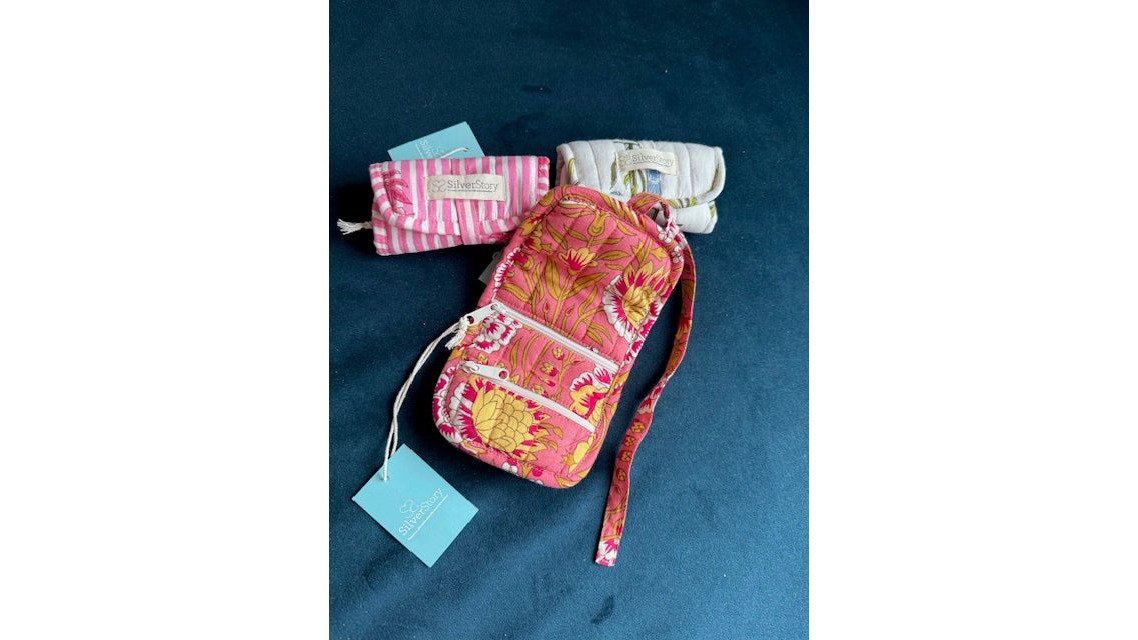
A daily routine that works:

- Wipe each piece with a soft dry cloth after wearing.
- Store pieces separately so they do not scratch each other.
- Keep silver in an airtight bag or pouch to slow tarnishing.
- Polish silver gently with a jewellery cloth once a month.
- Check clasps and settings every few weeks for looseness.
Chemical Reactions to Avoid
Certain chemicals speed up damage. Keep jewellery away from:
- Chlorine in pools and hot tubs, which attacks silver and gold alloys
- Perfume and hairspray, which leave a film that dulls shine
- Household cleaners, especially bleach and ammonia
- Sunscreen and body lotion, which build up in crevices
- Sweat during workouts, which accelerates tarnishing
The chemistry behind this is simple. Silver reacts with sulphur compounds in air and on skin. That reaction creates oxidization, the dark film we call tarnish. It is not a defect. It is normal, and it polishes off.
Everyday Wear, Wear and Tear and When to Take Pieces Off
Daily wear is fine for solid metals. Rings, studs, and simple chains handle normal life well. The problems come from specific moments, not from wearing jewellery in general.
Take pieces off before:
- Showering or bathing
- Swimming, especially in chlorinated water
- Gym sessions and heavy sweating
- Cleaning with chemicals
- Sleeping, if the piece has delicate links or stones
Repair, Replating and the Circular Economy
Repair is the most underrated part of jewellery care. A loose clasp, a worn ring band, or a snapped chain can usually be fixed for far less than replacing the piece. Fixing things keeps them out of landfill and extends their life by years.
What you can do:
- Ask a jeweller to re-tip worn ring claws before stones loosen
- Have plated pieces replated rather than replaced
- Save broken chains and single earrings for scrap value
- Buy pieces you actually want to keep, not trend items
Conclusion
The honest answer to how long ethical jewellery lasts is: as long as you let it. Solid recycled metals can last decades. Plated pieces need more care and periodic replating. Either way, the routine is the same, and it takes seconds a day.
Frequently Asked Questions
How quickly does gold plating wear off ethical jewellery?
It depends on plating thickness and wear. Light plating of around 0.5 microns can dull within 6 to 12 months with daily wear, while thicker plating of 2.5 microns or more, as found on gold vermeil, often lasts 2 to 5 years before replating is needed. Sweat, perfume and abrasive cleaning speed up the process, so removing pieces before showering or exercising extends the plating considerably.
How do I care for ethical jewellery so it lasts longer?
Put jewellery on last and take it off first, after perfume, hairspray and moisturiser have dried. Wipe pieces with a soft dry cloth after wearing to remove oils and sweat, then store them in a dry pouch or a lined jewellery roll away from direct sunlight. Clean sterling silver with a silver polishing cloth rather than abrasive dips, and keep pieces separate to avoid scratches.
Is recycled sterling silver as durable as newly mined silver?
Yes. Recycled sterling silver is chemically identical to mined sterling silver, both are 92.5% pure silver, so the durability of recycled precious metals matches newly mined equivalents. The difference lies in environmental impact and traceability, not strength. Recycled silver still tarnishes and oxidises over time, so the same care routine applies regardless of origin.
Can I wear ethical jewellery every day, including in the shower?
Sterling silver and high carat gold tolerate daily wear well, but showering exposes pieces to soap, shampoo and hot water that dull plating and encourage tarnish. It is better to remove jewellery before showering, swimming or working out. If you wear pieces daily, choose solid metals over plated options and check clasps and settings every few months for looseness.