Are Sustainable Gold and Silver Earrings Worth It?
Last Updated: November 22, 2026
Quick Summary
Sustainable gold and silver earrings are worth it if the metal is responsibly sourced or recycled, the piece is made with fair labour and it is built to last. Recycled gold is chemically identical to newly mined gold, so you lose nothing on quality or purity. Buy recycled where you can, certified Fairmined where you can't, and avoid metal with no origin story at all.
- Three pillars decide whether a pair qualifies: where the metal comes from, who makes the piece, and how long it stays wearable.
- Fairmined is an independently audited certification covering fair pay, safer working conditions and environmental care in small-scale mining.
- Solid sterling silver and solid gold generally last longer than plated pieces, so they need no replacement and no new metal.
- Repair beats replacement every time: re-plating or a new ear post costs far less than a new pair and keeps metal in use.
- Put earrings on last and take them off first, after perfume and hairspray, and wipe them with a soft dry cloth after each wear.
Table of Contents
- What Makes Gold and Silver Earrings Sustainable?
- How to Identify Ethical Jewellery Before You Buy
- Recycled Gold Earrings vs Newly Mined Metal
- Fairmined Gold Jewellery: What the Label Promises
- Gold-Plated, Vermeil and Solid Metal: Which Lasts?
- How Sustainable Jewellery Brands Differ From the Rest
- Caring for Earrings So They Stay Beautiful for Years
- Choosing Your First Pair of Ethical Earrings
- Frequently Asked Questions
What Makes Gold and Silver Earrings Sustainable?
Sustainable gold and silver earrings are earrings made from responsibly sourced or recycled precious metals, produced with fair labour and low environmental impact, and built to last. Three pillars decide whether a pair qualifies: where the metal comes from, who makes the piece, and how long it stays wearable.
The first pillar is sourcing. Recycled gold and recycled silver keep existing metal in circulation, which reduces demand for new mining. Responsibly sourced metals from small-scale mining operations with fair trade backing are the other credible route.
The second pillar is production. Artisan-made and handcrafted jewellery can support worker welfare in ways that mass production often does not.
The third pillar is durability. A pair made to last for lifetime wear beats a cheap piece replaced every season, whatever the label claims.
Miss any one of these and the sustainability story weakens.
How to Identify Ethical Jewellery Before You Buy
The fastest way to identify ethical jewellery is to ask three questions before you pay: what metal is it, who made it, and what can the brand prove? Most greenwashing falls apart at the third question.
Start with the metal. Look for terms like recycled silver, recycled gold, sterling silver or Fairmined gold on the listing, not just "eco-friendly" in the marketing copy. Vague language is a warning sign.
Next, look for a named workshop or region. "Handcrafted by skilled artisans in Rajasthan" tells you something specific. "Ethically made" tells you nothing.
Finally, check the paper trail. A brand that can explain its supply chain, name its certifications and answer questions about worker pay is usually the real thing. A brand that dodges those questions is not.
Certifications and Claims That Actually Mean Something
Fairmined is a certification for gold from small-scale mining operations that meet social and environmental standards, including fair pay and safer working conditions. It is one of the few labels that covers the miners themselves, not just the metal.
Recycled content claims should state the source, such as post-industrial scrap or recovered jewellery. Without a stated source, "recycled" is just a word.
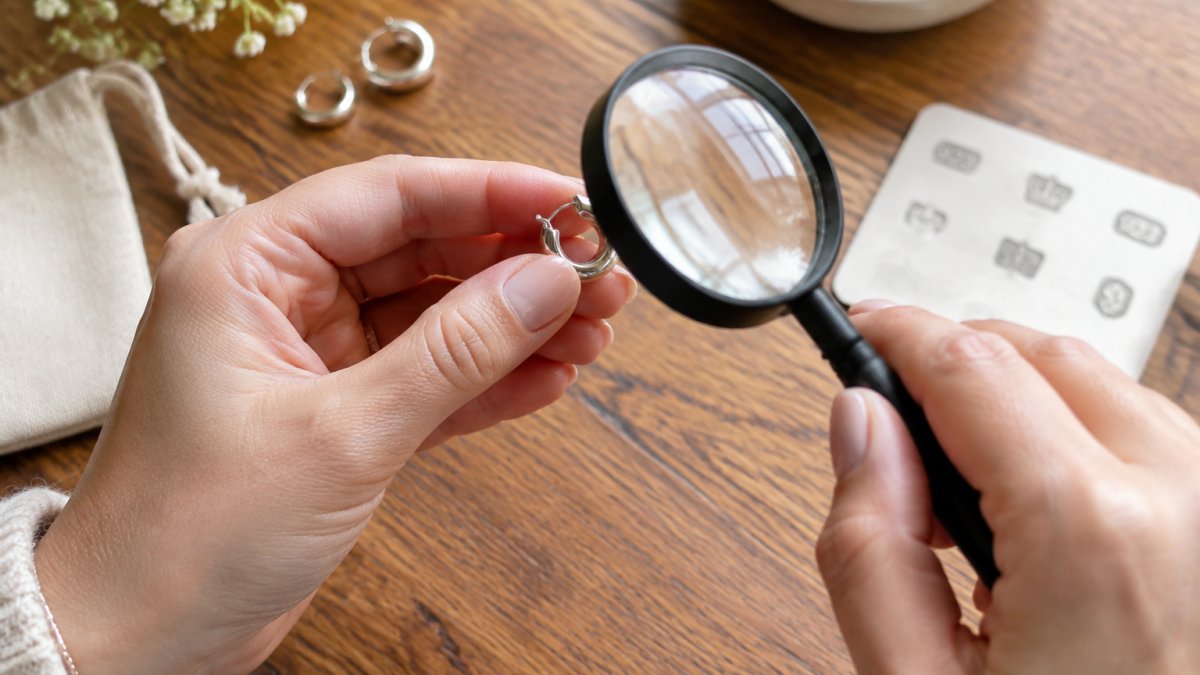
Hallmarking is a legal requirement for precious metal items sold in the UK, applied by an assay office. A genuine hallmark proves metal purity. It does not prove ethical sourcing, so treat it as one piece of evidence, not the whole case.
If a claim feels vague, our guide to spotting greenwashing in jewellery marketing walks through the specific phrases to question.
Recycled Gold Earrings vs Newly Mined Metal
Recycled gold earrings win on environmental impact in almost every comparison. Recycled gold is refined from existing jewellery, industrial scrap and electronics, so it requires no new extraction. The metal is chemically identical to newly mined gold, which means you lose nothing on quality or purity.
Newly mined gold carries a heavier footprint. Mining moves enormous volumes of rock, consumes water and can damage local ecosystems, and small-scale mining in particular has a history of unsafe working conditions.
That said, newly mined metal is not automatically unethical. Fairmined gold exists precisely to make small-scale mining safer and fairer, and boycotting all new mining can hurt the communities that depend on it.
Our practical view: buy recycled where you can, buy certified Fairmined where you can't, and avoid metal with no origin story at all. If you want the deeper evidence, read whether recycled gold jewellery benefits are real.
Fairmined Gold Jewellery: What the Label Promises
Fairmined gold jewellery carries a certification that the gold came from a small-scale mining operation meeting standards for fair pay, safe working conditions and environmental care. The label also includes a premium paid to the mining community, which funds local development.
What it does not promise: that the finished earrings were made ethically at every other stage. Fairmined covers the mining end of the chain. You still need to check how the piece was produced.
For a buyer, the label is one of the strongest signals available because it is independently audited rather than self-declared. Ask the brand which Fairmined licensee supplied the metal.
Gold-Plated, Vermeil and Solid Metal: Which Lasts?
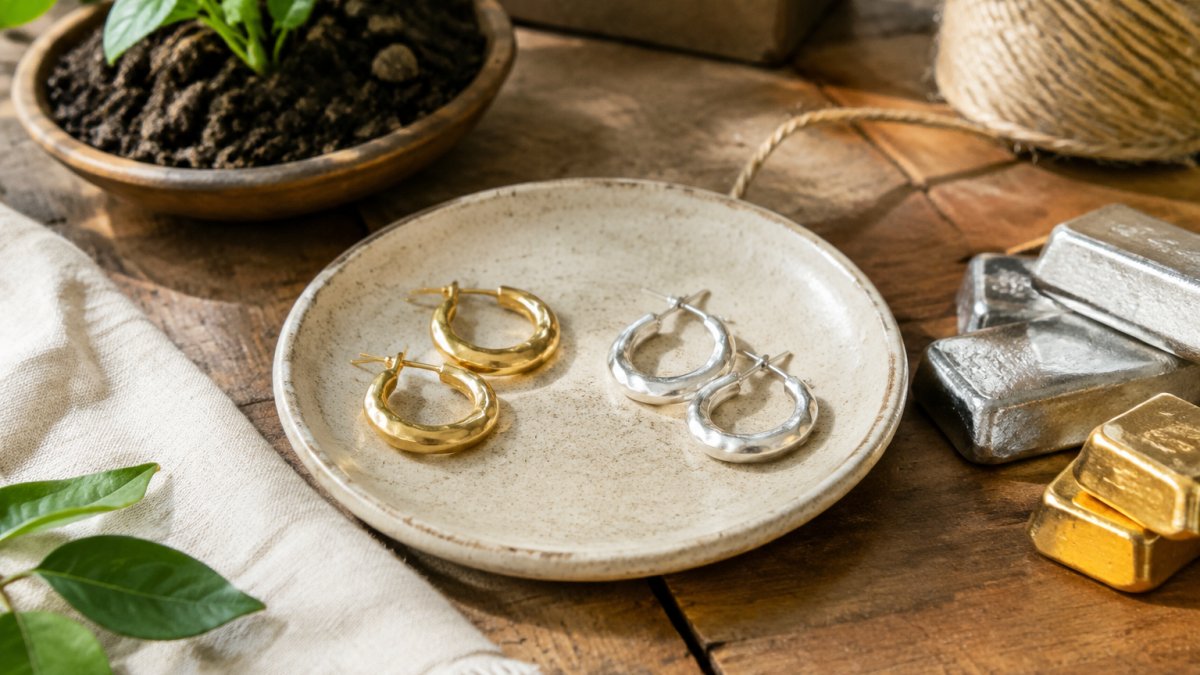
Solid sterling silver and solid gold generally last longer than plated pieces. A pair worn for years needs no replacement, which means no new metal, no new packaging and no new shipping.
Here is how the three constructions compare:
| Construction | What It Is | Durability | Best For |
|---|---|---|---|
| Solid sterling silver | 92.5% pure silver through the piece | Years with basic care | Everyday wear, second piercings |
| Gold-plated silver | Sterling silver with a thin gold layer | Months to a few years | Affordable gold look, occasional wear |
| Gold vermeil | Sterling silver with a thicker gold layer | Several years with care | Those wanting gold tone and longevity |
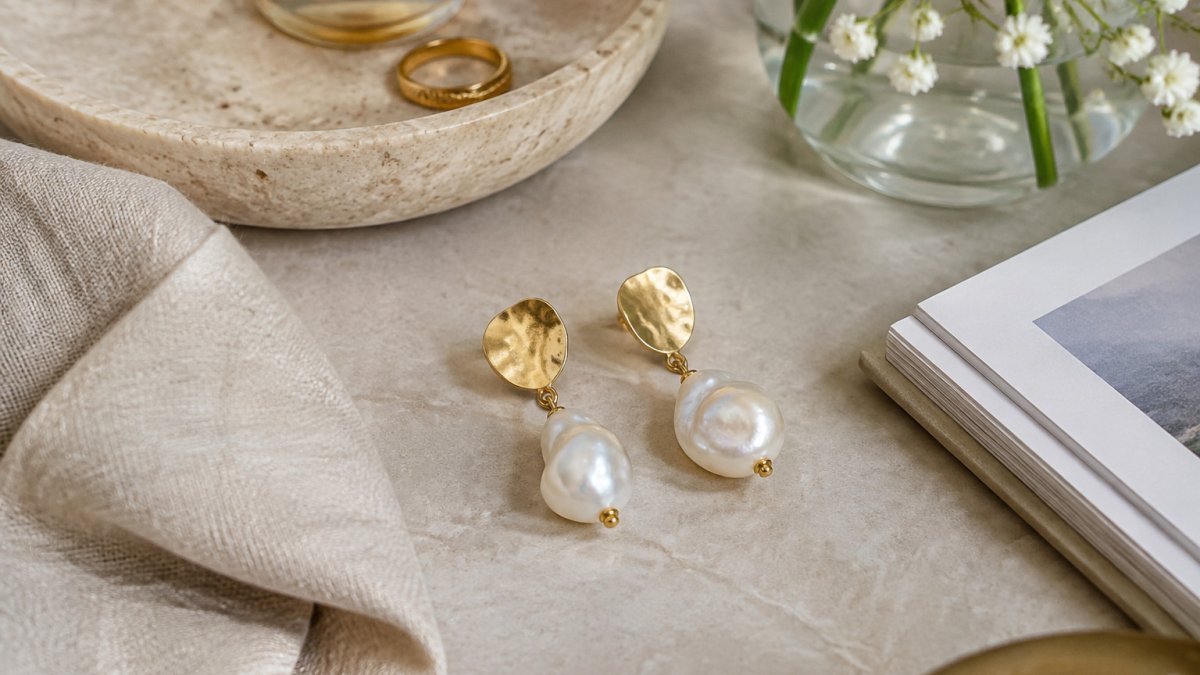
Gold-plated silver is not a flaw, it is a trade-off. Our Gold Hammered Huggie Earrings (£35.00) use an 18 carat gold plate over sterling silver.
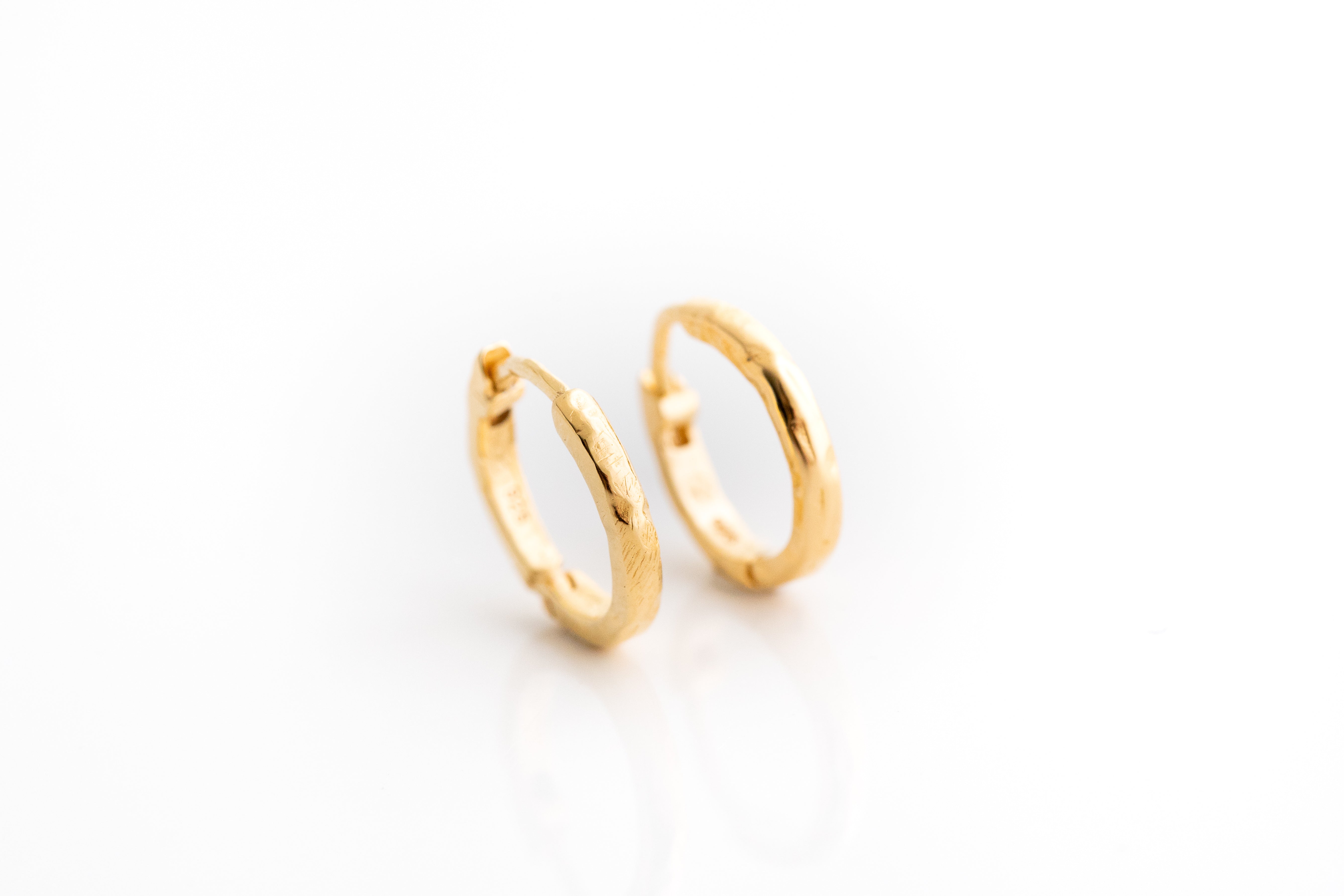
Watch out: plated pieces dislike perfume, chlorine and abrasive polishing, and the gold finish will wear thin at the edges first. Treat them gently and they hold up well.
How Sustainable Jewellery Brands Differ From the Rest
Sustainable jewellery brands differ from conventional ones in what they can prove, not what they claim. The difference usually shows up in four places.
- Named production: a specific workshop or region, not a vague "ethically made" badge
- Stated materials: recycled silver, recycled gold or Fairmined gold named on the listing
- Fair labour: artisan-made pieces with real worker welfare standards behind them
- Durable design: timeless styles made to last rather than trend pieces built for one season
Price is where buyers get suspicious. Affordable pricing and ethical production can coexist. Because small-batch artisan production avoids the overheads of large-scale manufacturing and heavy retail markups. A low price alone proves nothing, but it is not evidence of corner-cutting either.
Each piece is handcrafted by skilled artisans in Rajasthan, and listings state the materials and dimensions so you can judge for yourself.
Caring for Earrings So They Stay Beautiful for Years
Care is the simplest sustainability habit you have. A pair that stays beautiful for years does not need replacing, which is the whole point of buying well.
Daily care
- Put earrings on last and take them off first, after perfume and hairspray
- Wipe with a soft dry cloth after each wear to remove oils and residue
- Store in a dry pouch or box, away from direct sunlight and damp
- Remove before swimming, showering or heavy workouts
- Keep plated pieces away from chlorine and abrasive cleaners
- Check clasps and posts regularly and have loose fittings repaired early
Cleaning by metal type
Sterling silver tarnishes when it meets sulphur compounds in the air, so a quick polish with a silver cloth restores shine without stripping the surface. Avoid silver dips on pieces with oxidised detailing, because they remove the darkened finish as well as the tarnish.
Repair before replacement
Repair beats replacement every time. A re-plated finish or a replaced ear post costs far less than a new pair and keeps metal in use. Many jewellers offer repair services such as re-plating or replacing a bent post.
Resale and passing on
Solid gold and sterling silver hold resale value because the metal itself has value. Clean the piece, keep the hallmark visible and sell through a jeweller or a reputable resale platform rather than a scrap dealer if you want the best return.
End of life
When a pair is truly worn out, recycle it rather than binning it. Many jewellers and refineries accept scrap precious metal, and some brands run take-back schemes.
Watch out: harsh cleaners, ultrasonic baths and abrasive polishes can strip plated finishes and damage settings, so match the cleaning method to the metal before you start.
Choosing Your First Pair of Ethical Earrings
Start with your daily routine, not the trend pages. If you want one pair you never take out, a small huggie in sterling silver is the safest first buy. If you want a gold tone, choose a plated or vermeil piece and accept that it needs gentler handling.
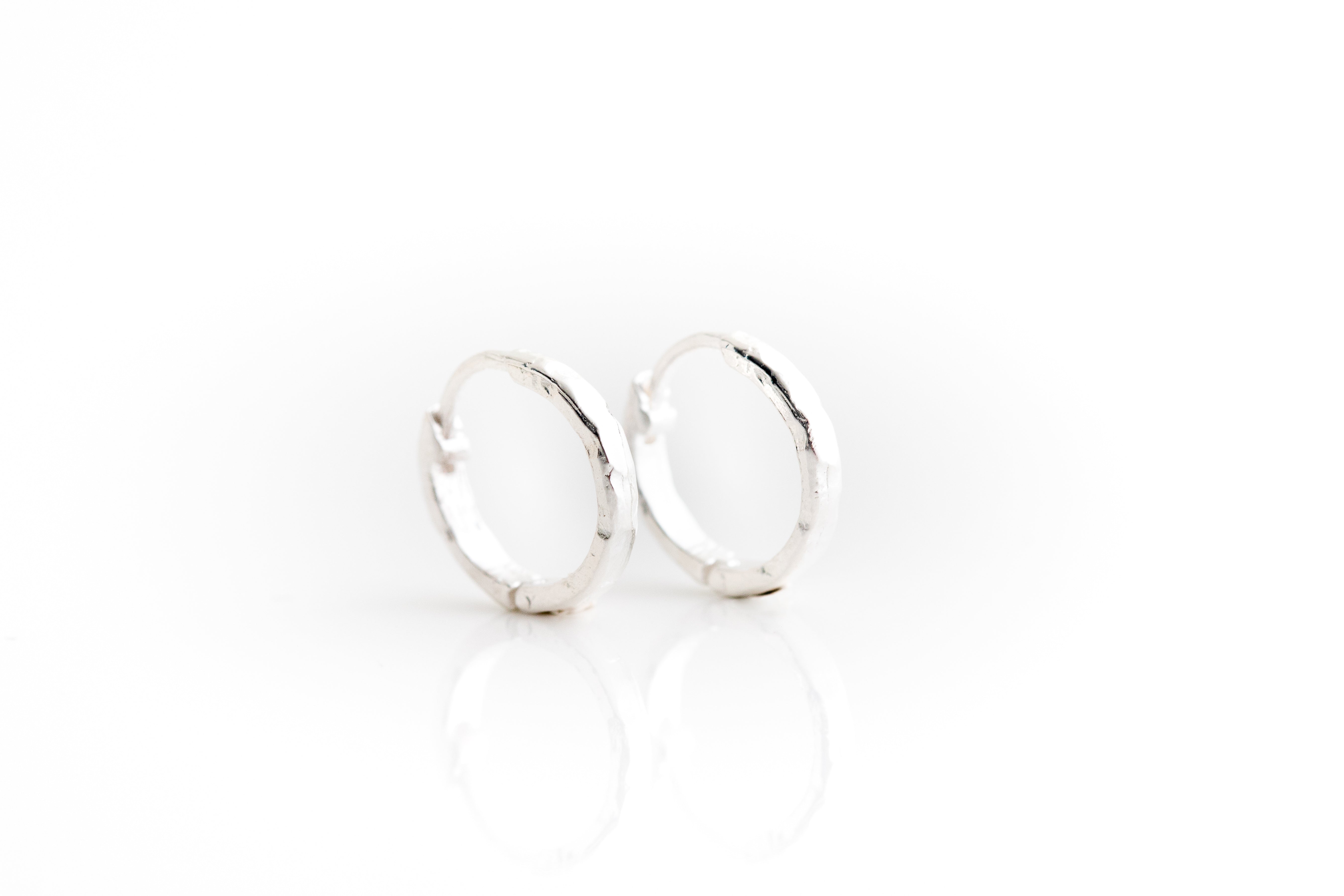
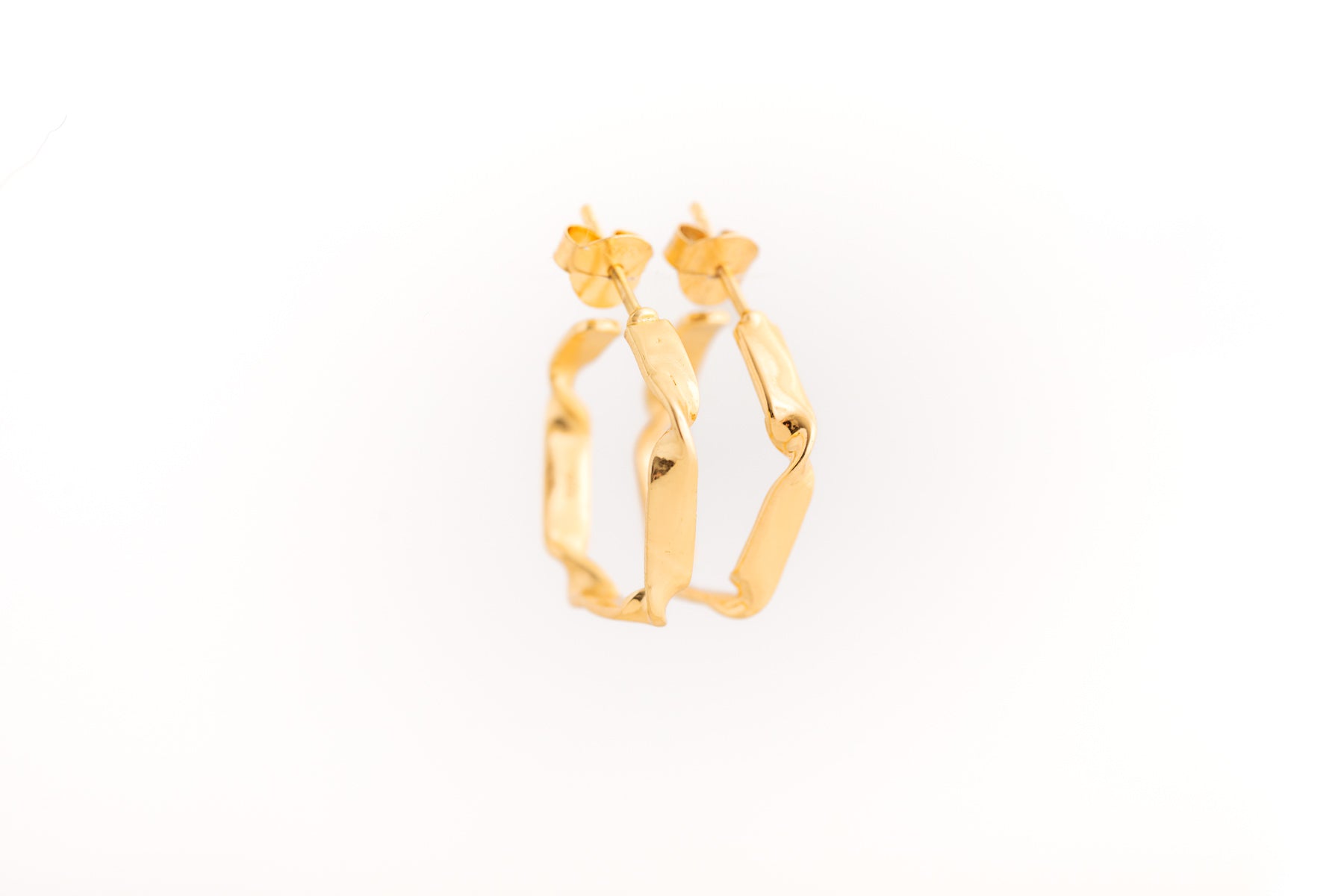
Our Silver Hammered Huggie Earrings (£30.00) have a hoop diameter of approximately 10mm. The Twisted Silver Hoops (£45.00) and Twisted Gold Hoops (£55.00) give you a slightly bolder shape if you prefer something more visible.
Here is how we would decide:
- Pick the metal finish you actually wear, not the one you admire
- Choose solid sterling silver if you want maximum durability
- Choose plated or vermeil if gold tone matters more than a lifetime finish
- Check the dimensions against your existing piercings
- Buy one pair first, wear it for a month, then build
If you are planning a collection rather than a single purchase, our guide to building a sustainable jewellery collection sets out the order to buy in. And if you want to understand what sustainable silver is actually made from before you commit, that breakdown is worth five minutes. When you are ready to shop, browse the full gold earrings collection and pick the pair that fits your everyday.
The challenge with ethical jewellery is that most brands ask you to take their word for it. We would rather show you the workshop, the materials and the dimensions, then let the pieces speak. SilverStory handcrafts every pair at an ethical workshop in Rajasthan, keeps prices affordable, and designs for lifetime wear rather than a single season.
Frequently Asked Questions
What makes gold and silver earrings sustainable?
Sustainability in earrings comes down to three things: where the metal comes from, who made the piece and how long it will last. Recycled or Fairmined metals reduce demand for new mining, and a durable design means you replace the earrings less often. Packaging and shipping matter too. A pair that lasts ten years is more sustainable than three cheap pairs that tarnish within months, even if the metal itself is identical.
Are recycled gold and silver better for the environment?
Recycled metals avoid most of the mining impact, which is the heaviest part of a piece's footprint. Extracting new gold moves large volumes of rock and often involves chemicals that need careful handling. Recycled gold earrings and recycled silver keep existing metal in circulation instead. The catch is that recycling claims are hard to audit, so look for brands that name their refiner or hold a recognised certification rather than using the word loosely.
How can I tell if gold earrings are ethically sourced?
Ask three questions: which mine or refiner supplied the metal, which workshop made the piece, and what certification backs the claim. Fairmined and Fairtrade gold are the clearest labels for responsibly mined metal. For artisan pieces, look for a named workshop and a brand willing to explain how artisans are paid. Vague phrases like planet-friendly or ethically made mean little on their own. A brand that answers specifics is usually the one telling the truth.
How should I care for gold and silver earrings so they last longer?
Put earrings on last when getting ready and take them off first at night. Keep them away from perfume, hairspray and chlorine, and wipe them with a soft cloth after wearing. Store silver in an airtight bag to slow tarnishing. Gold-plated pieces like the Gold Hammered Huggie Earrings (£35) should come off before showering or swimming, since water and soap wear the plating down faster. Handled this way, a well-made pair holds its finish for years.