Authentic Rajasthani Jewellery Styles Explained
Table of Contents
- Introduction to Rajasthani Jewellery Heritage
- Understanding Kundan and Polki Craftsmanship
- Essential Bridal Jewellery Pieces and Ornamentation
- Meenakari and Thewa: Enamel and Artisan Techniques
- Regional Variations Across Rajasthani Jewellery Styles
- Benefits of Wearing Traditional Indian Jewellery
- How to Style Traditional Indian Jewellery for Modern Wardrobes
- Authenticity Verification and Investment Value
- Frequently Asked Questions
Last Updated: September 19, 2026
Introduction to Rajasthani Jewellery Heritage
Authentic Rajasthani jewellery styles represent centuries of refined craftsmanship, cultural identity, and artistic mastery passed down through generations. At SilverStory, we bring handcrafted pieces directly from Rajasthan to conscious consumers who value both beauty and ethical production.
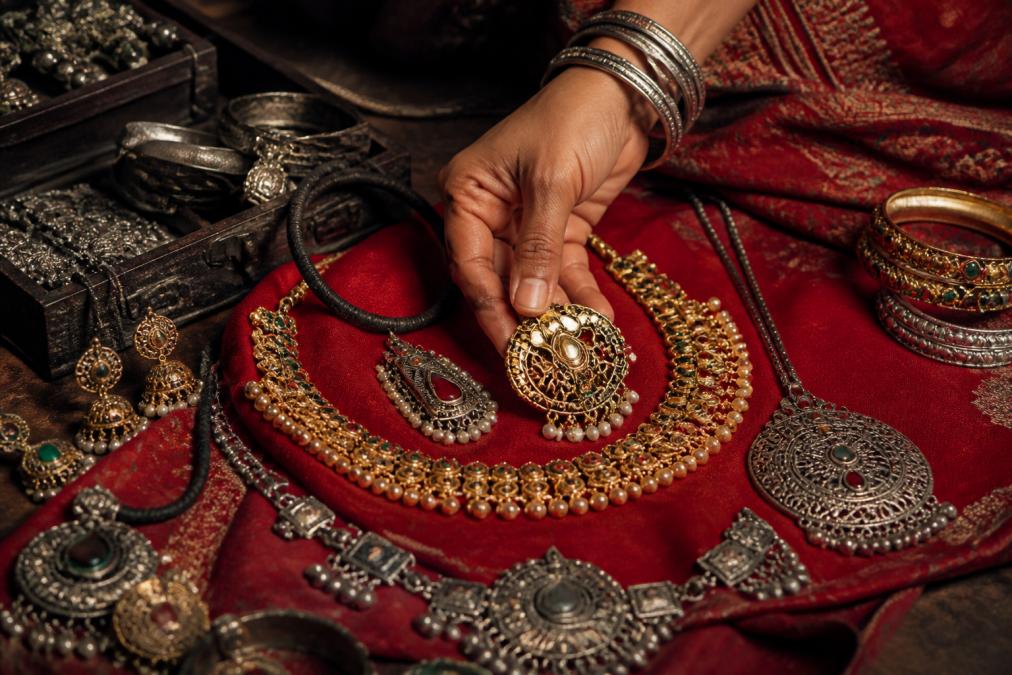
Rajasthani jewellery is distinguished by its intricate techniques, bold designs, and the use of precious metals combined with gemstones and enamel work. Each piece tells a story, whether it's a bridal Borla adorned with pearls or a statement Rani Haar that catches light from every angle. The region's jewellery-making tradition flourished under royal patronage, and today, artisans continue to honour these methods whilst creating contemporary pieces that appeal to modern sensibilities.
Traditional Rajasthani jewellery works for weddings, festivals, and everyday wear when styled thoughtfully. Understanding the different styles and how to wear them authentically helps you appreciate the craftsmanship and cultural heritage behind each piece.
Understanding Kundan and Polki Craftsmanship
Kundan and Polki represent two of the most celebrated techniques in Rajasthani jewellery-making, each with distinct methods and aesthetic qualities that define authentic pieces.
Kundan: Gold Foil and Gemstone Setting
Kundan sets gemstones into gold using gold foil backing. Artisans apply a thin layer of gold foil behind each gemstone to reflect light and amplify brilliance, then secure it through careful pressure and heat, creating a bond that endures for generations.
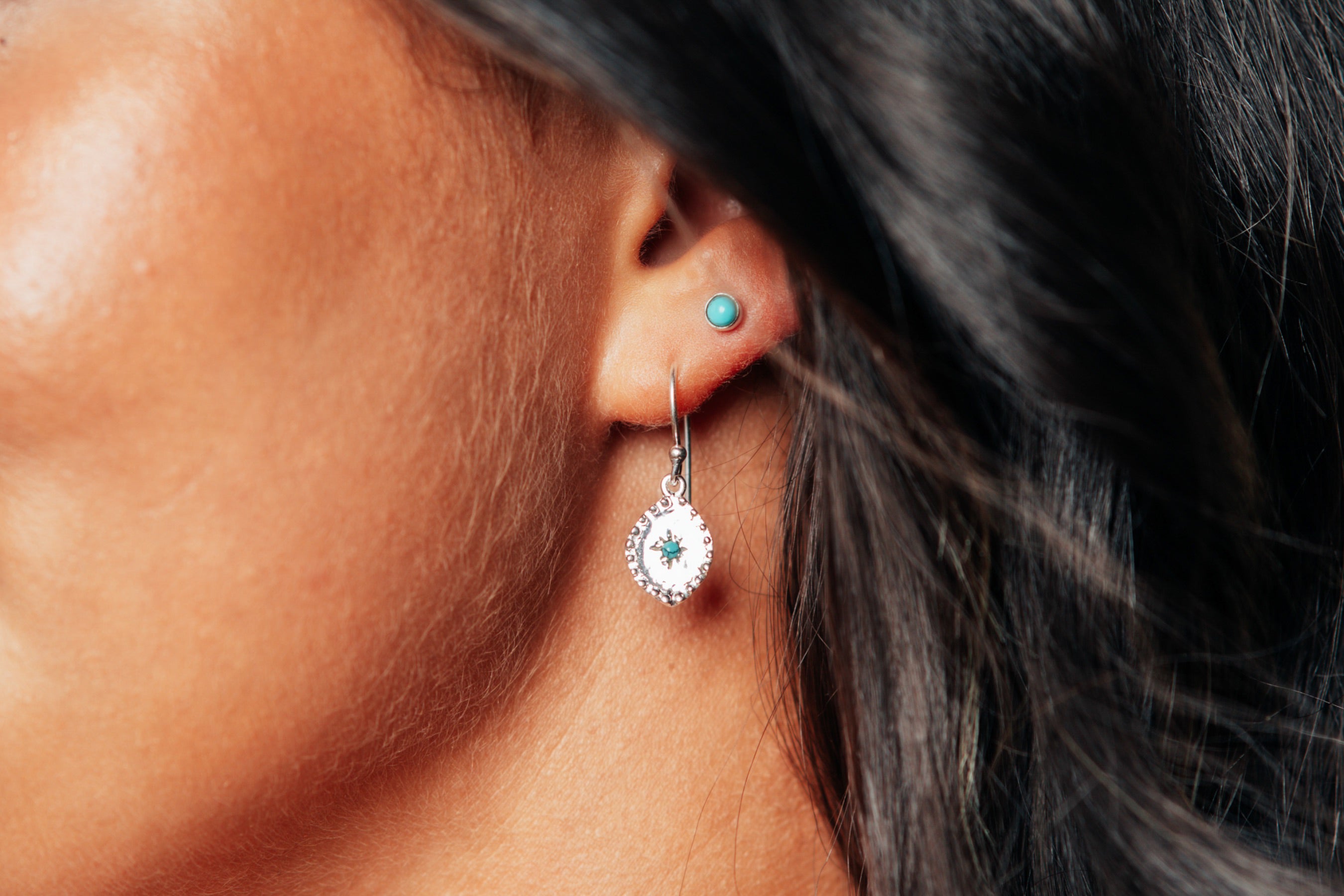
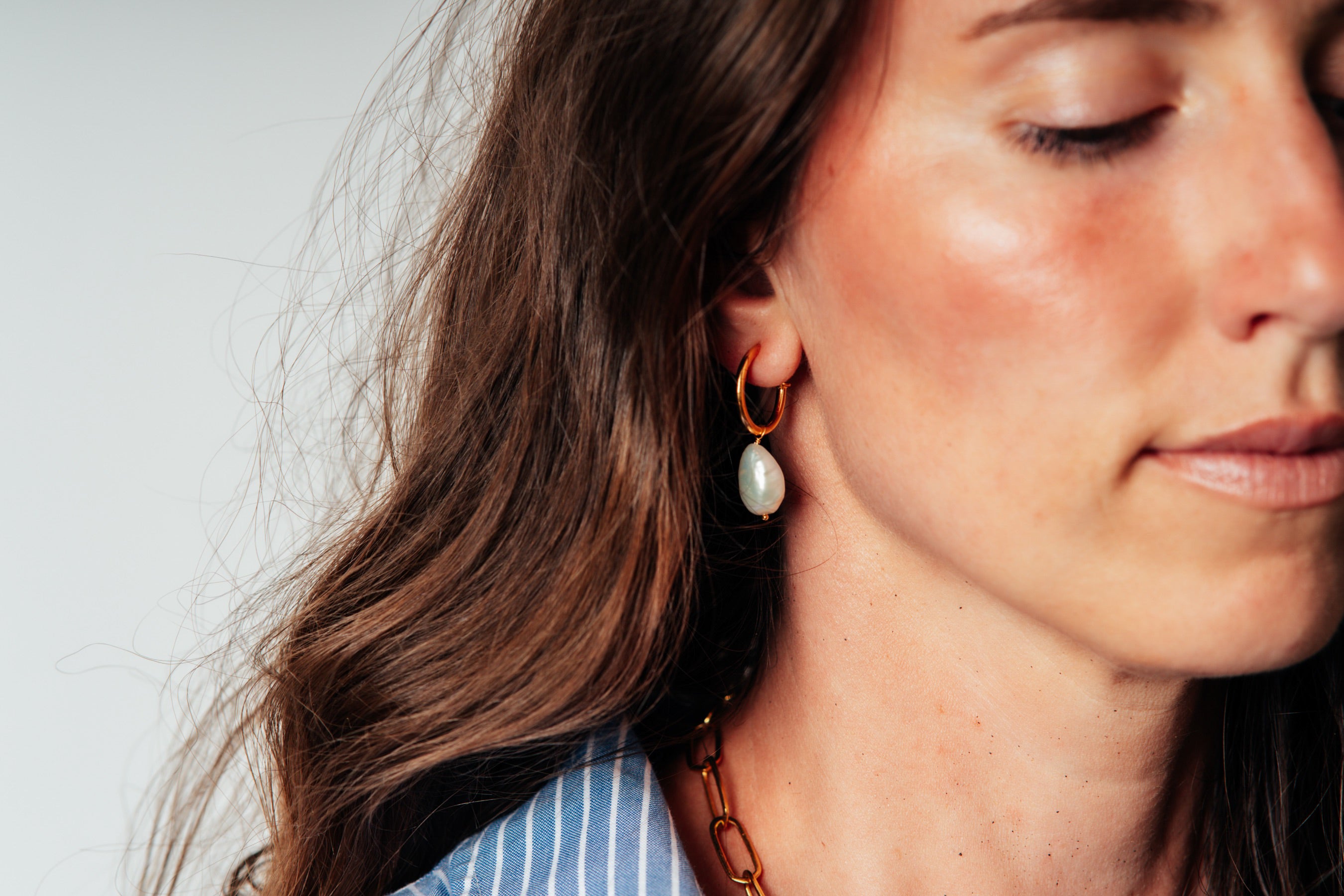
Each stone is individually assessed for colour, cut, and placement to position it optimally for light interaction. SilverStory's gemstone drop earrings exemplify this tradition with rose quartz, aqua chalcedony, and moonstone set in sterling silver, available in both silver and gold finishes.

Kundan jewellery is favoured for bridal wear because the technique creates a luminous quality that photographs beautifully and catches light throughout the day.
Polki: Uncut Diamond Brilliance
Polki uses uncut diamonds in their natural form, celebrating their inherent sparkle without cutting. Set using the same gold foil method as Kundan, uncut diamonds scatter light in unexpected ways, creating a distinctive, organic sparkle that feels contemporary despite its ancient origins.
Polki's appeal lies in its authenticity and rarity. Artisans position each diamond to maximise its light-scattering properties.
Essential Bridal Jewellery Pieces and Ornamentation
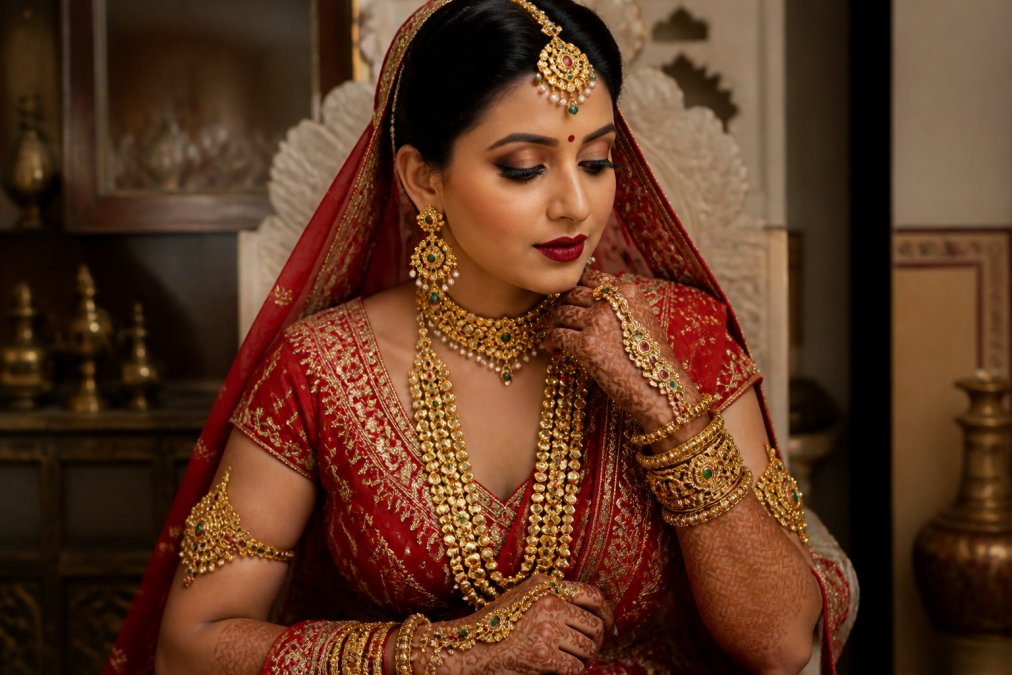
Bridal Rajasthani jewellery comprises a complete set of ornaments, each serving both aesthetic and ceremonial purposes. The layered approach to ornamentation creates a cohesive, regal appearance that transforms the wearer.
The Borla and Rakhdi: Headgear Significance
The Borla is a pendant hanging from the centre parting, resting on the forehead. Traditionally made from gold and adorned with pearls, gemstones, or enamel work, it marks the wearer as a bride and symbolises auspiciousness.
The Rakhdi adorns the hair at the crown or side, often featuring intricate Kundan work or Meenakari enamel. Together, the Borla and Rakhdi create a harmonious headgear arrangement that frames the face.
These pieces are heirloom-quality.
Necklaces: Aad and Rani Haar Statement Pieces
The Aad is a short, fitted necklace sitting close to the neck, typically featuring dense Kundan or Polki work. Its compact design makes it ideal for layering, often incorporating rubies, emeralds, and sapphires set against gold.
The Rani Haar is a longer necklace draping across the chest, translating to "queen's necklace." It features graduated gemstones, with larger stones at the centre and progressively smaller ones toward the clasp, catching light at different angles.
Layering an Aad with a Rani Haar creates depth and visual richness. Contemporary wearers often style a single statement necklace for everyday elegance, choosing a piece that complements face shape and neckline.
Arm and Hand Ornaments: Bajuband and Hathphool
The Bajuband is an armband worn on the upper arm, typically featuring ornate Kundan or Meenakari work. These statement pieces catch light as the arm moves and add dimension to the overall look.
The Hathphool is a hand ornament connecting the ring and bracelet, featuring delicate chains and gemstone work. It must sit comfortably without restricting hand movement and translates beautifully to festival occasions and formal events.
Silver Gemstone Drop Earrings →
Meenakari and Thewa: Enamel and Artisan Techniques
Meenakari and Thewa represent two distinct approaches to enamel work, each producing jewellery with distinctive visual and tactile qualities.
Meenakari fuses coloured glass enamel onto metal by heating it to precise temperatures. Artisans apply enamel in thin layers, building colour and pattern gradually to create jewellery with brilliant, lasting colour. Meenakari work often features intricate floral or geometric patterns in deep blues, greens, reds, and golds.
Thewa creates gold foil designs on a glass or stone base, then covers them with transparent or translucent enamel. The gold foil catches light beneath the enamel layer, creating a luminous effect. Thewa pieces often feature nature-inspired designs: birds, flowers, and landscapes.
Both techniques require exceptional skill. These pieces are durable for daily wear but benefit from gentle handling and occasional professional cleaning.
Regional Variations Across Rajasthani Jewellery Styles
Jaipur jewellery emphasises Kundan and Polki work, featuring bold designs with substantial gemstone use influenced by Mughal aesthetics and royal patronage.
Bikaner jewellery incorporates more Meenakari work, with pieces featuring intricate enamel patterns in jewel tones: deep purples, blues, and greens.
Jodhpur jewellery blends Kundan work with traditional Marwadi motifs, featuring heavier gold construction and bold gemstone placement favoured for bridal wear.
Benefits of Wearing Traditional Indian Jewellery
Wearing authentic Rajasthani jewellery styles offers benefits beyond aesthetics. These pieces connect you to centuries of cultural tradition and artistic excellence.
Traditional jewellery serves as a tangible link to heritage. When you wear a Kundan necklace or Meenakari earrings, you're participating in a tradition that has survived for generations. This connection to cultural continuity provides meaning that mass-produced jewellery cannot replicate.
How to Style Traditional Indian Jewellery for Modern Wardrobes
The key to wearing Rajasthani jewellery in contemporary contexts is understanding balance. These pieces are bold by design, so styling them requires intentional choices about what else you wear.
Authenticity Verification and Investment Value
Determining whether Rajasthani jewellery is authentic requires understanding what makes pieces genuine and recognising markers of quality craftsmanship.
| Verification Aspect | What to Look For | Red Flags |
|---|---|---|
| Kundan Setting | Visible gold foil backing, secure gemstones, varied texture | Perfectly uniform foil, loose stones, plastic feel |
| Polki Diamonds | Uncut shape, natural irregularities, varied surfaces | Perfectly cut appearance, uniform sizing, machine precision |
| Meenakari Enamel | Even colour coverage, smooth finish, no cracks | Uneven colour, rough edges, visible cracks or chips |
| Weight | Noticeable heft appropriate to size | Suspiciously light for claimed materials |
| Documentation | Artisan details, material specifications, sourcing information | No documentation, vague descriptions, unclear origin |
Frequently Asked Questions
What is the difference between Kundan and Polki jewellery?
Kundan uses gold foil backing to set polished gemstones and coloured glass, whilst Polki features uncut diamonds set using the same traditional technique. Kundan allows for more colourful designs and affordability, whereas Polki represents luxury with natural, uncut diamonds. Both use lac and handcrafted setting methods, but Polki's raw diamonds create a distinctive sparkle and are considered more precious for heritage pieces and investment value.
How can you identify authentic handcrafted Rajasthani jewellery?
Authentic pieces show visible handcrafting marks, uneven edges, and variations in gemstone placement that distinguish them from mass-produced jewellery. Genuine handcrafted jewellery from skilled artisans will have slight asymmetries and individual character, uniformity often signals factory production. Request documentation or provenance information when purchasing from ethical retailers.
What materials are used in authentic Rajasthani jewellery?
Traditional Rajasthani jewellery combines gold, gemstones (both precious and semi-precious), uncut diamonds (Polki), coloured glass, lac, enamel, and silver. Kundan pieces use gold foil with gemstone settings, whilst Meenakari incorporates vibrant enamel work. Thewa art combines gold foil with glass backing. Authentic pieces prioritise quality gold bases and genuine gemstones.
What is the significance of the Borla in Rajasthani culture?
The Borla is a traditional pendant worn on the forehead as part of bridal ornamentation, symbolising marital status and royal heritage. Hanging from the centre parting, it represents fertility, prosperity, and the bride's connection to her family's traditions. In Rajasthani weddings, the Borla is an essential piece of the bridal trousseau, often crafted with intricate Kundan work, gemstones, and sometimes pearls. Its prominence in traditional ceremonies reflects centuries of royal patronage and cultural significance within Rajasthani society.
Why should I invest in traditional Rajasthani jewellery rather than contemporary pieces?
Rajasthani jewellery combines historical craftsmanship, cultural significance, and lasting value. Handcrafted pieces by skilled artisans retain their beauty and worth over time, unlike mass-produced jewellery. Each piece carries heritage and artisan story, making it meaningful for personal wear or gifting. Supporting traditional craftsmanship ensures these techniques survive for future generations whilst you own a unique, ethically made treasure. Quality gold content and genuine gemstones in authentic pieces make them beautiful acquisitions.
Can traditional Rajasthani jewellery pieces handle daily wear?
Well-crafted Rajasthani jewellery can withstand daily wear when properly maintained. Pieces with secure gemstone settings and quality gold bases remain durable for regular use. However, intricate Kundan and Polki work benefit from careful handling, avoid excessive moisture, harsh chemicals, and impact. Store pieces in a jewellery roll (like SilverStory's handcrafted cotton option) to prevent tangling and damage. For pieces worn constantly, minimalist designs like open circle rings or simple drop earrings offer durability whilst maintaining traditional artisan craftsmanship.
What makes SilverStory's Rajasthani jewellery different from other handcrafted options?
SilverStory works directly with skilled artisans in Rajasthan to create ethically sourced, handcrafted pieces at affordable prices. Each item, from gemstone drop earrings to open circle rings, is made exclusively for SilverStory, ensuring unique designs unavailable elsewhere. The brand prioritises conscious craftsmanship, fair artisan practices, and quality materials like solid sterling silver and genuine gemstones. Pieces are designed for both personal style and gifting, with options ranging from statement to minimalist everyday pieces, all backed by 5.0-star customer ratings.