How to Prevent Silver Jewellery From Tarnishing
Table of Contents
- Why Does Silver Jewellery Tarnish
- How to Store Silver Jewellery Properly
- Practical Steps to Prevent Tarnish on Daily-Wear Pieces
- How to Clean Sterling Silver Jewellery
- Protective Coatings and Advanced Prevention
- Your Weekly and Monthly Silver Care Routine
- Troubleshooting Rapid Tarnishing
- Frequently Asked Questions
Last Updated: October 7, 2026
Why Does Silver Jewellery Tarnish
Silver tarnish is a natural chemical reaction that happens when silver meets certain elements in the air and on your skin. It's not a sign of poor quality or a defect. Even the finest sterling silver pieces will tarnish over time if left exposed. Understanding what causes tarnish is the first step in learning how to prevent silver jewellery from tarnishing effectively.
The Chemistry Behind Tarnish
Tarnish forms when silver reacts with sulphur compounds in the air (pubmed.ncbi.nlm.nih.gov). This creates a dark layer on the surface called silver sulphide. The reaction happens gradually and is completely normal. It doesn't mean your jewellery is damaged or ruined.
Sterling silver contains 92.5% pure silver and 7.5% other metals, usually copper. The copper is what reacts most readily with sulphur.
The good news is that tarnish is only a surface issue. It doesn't affect the structural integrity of your jewellery. A simple polish brings back the shine.
Common Triggers That Speed Up Tarnishing
Certain environments and habits make tarnish develop much faster. Knowing these triggers helps you protect your pieces.
Moisture and humidity are major culprits. Bathrooms and damp climates accelerate tarnishing significantly.
Chemicals found in everyday products trigger tarnishing too. Perfume, hairspray, lotions, and cleaning products all contain compounds that react with silver.
Air exposure is constant but varies by location.
Friction and stacking don't directly cause tarnish, but they can trap moisture and chemicals against the silver surface, creating pockets where tarnishing accelerates.
How to Store Silver Jewellery Properly
Storage is your strongest defence against tarnish and the foundation of how to prevent silver jewellery from tarnishing. The right storage method can slow tarnishing dramatically, sometimes by months or even years. This is where prevention truly begins.
Airtight Containers and Bags
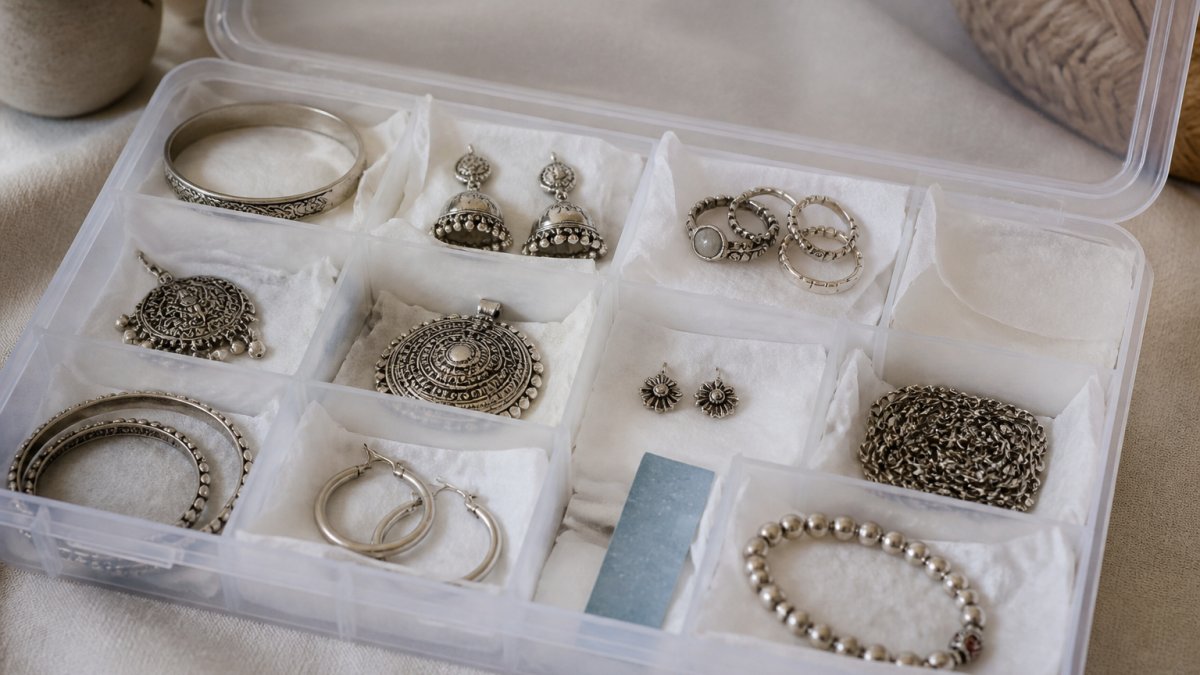
Airtight storage removes silver's exposure to the sulphur compounds in air. This single step is the most effective prevention method available.
Zip-lock plastic bags work well for short-term storage. Make sure the seal is tight and the jewellery is completely dry before sealing.
Avoid cloth bags or open jewellery boxes. These allow air circulation, which defeats the purpose of storage.
Glass containers with rubber seals provide excellent long-term protection.
Pro tip: Store each piece separately if possible. This prevents different metals from touching and reduces friction that can scratch your jewellery.
Using Anti-Tarnish Strips for Silver
Anti-tarnish strips are small packets that absorb sulphur compounds from the air inside your storage container. They're inexpensive and genuinely effective.
Place one strip in your storage container alongside your jewellery. These strips contain materials that chemically bind to sulphur before it can reach your silver.
Replace strips every 6-12 months, depending on how much you open the container. Once a strip becomes discoloured, it's saturated and no longer effective.
These strips are safe for all types of silver jewellery, including pieces with gemstones or delicate details.
Controlling Humidity and Environment
Humidity is the silent enemy of silver jewellery. Even in sealed storage, excess moisture creates an environment where tarnish thrives.
Store your jewellery in cool, dry places. Avoid bathrooms, kitchens, and basements where humidity levels fluctuate. A bedroom closet or drawer is ideal.
If you live in a particularly humid climate, consider adding silica gel packets to your storage containers. These absorb moisture from the air inside sealed boxes.
Keep jewellery away from direct sunlight. Sunlight won't cause tarnish directly, but it can fade certain gemstones and accelerate other types of damage.
Practical Steps to Prevent Tarnish on Daily-Wear Pieces
Not all your silver jewellery sits in storage. The pieces you wear regularly need different care strategies. These practical habits slow tarnishing significantly.
Wipe Your Jewellery After Wearing
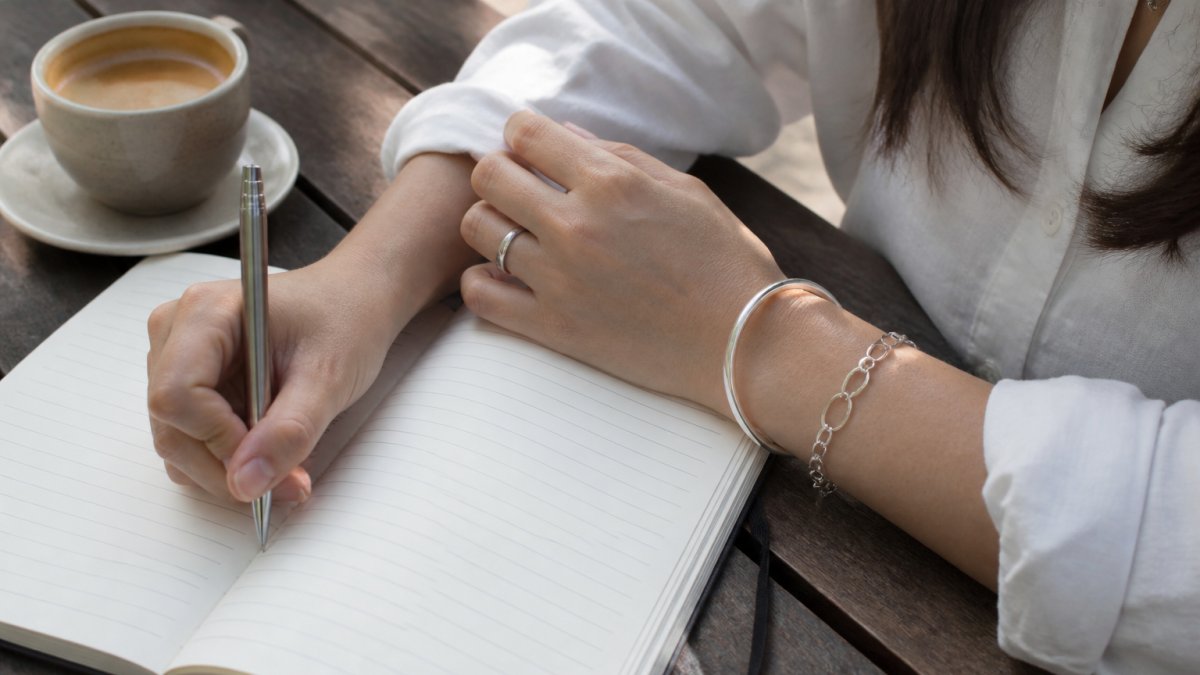
This single habit prevents most tarnish on pieces you wear frequently. When you remove your jewellery, spend 30 seconds wiping it with a soft, dry cloth.
This removes sweat, oils from your skin, and environmental particles that would otherwise sit on the surface.
Use a microfibre cloth or soft cotton cloth. Avoid paper towels or rough fabrics that can scratch the silver.
For jewellery with gemstones or intricate details, use a soft brush to reach crevices. A soft toothbrush works perfectly for this purpose.
Avoid Moisture, Sweat, and Chemicals
Remove your silver jewellery before activities that expose it to moisture or chemicals. This protects it from the conditions that accelerate tarnishing most rapidly.
Take off your jewellery before:
- Showering or bathing
- Swimming or water sports
- Exercising or heavy sweating
- Applying lotions, perfumes, or hairspray
- Cleaning with chemical products
- Doing dishes or gardening
These activities introduce moisture, salt, chlorine, and harsh chemicals that trigger rapid tarnishing. Even brief exposure compounds over time.
If you forget and expose your jewellery to these elements, wipe it dry immediately. The longer moisture sits on the surface, the more tarnishing occurs.
Minimise Friction and Stacking
Stacking multiple pieces together creates friction and traps moisture between them. This accelerates tarnishing in the contact areas.
Store stacked pieces separately. If you like wearing multiple rings or bracelets together, remove them before storage and store them individually.
When wearing multiple pieces, avoid constant friction. Rings rubbing against each other or bracelets moving against your wrist generate heat and moisture that speeds tarnishing.
For necklaces, consider storing them on individual hooks or hangers rather than coiled together. This prevents creasing and reduces contact between different pieces.
How to Clean Sterling Silver Jewellery
Even with perfect prevention, your silver jewellery will eventually show light tarnishing. Cleaning removes tarnish and restores shine. Regular cleaning is part of a complete care routine.
Gentle Cleaning Methods
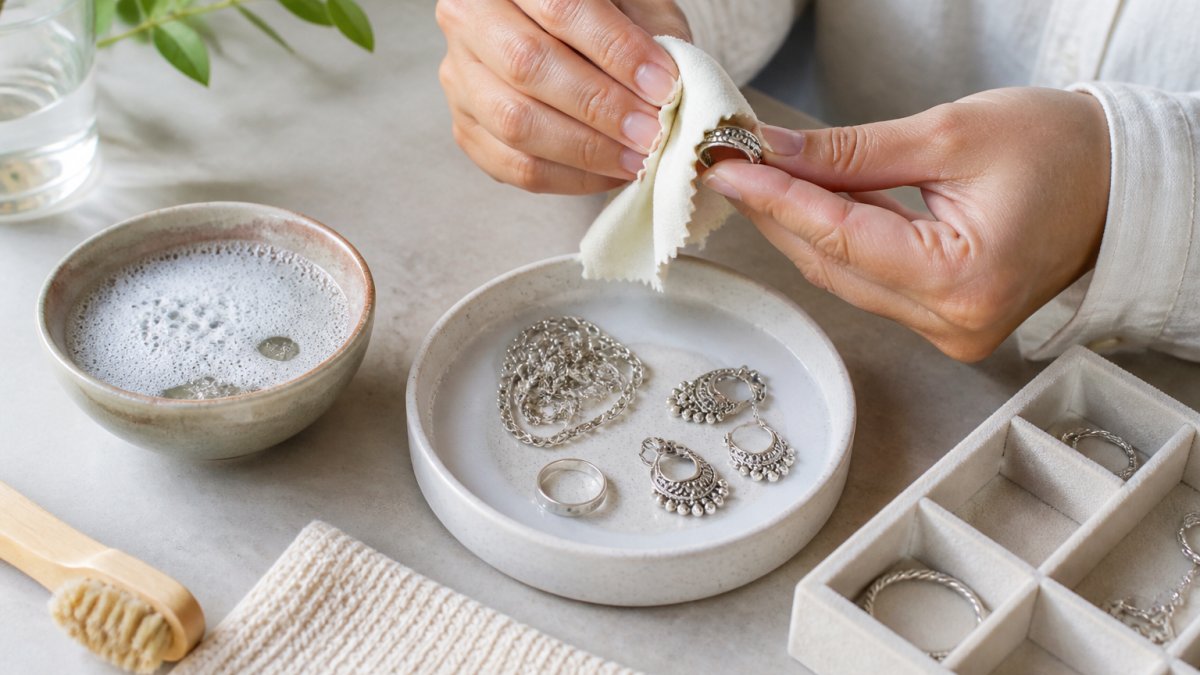
Mild soap and warm water is the safest cleaning method for most silver jewellery. This removes surface tarnish without harsh chemicals.
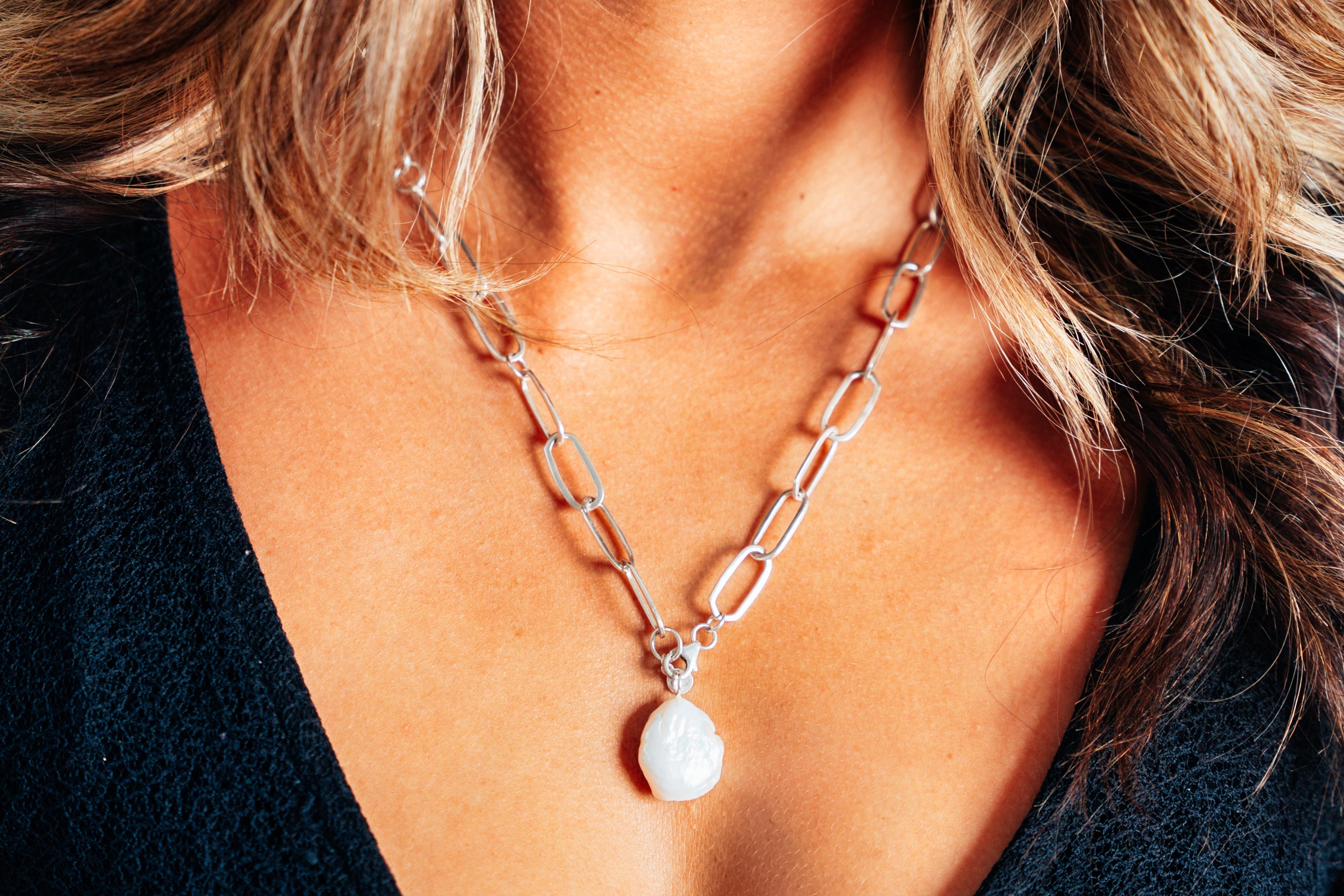
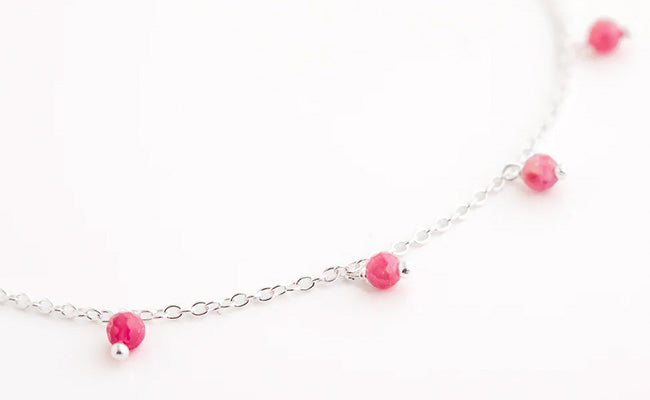
Silver Paperclip Chain Necklace →
Fill a small bowl with warm water and add a few drops of mild dish soap. Soak your jewellery for 5-10 minutes.
For heavier tarnishing, make a paste with baking soda and water.
Avoid abrasive scrubbing or harsh chemicals. These can scratch the silver and damage gemstones or delicate details.
For jewellery with gemstones, check that your cleaning method is safe for the specific stone. Some gemstones are sensitive to water or soap.
Using a Polishing Cloth Safely
A jewellery polishing cloth is designed specifically for silver and removes tarnish without water or chemicals. It's the quickest method for light tarnishing.
Use gentle, circular motions when polishing. Don't scrub hard or use excessive pressure.
For intricate designs or pieces with gemstones, use the cloth carefully around delicate areas.
Replace your polishing cloth when it becomes darkened. A dirty cloth spreads tarnish rather than removing it.
Store your polishing cloth in a clean, dry place. A ziplock bag keeps it clean and ready to use.
Protective Coatings and Advanced Prevention
For pieces you wear frequently, protective coatings offer extra tarnish resistance. These methods go beyond basic storage and cleaning.
Transparent Lacquer and Tarnish Shields
A thin transparent lacquer coating creates a barrier between silver and air. This prevents the chemical reaction that causes tarnish. The coating is invisible and doesn't affect the appearance of your jewellery.
These coatings work best for pieces you wear regularly but don't want to clean frequently. They're particularly useful for statement pieces or jewellery with intricate designs that are difficult to polish.
Argentium Silver vs Regular Sterling Silver
Argentium silver is a modern alloy designed to resist tarnishing better than traditional sterling silver. It contains germanium instead of copper, which significantly slows the tarnishing process.
Argentium silver tarnishes much more slowly than regular sterling silver. Pieces can go months or even years without noticeable tarnishing. This makes it ideal for everyday jewellery you want to wear without constant maintenance.
For pieces you wear occasionally or store most of the time, regular sterling silver is perfectly fine.
Both types respond equally well to polishing cloths and gentle cleaning methods when tarnish does develop.
Your Weekly and Monthly Silver Care Routine
Establishing a simple routine keeps your silver jewellery looking beautiful with minimal effort. Consistency matters more than intensity.
Daily Habits That Make a Difference
Make wiping your jewellery part of your evening routine. Spend 30 seconds with a soft cloth after you remove your pieces.
Check your jewellery weekly for any signs of tarnishing. Catching light tarnish early means a quick polish with a cloth restores shine.
Rotate which pieces you wear. This gives each piece time in storage between wearings, slowing tarnish development.
Remove jewellery before activities that expose it to moisture or chemicals. This simple habit prevents rapid tarnishing and protects your pieces from damage.
Monthly Deep Care and Storage Check
Once a month, check your entire jewellery collection. Clean any pieces showing tarnish and inspect storage containers.
For stored pieces, open containers and let them air briefly. Check that anti-tarnish strips are still effective. Replace them if they've become discoloured.
Polish any pieces showing tarnish. Use a polishing cloth for light tarnish or the gentle soap method for heavier tarnishing.
Inspect your jewellery for any damage or loose stones. Addressing problems early prevents more serious damage later.
This monthly routine takes 15-20 minutes and keeps your entire collection in excellent condition.
Troubleshooting Rapid Tarnishing
If your silver jewellery tarnishes unusually fast, something in your environment or care routine needs adjustment.
Rapid tarnishing usually means excessive moisture exposure. Check that you're removing jewellery before showering, swimming, or heavy sweating.
Verify that your storage containers seal properly. Even slightly loose lids allow air circulation that accelerates tarnishing.
If tarnish appears only on certain pieces, the issue might be specific to how you wear or store those items.
Some people's skin chemistry naturally causes faster tarnishing.
Chemical exposure is another common cause. Review what you're exposing your jewellery to.
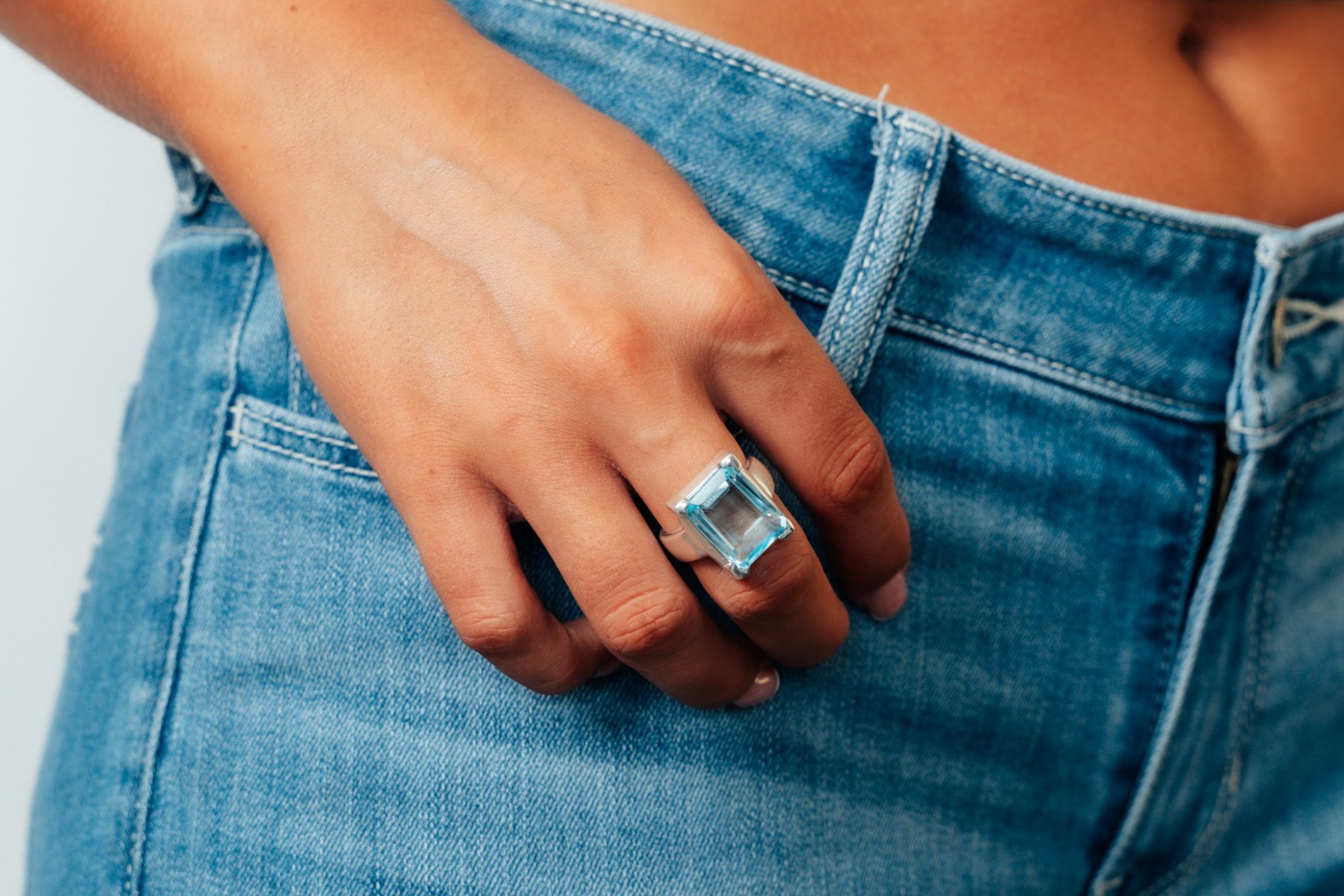
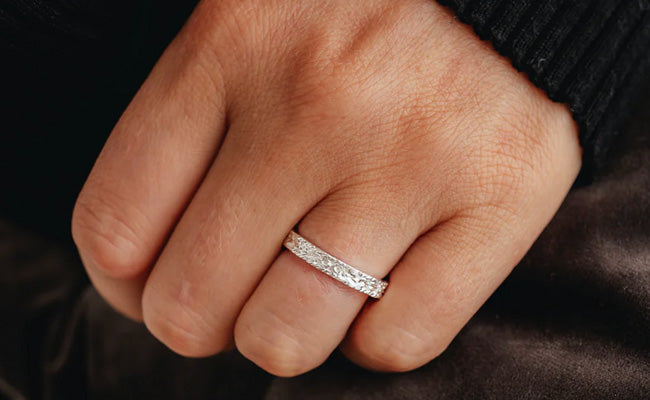
Keeping silver jewellery looking beautiful requires understanding what causes tarnish and taking simple preventive steps. Our Silver Paperclip Chain Necklace and Silver Sun Signet Ring are perfect everyday pieces that reward proper care with lasting shine.


Frequently Asked Questions
Does sterling silver tarnish if you wear it every day?
Sterling silver will tarnish over time even with daily wear, but regular wearing actually slows tarnishing because skin oils create a protective barrier. However, exposure to sweat, moisture, and chemicals speeds up the process. Wiping your jewellery with a soft cloth after wearing and storing it properly in an airtight container between wears helps prevent tarnish from building up quickly. Many people find that pieces worn daily require less aggressive cleaning than those stored away for months.
Do anti-tarnish strips work for silver jewellery?
Anti-tarnish strips are effective at slowing tarnish formation by absorbing sulphur compounds in the air. When placed in an airtight storage container with your silver jewellery, they create a protective environment that can extend the time between cleanings. However, they work best in sealed containers and lose effectiveness once exposed to open air repeatedly. For pieces like the Silver Paperclip Chain Necklace or Silver Sun Signet Ring, storing them with anti-tarnish strips in an airtight bag provides measurable protection, especially if you don't wear them daily.
How often should you clean silver jewellery?
Clean your silver jewellery every 1-2 weeks if worn daily, or every month if worn occasionally. Light tarnish can be removed with a soft polishing cloth, whilst heavier tarnish may require gentle cleaning with mild soap and water or a silver-specific cleaner. Regular light cleaning prevents tarnish from building up and becoming harder to remove. Between cleanings, simply wipe your pieces with a dry cloth after wearing to remove skin oils and moisture that accelerate tarnishing.
Why did my 925 silver turn brown?
925 sterling silver turns brown or grey when exposed to sulphur in the air and moisture, which causes a chemical reaction on the silver's surface. This is natural tarnishing and does not mean your jewellery is damaged or lower quality. Brown tarnish typically indicates exposure to humidity, sweat, or environmental sulphur compounds. Storing your 925 silver in an airtight container, avoiding moisture and sweat exposure, and using anti-tarnish strips can prevent or slow this discolouration. If your jewellery has already tarnished, it can be cleaned and restored to its original shine.