Benefits of Wearing Traditional Indian Jewellery
Table of Contents
- Why Traditional Indian Jewellery Still Matters
- Health and Wellness: What Wearing Traditional Indian Jewellery Does for Your Body
- Cultural and Spiritual Significance: Symbolism, Astrology, and Social Status
- How to Style Traditional Indian Jewellery with Modern Outfits
- Benefits of Wearing Silver Jewellery: Affordability, Skin Sensitivity, and Everyday Wear
- Investment Value and Long-Term Wealth: Gold, Silver, and Heirloom Pieces
- Caring for Your Traditional Pieces: Maintenance, Storage, and Longevity
- Frequently Asked Questions
Last Updated: September 15, 2026
Why Traditional Indian Jewellery Still Matters
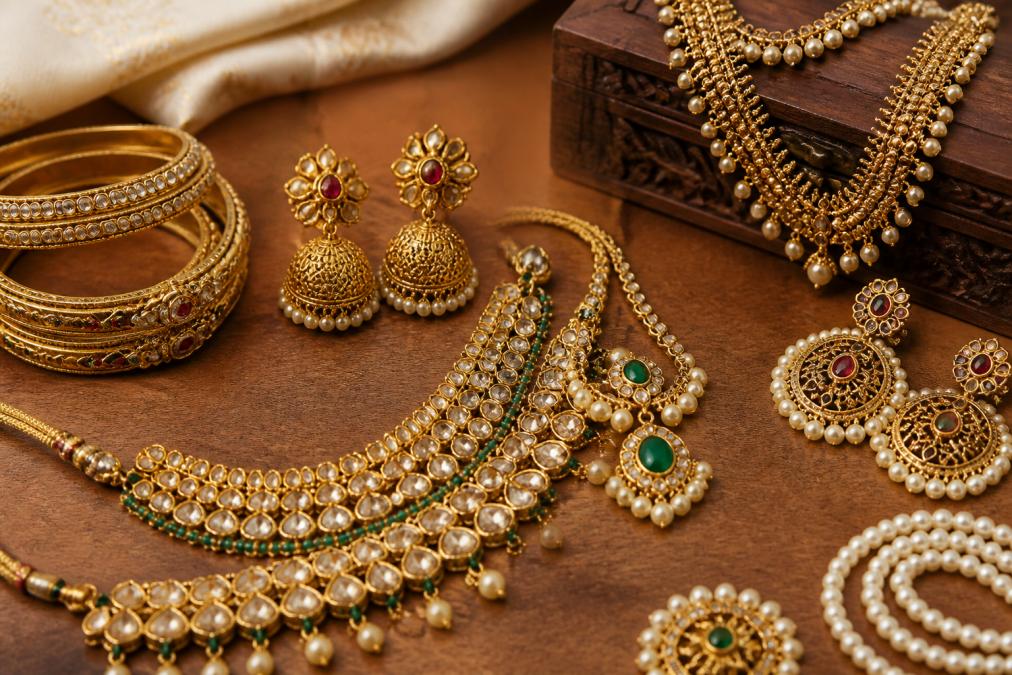
Traditional Indian jewellery is ornamental metalwork and gemstone setting worn on the subcontinent for centuries, and remains one of the world's most layered forms of adornment. At SilverStory, customers reach for it because it does three jobs at once: it decorates, carries meaning, and often holds real value.
That combination is rare: a piece can mark a wedding, signal marital status, store wealth in gold, and sit against the skin as part of a daily routine passed down through generations.
Below, we break down what these pieces do for your body, your standing and your savings, plus how to style and care for them so they last.
Health and Wellness: What Wearing Traditional Indian Jewellery Does for Your Body
The wellness case for traditional jewellery rests on traditional wisdom rather than clinical trials, so treat it as a long-standing practice, not a medical treatment. Ayurveda holds that metals and gemstones interact with the body through skin contact, and that bangles, rings and chains were never only decorative.
Bangles, Acupressure, and Blood Circulation
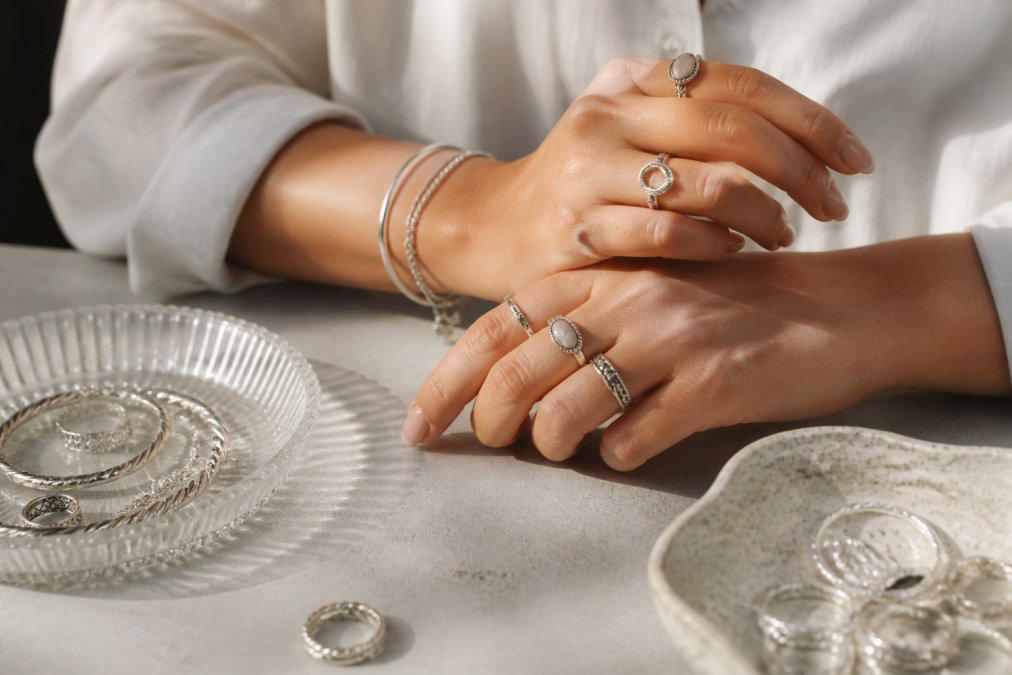
Bangles sit over the wrist, an area acupressure traditions associate with nerve stimulation and energy pathways to the upper body. The theory is that constant gentle friction keeps those pathways active; many daily wearers describe warmth or improved circulation in the hands, though this is anecdotal.
A bangle has to fit properly: too loose and it slides up the forearm, too tight and it presses uncomfortably. For a first set, measure your wrist and aim for a snug fit that still rotates freely.
The Ayurvedic View on Metals and Gemstones
In Ayurvedic tradition, silver is linked to cooling and drawing heat from the body, gold to warmth and vitality, and gemstones are matched to the wearer's needs.
Metal properties matter for a second, practical reason: skin sensitivity. Silver and gold are relatively unreactive on most skin, while base-metal alloys commonly trigger irritation (the NHS). If your skin has reacted to cheap costume pieces before, sterling silver is usually the safer starting point.
Cultural and Spiritual Significance: Symbolism, Astrology, and Social Status
Traditional Indian jewellery functions as a visual language: a bindi, mangalsutra, toe rings or a specific bangle style can communicate marital status, regional origin, family standing and prosperity without a word.
Regional variation is where this gets interesting: a Maharashtrian nath looks nothing like a Rajasthani aad, and Bengali bangles differ in weight and pattern from Gujarati ones. Two people wearing what looks like "Indian jewellery" may signal completely different traditions.
Gemstones and Astrological Beliefs
Gemstones carry astrological meaning in traditional practice, and buyers often choose a stone to match a birth chart or intention. Common pairings include:
- Rose quartz for love and calm
- Moonstone for intuition and balance
- Aqua chalcedony for clarity and communication
- Tiger's eye for confidence and protection
- Malachite for transformation and renewal
You do not need to follow astrology to enjoy these stones. Many customers simply like the colour and the story behind the piece.
How to Style Traditional Indian Jewellery with Modern Outfits
Styling traditional pieces with contemporary clothing comes down to contrast: let one element be ornate and keep everything else quiet. The biggest mistake is treating traditional jewellery as occasion-only, then wondering why it sits in a drawer for eleven months. The second is wearing a full regional set with an unrelated outfit, which reads as costume rather than confidence.
Modern vs. Traditional: A Practical Bridge
The rule that works: keep the cultural reference intact but reduce the volume. A Maharashtrian nath with a plain linen shirt and jeans reads as a deliberate signature; the same nath with a heavily embroidered kurta and three other statement pieces reads as costume. Pick one piece to carry the tradition and let the rest of the outfit be ordinary.
For younger wearers building a first collection, the sensible sequence is:
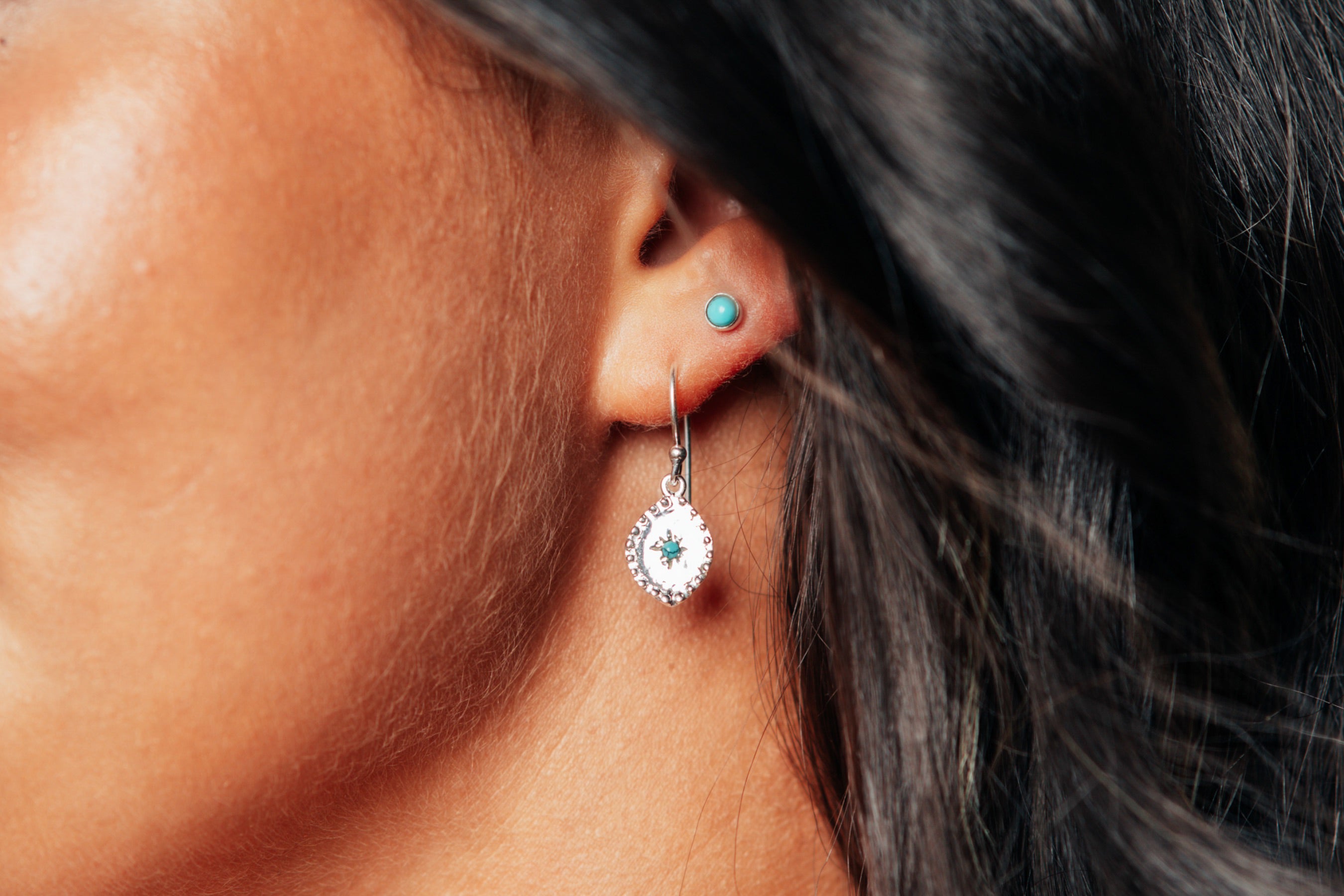
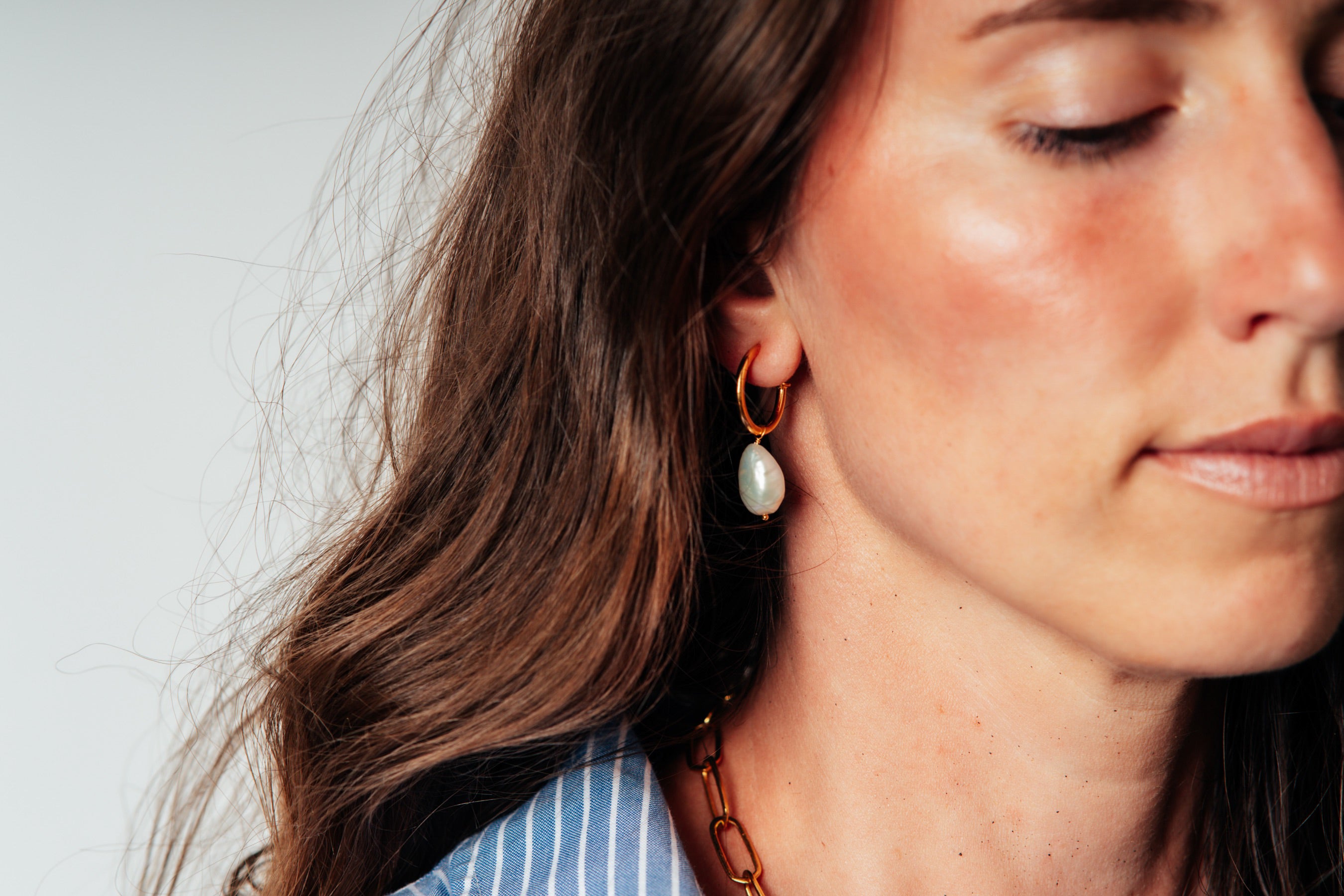
- Start with earrings. They sit near the face, so they carry meaning without dominating an outfit.
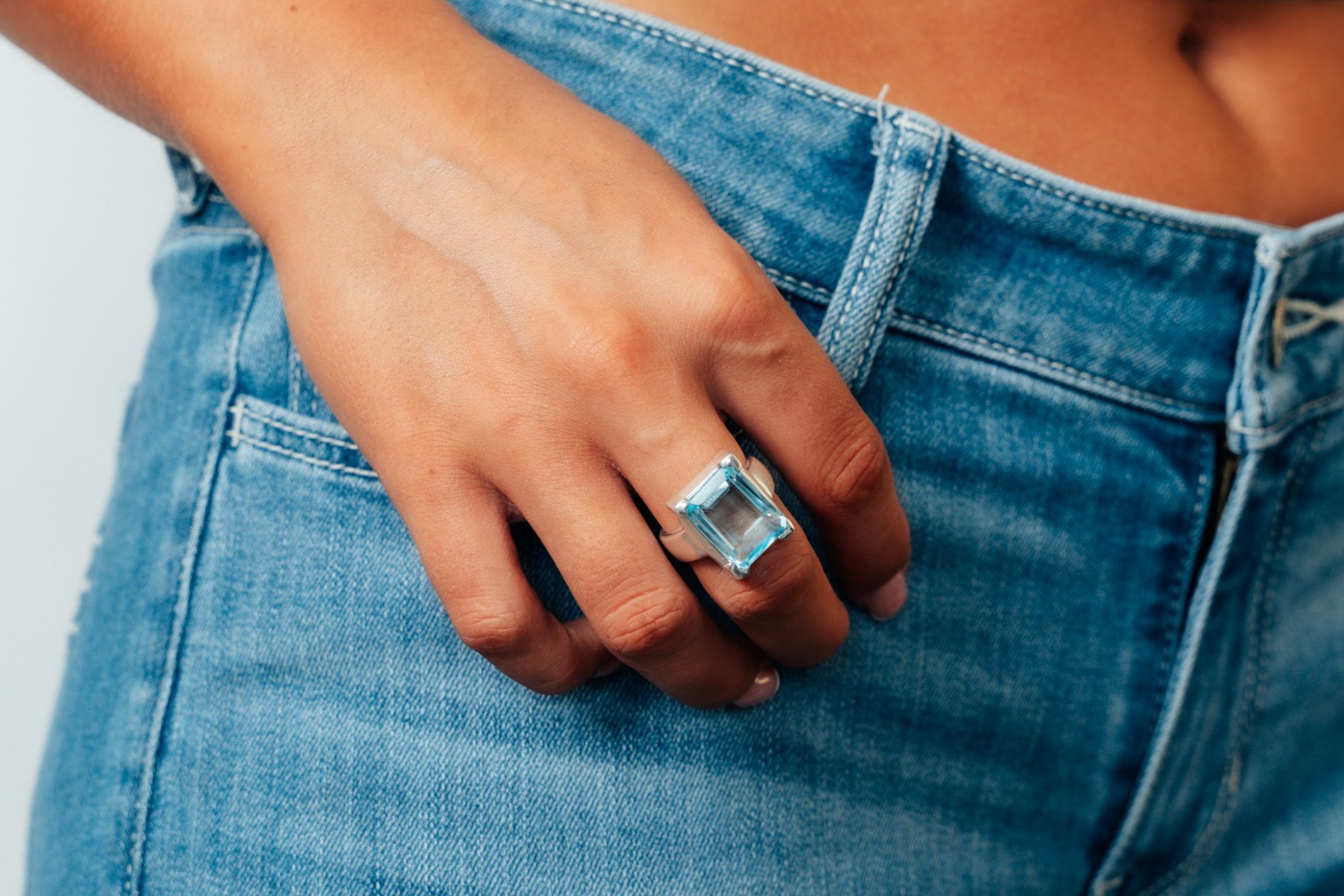
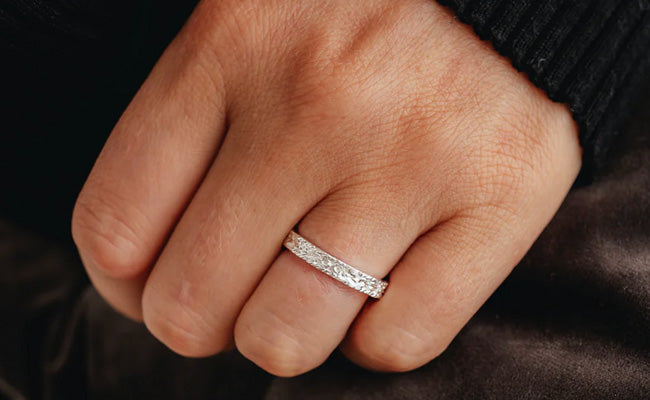
- Add one ring. A single substantial ring is easier to wear daily than a bangle stack.
- Introduce bangles last. They are the most visually loud and the hardest to pair with Western workwear.
Regional Variation Matters When You Style
Different traditions carry different visual weights, which affects how they pair with modern clothing.
- North Indian pieces such as the aad and jhumka tend to be larger and heavier, so they work best against plain, structured clothing.
- South Indian pieces such as the temple-design necklace and odd-numbered bangle sets are often more intricate and symmetrical, which suits monochrome outfits where the detail can be read.
- Bengali pieces such as the thin gold bangle and the large nose ring are lighter in visual weight and sit comfortably with everyday dress.
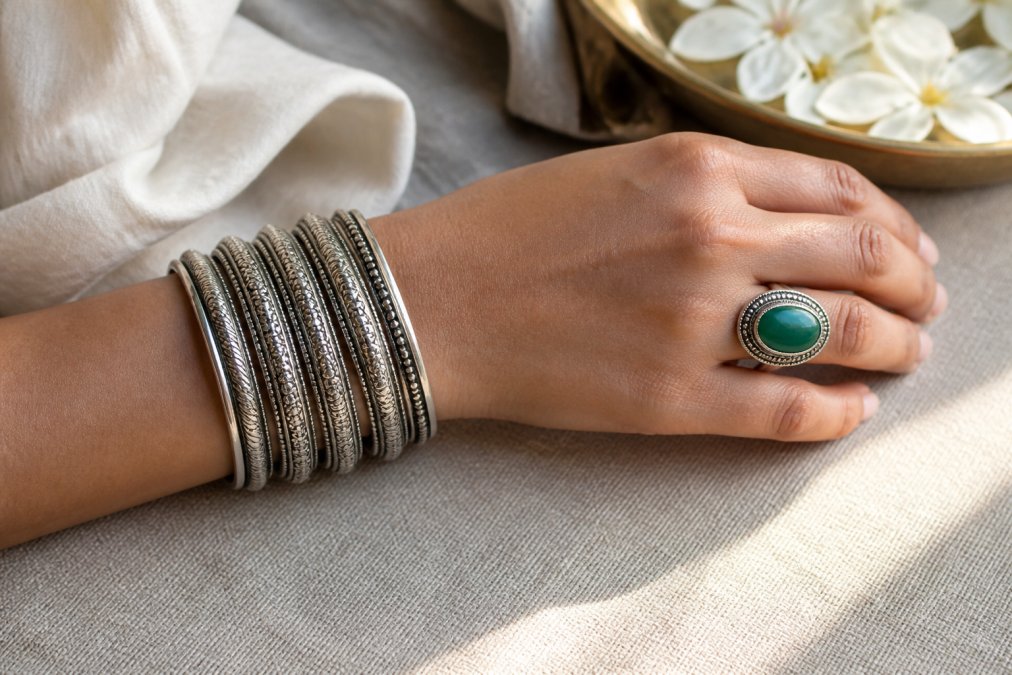
- Tribal and oxidised silver pieces from regions such as Rajasthan and Gujarat are matte and textured, which pairs well with denim and neutral knits.
Mixing regions is fine as long as the metals match: silver with silver, gold with gold. A heavy gold aad with oxidised silver bangles is the fastest way to make a considered outfit look accidental.
Outfit Pairings That Actually Work
Benefits of Wearing Silver Jewellery: Affordability, Skin Sensitivity, and Everyday Wear
Investment Value and Long-Term Wealth: Gold, Silver, and Heirloom Pieces
What 'Value' Actually Means in Practice
Hallmarking and Buying With Confidence
Silver as an Heirloom Rather Than an Asset
Practical Rules for Building a Collection
| Piece | Price | Metal | Best For |
|---|---|---|---|
| Silver Gemstone Drop Earrings | £50 | Sterling silver | Everyday elegance, gifting |
| Gold Gemstone Drop Earrings | £60 | Sterling silver, gold plated | Warmer tones, occasions |
| Green Aventurine Statement Ring | £48 | Sterling silver | A first statement ring |
| Oval Malachite Ring | £58 | Sterling silver | Smaller statement, limited edition |
| Cluster Gemstone Ring | £80 | Sterling silver | Colour and detail |
| Large Silver Malachite Ring | £125 | Sterling silver | Heirloom-weight investment |
| Jewellery Roll | £18 | Cotton | Storage and travel |
| Jewellery Pouch | £15 | Cotton | Short trips, gifting |
Caring for Your Traditional Pieces: Maintenance, Storage, and Longevity
A simple care routine:

Frequently Asked Questions
Is it culturally appropriate to wear traditional Indian jewellery if I'm not Indian?
Wearing traditional Indian jewellery as a cultural appreciation rather than appropriation is generally welcomed, especially when you understand its significance. Many pieces like bangles and toe rings carry spiritual and practical meanings. If you admire the craftsmanship and wear items respectfully, it's a celebration of artistry. Choosing ethically sourced pieces from artisan workshops supports cultural heritage and ensures your jewellery has a positive story behind it.
What are the benefits of wearing silver jewellery compared to other metals?
Silver is affordable, durable, and gentle on sensitive skin, making it ideal for daily wear. Unlike some base metals, sterling silver rarely causes irritation. It also pairs well with gemstones, allowing you to enjoy the look of traditional Indian jewellery at a lower cost than gold. Pieces like the Silver Gemstone Drop Earrings (£50) offer the same intricate craftsmanship with a lighter price tag.
How do I style traditional Indian jewellery with modern outfits without looking overdressed?
Start with one statement piece, such as a large gemstone ring or a pair of drop earrings, and keep the rest of your outfit minimal. A chunky silver ring works beautifully with a plain white shirt and jeans, while delicate earrings add interest to a simple dress. Mixing traditional pieces with contemporary clothing creates a balanced, modern look that feels intentional rather than costume-like.
Is there any scientific basis for the health benefits of wearing bangles or toe rings?
Some research suggests that bangles can create mild acupressure effects as they move against the wrist, potentially supporting circulation. Toe rings may stimulate nerve endings, but evidence is limited. These traditional practices are rooted in Ayurveda and cultural wisdom rather than modern clinical trials. If you enjoy wearing them, the ritual and aesthetic benefits alone can enhance your sense of wellbeing.
How can I tell if traditional Indian jewellery is ethically sourced?
Look for brands that share details about their artisan partnerships and production methods. SilverStory, for example, works directly with a family business and ethical workshop in Rajasthan, and states this openly. You can also check for fair pay commitments and handcrafted techniques. Asking questions about the supply chain helps you support responsible practices and ensures your jewellery is made with care.